Nullam dignissim, ante scelerisque the is euismod fermentum odio sem sempre o is erat, a feugiat leo urna eget eros. Duis Enean um risco imperdieto.
Nullam dignissim, ante scelerisque the is euismod fermentum odio sem sempre o is erat, a feugiat leo urna eget eros. Duis Enean um risco imperdieto.
 autor
autor
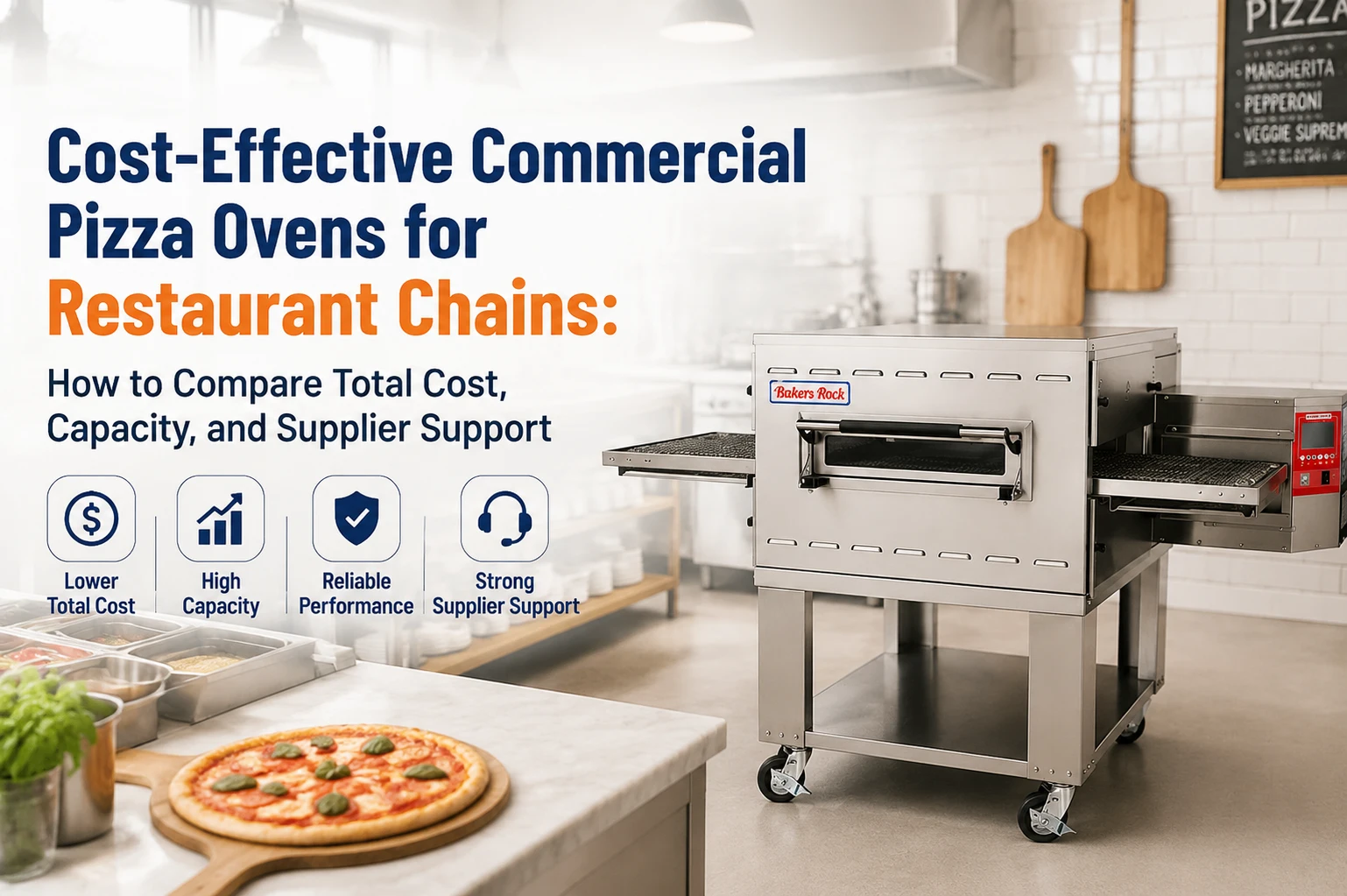
The most cost-effective commercial pizza oven for a restaurant chain is not necessarily the oven with the lowest purchase price. The better choice is the system that delivers the required output while keeping utility demands, installation work, maintenance, downtime, and supplier support manageable across every location. This is especially important when comparing commercial conveyor pizza ovens for new stores, replacements, or chain-wide standardization.
A realistic commercial pizza oven comparison should include more than the quoted equipment price. The evaluation should cover transportation, site preparation, electrical or gas connection, ventilation, commissioning, operator training, routine cleaning, replacement parts, and potential production losses during downtime.
A lower-priced oven may become more expensive if each location requires different operating procedures, unfamiliar spare parts, or additional site modifications. Conversely, a higher initial investment may be reasonable when the equipment matches the menu, capacity, and kitchen infrastructure more closely.
A chain-level cost model should compare:
Specific energy consumption, repair frequency, and payback periods should be verified for the selected model and application rather than assumed from general industry claims.
Restaurant chains often benefit from using a controlled equipment platform across multiple locations. Standardization can simplify staff training, operating procedures, preventive maintenance, spare-parts planning, and replacement purchasing.
However, standardization should not mean installing an identical oven in every store without reviewing local conditions. Store size, menu mix, utility availability, ventilation design, and peak-hour demand may differ. A practical approach is to define a limited number of approved configurations, such as a standard electric model for sites with suitable electrical capacity and a gas or LPG option for locations with different utility conditions.
The purchasing team should document which specifications must remain consistent and which may change by site. This reduces unnecessary variation while preserving flexibility for actual kitchen requirements.
Capacity should be based on the busiest operating period, not the average daily order count. The useful questions are how many pizzas must be finished per hour, what product sizes are sold, how long the target bake requires, and whether the oven must handle other menu items.
Belt width, usable baking length, temperature range, product spacing, and bake-time control all influence practical throughput. A quoted capacity figure should be checked against the chain’s actual dough weight, topping load, crust thickness, and peak-hour workflow.
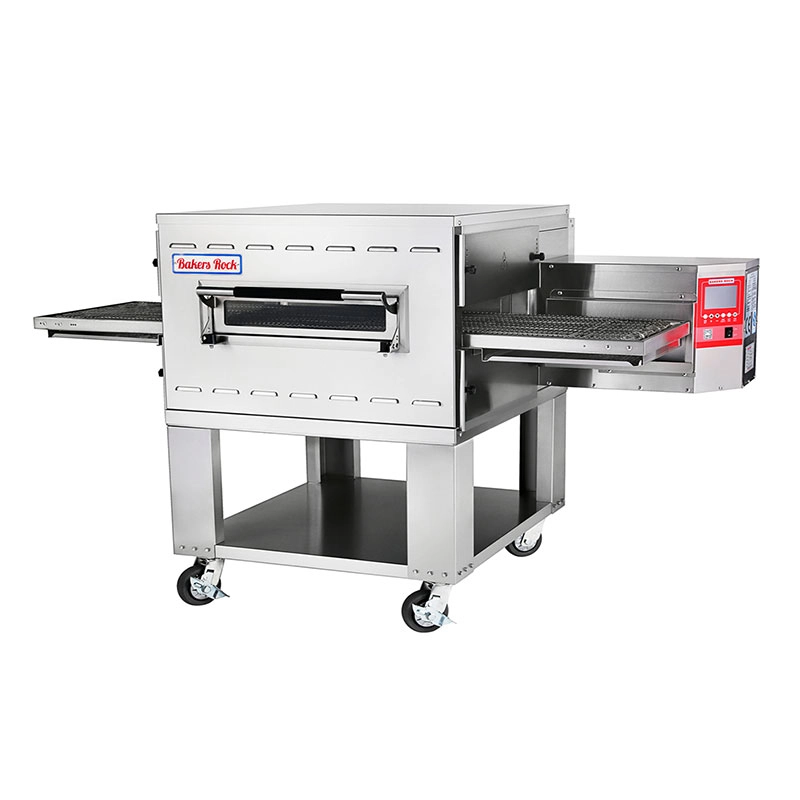
A suitable high-volume conveyor oven should provide enough output without forcing operators to overload the belt or reduce product consistency. If demand estimates are uncertain, the RFQ should request the assumptions behind the supplier’s capacity recommendation.
A single large oven may simplify the production line and reduce the number of control systems, but it can create a single point of failure. Multiple smaller units may provide scheduling flexibility, phased expansion, or partial production during maintenance, although they can require more floor space and duplicated connections.
The decision depends on store layout, demand variability, service strategy, and the consequences of downtime. A chain opening several stores may also prefer a repeatable modular design that can be adjusted for different sales volumes.
The comparison should include not only output but also access for cleaning, replacement access, operator movement, and future capacity needs. A technically large oven is not cost-effective if it creates installation or workflow problems.
The choice between electric, gas/LPG, and stone conveyor oven configurations depends on the site and the product. Electrical capacity, gas availability, ventilation, local codes, exhaust design, fuel storage, and installation responsibility should be confirmed before selecting equipment.
Electric systems may suit locations with adequate electrical infrastructure and a preference for a standardized connection approach. Gas or LPG systems may be considered where fuel availability and kitchen ventilation support them. Stone conveyor ovens may be relevant when the menu requires a particular baking surface or product finish.
The following comparison is a starting framework, not a substitute for model-specific engineering review:
| Evaluation Area | Electric | Gas/LPG | Stone Conveyor |
|---|---|---|---|
| Main site question | Is electrical capacity adequate? | Are fuel, ventilation, and approvals available? | Does the product require a stone baking surface? |
| Standardization focus | Electrical specification and controls | Fuel type, pressure, and exhaust requirements | Stone configuration and cleaning procedure |
| Main risk | Utility mismatch or insufficient capacity | Installation and ventilation complexity | Handling, cleaning, and product compatibility |
| Procurement check | Electrical data and commissioning scope | Fuel requirements and safety documentation | Surface material and application suitability |
A cost-effective oven must match the chain’s actual products. Pizza diameter, crust style, topping moisture, bake time, pan use, and required finish can affect the suitable conveyor design.
An oven intended for a narrow product range may be efficient in a standardized concept but less suitable for stores with broader menus. Before purchasing, the buyer should provide representative product information, target bake conditions, expected hourly volume, and any special requirements for pans, screens, or stone surfaces.
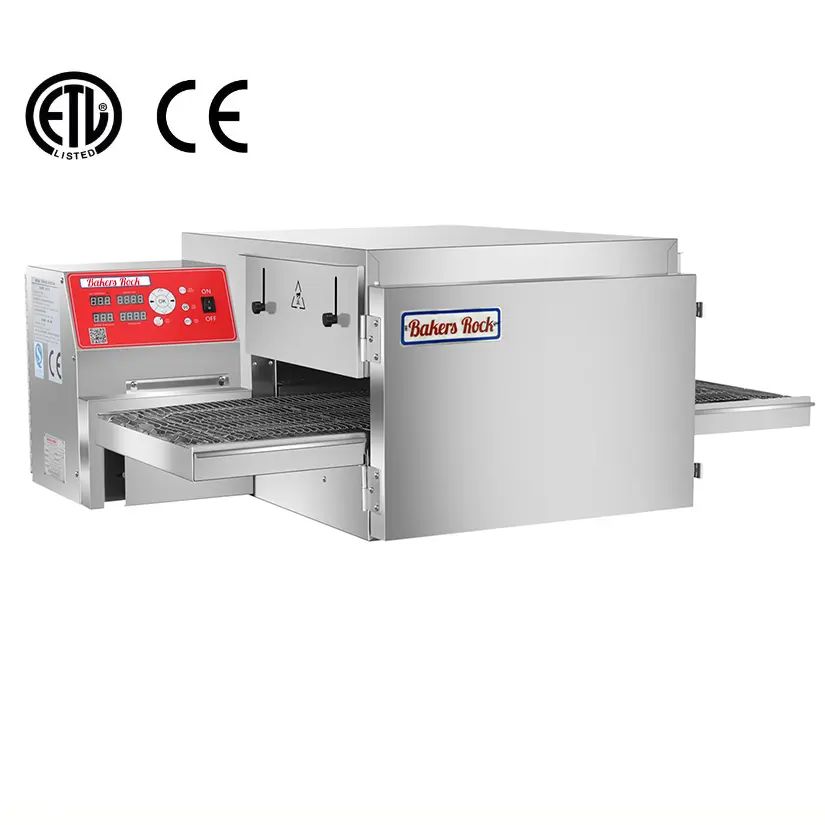
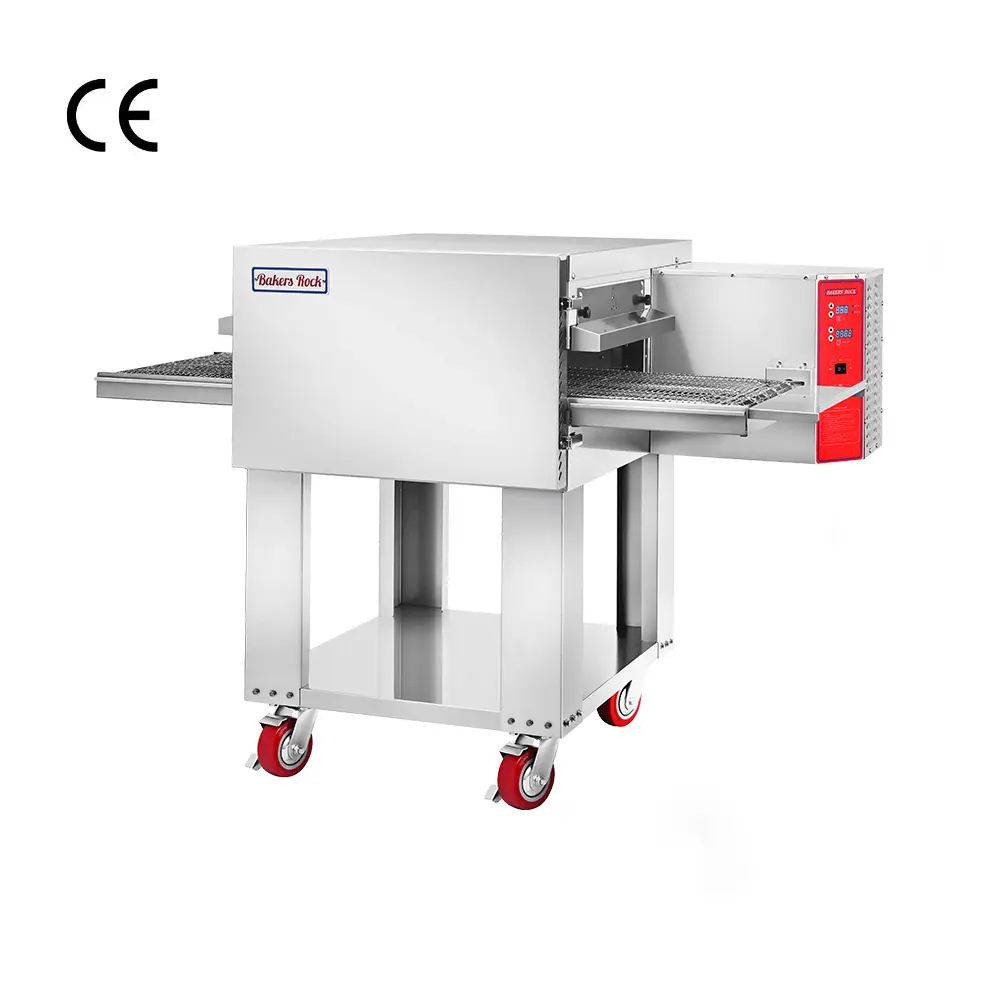
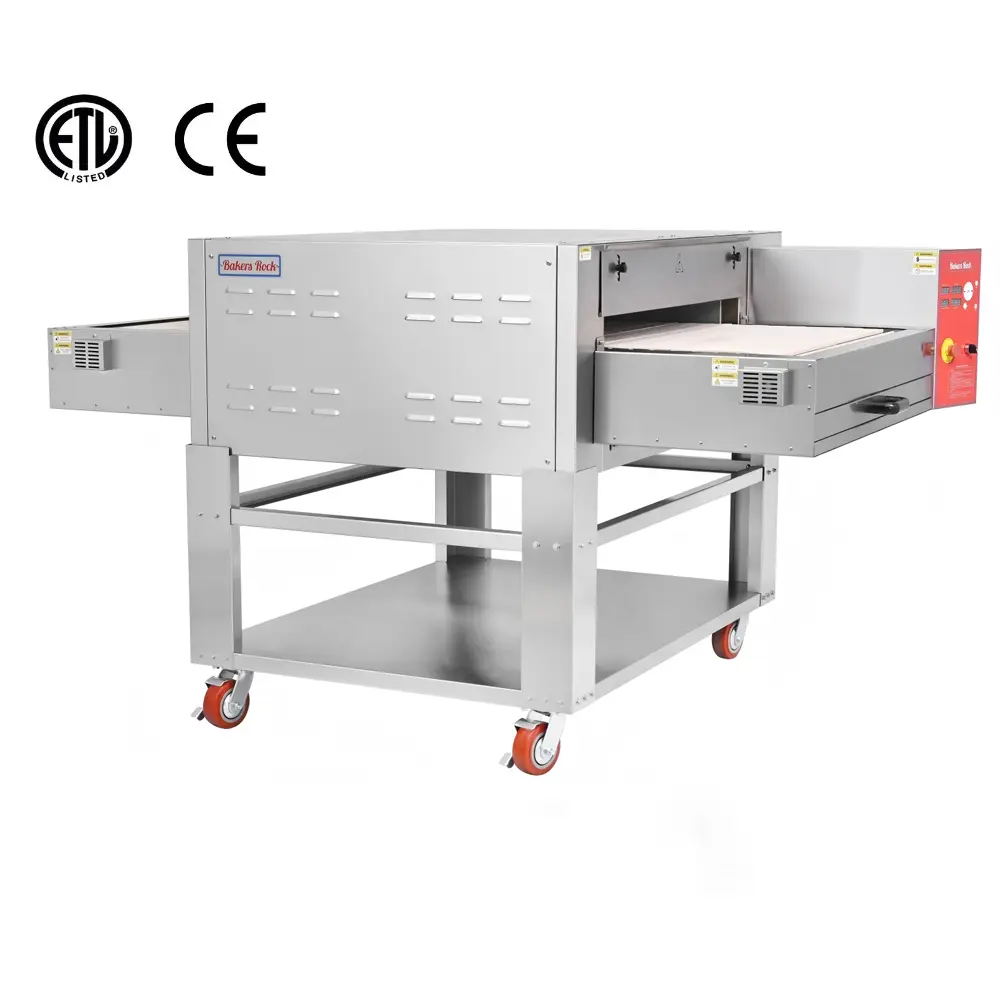
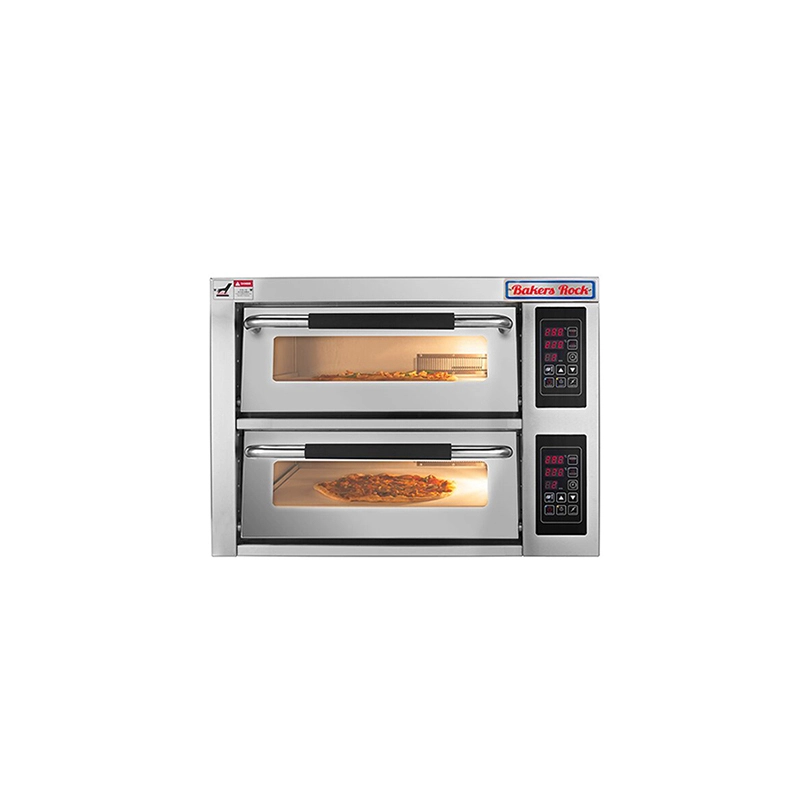
Bakers Rock offers electric conveyor pizza ovens, gas and LPG conveyor ovens, and stone conveyor oven categories. The appropriate configuration still depends on the site, menu, and selected model. Product specifications and application suitability should be confirmed for each project.
A useful RFQ should give every supplier the same information. This makes quotations easier to compare and reduces the risk of receiving recommendations based on different assumptions.
Include:
The quotation should clearly separate equipment, optional accessories, freight, installation support, and after-sales services. Buyers can also ask suppliers to identify information that remains unconfirmed.
For a more detailed supplier review, use the Commercial Conveyor Pizza Oven Manufacturer Audit Checklist when comparing factory capability, documentation, quality control, and support ownership.
Warranty wording should be reviewed together with the spare-parts process and service responsibilities. The buyer should confirm which components are covered, how exclusions are defined, how technical issues are diagnosed, and who coordinates communication after delivery.
For multi-location projects, ask whether the supplier can provide consistent manuals, parts identification, troubleshooting guidance, and training materials. A chain should also establish who holds the service record for each oven and how replacement parts are ordered.
Bakers Rock’s published company information describes pre-shipment inspection, product inspection reports, selected spare parts supplied with equipment, and online voice or video after-sales guidance. The knowledge base also describes potential spare-parts support for non-human-caused component issues under stated conditions. Exact warranty terms, exclusions, and model coverage should be confirmed in the quotation and contract.
Unexpected costs often begin before the oven arrives. A site-readiness review should confirm floor space, access routes, electrical or gas connections, ventilation, exhaust requirements, clearances, and operator access.
The buyer should obtain installation drawings and utility data before final approval. Any difference between the supplier’s assumptions and the actual site should be recorded and resolved in writing. This is particularly important when the same oven configuration is planned for stores in different regions.
A chain-wide rollout should include a basic parts and training plan. Operators need clear procedures for startup, shutdown, cleaning, safe loading, and identifying abnormal operation. Maintenance teams need access to parts lists, service contacts, and troubleshooting information.
Training should be completed before the first production shift, with responsibilities assigned to the store, regional team, installer, and supplier. A small stock of approved wear parts may reduce delays, but the required items depend on the model and operating conditions.
Bakers Rock is the overseas brand of Shanghai QiangAn FoodService Equipment Co., Ltd., a manufacturer established in 2001. Its published product range covers commercial conveyor pizza ovens and bakery equipment, including electric, gas/LPG, and stone conveyor configurations.
The company’s stated application range includes chain pizza restaurants, independent restaurants, cafeterias, food factories, and institutional foodservice. For a chain project, the relevant evaluation should focus on the selected model, required capacity, local utilities, documentation, spare-parts arrangements, and after-sales scope.
A project inquiry should include store count, product details, target output, site conditions, preferred fuel, drawings, and rollout requirements. This gives the supplier enough information to recommend a configuration without relying on generic assumptions.
The most cost-effective commercial pizza oven for a restaurant chain is the one that balances purchase cost with capacity, utilities, maintenance, standardization, and supplier support. A disciplined TCO comparison helps buyers avoid selecting equipment solely on price or headline throughput.
Before requesting a final quotation, prepare the menu data, peak-hour demand, site utilities, footprint, rollout plan, and support requirements. Bakers Rock can review those details across its electric, gas/LPG, and stone conveyor oven categories. A buyer can request a conveyor oven quotation with the required model, dimensions, operating conditions, product information, target quantity, and application details.
The appropriate choice depends on required throughput, menu, utilities, maintenance strategy, and supplier support. Total cost of ownership should be compared instead of equipment price alone.
A conveyor oven may suit high-volume production when its belt width, baking length, speed range, and product requirements match the peak-hour workflow. Capacity assumptions should be verified with actual product data.
There is no universal answer. Utility rates, connection work, ventilation, operating hours, local requirements, and the selected model all affect the result.
Chains can define approved oven configurations, common operating procedures, shared training materials, and a controlled spare-parts list while allowing adjustments for local utilities and store layouts.
An RFQ should include product specifications, peak output, store footprint, utility conditions, installation scope, documentation, spare parts, warranty terms, training, shipping, and rollout requirements.