Nullam dignissim, ante scelerisque the is euismod fermentum odio sem sempre o is erat, a feugiat leo urna eget eros. Duis Enean um risco imperdieto.
Nullam dignissim, ante scelerisque the is euismod fermentum odio sem sempre o is erat, a feugiat leo urna eget eros. Duis Enean um risco imperdieto.
 autor
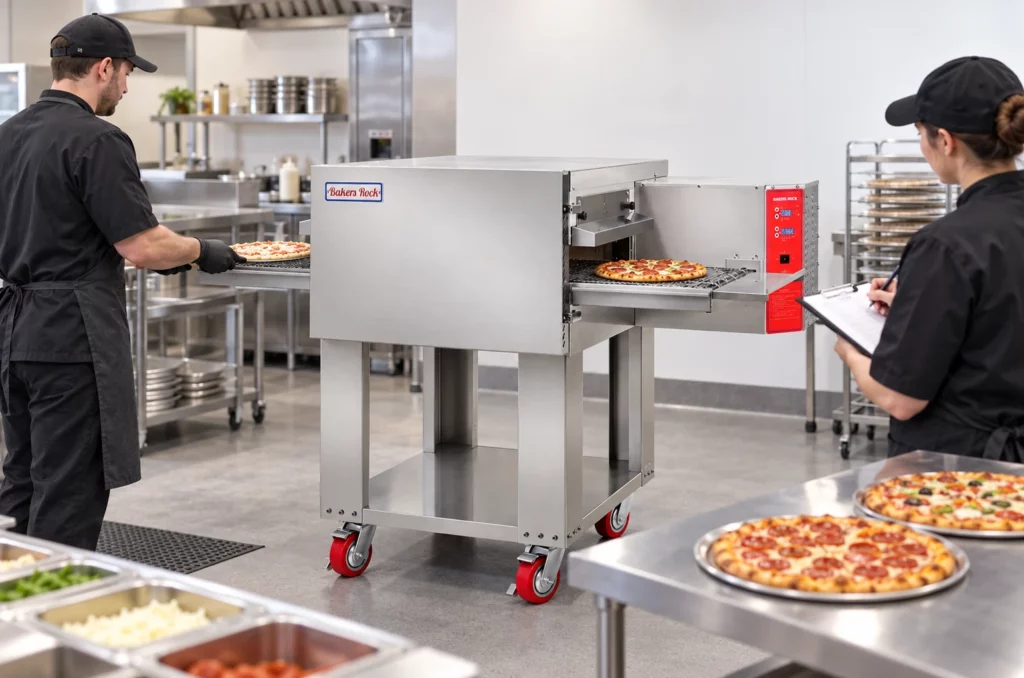
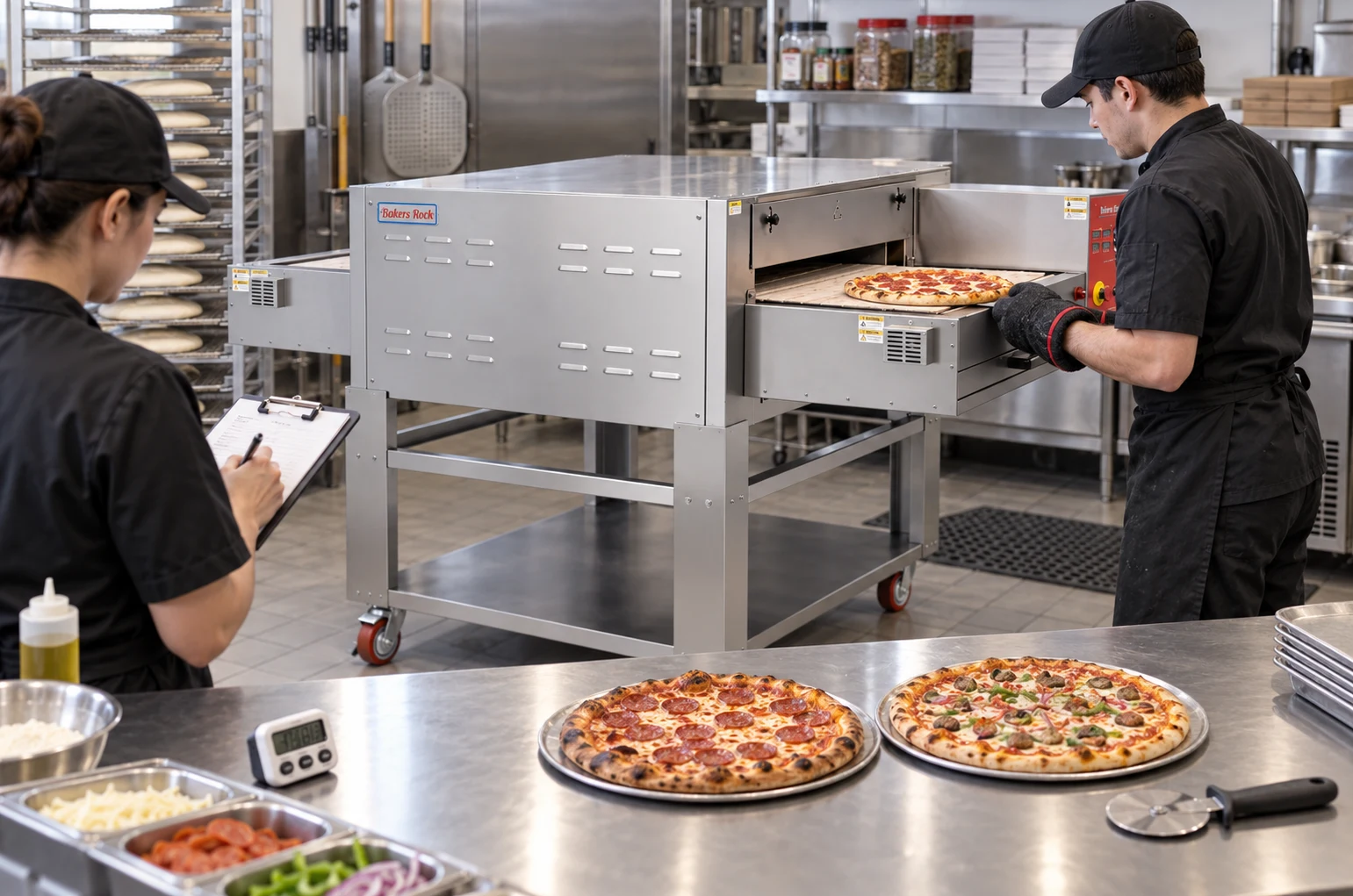
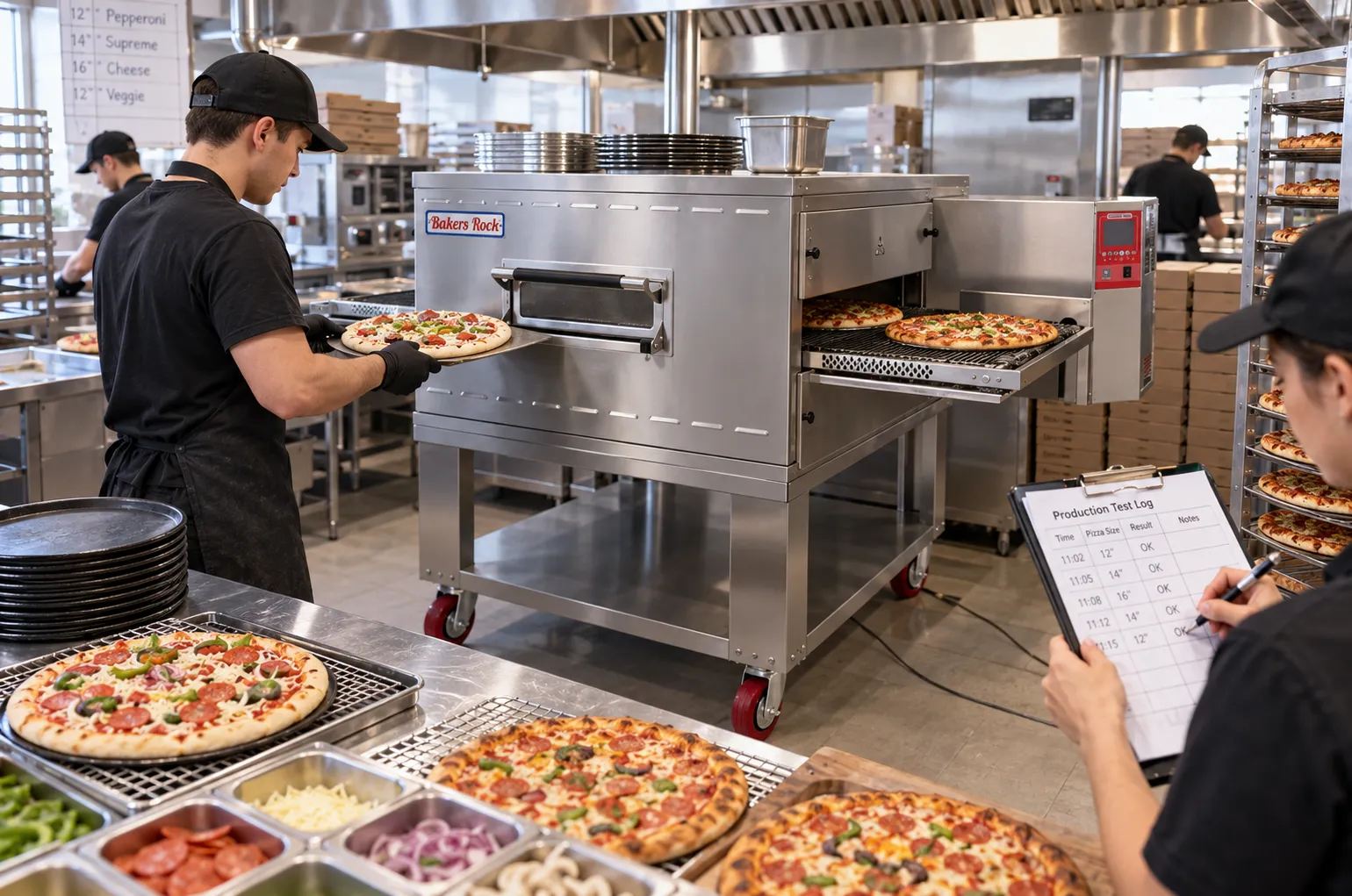
Approve a conveyor pizza oven supplier against a written acceptance protocol using your menu, peak loading pattern, and destination utilities. Conveyor pizza oven acceptance testing should produce signed records of bake quality, recovery, belt operation, installation requirements, cleanability, documentation, and service readiness. A demonstration pizza alone leaves too many conditions untested.
Agree on pass/fail limits before the trial. Name the model, serial number, configuration revision, instruments, sample quantities, witnesses, and person authorized to release the order. Separate shipment release from final operational acceptance in the purchase agreement.
A factory acceptance test checks the ordered configuration before dispatch. Site acceptance repeats critical checks after installation, when utilities, ventilation, and the kitchen layout can affect results. Supplier approval should also define how later production units will be sampled and how configuration changes will be controlled.
Bring the dough, sauce, cheese, toppings, screens, and pans used in the intended stores. Document dough weight and thickness, ingredient starting temperatures, topping quantities, and preparation method. Substitute ingredients can make an attractive trial irrelevant to the chain’s recipe.
Agree on measurable quality criteria before adjusting the oven: base color, center texture, cheese finish, and topping condition. Assess food safety using the chain’s validated procedure and applicable local requirements; surface browning cannot establish that food is safely cooked.
Retain labeled top, underside, and cut-section photographs with the bake settings and sample results. Once the reference bake is approved, hold its recipe and loading conditions constant for the remaining checks. Record each adjustment and repeat the affected samples.
Run the agreed rush pattern long enough to reveal drift after the initial stored heat has been used. Define pizza spacing, loading rate, test duration, and acceptable output in advance. Count pizzas that meet the approved bake criteria, including rejects in the record.
Log the pre-load condition, temperature response during loading, and return to the agreed operating band. Specify measurement locations, suitable calibrated instruments, and the recovery endpoint. The controller display alone does not establish the thermal conditions experienced by every pizza.
Check the first, middle, and final products in the run. A recovering display with progressively pale bases requires investigation. There is no universal conveyor oven temperature recovery limit: the agreed requirement must reflect this recipe, load, measurement method, and oven configuration.
Observe conveyor belt tracking from a safe position during warm operation and under the agreed load, across several complete belt circuits. Look for sideways drift, rubbing, jerky movement, slipping, or product interference at entry and discharge. Record where and under which conditions a problem occurs.
Confirm actual travel time through the defined heated path using a safe method approved by the manufacturer. Compare it with the selected belt setting and repeat at the speeds the menu requires. Belt speed and chamber residence time must use clearly defined measurement points.
Have authorized technicians perform adjustments. Keep guards fitted and avoid reaching into moving equipment. After correction, repeat both the tracking check and the relevant bake test before closing the defect.
Test separate preparation batches within the chain’s permitted ingredient and handling limits. Include representative product variations, such as a heavier topping load or a different approved base. Record those differences so recipe variation can be distinguished from oven variation.
Where belt width permits, compare samples across usable belt positions as well as early and late in the loading sequence. Apply the same acceptance criteria to each sample; an average score can hide a recurring weak position.
For a rollout, agree which production units and shipment batches will be tested. Identify every tested oven by serial number and configuration. A successful prototype establishes a reference, but later units still need the agreed verification. Require written approval before changes to components or settings that could affect the accepted bake.
Check the ordered configuration against its nameplate, technical documents, and actual site supply. For electric impingement ovens, have qualified personnel verify voltage, phase, frequency, protective devices, and current under the specified operating condition. A nominal power rating alone does not establish installation compatibility.
For gas models, verify the approved fuel, regulator arrangement, inlet requirements, and pressure under load against the applicable manual. Check auxiliary electrical needs and ventilation arrangements as well. Natural gas and LPG configurations require their specified components and setup.
If operating consumption is part of approval, measure it over a defined production interval and record acceptable output. Distinguish rated input in kW from electrical energy in kWh; record gas quantities with their measurement basis. Repeat affected performance checks after utility corrections.
After shutdown, cooling, and isolation according to the manual, ask trained store staff to demonstrate the prescribed cleaning routine. Check access to crumb collection, the conveyor, and removable airflow components where fitted. Confirm which tasks belong to operators and which require service personnel.
Use the proposed stacked arrangement and installation clearances when assessing access. Record labor time, tools, removable-part handling, and areas staff cannot reach. A demonstration on an unobstructed single oven may miss the restrictions in the actual kitchen.
Verify correct reassembly, then repeat the prescribed startup and reference bake. Cleaning acceptance should establish that staff can restore the tested operating arrangement without misplaced components or unsafe improvisation. Capture unresolved access problems on the defect list.
Before shipment release, reconcile the model and serial identifiers with the specification, installation instructions, operating and cleaning manuals, wiring information, and illustrated spare-parts list. Confirm document language and revision control for the receiving team.
For Europe, North America, the Middle East, and Southeast Asia, identify the destination country and installation requirements individually. Ask for applicable declarations, listings, test reports, or other required evidence, then verify their scope against the supplied model and configuration. A logo in a brochure is insufficient evidence of local acceptance.
Add the signed test records, open defects, corrective actions, and retest results to the acceptance file. Specify which unresolved items prevent dispatch, installation, or operational release, and who can authorize each decision.
Run a support drill using a genuine technical question and the tested oven’s serial number. Record acknowledgment, technical diagnosis, escalation route, service hours, and coverage across the chain’s time zones. An immediate sales reply does not establish a repair response.
Ask the supplier to identify a relevant replacement part by code and explain stock availability, dispatch arrangements, installation responsibility, and warranty exclusions. Distinguish dispatch time from international transit and local repair time. Put the agreed service commitments in writing.
Bakers Rock’s support offering includes remote voice/video troubleshooting and spare-parts support. For a chain rollout, verify the project-specific coverage, local technician arrangements, and response commitments before approval.
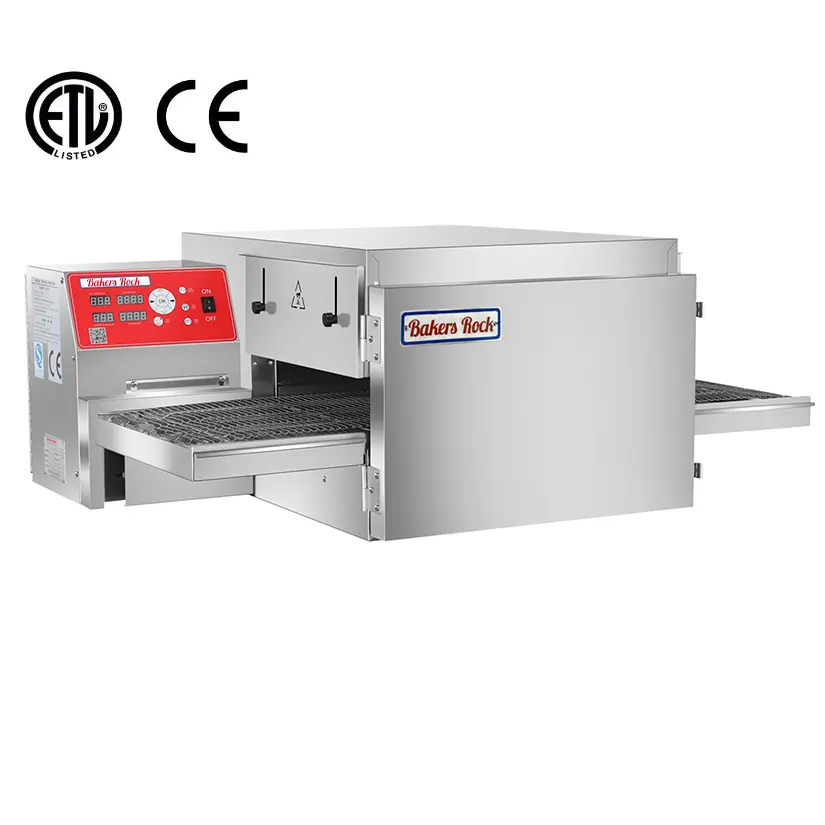
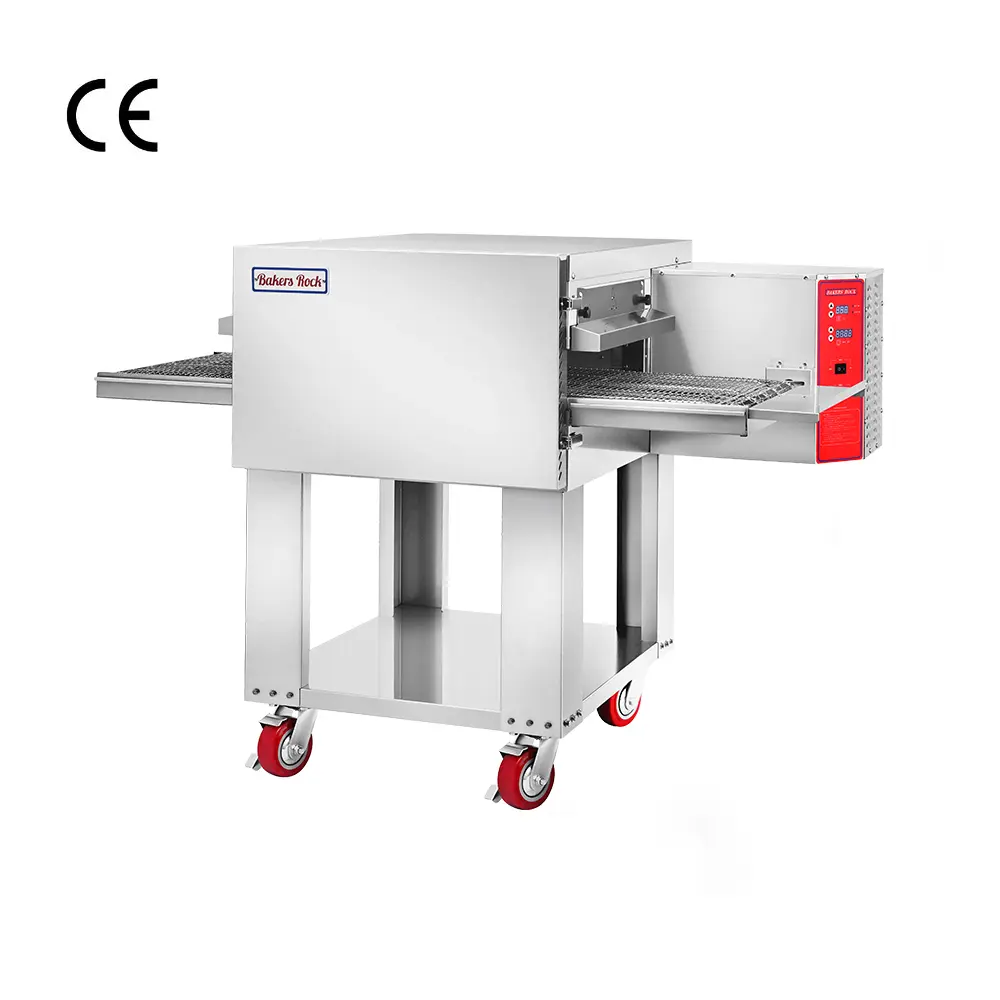
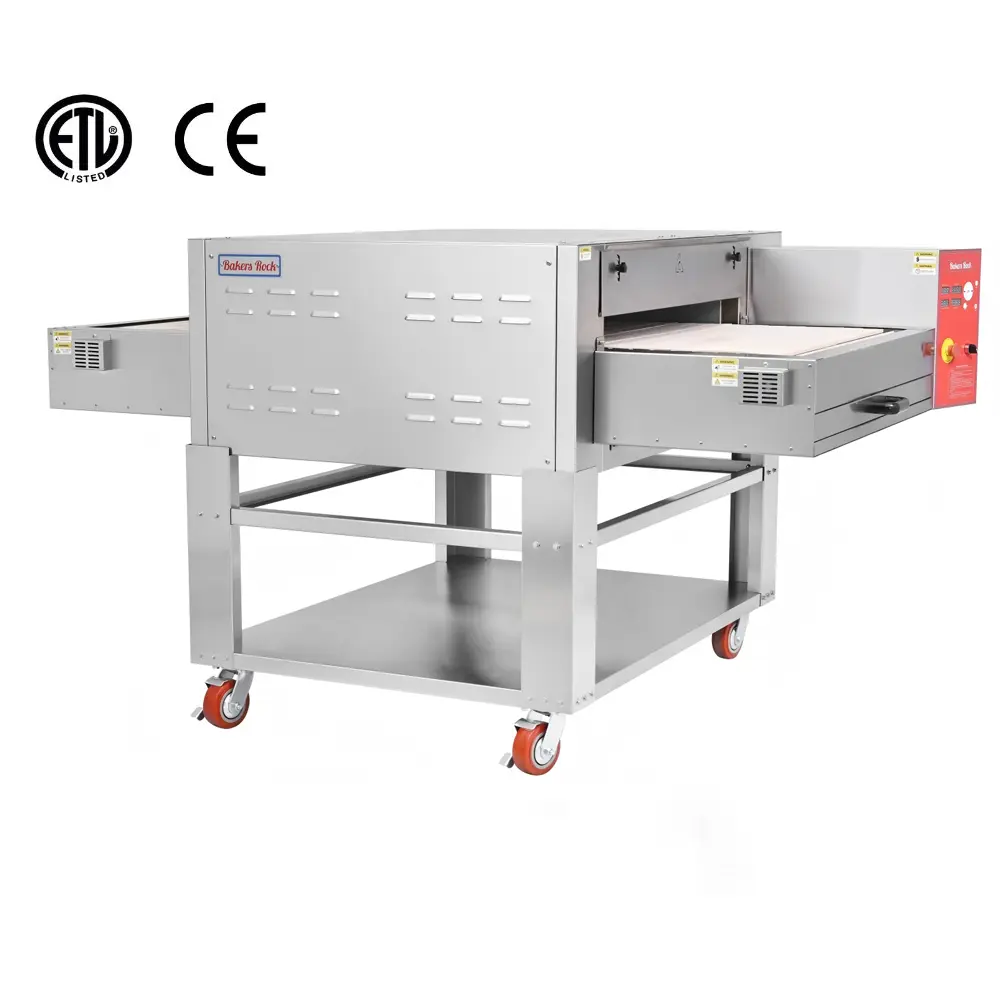
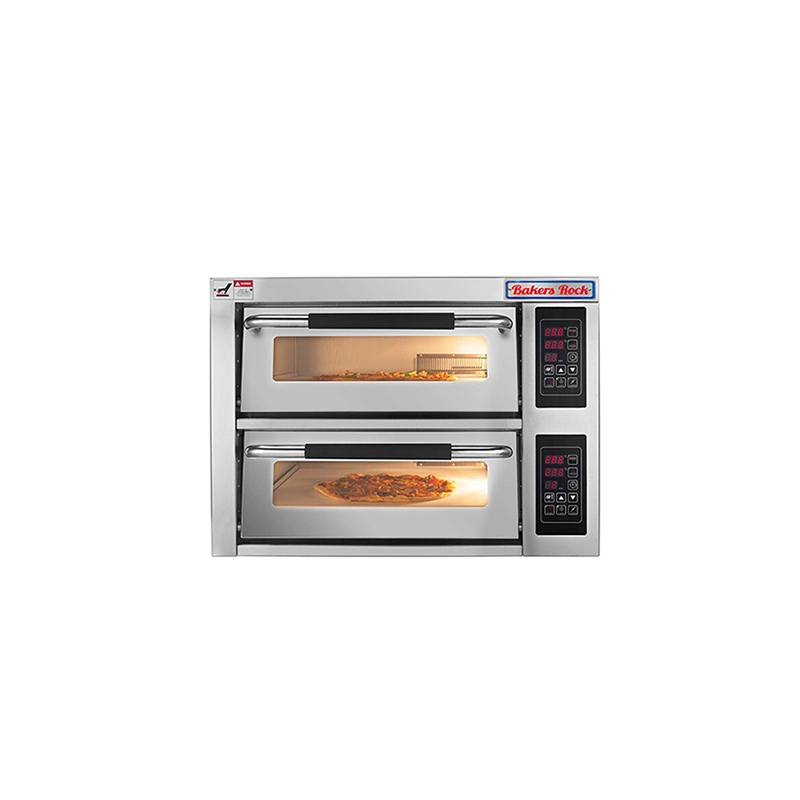
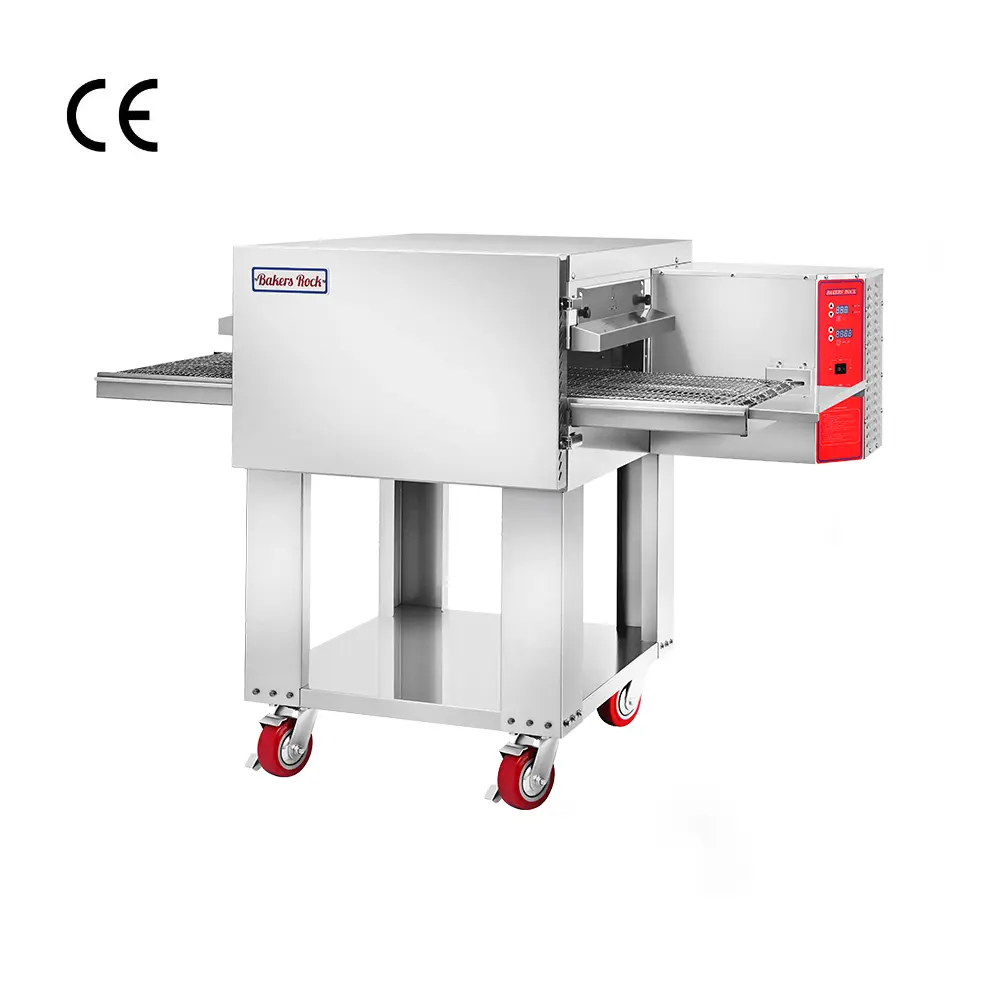
Bakers Rock offers electric and gas conveyor oven ranges. Its H3240 electric conveyor oven e G2028 gas/LPG conveyor oven provide model-specific starting points for a trial request. Select the configuration around the menu, destination utilities, and layout, then confirm the applicable technical schedule before testing.
Attach the acceptance protocol to the RFQ and purchase agreement. Require recorded results for all eight checks, a defect owner and due date, and repeat testing after changes that affect performance. Approve only the documented configuration and agreed production controls. Extend approval to additional stores or markets after their installation conditions have been reviewed.
Supplier approval needs a repeatable bake, verified installation inputs, maintainable equipment, and an executable support arrangement. Use factory records to control shipment release and site testing to confirm operation in the receiving kitchen. Close material defects with evidence before authorizing the rollout.
Site acceptance remains necessary to verify installation-dependent conditions, including supply, ventilation, clearances, and performance with the store’s ingredients and loading pattern.
Set a limit for the agreed recipe and peak load using a defined measurement method. A universal number cannot account for different products, configurations, and utilities.
Apply the release rules agreed before testing. Record the defect, require corrective action, and repeat affected checks. Safety, compliance, and material performance issues should prevent operational approval until resolved.
For a Bakers Rock trial proposal, request a configuration and acceptance review. Include destination countries, rollout quantity, pizza specifications, peak loading, utility details, and the proposed layout so the quotation can address both equipment fit and acceptance evidence.