Nullam dignissim, ante scelerisque - это euismod Fermentum Odio sem semper the is Erat, a feugiat leo urna eget eros. Дуис Энеан непреодолимый риск.
Nullam dignissim, ante scelerisque - это euismod Fermentum Odio sem semper the is Erat, a feugiat leo urna eget eros. Дуис Энеан непреодолимый риск.
 автор
автор
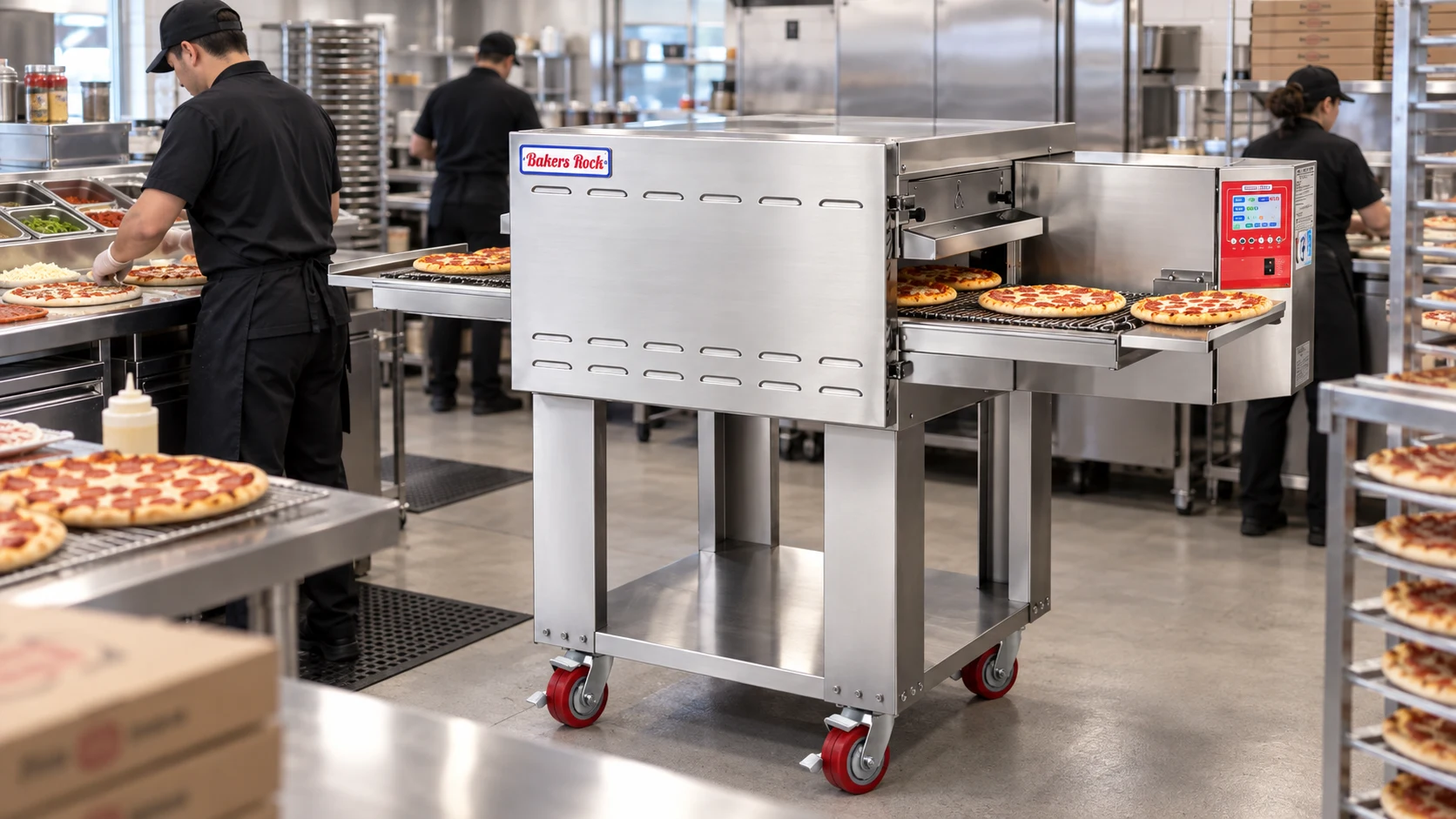
A pizza chain can publish one recipe and still serve different-tasting pizzas from store to store. The gap usually appears in the bake: operators change settings by feel, ovens recover heat differently, and product flow varies during a rush. A commercial conveyor pizza oven turns those variables into process control. With an approved bake profile and loading routine, each location can reproduce the intended crust, cheese melt, and surface color with less dependence on individual chef experience.
The equipment is not a substitute for recipe control. Dough weight, hydration, sauce quantity, topping load, tray or screen choice, and proofing conditions still need a chain standard. The oven provides the repeatable thermal environment that allows that standard to travel from a flagship store to a new outlet in Europe, North America, the Middle East, or Southeast Asia.
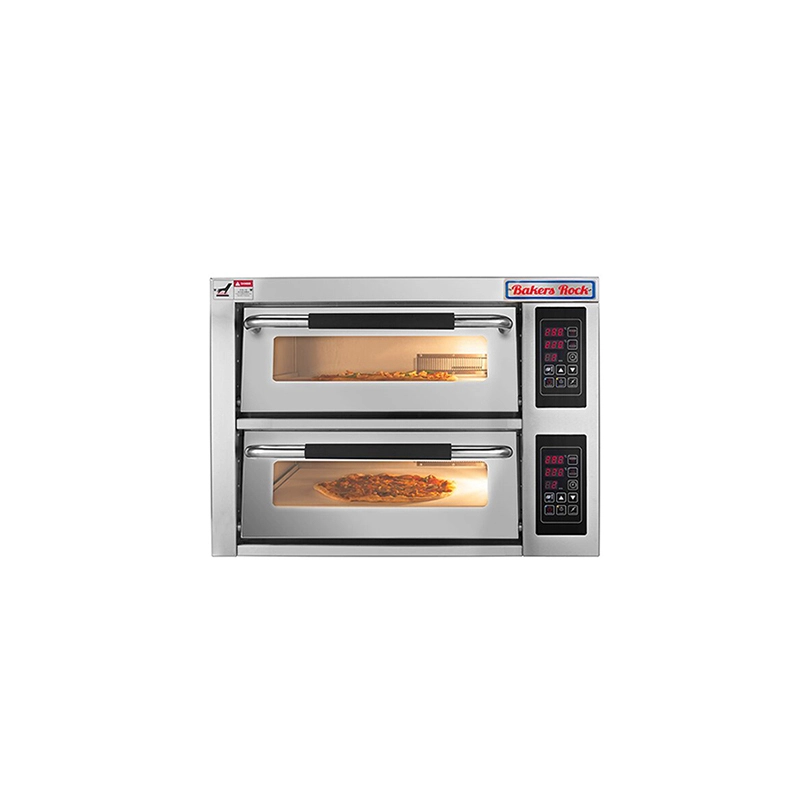
Multi-store inconsistency often comes from small operational differences that accumulate. One store may add more toppings, another may load colder dough, and a third may shorten the bake to clear a queue. A deck oven can also require frequent manual rotation and judgment, making the result sensitive to who is working the shift. Even when the recipe is identical, different heat recovery, belt speeds, or top-to-bottom heat balance can change the finished pizza.
A chain should first define the sensory target in measurable terms: acceptable bake-time window, crust color, underside crispness, center temperature, cheese browning, and tolerance for variation. These checks create a reference product for equipment trials and store audits. The oven choice should then be judged on how clearly it can hold those conditions during both a quiet period and peak production.
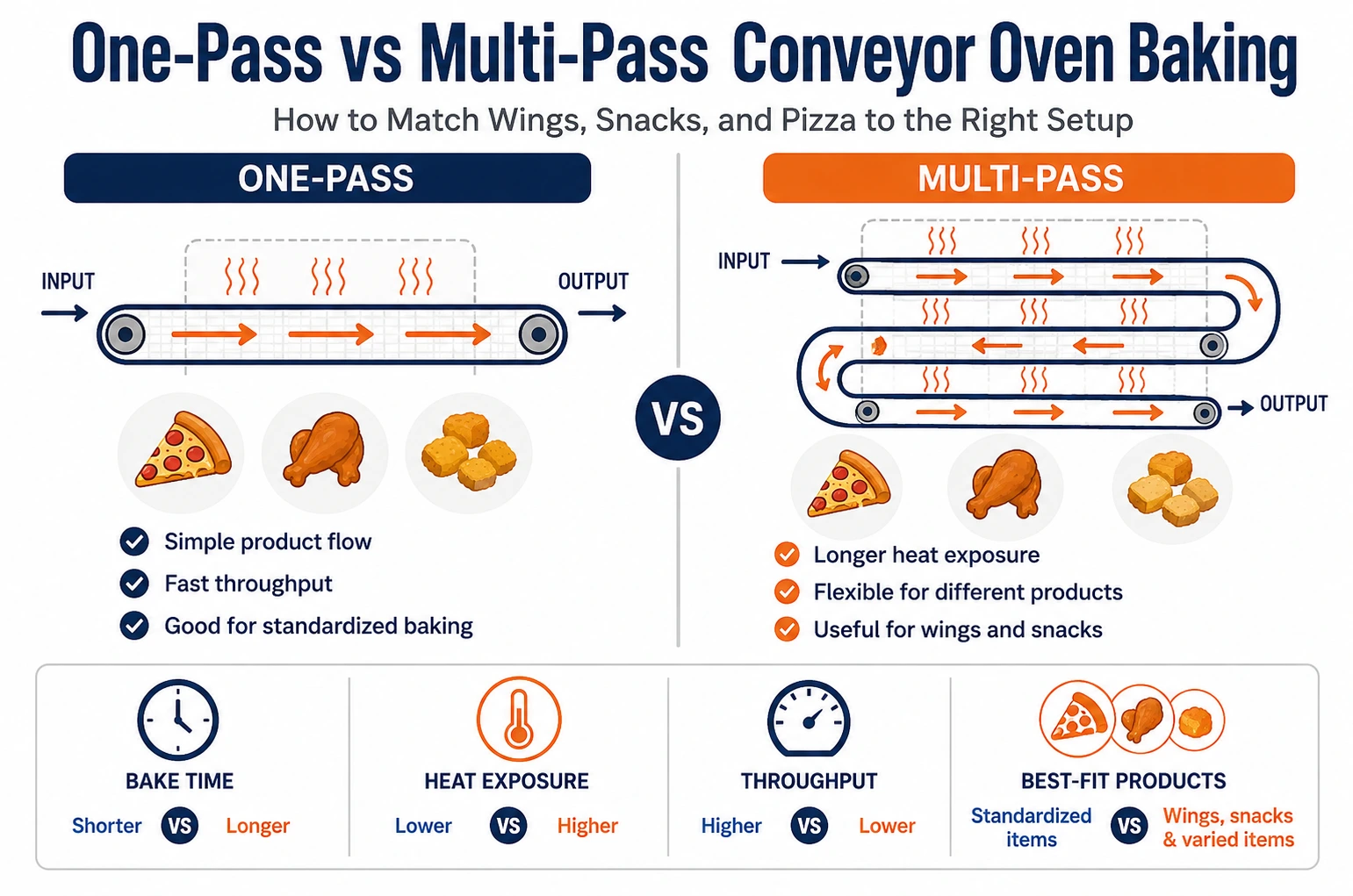
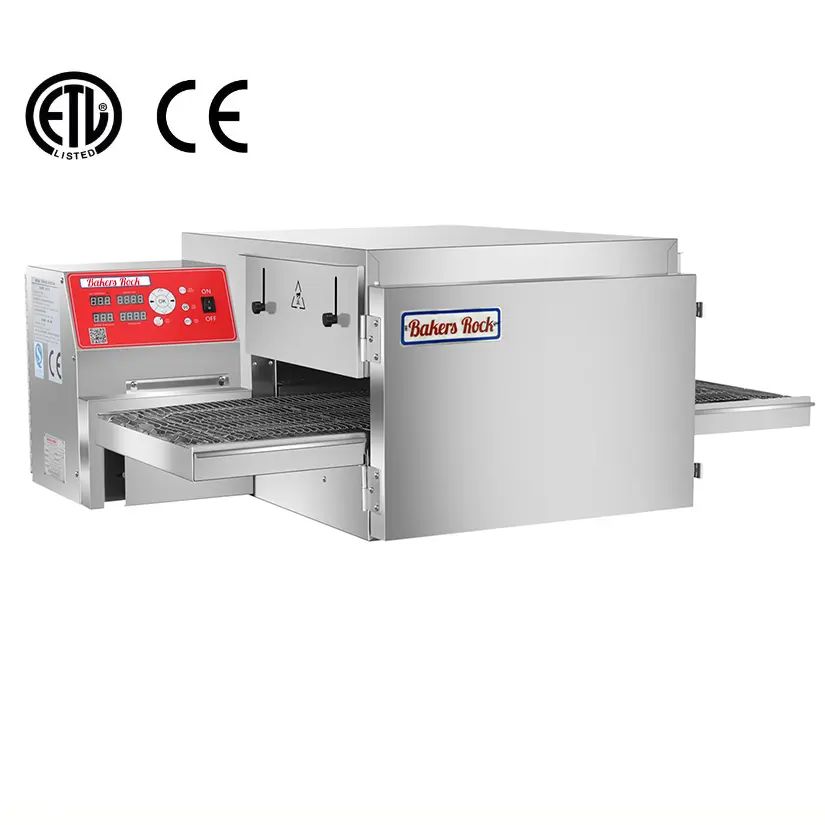
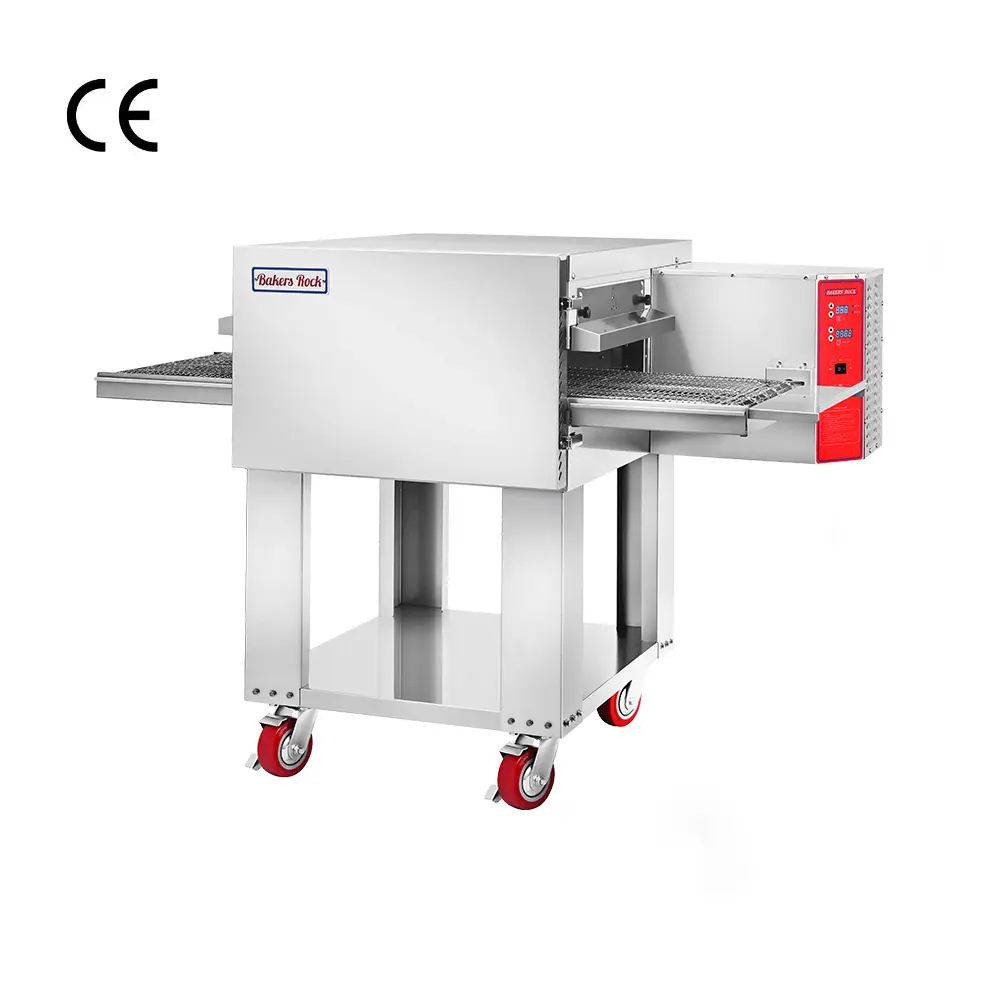
A conveyor system moves each pizza through a heated chamber at a controlled speed. The operator loads at the same entry point, and the product exits after a defined residence time. Digital temperature and time controls reduce manual guesswork, while air-impingement systems direct hot air across the product to support fast, even heat transfer. The result is a process that can be written into a store-level standard operating procedure.
Top and bottom heat should be tuned together. Too much top heat can dry toppings before the base sets; too much bottom heat can darken the crust before the cheese is ready. Models with independent top and bottom temperature control give a chain more room to match different crusts and menu items. Belt speed, inlet height, chamber temperature, and product spacing should be recorded as one approved profile rather than adjusted separately by each store.
The most reliable rollout starts with a controlled pilot. Select representative dough, sauce, toppings, and packaging from the stores that will use the oven. Test the same product at the intended load, then document the settings that produce the target result. A practical profile should include:
• Pizza diameter, dough ball weight, thickness, and proofing window
• Sauce and topping weights, including high-moisture ingredients
• Target chamber temperature and independent top/bottom settings
• Belt speed or bake time, loading position, and spacing
• Visual and physical acceptance checks at the oven exit
Once approved, the profile should be locked in the training material and translated for local teams where necessary. Stores may need different electrical or gas configurations, but the sensory target and operating logic should remain the same. Any site-specific change should go through a short validation bake before the location opens.
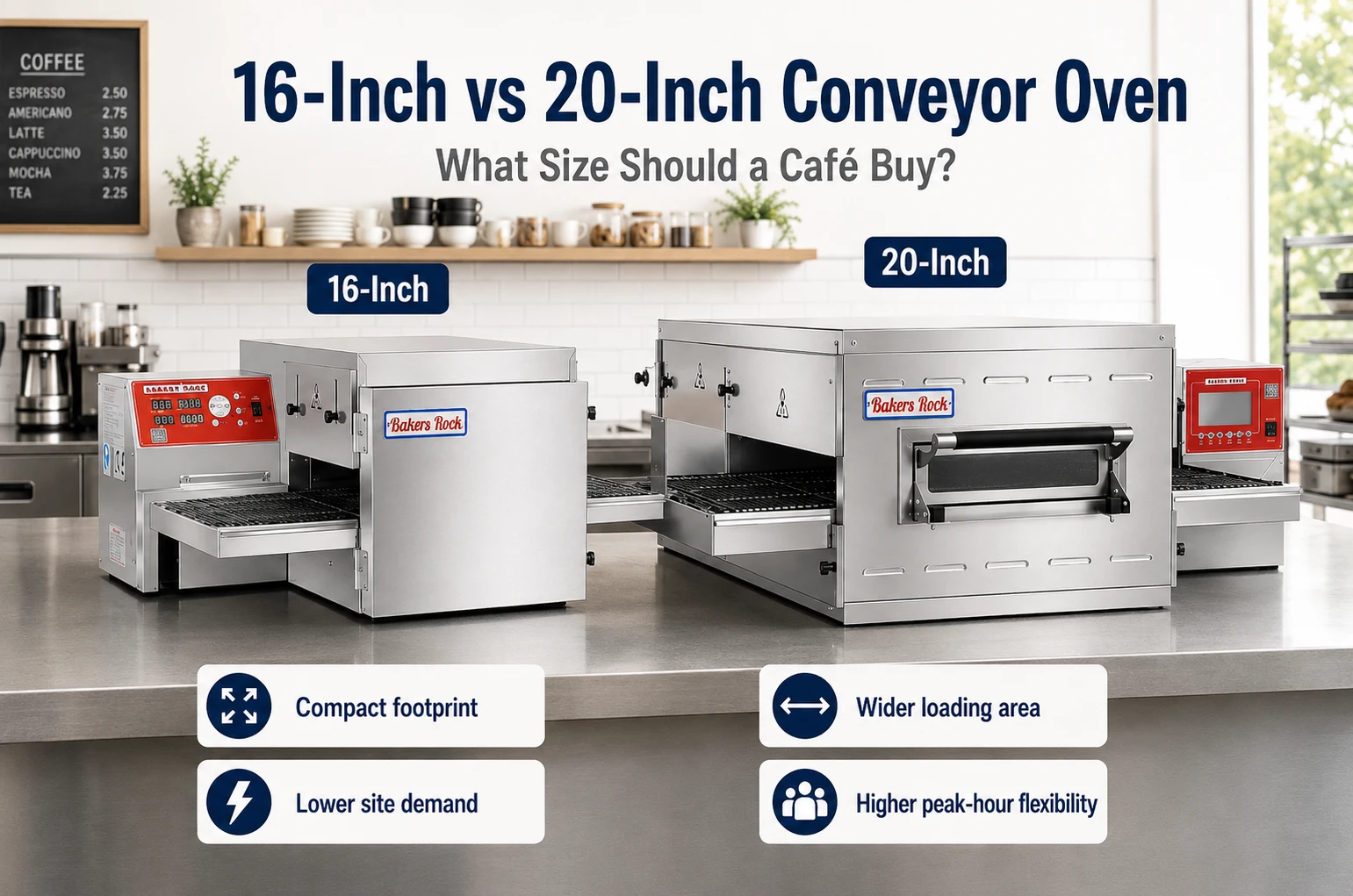
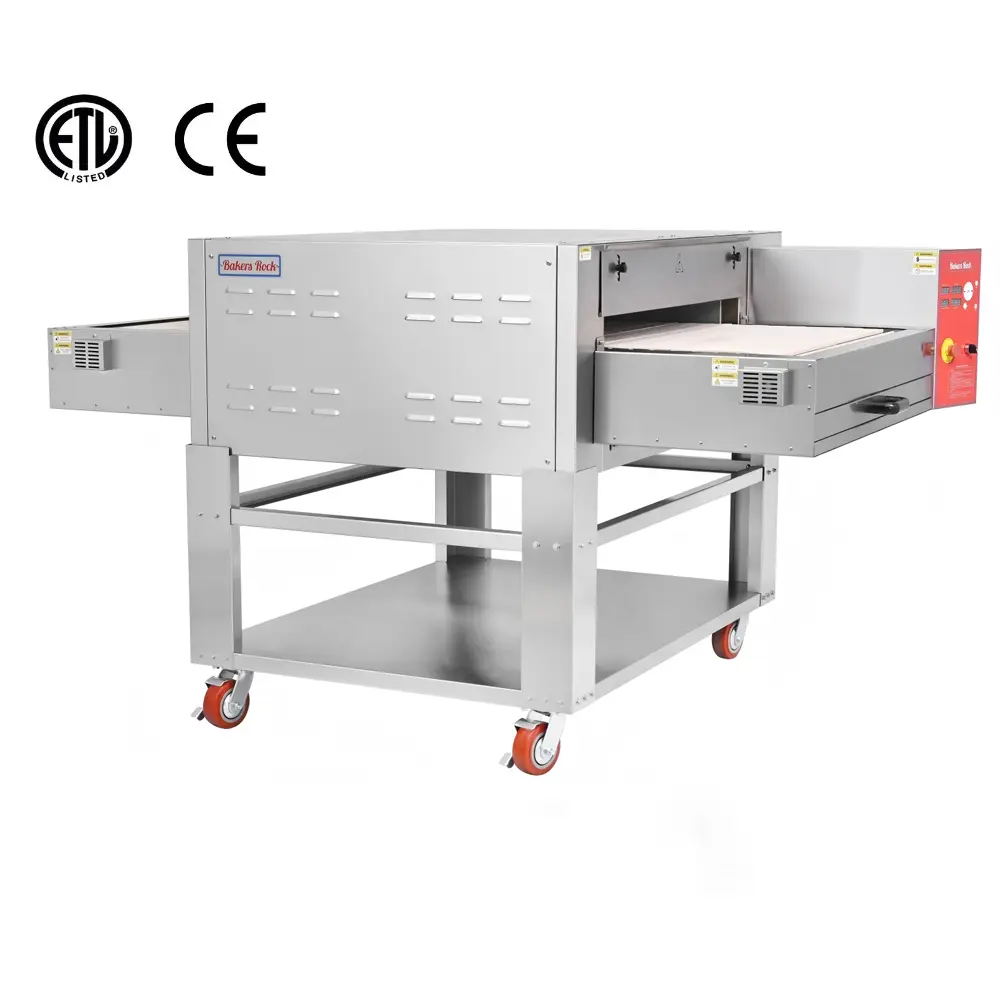
Standardization does not require one identical oven in every building. It requires a controlled family of configurations with known behavior. Compact stores may need a countertop or narrow-belt unit, while high-volume sites may need a wider belt, longer baking chamber, or stackable arrangement. The chain should approve a small number of models and define where each is allowed.
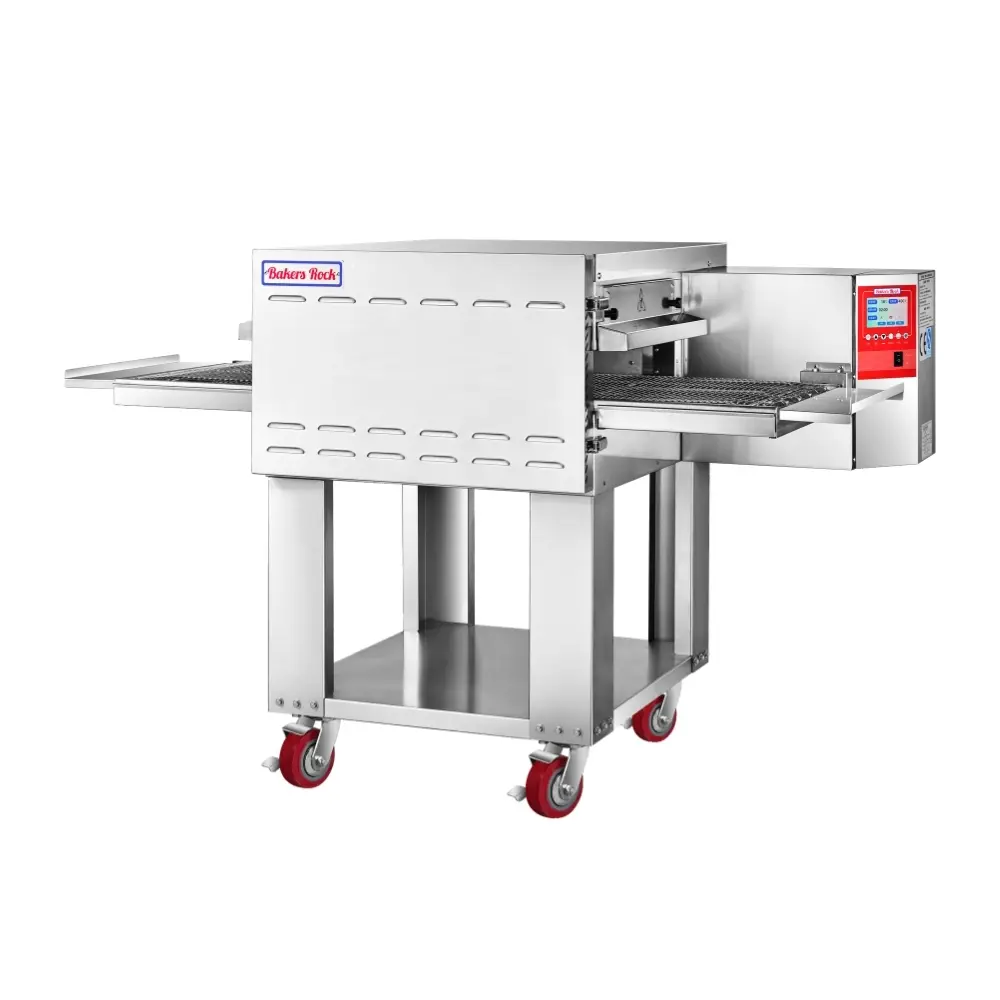
Bakers Rock provides electric impingement, gas/LPG, and stone conveyor categories. Its 18-inch stone belt model is positioned for pizza chains and pizza factories, with a refractory stone belt and a stated maximum temperature of 450°C; the application and utility requirements still need project-level confirmation. For a high-temperature electric option, the 20-inch H2028 page lists a 400°C maximum, adjustable 1.5-20 minute setting time, and triple-stackable design. Review the current specifications in the stone conveyor oven product details and the 20-inch high-temperature conveyor oven before approving a store standard.
The choice between electric, gas/LPG, and stone should follow local infrastructure and the menu. Confirm voltage, phase, fuel pressure, ventilation, exhaust, clearance, and service access with the installer and local authority. A model that performs well in one country may require a different connection or approval pathway in another.
A repeatable machine still needs a repeatable workflow. Train staff to scale dough and toppings, preheat for the same duration, load the belt in the same orientation, and use the approved exit check. Use a simple daily log for temperature, belt speed, product sample, and corrective action. Regional trainers can compare logs across stores and identify drift before it becomes a customer complaint.
During launch, run side-by-side checks at the pilot store and each new location. Repeat them after menu changes, major maintenance, or relocation so drift is found early.
Capacity should be calculated from peak-hour demand, product size, bake time, and spacing rather than an average daily total. A wider belt or stacked configuration may increase output, but only when loading and unloading remain clear. Include order peaks, delivery surges, and the time required for cutting and boxing. The Bakers Rock product range can be used as a starting point for comparing belt widths and configurations; final selection should be checked against the chain’s actual test data.
Utility planning is equally important. Confirm electrical capacity or gas supply, ventilation, exhaust, floor loading, access routes, and local compliance before purchase. Maintenance access should be visible in the layout: removable crumb trays, cleaning clearances, spare heating components, and a documented service route reduce the chance that a small fault becomes a store shutdown. Ask the supplier how parts are identified, how remote troubleshooting works, and which components are wear items.
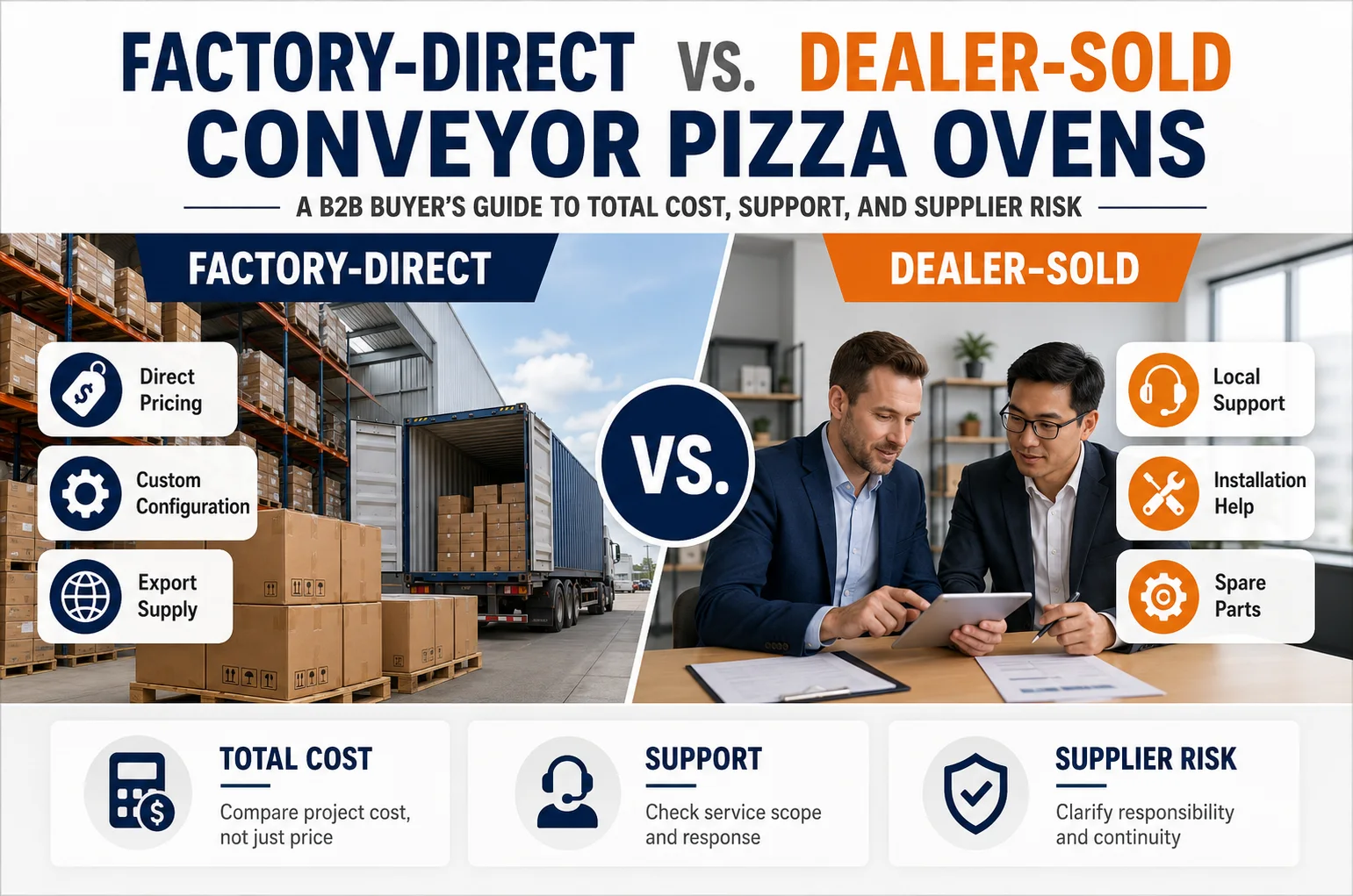
A chain-level RFQ should ask for more than a unit price. Request model-specific drawings, electrical or gas data, capacity assumptions, installation scope, test-bake procedure, training materials, spare-parts list, warranty terms, and service response process. Compare the cost of ownership across the planned number of stores, including freight, commissioning, utilities, cleaning labor, and downtime exposure.
Bakers Rock is the overseas brand of Shanghai QiangAn FoodService Equipment Co., Ltd., a manufacturer founded in 2001 with conveyor oven production, international exports, product testing, online service guidance, and a two-year warranty subject to stated exclusions. Confirm these points in the quotation and contract. For rollout planning, use the technical contact team to submit store count, pizza size, peak pizzas per hour, utilities, and kitchen drawings.
A conveyor pizza oven supports taste standardization when it is treated as part of a controlled operating system. Define the sensory target, validate one bake profile, approve a limited equipment family, train the workflow, and audit the result at peak load. With those controls in place, a pizza chain can expand across regions while keeping the customer experience anchored to the same measurable bake.
Not automatically. Crust thickness, dough hydration, topping load, and desired finish can require different temperature and belt settings. Validate each menu family and document approved profiles.
No. Stone surfaces may suit a specific crust or finish, while an air-impingement belt may fit another menu. Choose the surface and heat-transfer method through product testing and site constraints.
Use a controlled platform rather than an identical unit by default. Store size, utilities, capacity, and local requirements may justify approved variants within one chain standard.
Provide pizza size, dough and topping specifications, peak pizzas per hour, target bake profile, utilities, ventilation, floor space, service access, store quantity, and delivery locations.