Nullam dignissim، ante scelerisque هو euismod vermentum odio دائمًا ما يكون عصرًا، وهو فيوجيات ليو أورنا إيجيت إيروس. دويس اينيان خطر غير صحي.
Nullam dignissim، ante scelerisque هو euismod vermentum odio دائمًا ما يكون عصرًا، وهو فيوجيات ليو أورنا إيجيت إيروس. دويس اينيان خطر غير صحي.
 مؤلف
مؤلف
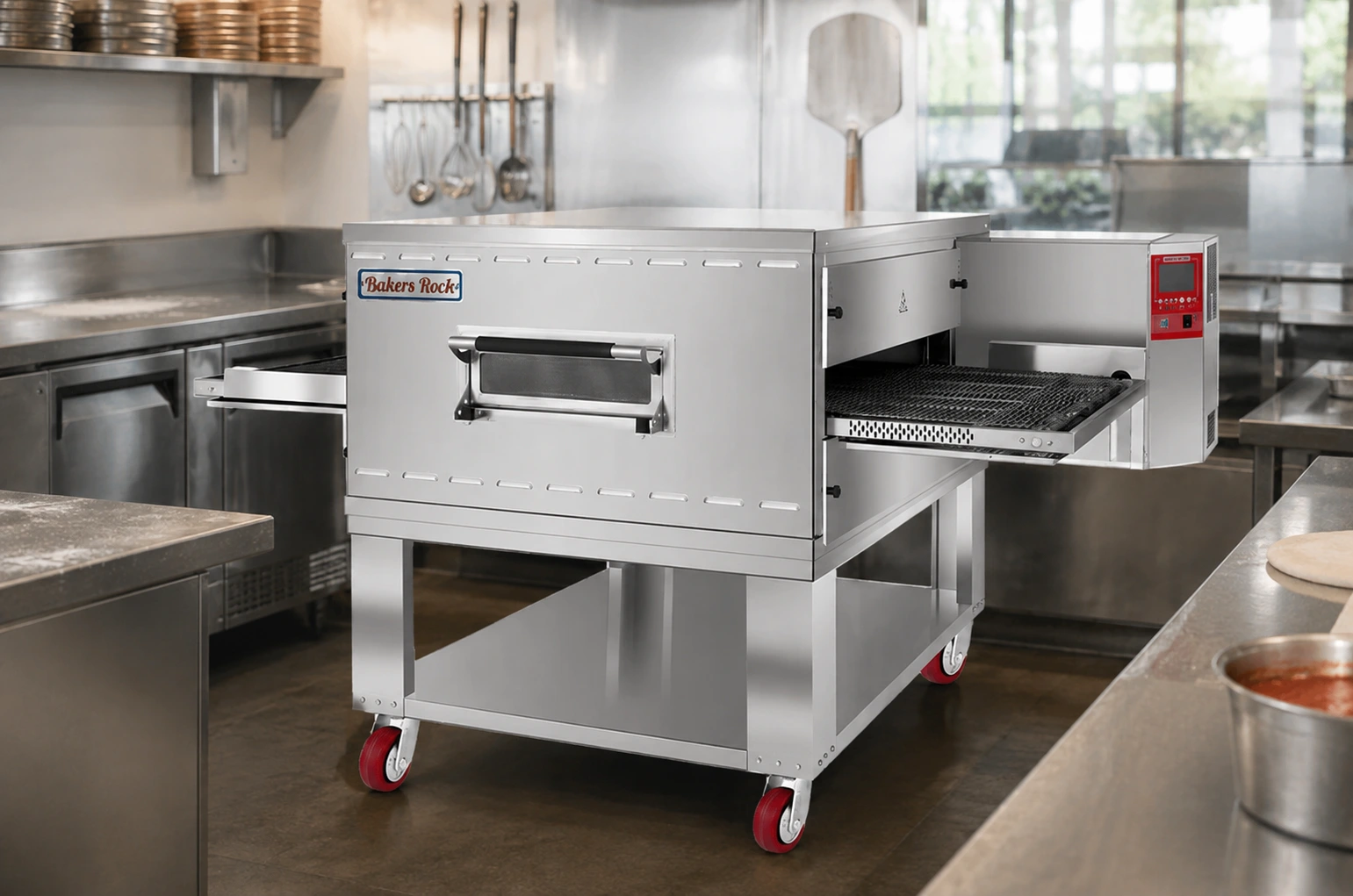
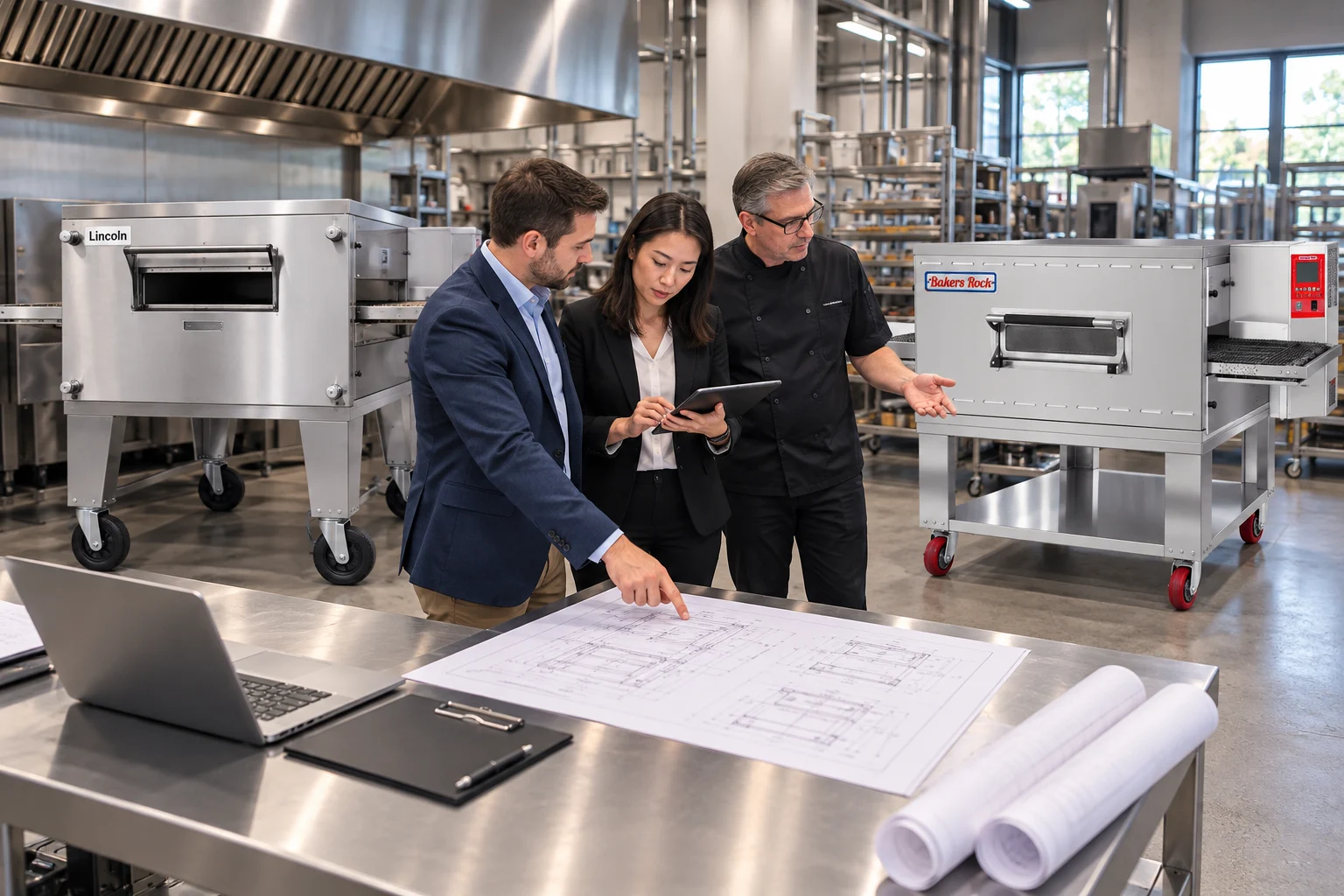
ينبغي اختيار فرن بيتزا تجاري ذي ناقل بناءً على متطلبات التشغيل الفعلية للمطعم، وليس بناءً على أكبر طراز أو أعرض سير ناقل أو الحد الأقصى المعلن لإنتاج البيتزا في الساعة. يؤثر حجم البيتزا، وذروة الطلب، ووقت الخبز، وحالة المنتج، ونمط التحميل، ومساحة المطبخ المتاحة، والمرافق، جميعها على اختيار طراز الفرن القياسي المناسب.
بالنسبة لمحلات البيتزا والمقاهي ومطابخ التوصيل والمطاعم، لا يكمن الهدف عادةً في تصميم عرض ناقل أو طول حجرة مخصصين، بل في مقارنة نماذج الأفران التجارية المتوفرة واختيار التكوين الذي يُلبي احتياجات قائمة الطعام وأوقات الذروة دون فرض متطلبات تركيب أو تشغيل غير ضرورية.
ابدأ بالمنتج وسير العمل في ساعات الذروة، وقارن الأحجام القياسية المتاحة، ثم تحقق من أن النموذج المحدد يناسب كلاً من المطبخ ومعدل الإنتاج المطلوب.
يبدأ اختيار فرن بيتزا تجاري ذي ناقل فعال بالتركيز على فترة الذروة التشغيلية بدلاً من متوسط المبيعات اليومية. قد يبيع المطعم عددًا معقولًا من البيتزا على مدار اليوم، ولكنه قد يواجه مع ذلك ازدحامًا شديدًا خلال أوقات الذروة في الغداء أو العشاء.
سجّل عدد البيتزا المستهدفة في الساعة، ومعدل التشغيل العادي، والنمو المتوقع، وسعة التخزين الكافية. تُشكّل هذه الأرقام أساسًا مشتركًا لمقارنة نماذج الأفران القياسية.
يُعدّ المنتج نفسه عاملاً بالغ الأهمية. حدّد قطر البيتزا، وسُمكها، وحالة العجين، وكمية الإضافات، ونوع الصينية أو الشبكة المستخدمة، ودرجة الحرارة الابتدائية، ووقت الخبز المستهدف، والنتيجة النهائية المقبولة. لا ينبغي افتراض نفس السعة تلقائيًا للبيتزا الطازجة، والمبردة، والمجمدة، وذات الإضافات الكثيرة. يبقى منطق الإنتاج الأصلي مهمًا: يجب تحديد حالة المنتج ومتطلبات التشغيل قبل مقارنة حجم الفرن.
للحصول على تقدير أولي، أ حاسبة سعة فرن البيتزا ذي السيور الناقلة يمكن أن يساعد ذلك في ربط قطر البيتزا، ووقت الخبز، وعرض الحزام القابل للاستخدام، ونمط التحميل، وعدد الأكوام قبل أن يبدأ المشتري بمقارنة نماذج تجارية محددة. وبالمثل، تركز إرشادات الطاقة الإنتاجية الحالية لشركة Bakers Rock على ذروة الطلب، وقطر البيتزا، ووقت الخبز، وظروف الموقع بدلاً من الاعتماد على ملصقات المطاعم فقط.
لا يكون رقم السعة المنشور مفيدًا إلا عندما تشبه ظروفه الأساسية قائمة الطعام الحقيقية للمطعم وسير العمل فيه.
قد لا يكون الرقم المُستند إلى بيتزا أصغر حجمًا، أو إضافات أقل، أو وقت خبز أقصر، أو تحميل مُحكم، قابلاً للتكرار مع منتج أكبر حجمًا، أو أبرد، أو يحتوي على إضافات أكثر. كما أن المطابخ الحقيقية تعاني من فجوات في التحضير، وتدفق غير منتظم للطلبات، وتأخيرات في التفريغ، وتغييرات في الوصفات، ومنتجات مرفوضة أحيانًا. وقد حددت المقالة الأصلية هذه الأسباب بشكل صحيح كأسباب لاختلاف الإنتاج الاسمي عن الإنتاج الفعلي.
عندما يبدو الإنتاج الفعلي منخفضًا جدًا، حدد أولًا سبب المشكلة. قد يشير سير النقل الذي يعمل فارغًا بشكل متكرر إلى مشكلة في التحضير أو التحميل، وليس إلى عدم كفاية سعة الفرن. أما سير النقل الممتلئ الذي ينتج عنه قشور باهتة اللون، أو لبّ بارد، أو طبقات غير متناسقة، فقد يشير إلى أن برنامج الخبز المُختار أو سعة الفرن المتاحة لا تتناسب مع المنتج.
يمنع هذا التمييز المطعم من شراء نموذج أكبر عندما يكون القيد الحقيقي في مكان آخر في المطبخ.
ينبغي مقارنة أفران النقل التجارية من حيث مساحة الخبز القابلة للاستخدام وتصميم المنتج، وليس من حيث الأبعاد الخارجية فقط.
يؤثر عرض الحزام على عدد البيتزا التي يمكن نقلها جنبًا إلى جنب. وتحدد حجرة التسخين ووقت النقل المدة التي تبقى فيها هذه المنتجات داخل بيئة الخبز المُتحكم بها. لا يزال يتعين تقييم هذه العوامل معًا، ولكن الهدف هو الاختيار من بين النماذج المتاحة بدلًا من تحديد حزام أو حجرة مصممة خصيصًا. تبقى العلاقة المذكورة في المقالة الأصلية بين العرض القابل للاستخدام، ومساحة الحجرة، وحجم المنتج صالحة لاختيار النموذج القياسي.
لا ينبغي اعتبار عرض الحزام الاسمي عرضًا مناسبًا للاستخدام في تحضير البيتزا. فالصواني، والشبكات، وبروز المنتج، وحافة المنتج، والمسافة بين المنتجات، كلها عوامل قد تقلل من المساحة المتاحة للتحميل العملي.
على سبيل المثال، لا يُفترض أن تتسع بيتزتان جنبًا إلى جنب إلا إذا كان تصميم المطعم وطريقة تحميلهما يسمحان بالمساحة المطلوبة. وللمقارنة، يُفضل استخدام قطر البيتزا الفعلي في المطعم، وعند الاقتضاء، استخدام صينية أو شبكة البيتزا الفعلية.
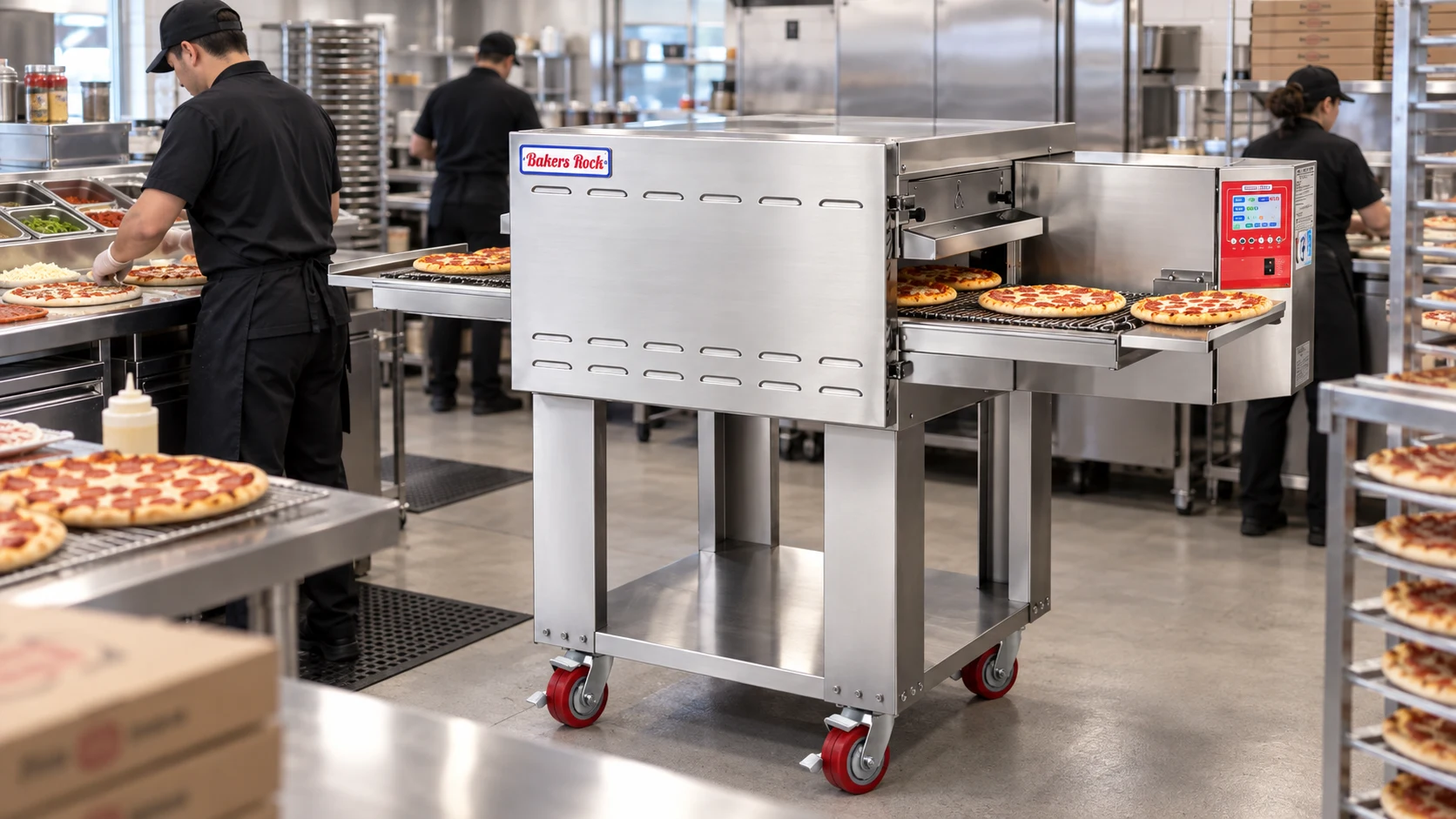
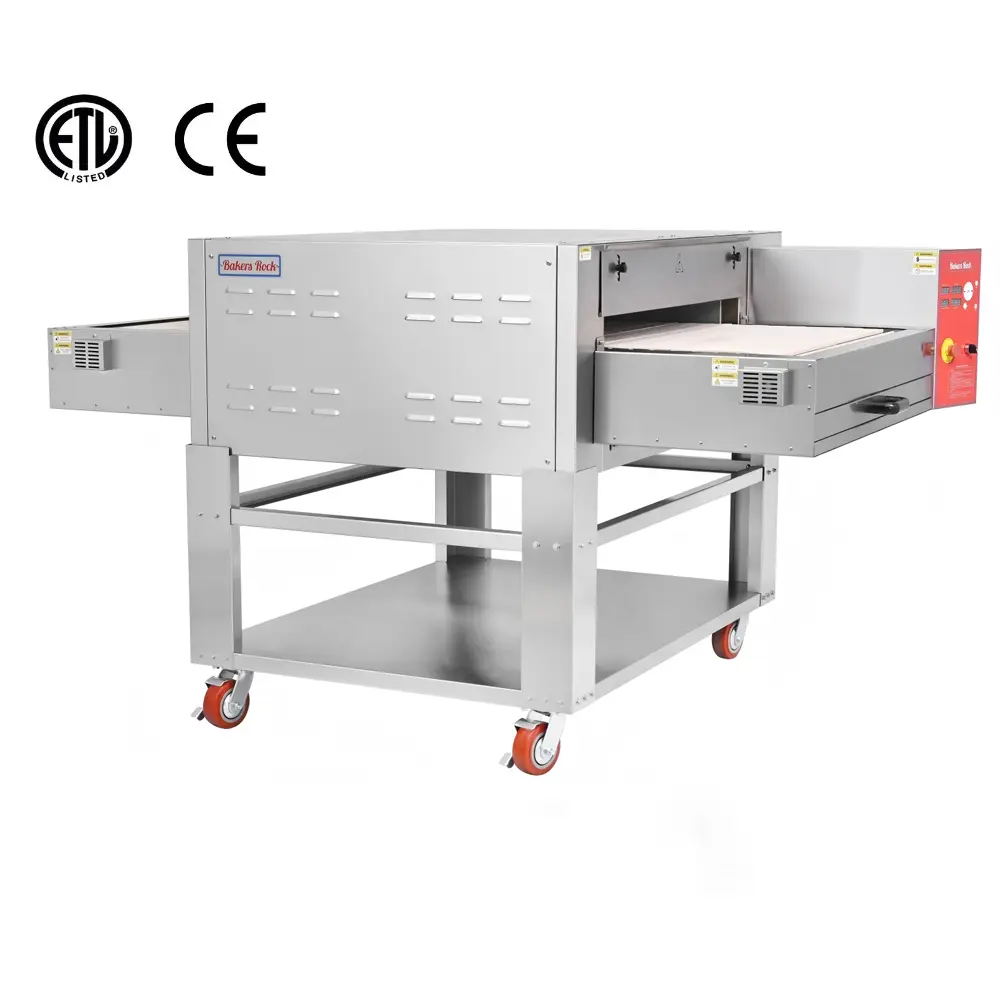
بيكرز روك فرن ناقل عالي السعة مقاس 32 بوصة يُقدّم هذا المثال نموذجًا عمليًا قياسيًا. تبلغ مساحة التسخين المنشورة 32 × 40 بوصة، وتُشير معلومات المنتج إلى إمكانية تحميل بيتزا بحجم 2 × 15 بوصة. ينبغي اعتبار ذلك مرجعًا خاصًا بهذا النموذج وليس قاعدة عامة لجميع أفران النقل ذات 32 بوصة.
بالنسبة للمقاهي ومتاجر البيتزا الصغيرة، قد لا يُحقق السير المتحرك العريض فائدة عملية تُذكر إذا كان المنتج يتحرك بشكل فردي. في هذه الحالة، قد يكون السير المتحرك الذي يُوضع على سطح الطاولة أنسب للمساحة المتاحة ومتطلبات الإنتاج.
تؤدي زيادة سرعة سير النقل إلى تقليل مدة بقاء البيتزا في حجرة الخبز. ولا يُحقق ذلك إنتاجية إضافية مفيدة إلا إذا كان المنتج النهائي لا يزال يفي بالمتطلبات من حيث لون القشرة، وحالة المركز، ومستوى الرطوبة، وجودة الطبقة العلوية.
إن ضبط سرعة سير النقل بشكل أسرع ينتج بيتزا غير مقبولة لا يزيد من الطاقة الاستيعابية للمطعم.
عند مقارنة الطرازات الحالية، تحقق من نطاق وقت الخبز القابل للتعديل ونطاق درجة الحرارة المنشورين في القائمة. تتوفر طرازات Bakers Rock الكهربائية القياسية المختلفة التي تعمل بنظام الدفع بالنفث بأحجام أحزمة وأبعاد حجرة وقدرات إنتاجية متنوعة، بما في ذلك طرازات سطح الطاولة وتكوينات ذات سعة أكبر.
لذا ينبغي على المطعم أن يسأل:
تُعد هذه الأسئلة أكثر فائدة من السؤال عما إذا كان بإمكان الشركة المصنعة تغيير أبعاد الفرن لمشروع واحد.
بمجرد تحديد المنتج وذروة الطلب، يمكن للمشتري مقارنة التكوينات التي توضع على سطح الطاولة، والتكوينات ذات السعة الأكبر، والتكوينات القابلة للتكديس.
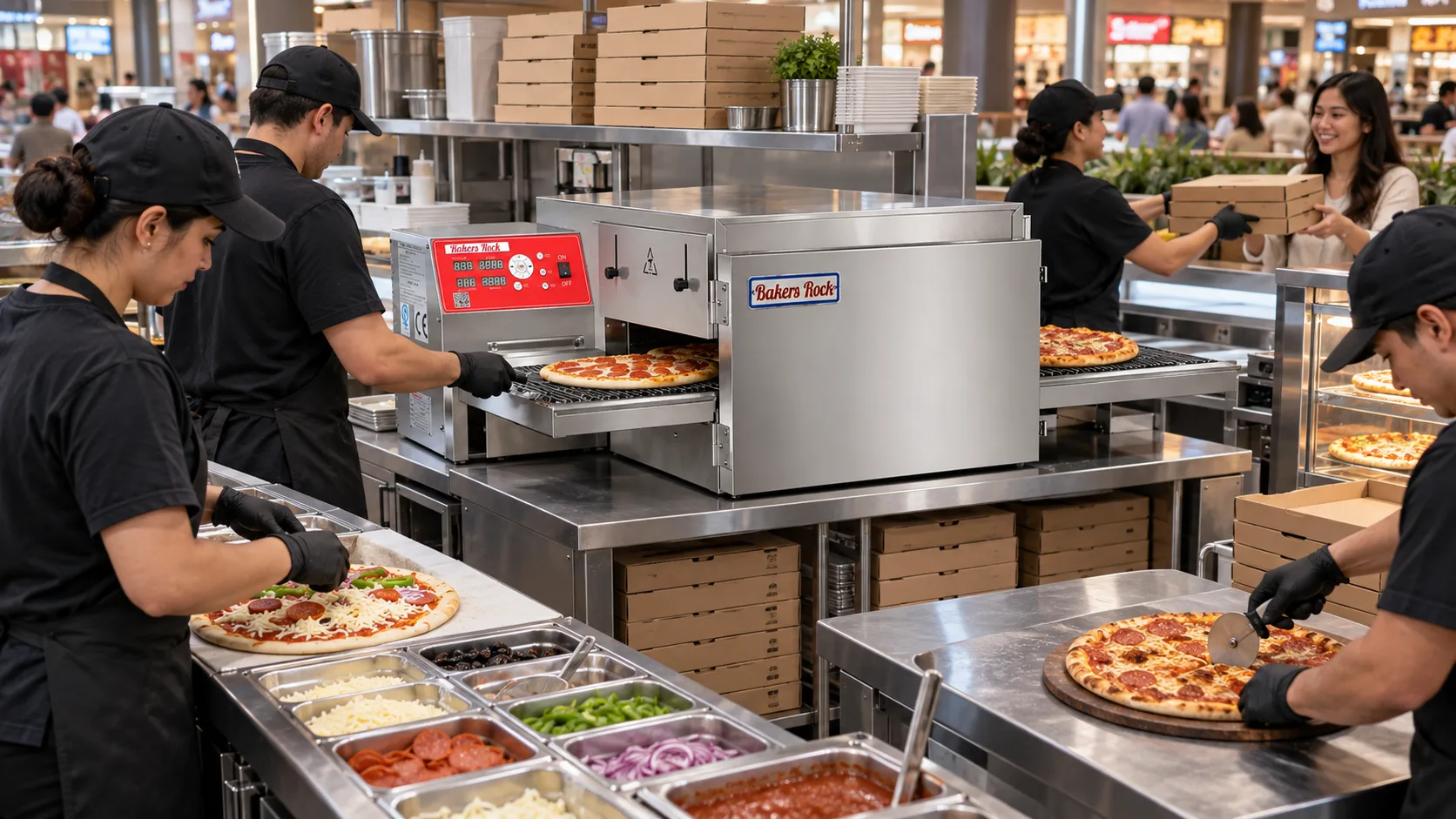
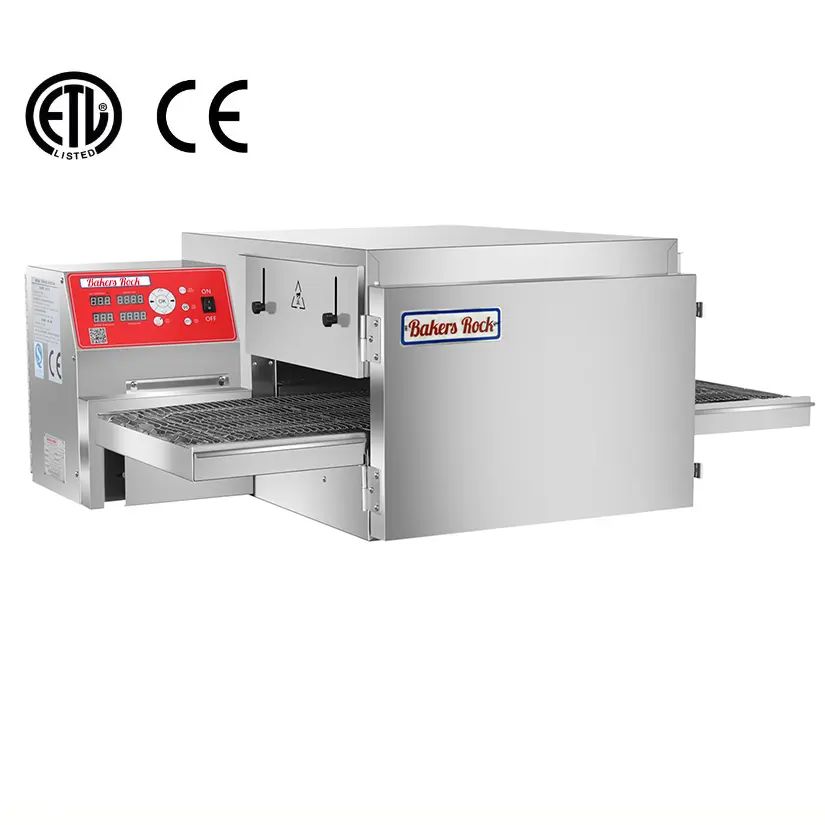
يمكن أن يكون فرن النقل الذي يوضع على سطح الطاولة نقطة انطلاق عملية لمقهى أو مطعم بيتزا صغير أو محل توصيل أو محل وجبات خفيفة أو مطعم ذي مساحة مطبخ محدودة.
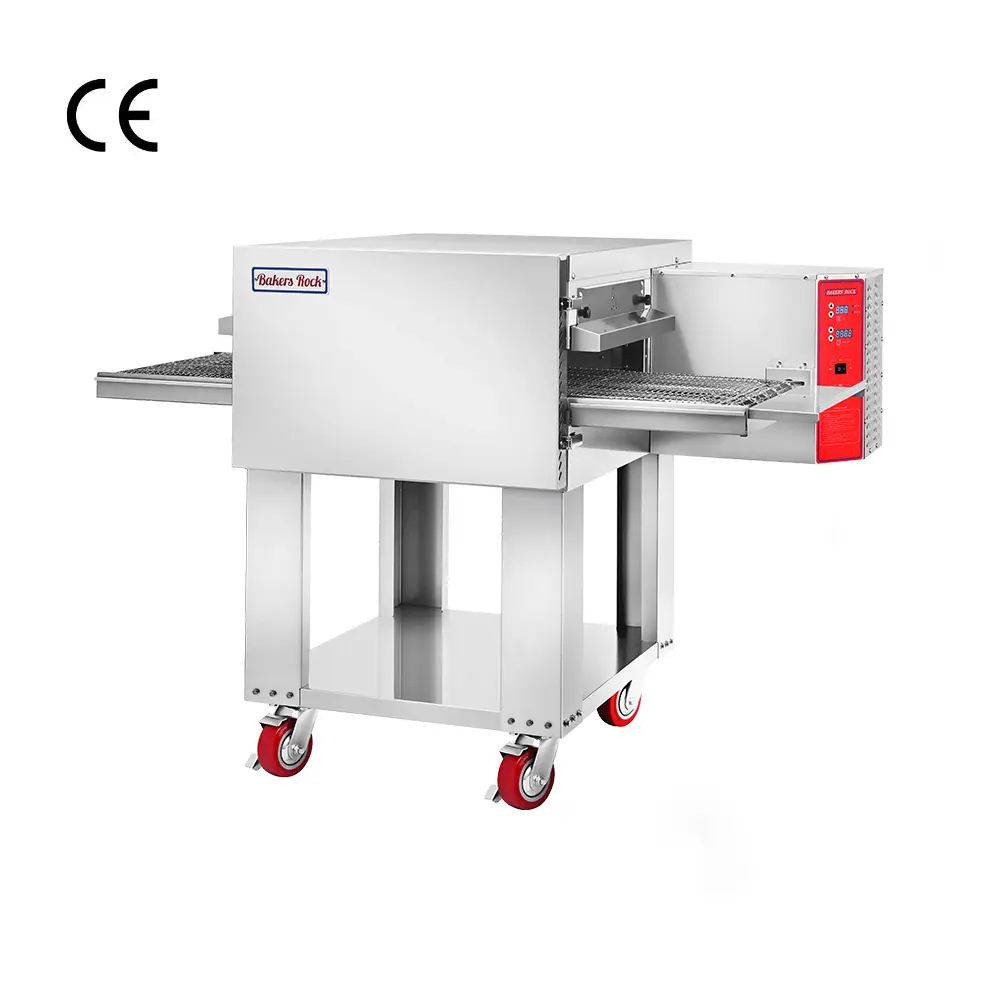
تُقدّم شركة Bakers Rock حاليًا أفرانًا كهربائية تعمل بنظام النفخ، بقياس 16 بوصة و20 بوصة، بالإضافة إلى أحجام أكبر. يُعدّ فرن H1624Pro فرنًا ناقلًا يُوضع على سطح الطاولة بقياس 16 × 24 بوصة، بينما يستخدم فرن H2024 مساحة خبز بقياس 20 × 24 بوصة، وهو مُصمّم خصيصًا لمحلات توصيل البيتزا والمطاعم وسلاسل المتاجر الكبرى ومطاعم البيتزا.
يعتمد الاختيار الأمثل على حجم البيتزا، وذروة الطلب، وتكاليف المرافق، وتصميم منطقة التحميل. لا ينبغي اختيار فرن سطح طاولة أكبر لمجرد توفر مساحة عرض إضافية.
قد تحتاج العمليات التي تشهد حجماً أكبر خلال ساعات الذروة إلى فرن ناقل قياسي أكبر أو إلى تكوين قابل للتكديس.
يمكن للطراز الأعرض استيعاب بيتزا أكبر حجماً أو تحميلها جنباً إلى جنب عندما تسمح أبعاد المنتج بذلك. كما يمكن للترتيب القابل للتكديس زيادة سعة الفرن المتاحة في حال محدودية عرض الأرضية، شريطة أن يكون المطبخ قادراً على استيعاب الارتفاع والحمل الكهربائي والتهوية وسهولة الوصول للعمل وحركة الموظفين.
بيكرز روك فرن ناقل قابل للتكديس مقاس 26 بوصةعلى سبيل المثال، يحتوي على منطقة تسخين منشورة تبلغ مساحتها 26 × 40 بوصة، ويتسع لبيتزا بحجم 12 بوصة عبر الحزام، ويتم تقديمه في تكوينات قابلة للتكديس المزدوج أو الثلاثي.
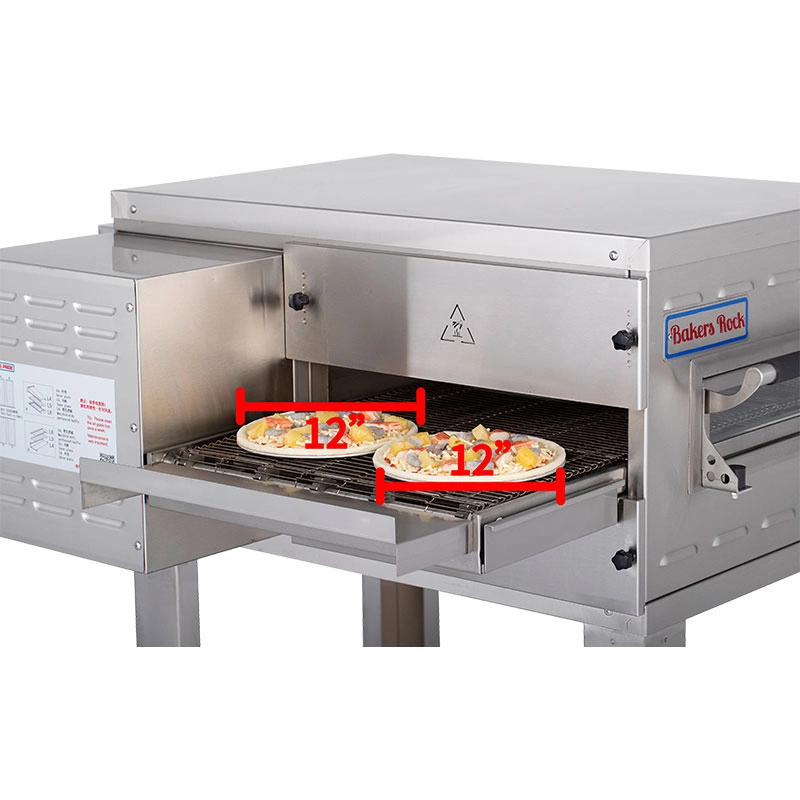
لا ينبغي تفسير تكديس المخبوزات على أنه زيادة تلقائية في إنتاج المطعم الفعلي. فسرعة التحضير، والتحميل والتفريغ، والمرافق، والتهوية، والعمالة، كلها عوامل قد تُحدِّد الإنتاج. وقد أوضحت المقالة الأصلية الفرق المهم نفسه بين السعة النظرية للفرن والإنتاج الفعلي.
لذلك ينبغي أن يأتي الاختيار من بين التكوينات القياسية المتاحة التي تناسب الموقع، بدلاً من إضافة حجم أو تعقيد دون وجود حاجة تشغيلية محددة.
لا يُعد فرن البيتزا التجاري ذو السيور الناقلة مناسبًا لمجرد أن مساحة الخبز فيه تتناسب مع قائمة الطعام، بل يجب أن يتناسب أيضًا مع المطعم.
بالنسبة للأجهزة الكهربائية، تأكد من الجهد الكهربائي، والطور، والتردد، والطاقة المقدرة، ومتطلبات الدائرة الكهربائية، ومتطلبات التركيب المحلية الخاصة بكل طراز. لا تُعمم البيانات الكهربائية لطراز واحد على فئة منتجات كاملة.
مقارنة المشترين أفران ناقلة كهربائية تعمل بالصدم يمكنكم مراجعة نماذج أسطح العمل والنماذج ذات السعات الأكبر بشكل منفصل، ثم التحقق من المواصفات الكهربائية للنموذج المحدد المذكور في العرض. تعرض شركة بيكرز روك حاليًا منتجات بأحجام 16 بوصة، و20 بوصة، و18 بوصة، و32 بوصة ضمن هذه الفئة.
بالنسبة لطرازات الغاز أو غاز البترول المسال، يُرجى التحقق من نوع الوقود المحدد، وظروف التزويد، والتهوية، والمتطلبات المحلية المعمول بها. كما تحتفظ شركة بيكرز روك بمجموعة منتجات قياسية منفصلة تعمل بالغاز، بدلاً من اعتبار نوع الوقود خيارًا يُضاف حسب الطلب في الموقع لطرازات الكهرباء.
ينبغي أن تشمل أبعاد المطبخ أكثر من مجرد هيكل الفرن. يجب قياس مناطق دخول وخروج السيور الناقلة، والصواني، ومساحة الرفوف أو الطاولات، وأجهزة التحكم، ولوحات الوصول، ومساحة التنظيف، ومداخل الخدمة، والأبواب، ومسارات التوصيل، وارتفاع العمل، والمعدات المجاورة. كانت هذه الفحوصات الميدانية أساسية في المقال الأصلي، ولا تزال ذات صلة مباشرة بتجهيزات المطاعم التجارية.
إذا لم يتم التأكد من متطلبات الطاقة أو التهوية أو شروط التركيب، فيجب حل هذه الأمور قبل طلب الطراز.
لا يحتاج كل مطعم إلى برنامج اختبار قبول رسمي. بالنسبة للمعدات التجارية القياسية، تتمثل الخطوة الأولى عادةً في اختيار طراز تتوافق مواصفاته المنشورة مع المنتج وحجم العمل المتوقع.
ومع ذلك، يمكن أن يكون إجراء اختبارات إضافية للمنتج مفيدًا عندما يكون التطبيق أقل شيوعًا - على سبيل المثال:
إذا كان اختبار المنتج متاحًا، فقم بتوثيق قطر البيتزا، ووزن المنتج، وحالة العجين، وكمية الإضافات، ودرجة الحرارة الابتدائية، والصينية أو الشاشة، ووقت الخبز المستهدف، ونمط التحميل، والنتيجة النهائية المطلوبة.
أكدت المقالة الأصلية بشكل صحيح على ضرورة مقارنة الموردين في ظل ظروف منتج مماثلة. فالحصول على نتيجة أسرع من بيتزا أصغر أو أسهل لا يعني بالضرورة أداءً أفضل لقائمة المشتري الفعلية.
بالنسبة للمعدات التجارية القياسية، لا يكمن الهدف في تصميم فرن فريد خصيصًا للاختبار، بل في تحديد ما إذا كان أحد النماذج المتاحة يلبي المتطلبات في ظل ظروف نموذجية.
إن نجاح تجربة بيتزا واحدة يُظهر قدرة الفرن على خبز هذا المنتج في ظل ظروف معينة، ولكنه لا يُثبت قدرته على العمل بكفاءة مستدامة خلال ساعات الذروة.
عندما تكون الإنتاجية مهمة، يكون التحميل المتتالي أكثر فائدة. سجّل وقت الخبز الفعلي، ونمط التحميل، وفجوات الحزام الفارغة، وتجانس المنتج، وما إذا كانت النتيجة تتغير مع مرور المزيد من البيتزا عبر الفرن.
إذا تعذر الوصول إلى الهدف، فحدد أولاً ما إذا كان القيد ناتجًا عن البيتزا، أو الإعدادات، أو عملية التحميل، أو سعة النموذج المتاحة. ثم قرر ما إذا كان ينبغي تقييم نموذج أو تكوين قياسي آخر.
ينبغي أن يستند الاختيار النهائي إلى الفرن التجاري المحدد الذي تم تسعيره.
يقارن:
ينبغي أن يكون المورد قادراً على شرح النموذج القياسي الذي يتم التوصية به والافتراضات التي تدعم هذه التوصية.
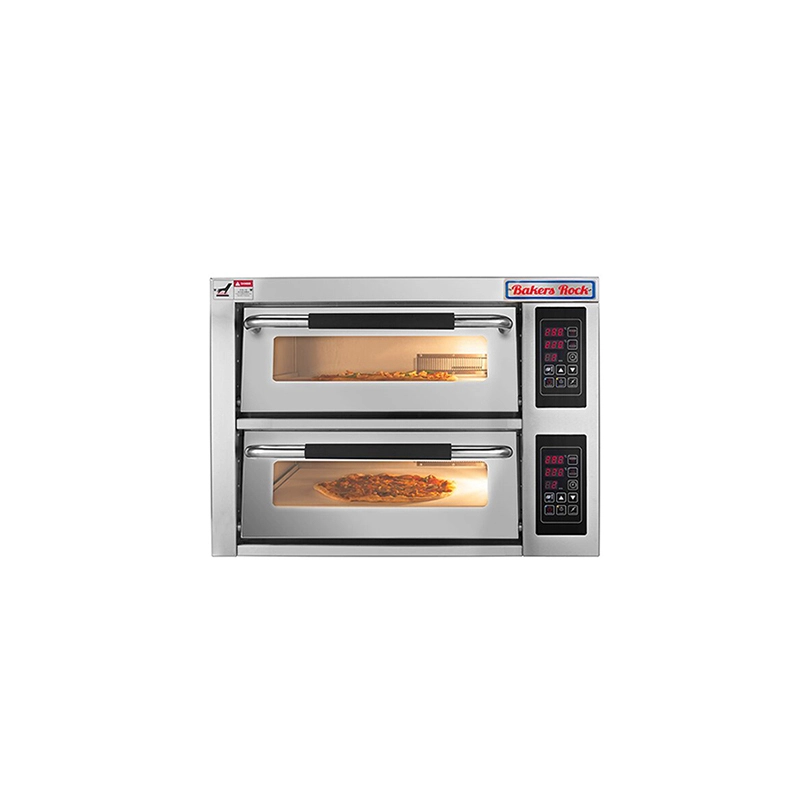
تبيع شركة بيكرز روك حاليًا أفرانًا كهربائية تعمل بنظام الاحتراق بالغاز، وأفرانًا تعمل بنظام الاحتراق بالحجر، بأحجام قياسية متعددة لتلبية مختلف متطلبات خدمات الطعام التجارية. ويشمل كتالوج منتجاتها نماذج صغيرة الحجم توضع على سطح الطاولة، بالإضافة إلى نماذج ذات سعة أكبر وتكوينات قابلة للتكديس.
ينبغي أن تظل المواصفات الفنية خاصة بكل طراز. في حال وجود متطلبات خاصة بالعلامة التجارية، مثل تخصيص الشعار، يمكن تأكيدها بشكل منفصل عن أبعاد الفرن القياسية ومواصفات التشغيل.
لا يتطلب الاستفسار المفيد تحديد عرض الفرن أو طول حجرة الطهي حسب الطلب. بدلاً من ذلك، قدم معلومات التشغيل التي تُمكّن المورد من مطابقة المطعم مع الطراز المتاح.
يشمل:
بالنسبة لمشاريع الاستبدال، يرجى أيضًا تقديم لوحة اسم الفرن الحالية، والأبعاد الكلية، ووصلات المرافق، واختناق الإنتاج الحالي، والصور.
يتوافق هذا النهج مع مدخلات طلب عروض الأسعار المفيدة في المقالة الأصلية - المنتج، وذروة الطلب، والمرافق، والتصميم، والوجهة، والكمية - ولكنه يحول الغرض من كتابة مواصفات معدات مخصصة إلى اختيار نموذج تجاري قياسي مناسب.
يجب أن يربط اختيار فرن بيتزا تجاري مزود بناقل بين البيتزا الحقيقية للمطعم، والطلب في ساعات الذروة، ونمط التحميل، ووقت الخبز، ومساحة المطبخ، والمرافق، وبين نموذج قياسي متاح.
لا تعتمد في اختيار المعدات على أقصى إنتاجية فقط، ولا تفترض أن الحزام الأكبر يعني بالضرورة ملاءمة أفضل. ابدأ بالمنتج، وقارن السعة القابلة للاستخدام، وتأكد من متطلبات التركيب، وقيم التكوينات التي توضع على سطح الطاولة، أو ذات السعة الأكبر، أو القابلة للتكديس وفقًا للتشغيل الفعلي.
تقدم شركة بيكرز روك نماذج قياسية من أفران النقل بأحجام تجارية مختلفة وبخيارات طاقة متنوعة. يمكن للمشترين اتصل ببيكرز روك مع تحديد أبعاد البيتزا، وذروة الإنتاج المستهدفة، وحالة المنتج، ومتطلبات الخبز، والمساحة المتاحة، والمرافق، والوجهة، والكمية لطلب توصية بنموذج مناسب.
يعتمد الحجم المناسب للفرن على ذروة إنتاج البيتزا في الساعة، وقطر البيتزا، ووقت الخبز، ونمط التحميل، ومساحة المطبخ المتاحة. لا يكفي نوع المطعم وحده لتحديد حجم الفرن. قارن هذه المتطلبات مع مساحة الخبز المتاحة ونطاق تشغيل الموديلات المتوفرة.
يُعدّ نموذج سطح الطاولة مناسبًا عندما تكون المساحة محدودة، ويتناسب حجم البيتزا المطلوب وذروة الإنتاج مع مساحة الخبز المتاحة في النموذج. تُقدّم شركة Bakers Rock حاليًا نماذج كهربائية تعمل بنظام النفث الحراري، بقياس 16 بوصة و20 بوصة، لتطبيقات خدمات الطعام التجارية الصغيرة.
لا. قد تسمح الأحزمة الأعرض بتحميل جانبي أكثر فائدة، لكن الإنتاج العملي يعتمد أيضًا على قطر البيتزا، ووقت الخبز، وحالة المنتج، وفجوات التحميل، وسرعة التحضير، وسير عمل التفريغ.
ليس بالضرورة. يزيد التكديس من سعة الفرن المتاحة، ولكن قد يظل إنتاج المطعم العملي محدودًا بسبب التحضير والتحميل والتفريغ والمرافق والتهوية وسير عمل الموظفين.
يرجى تقديم معلومات عن قطر البيتزا، وحالة المنتج، ووقت الخبز المستهدف، وذروة إنتاج البيتزا في الساعة، وأبعاد المطبخ، ومعلومات عن الكهرباء أو الغاز، والوجهة، والكمية. يجب أن تتضمن مشاريع الاستبدال أيضًا لوحة اسم الفرن الحالي، والوصلات، والاختناق الحالي، وصورًا فوتوغرافية.