Nullam dignissim، ante scelerisque هو euismod vermentum odio دائمًا ما يكون عصرًا، وهو فيوجيات ليو أورنا إيجيت إيروس. دويس اينيان خطر غير صحي.
Nullam dignissim، ante scelerisque هو euismod vermentum odio دائمًا ما يكون عصرًا، وهو فيوجيات ليو أورنا إيجيت إيروس. دويس اينيان خطر غير صحي.
 مؤلف
مؤلف
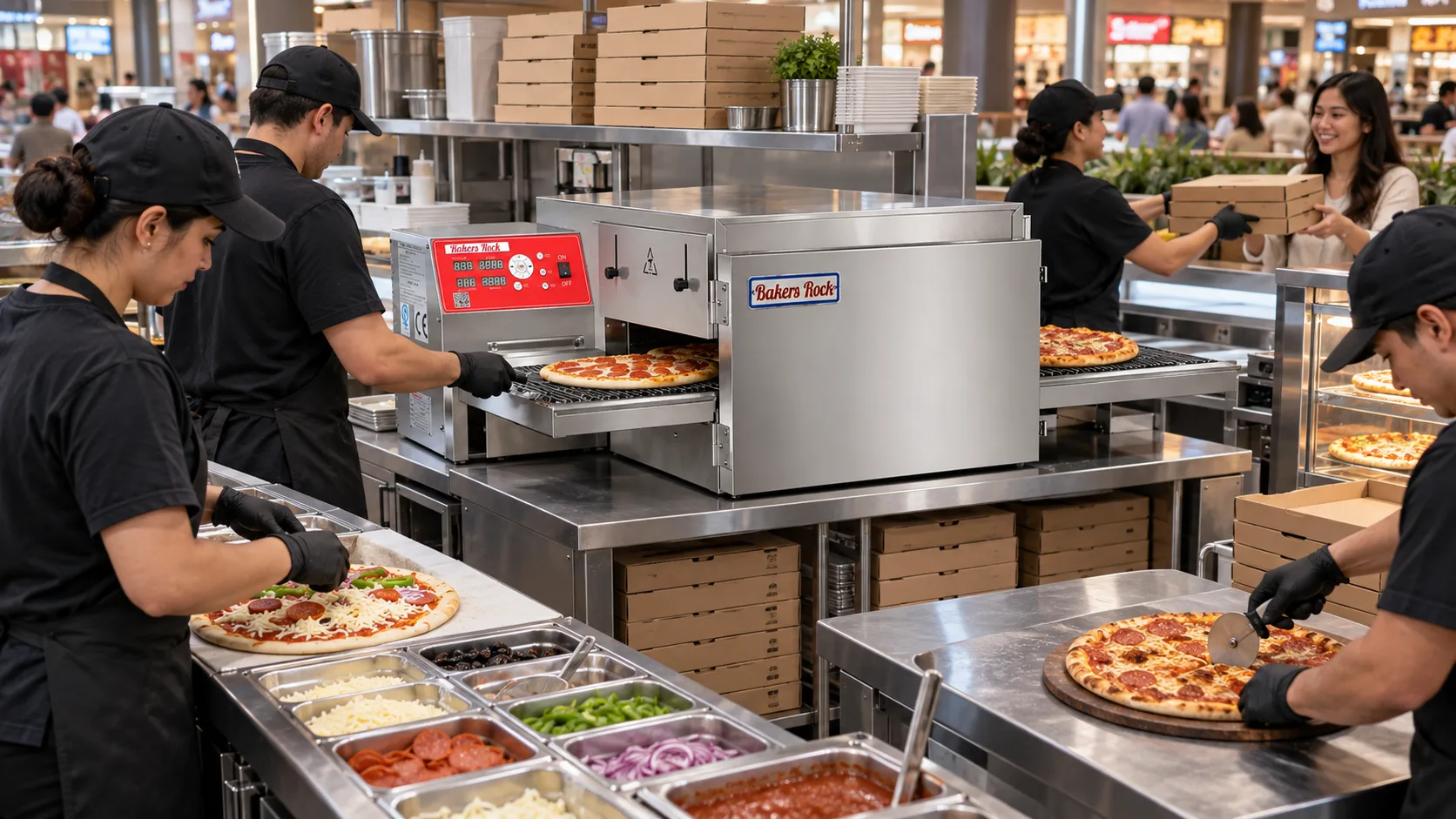
A food court pizza stall serves more orders by matching oven capacity to the busiest order window and arranging the kitchen so every pizza moves forward without crossing another task. The smallest oven is rarely the right goal. Operators need the smallest complete production system that can hold quality during a rush, including prep, loading, baking, finishing, boxing, and handoff.
Rent is tied to area, while sales are limited by what the team can produce during short peaks. A compact commercial pizza oven can help, but only when the menu, utilities, staff movement, and upstream prep support its workload.
Daily order totals hide the pressure that determines oven size. Measure the busiest 15 minute and 30 minute periods, then record pizzas per order, product size, bake program, and the share of orders that arrive together. Use actual point of sale tickets where possible. A stall that sells steadily for eight hours needs a different setup from one that receives a concentrated lunch queue.
Translate that peak into required output, then add a practical margin for irregular loading and remakes. Do not treat catalogue throughput as guaranteed stall throughput. Capacity may depend on pizza diameter, dough condition, loading, temperature, belt speed, and chamber configuration. Ask the supplier to state the test conditions behind any output figure.
In a narrow food court kitchen, crossing paths consume more capacity than a few extra seconds of bake time. Arrange the line in the order the product travels: cold storage and portioned ingredients, stretching or base preparation, topping, oven loading, finishing, cutting, boxing, and customer handoff. Staff should not carry hot pans back through the raw prep area or reach across the loading position for packaging.
Protect landing zones on both sides of the oven. The loading side needs room for the next item, while the discharge side needs a heat safe surface for checking, cutting, and routing orders. Without these surfaces, the oven may sit empty or finished pizzas may queue at the exit.
Oven footprint must be evaluated with the labor and counter space needed to operate it. A compact unit that requires constant turning, rotation, or door management may shift the bottleneck to one skilled operator. A larger automated path may produce more predictable flow if the stall sells a standardized menu at sustained volume.
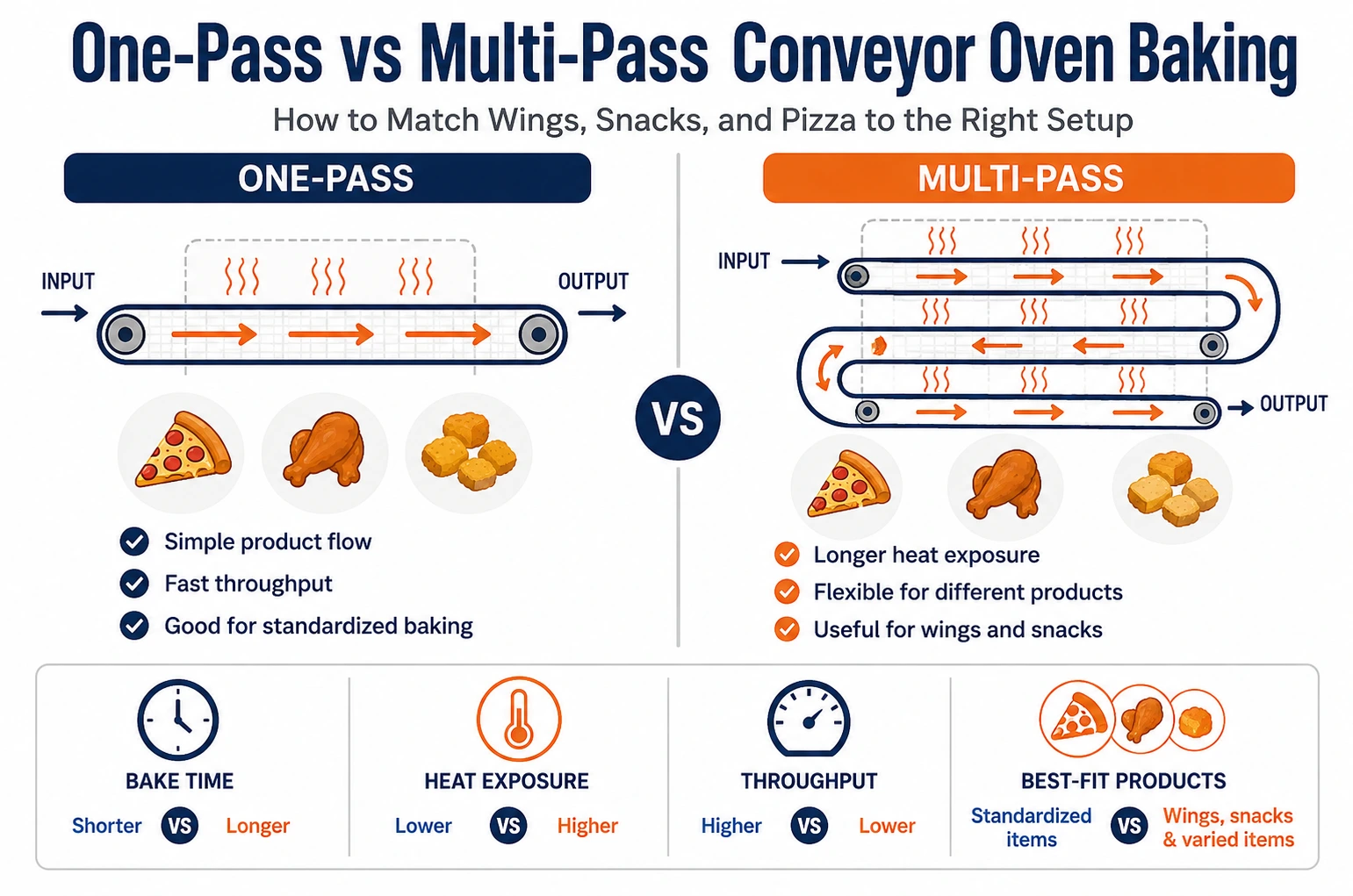
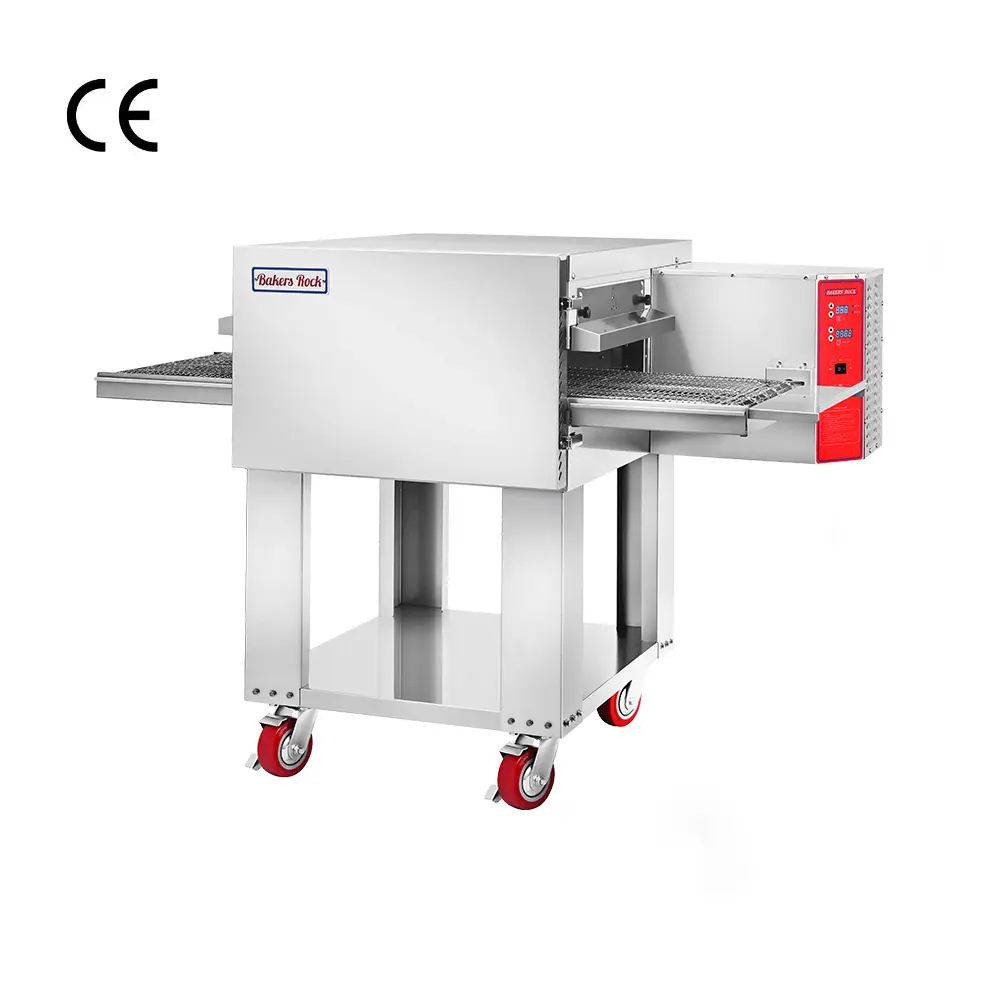
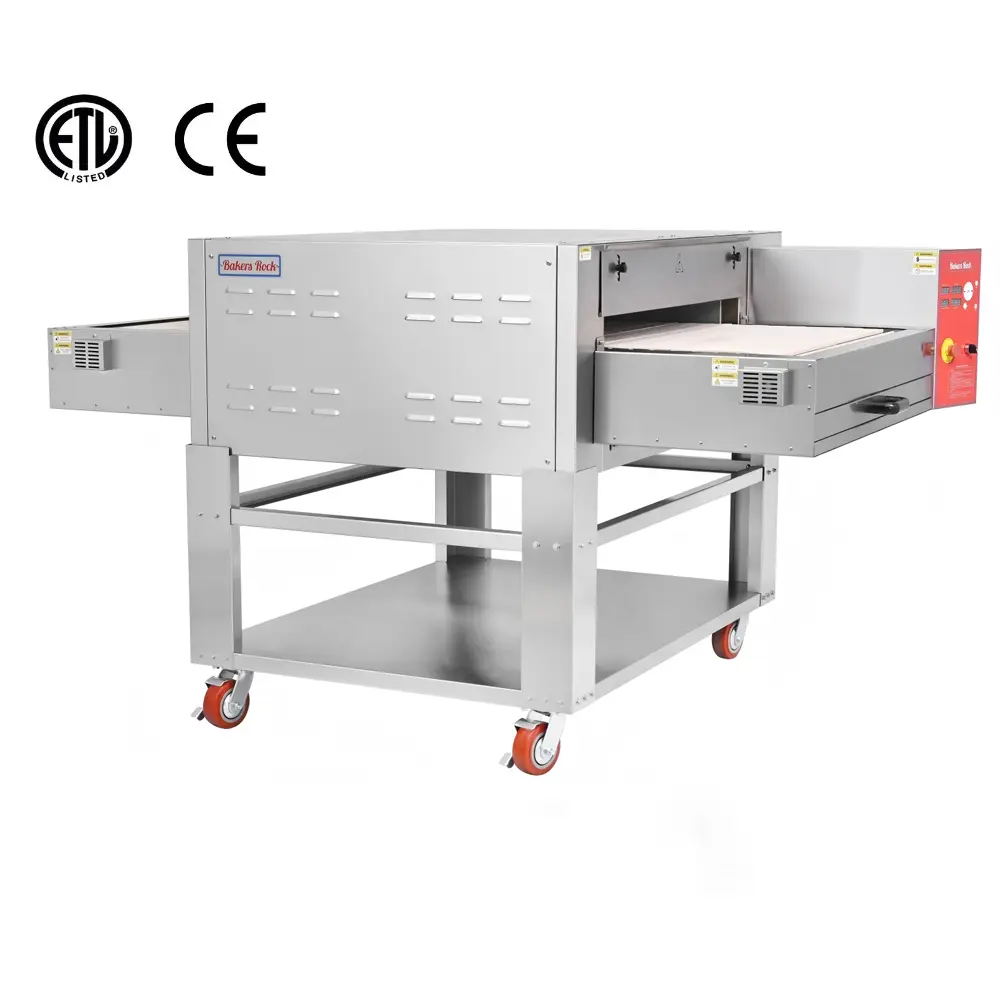
A conveyor or impingement format can suit repeatable, high frequency production because time and heat settings can be controlled for a defined product. It also creates a clear loading and discharge direction. The tradeoff is that belt length, inlet and outlet clearance, hood requirements, and service access all count toward the real footprint. Verify whether the proposed menu can share one program or whether frequent setting changes would interrupt service.
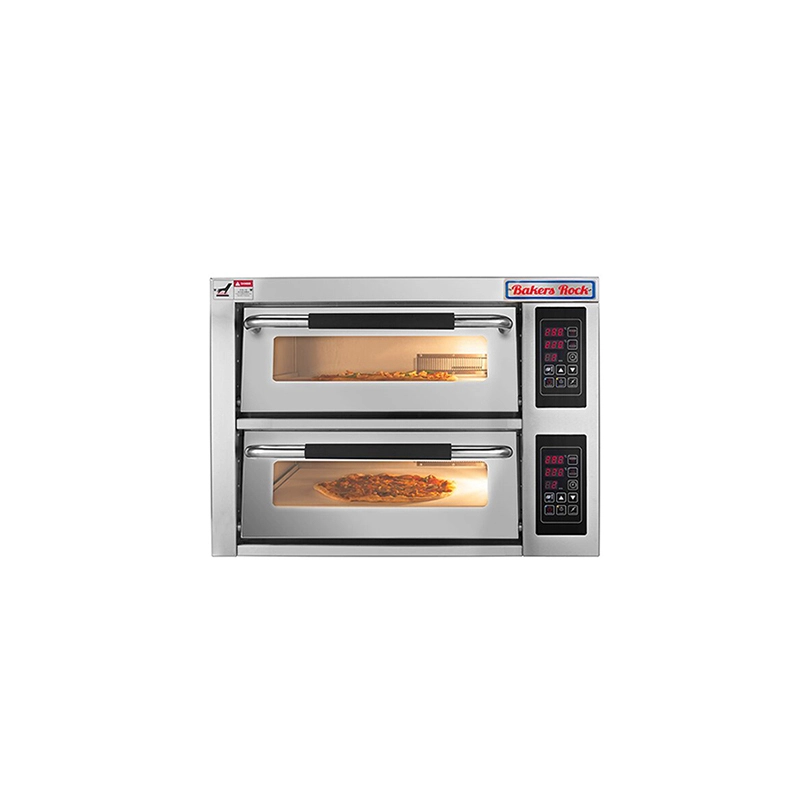
A deck oven may support varied products and direct bake control, but capacity depends on usable deck area and operator attention. In a small stall, compare appliance width with the peel movement, staging space, and skilled labor required.
Rapid cook or compact batch equipment may fit an edited menu or lower volume kiosk. Check simultaneous capacity and consecutive cycle recovery. Ventilation, product limitations, and permitted installation conditions must be confirmed for the exact model and local authority.
| Oven format | Best operational fit | Footprint check | Staff demand |
| Conveyor or impingement | Standardized menu and sustained loading | Include belt ends, clearances, hood, and service access | Lower active bake handling once settings are validated |
| Deck | Varied products and hands on bake control | Include door access, peel movement, and landing space | Higher attention during loading and baking |
| Rapid cook or batch | Edited menu and intermittent orders | Check chamber capacity, accessories, and ventilation | Simple cycles but limited simultaneous load |
Run a timed test with the intended pizza size, dough, toppings, screen or pan, and peak loading pattern. Record how many acceptable pizzas exit in 15 minutes after the oven is fully heated. Repeat the test with consecutive loads. The useful number is saleable output that meets the agreed quality standard, not the number of items that can physically enter the chamber.
Then test the entire line. If assembly outruns the oven, unfinished orders accumulate before loading. If cutting and boxing are slower, finished food waits after baking. Balance each station to the same peak interval and decide where one employee can cover adjacent tasks during slower periods.
More oven capacity will not fix slow dough tempering, unportioned cheese, missing boxes, or a confusing order screen. Standardize slow changing items. During the peak window, a shorter menu can reduce topping errors and setting changes while preserving broader choices outside the rush.
Track three queue points separately: orders waiting for assembly, pizzas waiting to enter the oven, and finished pizzas waiting for handoff. The longest queue identifies the next constraint. This simple observation prevents an operator from buying a second oven when the real limitation is assembly space, packaging, or counter pickup.
A food court lease plan should reserve more than the appliance rectangle. Confirm electrical supply or gas type, exhaust and make up air, heat rejection, safety requirements, cleaning provisions, clearances, and the installation route. Requirements vary across Europe, North America, the Middle East, Southeast Asia, and individual mall authorities.
Maintenance access also affects uptime. Filters, panels, belts, fans, controls, and cleaning surfaces may need space beside, above, or behind the oven. Ask which tasks staff can perform and which require a technician. Show access on the drawing before fabrication begins.
Use supplier information to compare complete installed conditions, not headline appliance dimensions. بيكرز روك lists both electric impingement oven و gas impingement oven product categories. The suitable energy source, chamber or belt configuration, controls, clearances, ventilation, and achievable output should be checked against the stall drawing and intended menu.
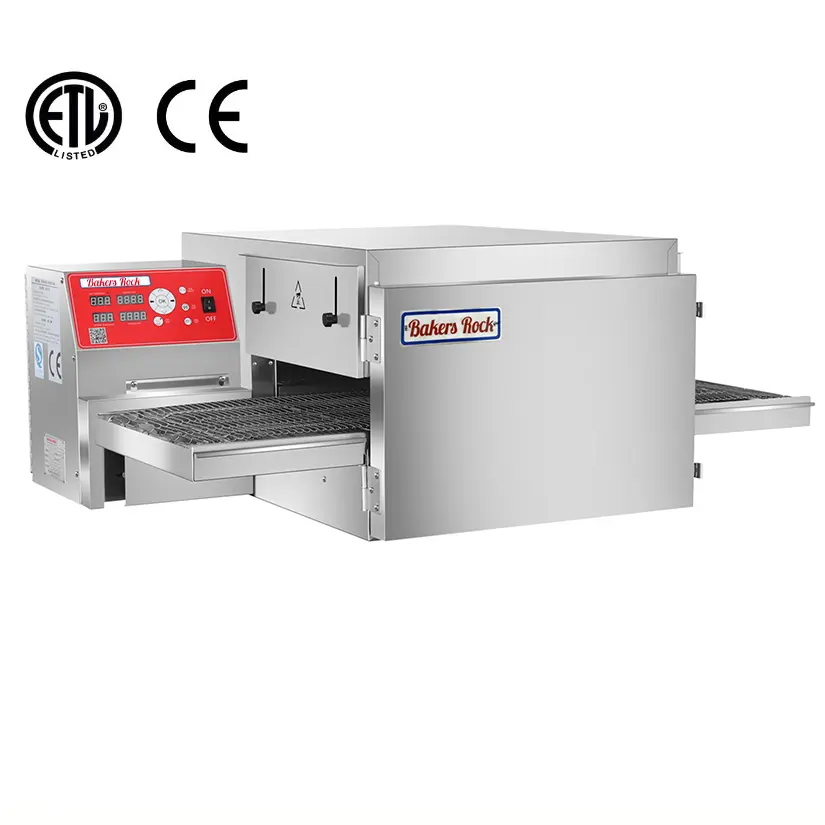
For a narrower equipment comparison, the countertop conveyor pizza oven guide can support model screening. Keep the food court decision tied to peak order data, pizza specifications, available space, utilities, exhaust, staffing, and cleaning access.
Before requesting a quotation, send Bakers Rock the stall drawing, target pizzas per peak interval, pizza size and style, product range, energy preference, utility limits, ventilation information, quantity, and destination market. Request a written fit check and capacity test conditions.
A small food court kitchen can serve more pizza orders when the oven and workflow are designed as one production system. Start with peak demand, create a one direction path, test saleable output with the real menu, and protect loading, discharge, ventilation, and service space. The right food court pizza oven is the configuration that keeps every station moving at the required peak rate while fitting the approved stall plan.
The answer depends on menu variety, peak order concentration, product size, staffing, utilities, and ventilation. Conveyor or impingement formats often suit standardized high frequency production, while deck or batch ovens may suit menus that require more individual bake control.
Count pizzas ordered during the busiest 15 minute and 30 minute periods, then test the proposed oven with the intended product and consecutive peak loads. Use acceptable finished pizzas per interval as the comparison measure.
Sometimes, particularly when approved stacking provides redundancy or separate bake programs. Compare installed height, clearances, hood coverage, utilities, cleaning access, and landing space before assuming two units use less working area.
No general assumption is safe. Ventilation and installation requirements depend on the exact appliance, cooking process, local code, fire authority, landlord, and mall rules. Obtain written approval for the proposed model and layout before counter fabrication.