Nullam dignissim, ante scelerisque the is euismod fermentum odio sem semper the is erat, a feugiat leo urna eget eros. Duis Enean un riesgo de imperdieta.
Nullam dignissim, ante scelerisque the is euismod fermentum odio sem semper the is erat, a feugiat leo urna eget eros. Duis Enean un riesgo de imperdieta.
 autor
autor
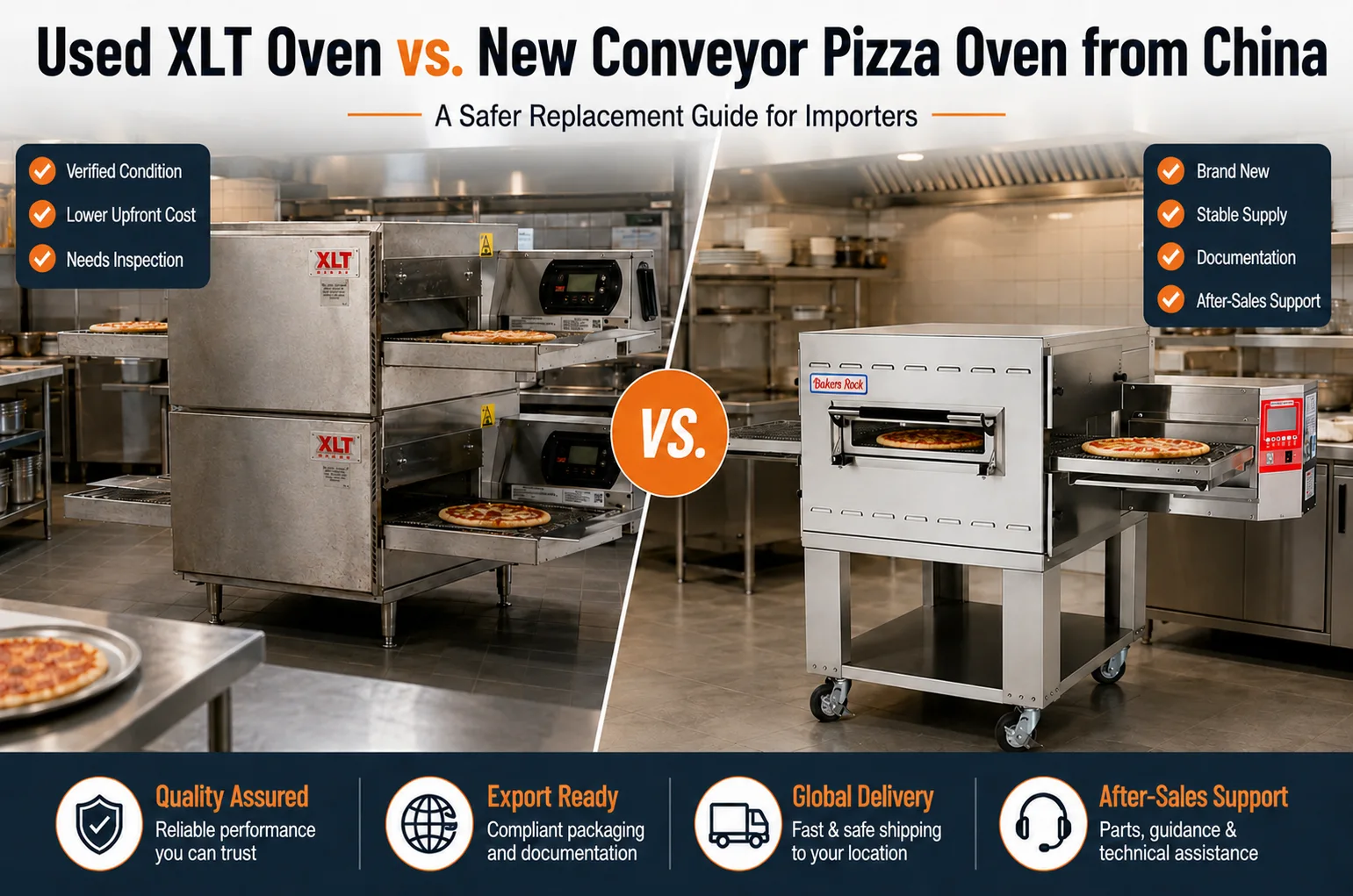
Un horno XLT usado puede parecer atractivo cuando el precio de compra es bajo y el equipo ya está familiarizado con él. Sin embargo, comparar un horno XLT usado con un horno de pizza de cinta transportadora nuevo de China no es simplemente una comparación entre una máquina vieja y una nueva. La decisión final depende de las pruebas, la compatibilidad con las instalaciones, los requisitos de producción, las piezas de repuesto, los resultados de las inspecciones y el costo del tiempo de inactividad.
Para los importadores, la opción más segura suele ser aquella con documentación más clara y condiciones de aceptación más controlables. Un horno usado con documentación puede seguir siendo práctico en algunas aplicaciones. Un horno de cinta transportadora nuevo puede ser más adecuado cuando el equipo es fundamental para la producción diaria o cuando la unidad existente tiene un historial de servicio incierto.
La primera pregunta no es "¿Qué horno cuesta menos?", sino "¿Qué opción se puede verificar, instalar, operar y recibir soporte con un nivel de riesgo aceptable?".
Un horno XLT usado puede ser una opción razonable si se confirman el modelo y el número de serie, se dispone de los registros de mantenimiento, se pueden conseguir repuestos y la unidad supera una prueba de carga continua. También puede ser adecuado para una empresa que necesite un horno secundario o que tenga capacidad de producción flexible.
La sustitución se vuelve más urgente cuando el horno es la única unidad de producción, el tiempo de inactividad interrumpiría los ingresos o falta información importante. Un precio de compra bajo puede perder su ventaja una vez que se suman las reparaciones, el transporte, la descarga, los cambios en los servicios públicos, la limpieza, la instalación y la pérdida de producción.
Para tomar una decisión acertada sobre un reemplazo, se deben comparar cinco áreas:
Se deben aplicar los mismos criterios a ambas opciones. Una descripción del vendedor como «probado», «revisado» o «reacondicionado» no es suficiente por sí sola. El comprador debe preguntar qué se probó, qué piezas se reemplazaron, cuándo se realizó la prueba y si el resultado está documentado.
El existente Lista de verificación para la inspección de hornos transportadores usados puede ayudar a organizar la primera inspección. Una decisión de reemplazo debería incluir controles específicos del importador, como la responsabilidad del envío, las pruebas de llegada y los requisitos del sitio.
Un horno XLT usado es más adecuado si el vendedor permite una prueba completa de calentamiento y horneado continuo, la cinta transportadora funciona de manera uniforme bajo carga y el comprador puede verificar la identidad del equipo. El horno también debe ser compatible con el tamaño de pizza requerido, la altura del producto, el ancho de la cinta transportadora y el programa de producción.
Resulta menos recomendable si la unidad no tiene historial de mantenimiento, no se puede verificar la placa de identificación, el vendedor se niega a realizar una prueba de funcionamiento o los controles clave y los componentes de calefacción ya no cuentan con soporte técnico. El riesgo es mayor si el horno se va a instalar en un país nuevo sin asistencia técnica cualificada.
El principal riesgo no reside simplemente en la antigüedad, sino en la incertidumbre. Un importador puede desconocer cómo se utilizó el horno, qué componentes se modificaron, si la configuración eléctrica coincide con la del lugar de destino o si el equipo puede mantener su rendimiento durante la producción continua.
Un horno de cinta transportadora usado puede funcionar correctamente durante una breve demostración y aun así fallar al calentarse, cargarse y operarse durante varias horas. Por eso, la compra no debe basarse únicamente en una inspección visual.
Comience por la placa de identificación y solicite fotografías claras del modelo, número de serie, voltaje, fase, frecuencia y configuración de gas, cuando corresponda. Estos detalles deben coincidir con la descripción escrita del vendedor y la documentación del equipo.
El comprador también deberá solicitar:
Si no se puede verificar el historial, el equipo debe considerarse no verificado en lugar de clasificarlo automáticamente como reacondicionado. Una inspección independiente puede ser apropiada cuando el precio de compra, el costo del flete o la importancia operativa sean significativos.
Se debe revisar la cinta transportadora para detectar desgaste irregular, secciones faltantes o dañadas, mal seguimiento, tensión anormal y cambios en el movimiento a medida que el horno se calienta. El sistema de accionamiento debe observarse a diferentes velocidades y con una carga de producto realista.
Los controles deben responder de forma consistente y la configuración de temperatura no debe restablecerse inesperadamente. Un ruido inusual del ventilador, vibraciones, un flujo de aire débil, una temperatura inestable o un olor fuerte e inexplicable requieren una investigación más exhaustiva.
Una prueba útil comienza con un arranque en frío y continúa con el calentamiento, el mantenimiento de la temperatura y el horneado repetido. La prueba debe realizarse con productos similares a los que el comprador utilizará en su aplicación real. Una sola pizza exitosa no demuestra capacidad de producción continua.
Un nuevo horno de pizza con cinta transportadora elimina gran parte de la incertidumbre asociada a la propiedad anterior, pero no elimina la necesidad de verificación técnica. El comprador aún debe confirmar que el horno se puede instalar en el lugar de destino y que la documentación del proveedor es lo suficientemente clara para su inspección y aceptación.
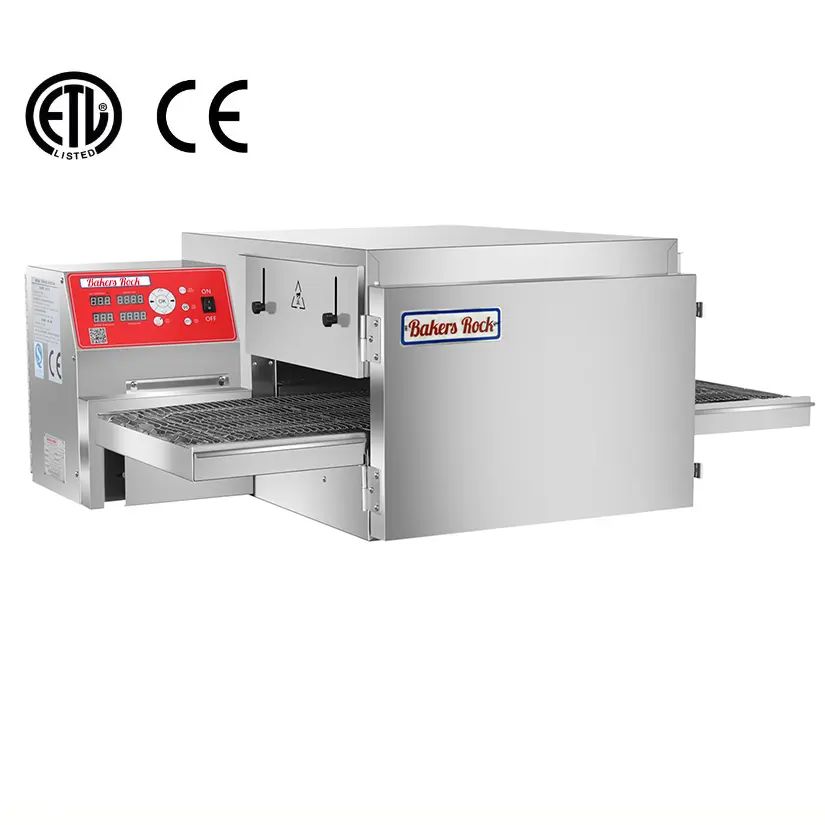
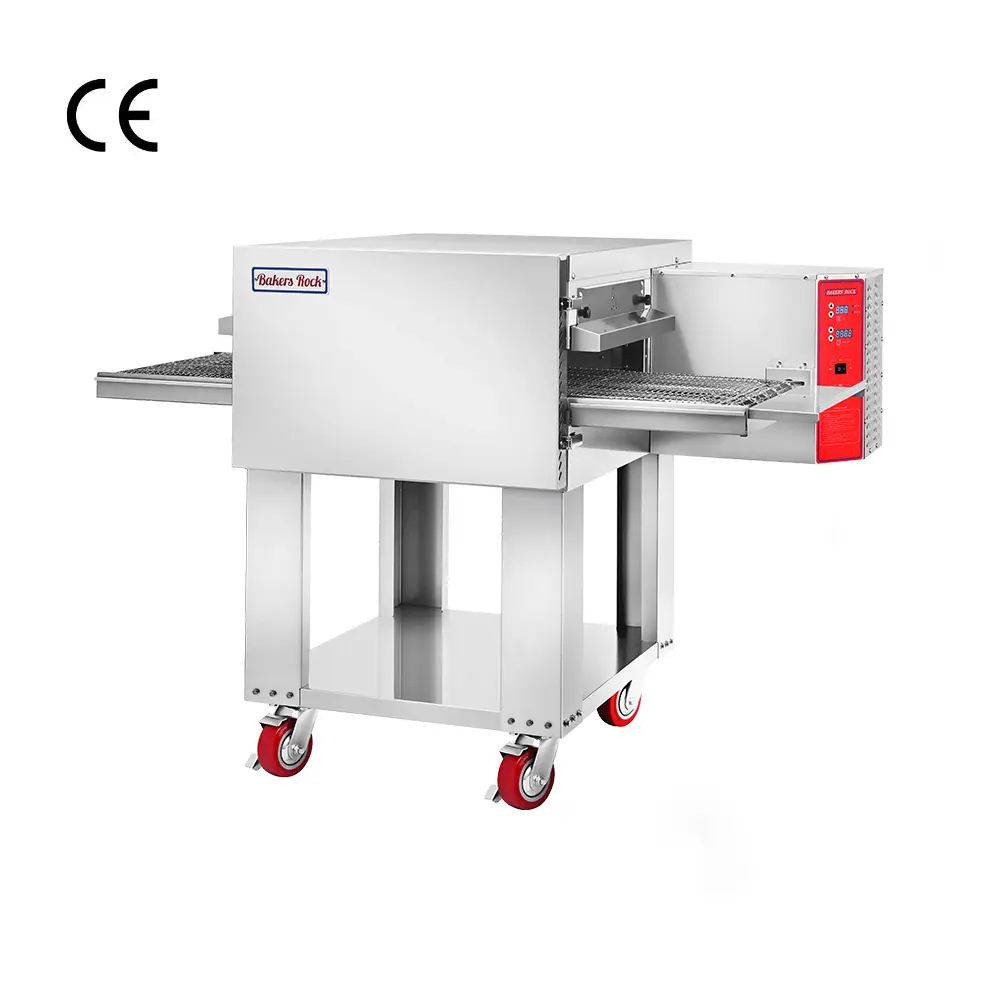
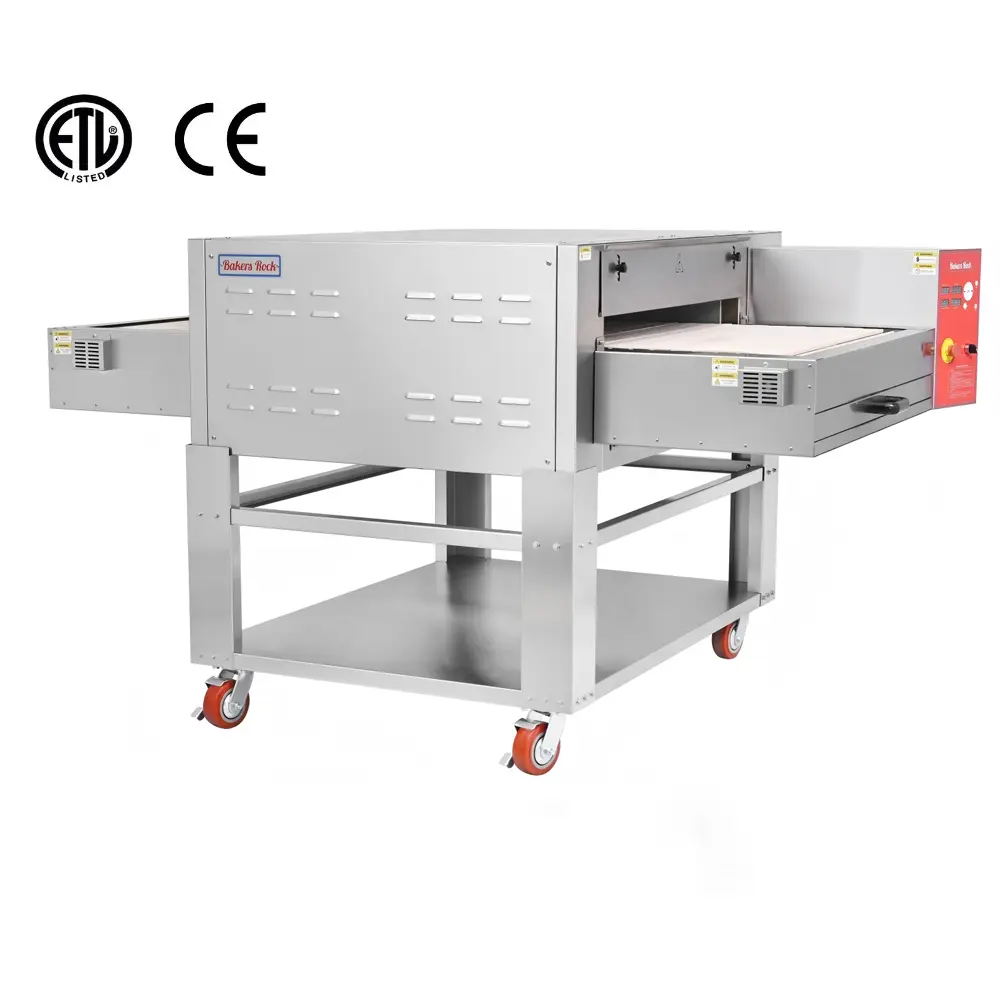
Bakers Rock publica hornos de pizza comerciales con cinta transportadora y categorías de productos relacionadas para equipos de transporte de piedra, eléctricos y a gas. El tipo de producto adecuado debe seleccionarse únicamente después de definir las condiciones del sitio y los requisitos de producción.
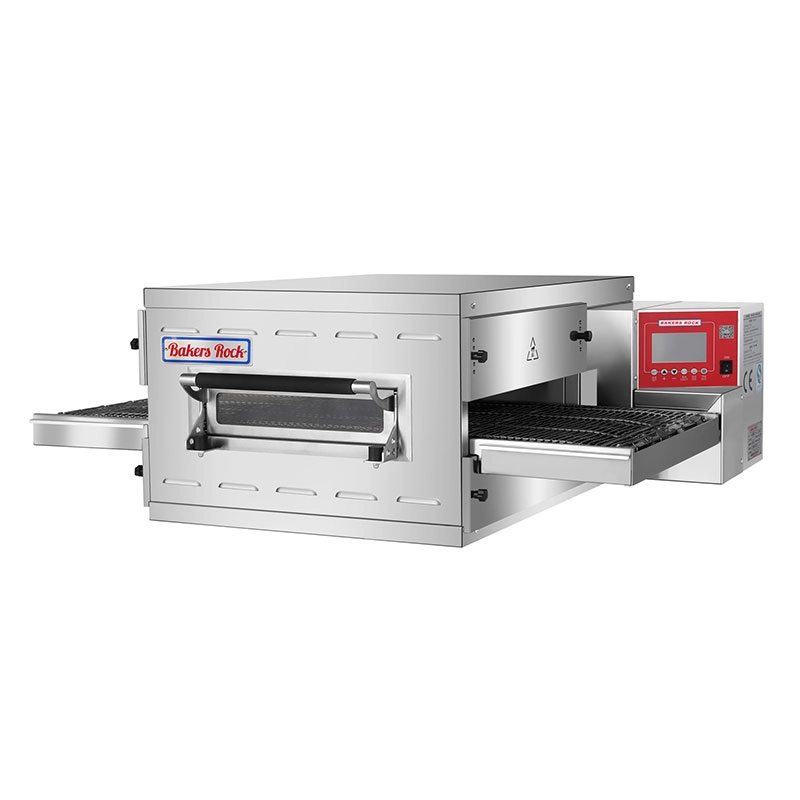
La solicitud de cotización debe especificar la tensión, la fase, la frecuencia, la fuente de alimentación, el tipo de gas, las condiciones de ventilación, el espacio de instalación y la vía de acceso disponibles. Estos detalles deben verificarse con las especificaciones del producto antes de realizar el pedido.
La aplicación también debe definir:
Una configuración eléctrica puede ser adecuada para un sitio con la capacidad eléctrica requerida. Revisar nuevos hornos eléctricos de cinta transportadora para pizzas en función de la tensión, fase, frecuencia, espacio de instalación y requisitos de producción disponibles. Una configuración de gas o GLP puede ser más apropiada cuando el sistema de suministro de combustible y ventilación ya está establecido. Comparar Hornos transportadores de gas y GLP únicamente después de confirmar las condiciones del sitio y las especificaciones del producto seleccionado.
Un nuevo horno de cinta transportadora debe contar con un proceso claro de prueba y aceptación. El comprador puede solicitar fotografías de la placa de identificación, planos dimensionales, instrucciones de funcionamiento, vídeos de prueba y una descripción escrita de la prueba realizada en fábrica.
Los criterios de aceptación pueden incluir:
Las condiciones comerciales deben especificar qué sucede si el horno no se puede conectar según lo indicado, no supera la prueba acordada o llega dañado. Los criterios por escrito son más útiles que las promesas generales sobre calidad o rendimiento.
| Área de decisión | Horno XLT usado | Nuevo horno de pizza con cinta transportadora procedente de China. |
|---|---|---|
| Historial del equipo | Depende de los registros del vendedor y de la propiedad anterior. | Basado en las especificaciones actuales y la documentación del proveedor. |
| Configuración | Limitado al equipo disponible | Puede ser seleccionado para la solicitud |
| Incertidumbre principal | Desgaste oculto, modificaciones y disponibilidad de piezas | Documentación, pruebas, instalación y asistencia del proveedor. |
| Ajuste de utilidad | Debe comprobarse con la placa de identificación existente. | Debe confirmarse antes de la producción y el envío. |
| Protección de aceptación | Depende del vendedor de equipos usados. | Debe estar definido en los términos de cotización y compra. |
| Exposición al tiempo de inactividad | Puede ser mayor si la condición es incierta. | Depende de los acuerdos de instalación, pruebas y soporte. |
El costo real de un horno usado puede incluir inspección, limpieza, componentes faltantes, reparaciones, reemplazo de controles, mantenimiento de la correa, transporte, descarga, instalación y modificaciones de servicios públicos. También se debe considerar el tiempo de inactividad cuando el horno controla una parte importante de la producción.
El costo real de un horno nuevo puede incluir pruebas de fábrica, embalaje, transporte, instalación, puesta en marcha, capacitación del personal y repuestos. Un precio inicial más alto no implica automáticamente que un horno nuevo sea más económico, pero puede ofrecer una configuración más clara y un proceso de aceptación más definido.
La comparación debe basarse en los requisitos de producción del comprador, y no únicamente en el precio de compra.
Un proveedor adecuado debería ser capaz de explicar la aplicación en términos técnicos, identificar la información necesaria para la selección y proporcionar documentación que permita al comprador comparar alternativas.
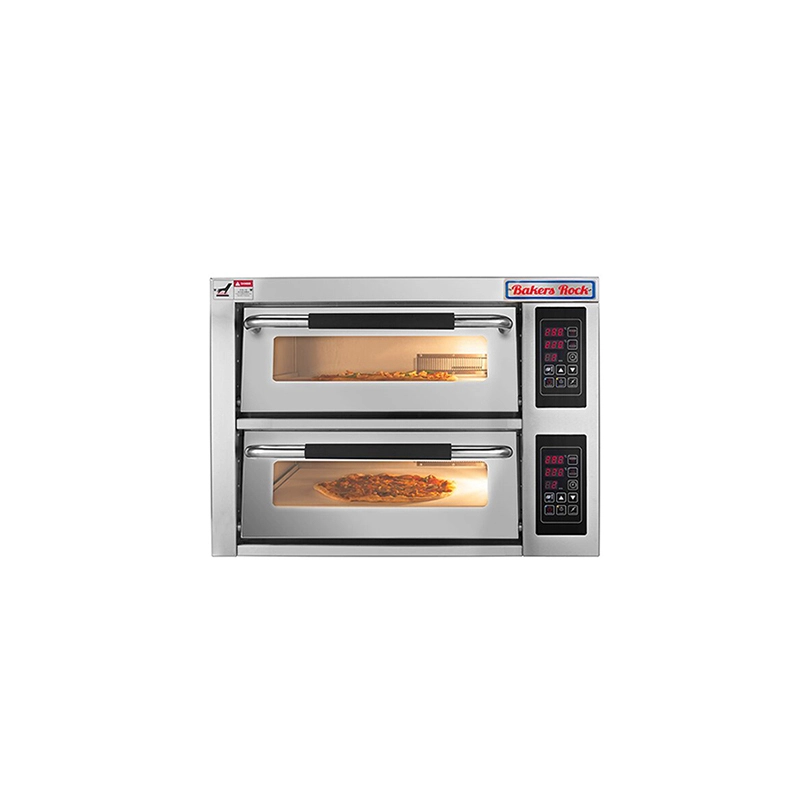
La estructura de productos públicos de Bakers Rock incluye las categorías de hornos de impacto eléctricos, hornos de impacto a gas y hornos de cinta transportadora para piedra. Esto permite al comprador comparar diferentes opciones de equipos tras confirmar las necesidades del sitio y de producción.
La solicitud de cotización debe incluir las especificaciones del producto, las dimensiones, los requisitos de utilidad, las instrucciones de funcionamiento, la información de las pruebas, las piezas de repuesto recomendadas, el alcance de la garantía y la responsabilidad por los daños durante el envío.
También es importante aclarar:
La expresión “servicio posventa” debe ir acompañada de términos específicos. Los compradores deben preguntar qué incluye, cómo se realizan las solicitudes y qué documentos se entregarán con el horno.
Una solicitud de cotización útil debe incluir el modelo o la configuración propuesta, el ancho de la correa, el tamaño del producto, la capacidad objetivo, los servicios públicos, el país de destino, las condiciones de instalación, los requisitos de embalaje, las expectativas de prueba, los requisitos de repuestos y los términos de aceptación.
Proporcionar esta información ayuda a los proveedores a recomendar un horno adecuado en lugar de ofrecer un precio incompleto para una configuración inadecuada. Además, facilita la comparación de presupuestos entre diferentes proveedores.
El comprador puede utilizar el XLT usado existente como punto de referencia, pero el nuevo equipo debe evaluarse en función de sus propias especificaciones y condiciones de soporte.
La opción de reemplazo más segura es aquella que se puede verificar con la aplicación, probar en condiciones realistas y respaldar con documentación clara. Un horno XLT usado puede seguir siendo práctico si se documentan su identidad, historial, estado y disponibilidad de repuestos. Un horno de pizza de cinta transportadora nuevo puede ser preferible cuando la continuidad de la producción, el control de la configuración y los términos de aceptación por escrito son más importantes que el precio inicial más bajo.
Para evaluar la posibilidad de reemplazo, recopile el modelo del horno, el ancho de la cinta transportadora, el tamaño del producto, los detalles de las instalaciones, la capacidad objetivo, las limitaciones del sitio, el historial de mantenimiento y cualquier fotografía de fallas. Esta información se puede utilizar para comparar las opciones de reparación, operación continua y equipo nuevo.
Bakers Rock ofrece categorías de hornos transportadores eléctricos, de gas/GLP y de piedra para compradores que necesitan revisar una nueva configuración. El siguiente paso, sin presiones, es enviar los detalles de la solicitud confirmada a través de Solicitar presupuesto para un horno de repuestoDe esta forma, el equipo propuesto puede comprobarse comparándolo con las condiciones de funcionamiento reales.
Un horno XLT usado no es automáticamente inseguro, y un horno de pizza de cinta transportadora nuevo no es automáticamente adecuado. Los importadores deben comparar las pruebas, la compatibilidad con los servicios públicos, el rendimiento operativo, la disponibilidad de repuestos, la protección contra la desocupación y el costo total.
La decisión más acertada surge de un proceso documentado: verificar la unidad usada, definir los requisitos de reemplazo, solicitar información comparable de proveedores y probar el equipo propuesto en condiciones de producción realistas.
Puede ser adecuado cuando se pueden verificar el modelo, el historial de servicio, las condiciones de funcionamiento, la configuración de la red eléctrica y los componentes clave. Una prueba de calentamiento en vivo y una prueba de carga continua son más útiles que una simple inspección visual.
La reparación puede ser viable si se dispone de repuestos y la unidad supera las pruebas. Se debe considerar la sustitución cuando el riesgo de inactividad es alto, el historial de servicio no está claro o los costos de reparación e instalación se aproximan al costo de un horno nuevo adecuado.
Solicite las especificaciones del producto, las dimensiones, los requisitos de uso, la información de la placa de características, los registros o vídeos de las pruebas, las instrucciones de funcionamiento, la información sobre repuestos, las condiciones de la garantía, los detalles del embalaje y los criterios de aceptación por escrito.
La elección correcta depende de la capacidad eléctrica disponible, el suministro de gas, la ventilación, el entorno operativo, los requisitos del producto y las condiciones de instalación locales. La configuración seleccionada debe verificarse con las especificaciones del producto.
En lugar de comparar únicamente los precios de compra, compare el historial del equipo, su estado, su idoneidad para la utilidad, su capacidad, el soporte de repuestos, la garantía, el flete, la instalación, las reparaciones, la exposición al tiempo de inactividad y la protección de aceptación.