Nullam dignissim, ante scelerisque the is euismod fermentum odio sem semper the is erat, a feugiat leo urna eget eros. Duis Enean un riesgo de imperdieta.
Nullam dignissim, ante scelerisque the is euismod fermentum odio sem semper the is erat, a feugiat leo urna eget eros. Duis Enean un riesgo de imperdieta.
 autor
autor
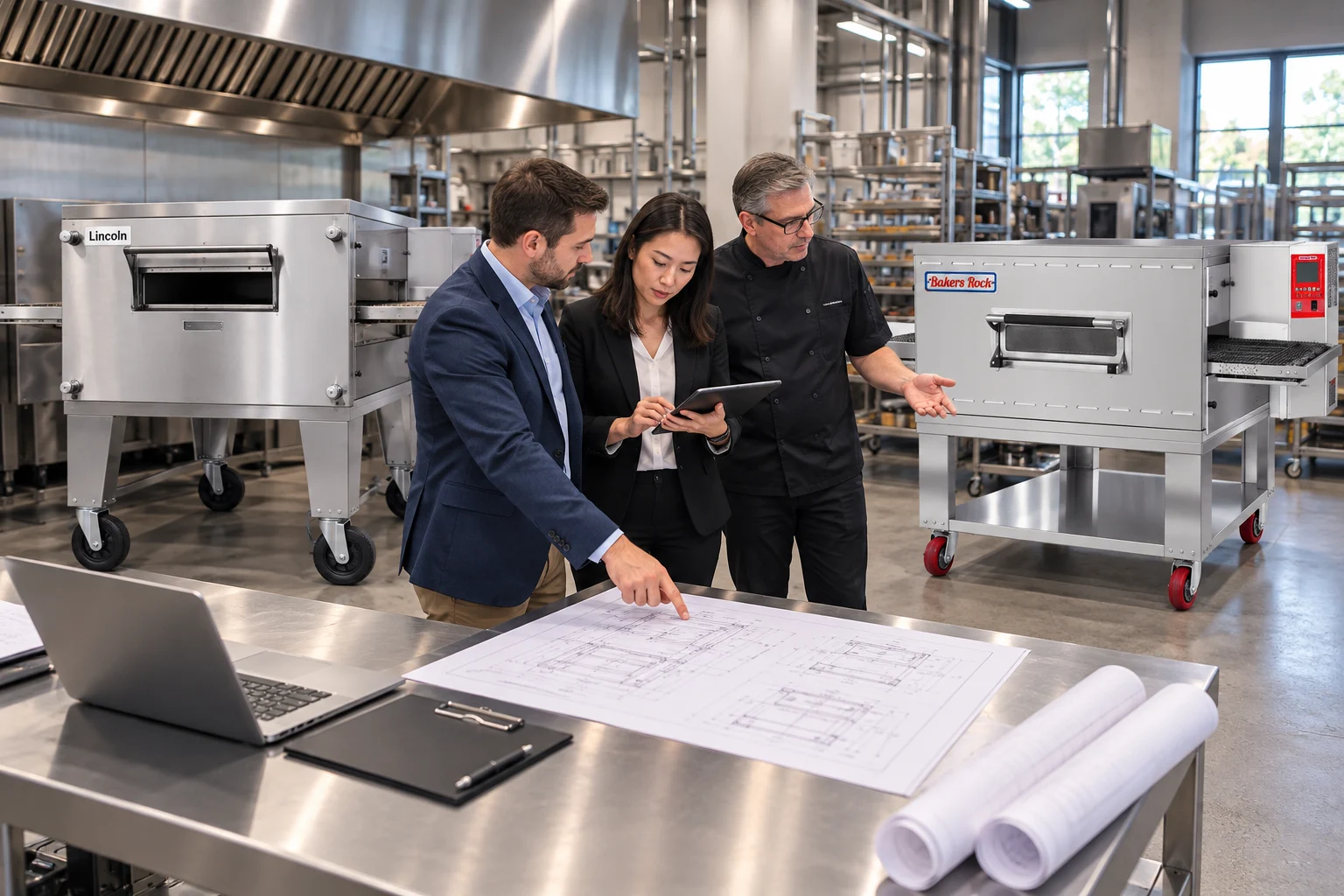
For a distributor, comparing Lincoln and Bakers Rock conveyor pizza ovens is a brand-level sourcing decision—not a contest between two individual model numbers. The right choice depends on the customer’s menu, required production capacity, site utilities, delivered cost, and the support the distributor can provide after installation.
A practical comparison should begin with the same application brief and a complete quotation from each supplier. Review configuration, test results, installation requirements, spare-parts coverage, and service terms before presenting either brand as the better fit. Bakers Rock can be evaluated as an affordable alternative for buyers seeking a cost-effective commercial pizza oven, while any projected 30%–40% budget saving should be verified through comparable, current quotations.
Brand recognition alone does not establish whether an oven fits a particular operation. Before requesting quotes, document the customer’s pizza sizes, dough and topping loads, menu mix, peak-hour demand, operating schedule, desired bake, and available kitchen space. Note whether the oven will also handle snacks, sandwiches, baked dishes, or other products.
Then send the same brief to both suppliers. Ask them to identify the proposed oven configuration, belt width, heated area, controls, utilities, accessories, and assumptions behind any capacity estimate. A distributor should not compare a broad Lincoln product family with a single Bakers Rock configuration—or imply that every model from either brand serves the same use case.
This brand-level process also protects the customer from a common purchasing mistake: treating a familiar brand name or a similar belt dimension as proof of equal output. Production depends on the product, loading pattern, belt settings, bake target, and operating conditions. A representative menu test is more useful than a general claim about throughput.
A lower purchase price can create a meaningful advantage, but only if both quotations cover comparable equipment and delivery scope. Build a landed-cost comparison that includes the oven, accessories, export packing, freight, insurance, duties, local delivery, installation, electrical or gas work, commissioning, training, and any initial spare-parts kit.
For a distributor, the calculation should also account for warehousing, technical labor, site surveys, warranty administration, service travel, and inventory needed to support customers. If a proposed oven requires changes to the customer’s electrical supply, ventilation, or kitchen layout, include those costs rather than treating them as unrelated expenses.
Bakers Rock’s positioning is as a cost-effective commercial pizza oven option for buyers who want to assess a lower-cost alternative to established brands. A 30%–40% budget saving is a quotation target—not a universal price promise. Verify it against the exact configuration, order quantity, currency, freight, duties, installation, and support terms. The result may vary by market and project scope, so distributors should retain the assumptions behind any savings figure they share with a customer.
A fair comparison does not assume that a lower-priced offer provides identical features or service. Instead, list inclusions and exclusions side by side, then decide whether the proposed scope meets the customer’s requirements.
Conveyor ovens support repeatable production, but the useful capacity for a specific chain depends on more than the oven’s nominal size. The distributor should establish the customer’s expected products per hour and test representative items using agreed conditions. Record bake settings, product spacing, belt loading, finished-product criteria, and any recipe adjustments.
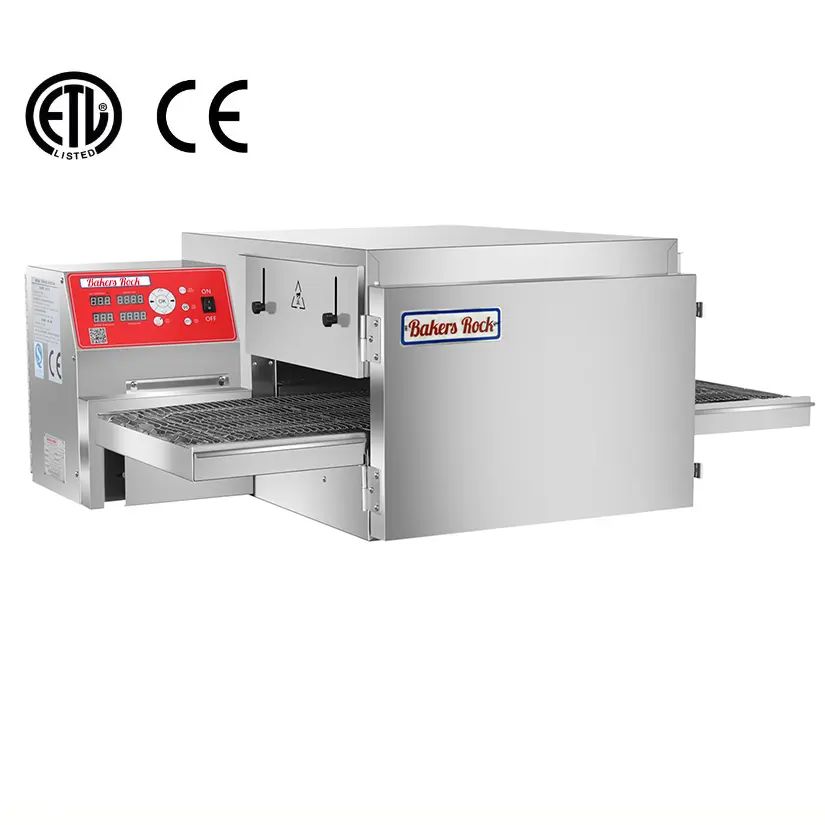
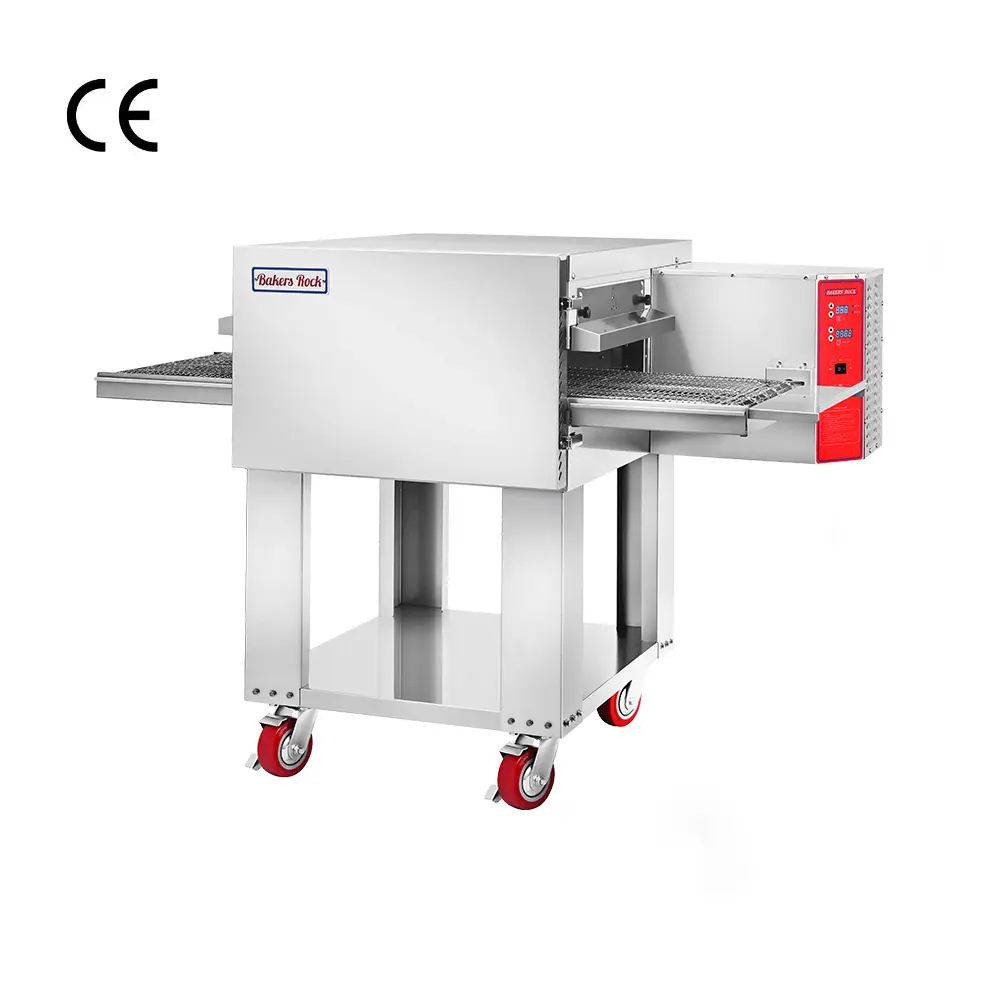
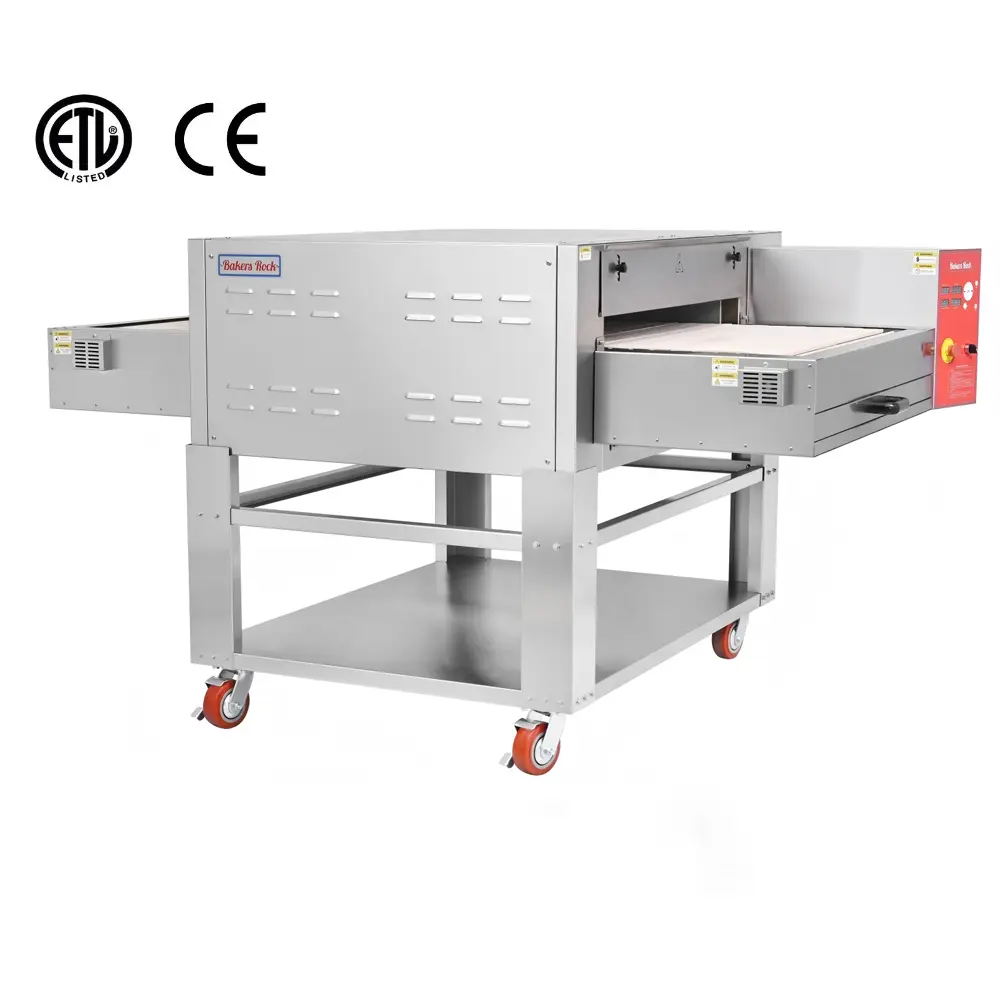
For example, Bakers Rock’s H3240 is one electric conveyor-oven configuration buyers can review for a medium- or large-volume application. Its published specifications list a 32-by-40-inch heating area, an adjustable setting time of 2–30 minutes, a maximum temperature of 300°C, and a rated power of 27 kW. The page also lists multiple electrical configurations, including 208 V, 220 V, and 380 V, with three-phase supply details. Buyers should confirm the current specification sheet and local electrical compatibility for the exact quoted unit.
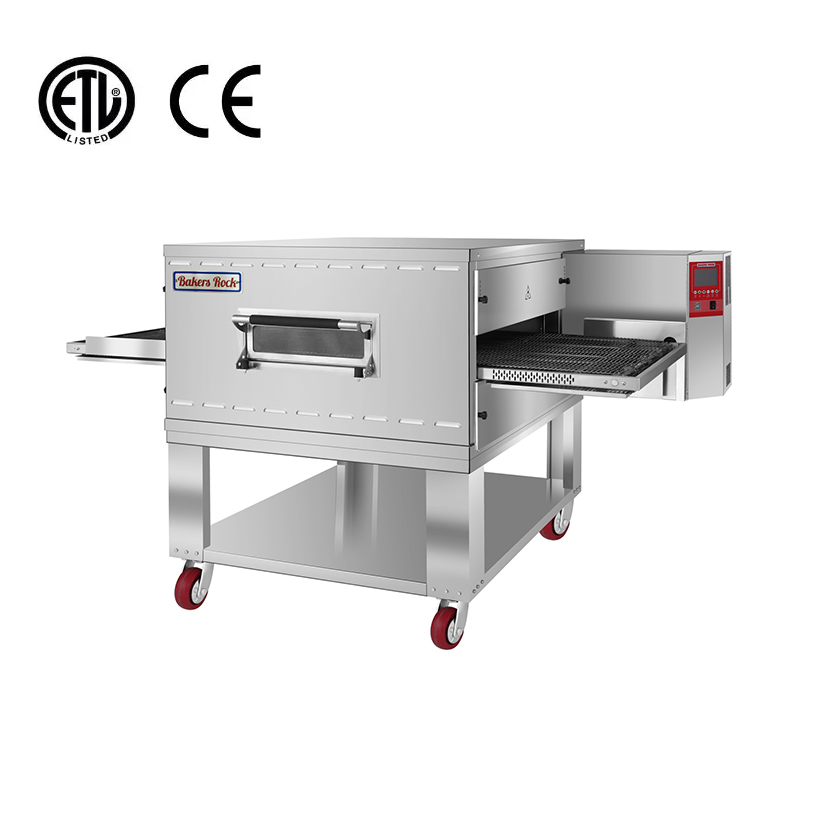
These published figures help a buyer begin a fit assessment; they do not establish an hourly pizza output or prove equivalence with any Lincoln oven. Capacity should be validated using the buyer’s menu, loading pattern, and target bake. For a chain rollout, conduct a pilot before specifying a configuration across multiple sites.
The support model matters because the distributor often remains the customer’s first point of contact when equipment needs attention. Before listing either brand, ask how technical questions are escalated, which maintenance documents are supplied, how parts are identified and ordered, and what diagnostic information the service team will need.
Request a written warranty and spare-parts policy. Clarify the coverage period, exclusions, definition of wear parts, process for reporting a failure, responsibility for freight, and whether the terms apply in the destination country. These details help distributors estimate after-sales workload and explain responsibilities accurately to customers.
Bakers Rock’s supplied company information describes online voice and video guidance for parts replacement and repair requests, and free replacement parts for qualifying non-human-caused failures during the first two years, excluding wear parts. The same material describes support after that period as chargeable for parts. Confirm the exact scope and eligibility in the quotation or warranty document. If lifetime technical support is included in the offer for a specific market or order, have that commitment confirmed in writing before presenting it as a contract term.
Review the Bakers Rock after-sales service information and ask which support commitments apply to the proposed equipment and territory.
Bakers Rock is the overseas brand of QiangAn, a company whose supplied materials describe 26 years of specialization in conveyor pizza ovens. For a distributor comparing established options such as Lincoln, Middleby Marshall, or XLT, that manufacturing focus may make Bakers Rock worth qualifying as an affordable alternative—particularly when the customer’s priority is balancing production needs with equipment budget.
A brand-level comparison should still be evidence-led. Avoid promising “the same quality” or an exact saving without application tests, a defined configuration, and comparable commercial terms. Instead, position the offer around verifiable factors: the proposed configuration, the supplier’s documented manufacturing experience, the support terms confirmed for the territory, and the total delivered cost.
El H3240 product specification can serve as one concrete Bakers Rock example in a distributor review. It should not be treated as a universal substitute for every Lincoln oven. The right alternative depends on the application and on whether the specific configuration meets the buyer’s production, utility, installation, and service requirements.
Before recommending either brand, confirm:
If a project may suit another electric configuration, compare the broader electric impingement oven range against the customer’s requirements. For a project-specific quotation, share the menu, target output, destination, utilities, quantity, and layout details with the Bakers Rock technical quotation team.
Lincoln and Bakers Rock should be compared as commercial oven brands against the same customer brief—not reduced to a matchup between isolated model numbers. Distributors can make a defensible recommendation by testing representative products, checking site requirements, comparing complete landed costs, and reviewing support terms in writing.
Bakers Rock may be a cost-effective alternative for buyers seeking to manage equipment budgets, with the H3240 serving as one example configuration. Treat a 30%–40% saving as a figure to verify through comparable quotations, and confirm any two-year parts or lifetime-support commitments for the relevant market before using them in a proposal.
No. The article compares Lincoln and Bakers Rock at the brand level. H3240 is used only as an example of one Bakers Rock configuration; buyers should compare the exact proposed equipment for their application.
Possibly, but the figure should be substantiated by current, like-for-like quotations. Configuration, order size, freight, duties, installation, utilities, and support can change the final difference.
No single configuration should be assumed to fit every application from another brand. Confirm menu, capacity, utilities, footprint, and installation requirements, then validate the choice with a representative product test.
Get the warranty, wear-part exclusions, replacement-parts process, technical-support scope, destination coverage, and freight responsibilities in writing before quoting the customer.