Nullam dignissim, ante scelerisque - это euismod Fermentum Odio sem semper the is Erat, a feugiat leo urna eget eros. Дуис Энеан непреодолимый риск.
Nullam dignissim, ante scelerisque - это euismod Fermentum Odio sem semper the is Erat, a feugiat leo urna eget eros. Дуис Энеан непреодолимый риск.
 автор
автор
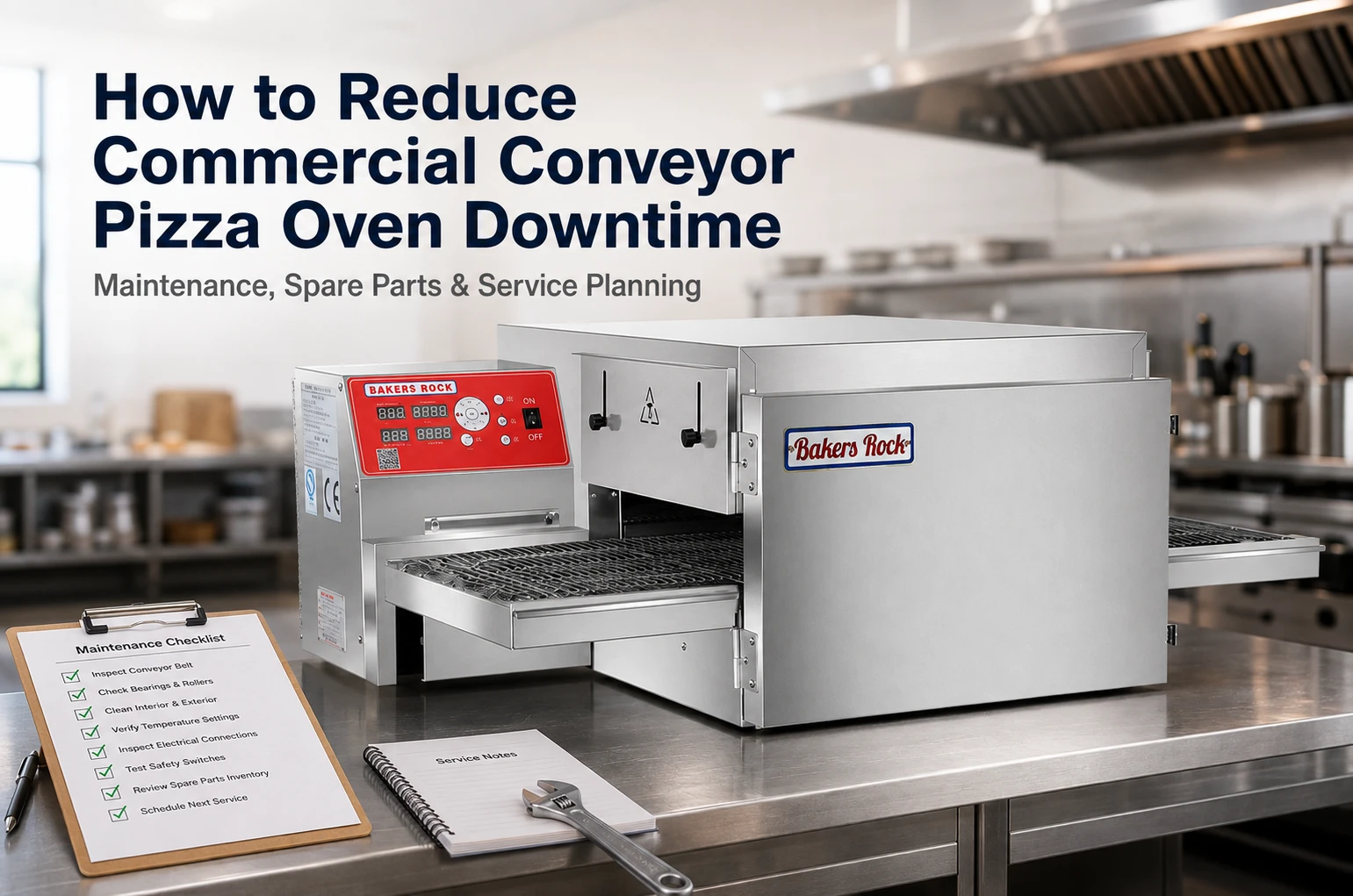
Простои в работе промышленных конвейерных печей для пиццы редко начинаются в тот самый момент, когда печь останавливается. Задержки ленты, повторяющиеся колебания температуры, ненормальный шум, повторяющиеся ошибки управления или более длительное восстановление во время интенсивного производства могут проявляться раньше. Поэтому для ресторана, сети пиццерий или предприятия общественного питания практическая цель состоит не просто в том, чтобы быстрее ремонтировать оборудование. Она заключается в раннем выявлении рисков, планировании технического обслуживания с учетом условий эксплуатации, подготовке критически важных запасных частей, документировании отказов и определении момента, когда дальнейший ремонт перестает быть экономически целесообразным.
Эффективная программа технического обслуживания конвейерных печей для пиццы рассматривает время безотказной работы как операционный процесс. Ежедневные проверки, техническое обслуживание, планирование запасных частей, реагирование на остановки производства, проверка возможности перезапуска и выбор будущего оборудования должны способствовать достижению одной и той же цели: сокращению незапланированных перерывов в работе в периоды, критически важные для получения дохода.
Для сокращения времени простоя промышленных конвейерных печей для пиццы необходимо предпринять пять взаимосвязанных действий:
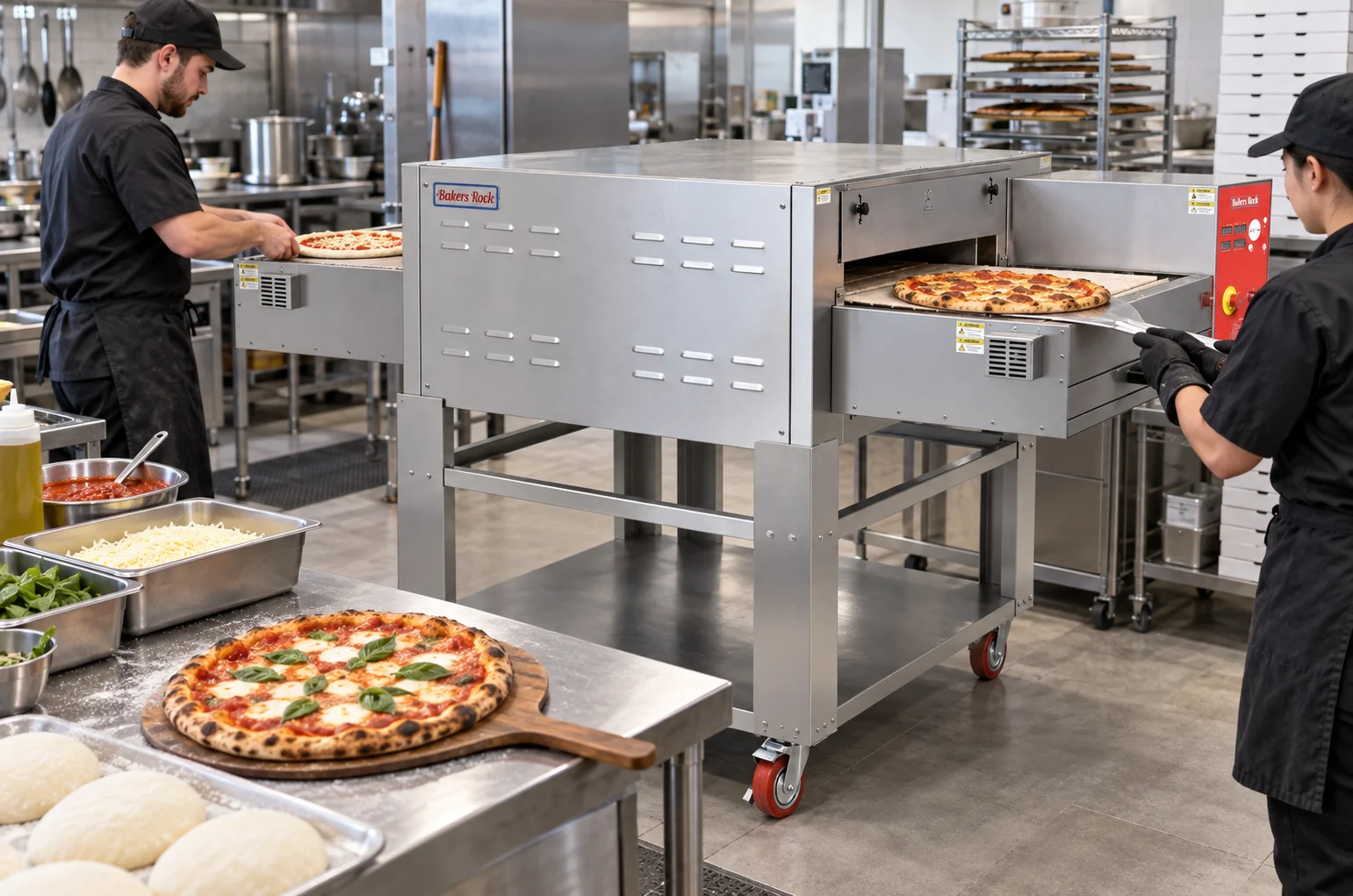
Для ресторанов, владеющих несколькими заведениями, план также должен учитывать обеспечение непрерывности бизнеса. Программа технического обслуживания считается неполной, если отказ одного оборудования может остановить всю линию по производству пиццы без временной стратегии производства. В собственных рекомендациях Bakers Rock по конфигурациям с многоярусными и одиночными крупными конвейерами отмечается, что при планировании производственных мощностей следует учитывать доступ для технического обслуживания, запасные части и непредвиденные простои.
Многим остановкам предшествуют наблюдаемые изменения. Цель ранней проверки состоит не в том, чтобы диагностировать каждую внутреннюю неисправность, а в том, чтобы определить, когда нормальная работа изменилась настолько, что оправдывает проведение расследования.
| Предупреждающий знак | Зона риска, требующая исследования. | Рекомендуемый следующий шаг |
|---|---|---|
| Лента заедает или изменяется время в пути. | Привод или управление конвейером | Зафиксируйте фактическое время в пути и организуйте проверку. |
| Повторяющиеся колебания температуры | Система отопления, датчик или система управления | Сравните настройки с результатами, которые можно получить при повторном использовании продукта. |
| Фиксированная зона тепла или холода | Подача тепла или поток воздуха | Перед применением новых настроек проведите исследование. |
| Новая вибрация или ненормальный шум | Механическая система | Планируйте проверку до начала пикового обслуживания. |
| Повторяющиеся срабатывания или ошибки управления | Электрическая/система управления | Зафиксируйте доказательства и примите соответствующие меры. |
В рекомендациях Bakers Rock по устранению неполадок движение конвейера, поток воздуха, реакция на нагрев и элементы управления рассматриваются как отдельные системы, которые следует методично тестировать. Также рекомендуется измерять фактическое время перемещения конвейера, а не предполагать, что отображаемые настройки соответствуют реальному движению.
Цель состоит в раннем устранении проблемы. Если оператор неоднократно устраняет симптомы, повышая температуру, замедляя движение конвейерной ленты или перезапуская печь, основная проблема может сохраняться до тех пор, пока не приведет к более серьезному сбою.
График профилактического обслуживания коммерческой печи для пиццы должен отражать конкретную модель, инструкции производителя, часы работы, производственную нагрузку, условия очистки и историю отказов. Для оживленного магазина, работающего в течение длительного времени каждый день, приоритеты в техническом обслуживании не обязательно совпадают с приоритетами кафе с небольшим потоком посетителей, использующего аналогичное оборудование.
Операторы находятся в удобном положении для того, чтобы заметить видимые и повторяющиеся изменения: необычное движение ленты, новые шумы, чрезмерное количество остатков, сообщения системы управления, повреждение доступных компонентов или изменение консистенции готового продукта. Эти наблюдения можно зафиксировать, не вскрывая внутренние электрические или приводные системы.
Работы, требующие участия специалиста, следует начинать с тех мест, где требуется обслуживание оборудования, включая руководство по эксплуатации, электрическую систему, приводной механизм, компоненты системы отопления или другие внутренние системы, требующие квалифицированного специалиста. Граница между этими местами имеет значение, поскольку ненужная разборка или многократные сбросы настроек могут осложнить диагностику и создать дополнительные риски.
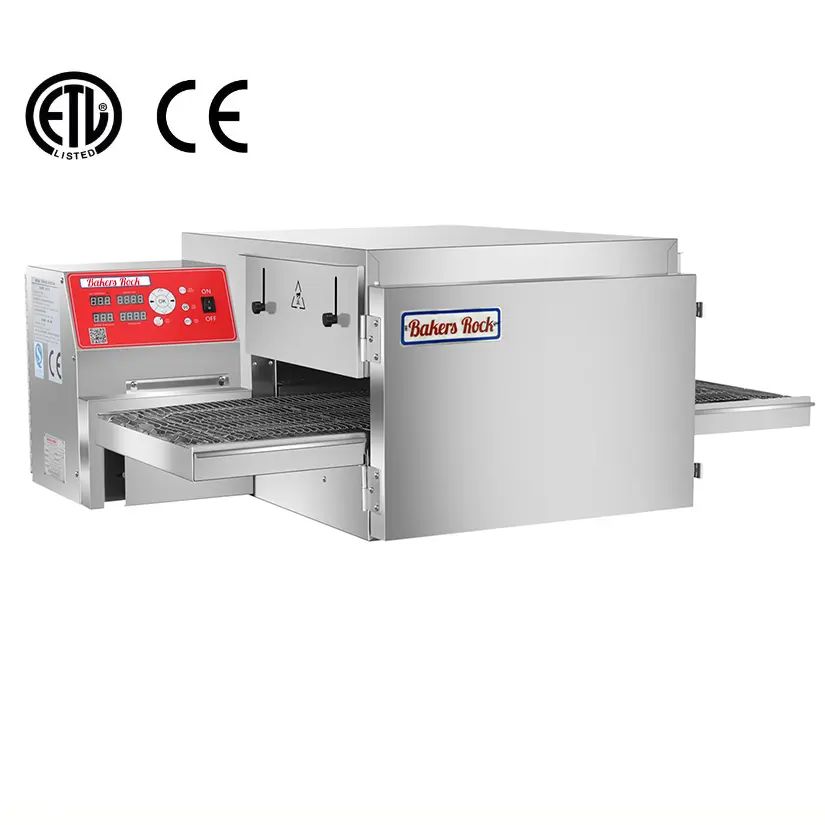
Очистка также является частью планирования времени безотказной работы. Компания Bakers Rock отмечает, что в некоторых моделях конвейеров используются съемные или доступные компоненты, предназначенные для упрощения плановой очистки и технического обслуживания. Например, модель H1624Pro имеет полностью открывающуюся переднюю дверцу и быстросъемную переднюю панель, предназначенную для улучшения доступа при очистке и обслуживании.
Избегайте универсальных формулировок, таких как «обслуживание каждые три месяца», если это не указано в документации к конкретной модели.
Вместо этого ведите учет технического обслуживания, в котором указываются часы работы (если таковые имеются), даты очистки, повторяющиеся симптомы, посещения техника, замененные детали, наблюдения за ремнями, ошибки управления и производственные условия на момент возникновения проблемы.
Повторяющаяся проблема требует более высокого приоритета при проверке, чем компонент, не имевший в прошлом никаких отклонений. Аналогично, для печи, работающей непрерывно в течение длительных периодов пиковой нагрузки, может потребоваться иной план технического обслуживания, чем для оборудования, используемого с перерывами.
Полезно задать не только вопрос: «Когда в последний раз проводилось техническое обслуживание этой печи?», а вопрос: «В каких условиях работала эта печь с момента последней проверки?»
Ожидание запчасти может превратить незначительную неисправность оборудования в длительный перерыв в производстве. В то же время, хранение всех возможных компонентов на складе редко бывает целесообразным.
При планировании поставок запасных частей для бизнеса (B2B) следует учитывать четыре фактора: влияние на операционную деятельность в случае отказа детали, время пополнения запасов, количество установленных идентичных печей и доступ к квалифицированному местному сервисному центру.
Простое правило таково:
Значительные простои + длительное время пополнения запасов = необходимо выяснить, следует ли заранее закупать деталь на складе.
Детали, оказывающие незначительное влияние на производство и имеющие короткие сроки замены, обычно можно обрабатывать по-другому.
Не следует составлять список запасных частей, основываясь только на общих названиях компонентов. Запрашивайте точные номера деталей и информацию о модификациях для конкретной модели. В рекомендациях Bakers Rock по аудиту поставщиков особо подчеркивается необходимость разделения изнашиваемых деталей от критически важных компонентов, подверженных простоям, и проверки идентификации деталей, модификаций, сроков поставки, документации и требований к установке до ввода оборудования в эксплуатацию.
Для сетей, использующих несколько одинаковых печей, стандартизация оборудования также может упростить решения по пополнению запасов, поскольку одна проверенная запасная часть может обслуживать более чем одно место, при условии точной совместимости моделей.
Когда печь останавливается во время часа пик, давление с целью немедленного перезапуска вполне понятно. Однако полезная информация о неисправности может исчезнуть, если персонал неоднократно сбрасывает настройки или меняет множество параметров, прежде чем задокументировать произошедшее.
Создайте простую запись о простое. Прежде чем вносить какие-либо изменения, не необходимые для безопасного завершения работы, запишите следующее:
Эта информация может значительно повысить точность общения со службой технической поддержки. В рекомендациях Bakers Rock для поставщиков и сервисных центров особое внимание уделяется сопоставлению технических характеристик, конфигурации, деталей и результатов тестирования с конкретной моделью печи, а не использованию информации от аналогичной модели.
Операторам следует прекратить поиск и устранение неисправностей, если симптомы выходят за рамки плановых проверок или действий, разрешенных документацией на оборудование. Повторные срабатывания электросети, нестабильная работа привода, постоянные неисправности системы управления, необычная реакция на нагрев или проблемы, связанные с внутренними электрическими или газовыми системами, должны быть переданы квалифицированному сервисному персоналу.
Цель состоит не в том, чтобы превратить персонал ресторанов в специалистов по ремонту печей. Цель – предоставить им четкую точку эскалации.
Компания Bakers Rock предоставляет специализированный канал послепродажного обслуживания для технического обслуживания, запросов на запасные части и поддержки эксплуатации, что наглядно демонстрирует, почему доступ к сервисному центру следует планировать до поломки, а не искать после остановки производства.
Повторное включение духовки не обязательно означает, что первоначальная проблема решена.
После завершения обслуживания выполните контролируемую последовательность перезапуска, соответствующую модели и выполненному обслуживанию. При необходимости сначала понаблюдайте за печью без производства, проверьте движение конвейера и фактическое время перемещения, затем выпекайте стандартный продукт.
Если причиной проблемы была нестабильность качества, сравните идентичные продукты в пределах рабочей зоны приготовления. Наконец, повторите загрузку, чтобы определить, остается ли производительность стабильной по мере продолжения производства. Существующая методика поиска и устранения неисправностей в Bakers Rock использует стандартизированные пиццы, несколько рабочих мест и проверки фактического времени работы конвейера, чтобы отделить проблемы с оборудованием от вариаций в качестве продукции.
Возобновлять работу духовки в часы пиковой нагрузки следует только после того, как будет подтверждено качество ремонта в условиях, которые в разумных пределах соответствуют нормальной коммерческой эксплуатации.
Техническое обслуживание не может устранить все неисправности. Поэтому руководству ресторана следует задаться вопросом, что произойдет, если основная печь выйдет из строя.
Временный план может включать в себя приоритезацию меню, альтернативную производственную линию, доступное дополнительное оборудование или утвержденную конфигурацию с несколькими печами. В сравнении Bakers Rock между одиночными большими и многоярусными конвейерными печами отмечается, что независимость компонентов, планирование технического обслуживания, наличие запасных частей и временное планирование производства влияют на вероятность простоя.
Повторяющиеся простои также поднимают другой вопрос: ремонт или замена?
Анализируйте общую картину отказов, а не только отдельные счета за ремонт. Частые отказы нескольких систем, всё более сложная доступность запчастей, длительные периоды восстановления, недостаточная пропускная способность в часы пик или низкая надёжность после разумного ремонта могут оправдать пересмотр решения о замене оборудования. В рекомендациях Bakers Rock по сравнению нового и подержанного оборудования также указывается, что доступность запчастей, история обслуживания, тестирование и незапланированные простои являются факторами, влияющими на принятие решения о замене оборудования.
Предотвращение простоев должно начинаться на этапе закупок.
Покупатели часто сравнивают ширину ленты, температуру, мощность, производительность и цену покупки, уделяя меньше внимания удобству обслуживания. Более полная оценка должна включать в себя доступ к месту очистки, доступ к сервисной панели, наличие руководств и информации о запасных частях, идентификацию запасных частей, объем гарантии, каналы технической поддержки и возможность стандартизации распространенных моделей в разных магазинах.
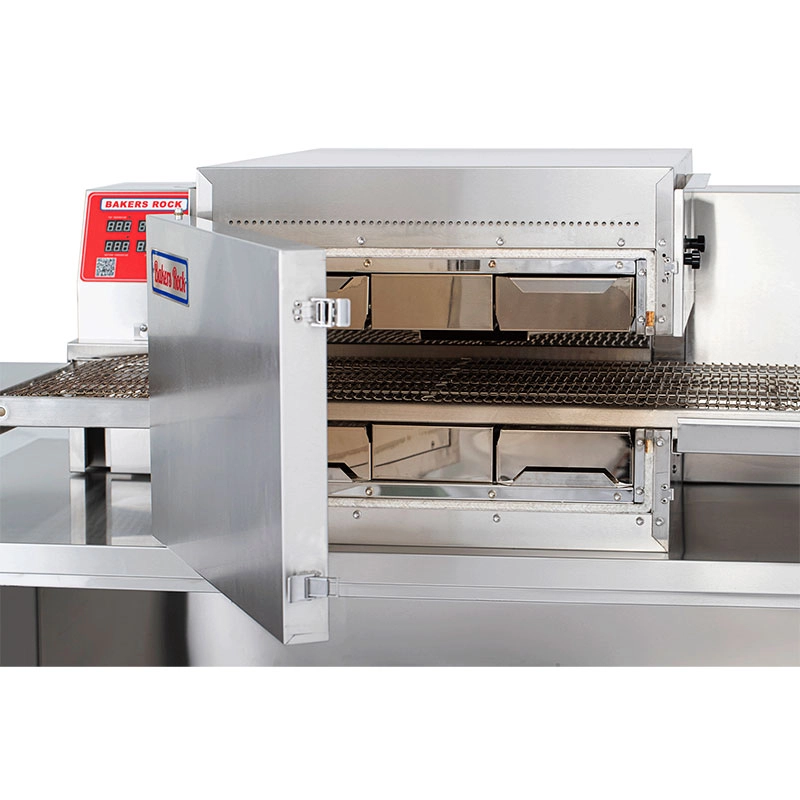
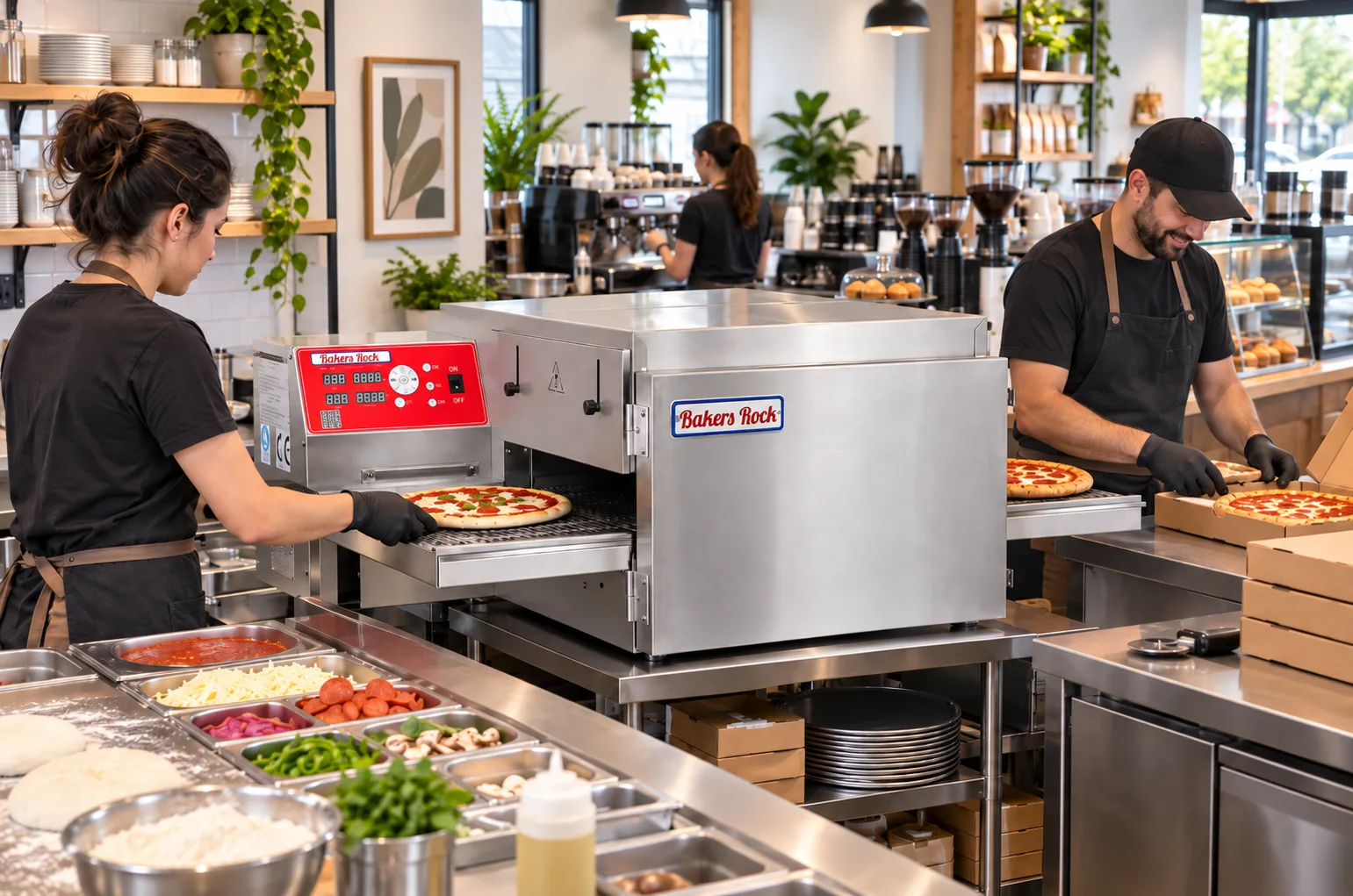
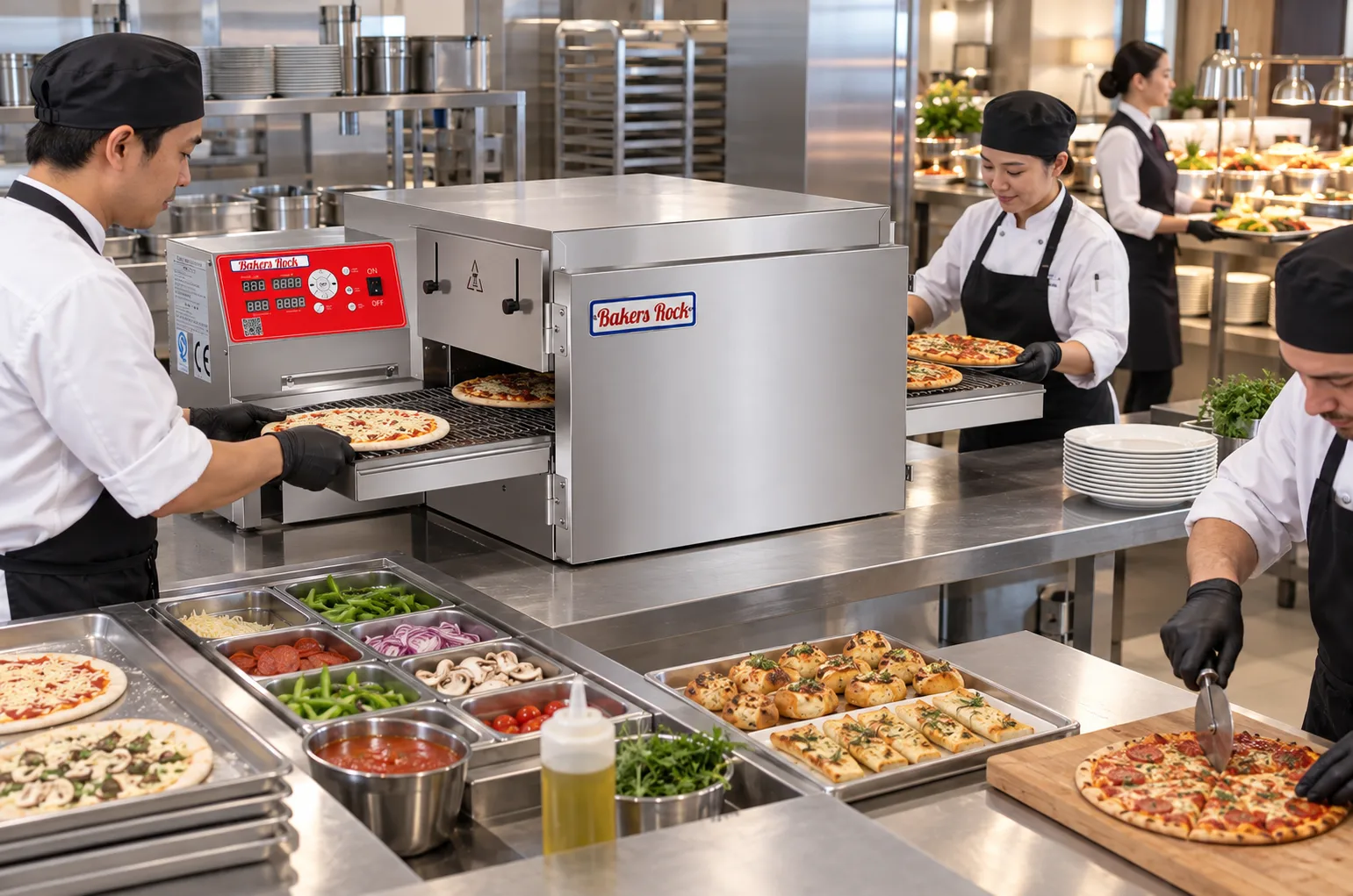
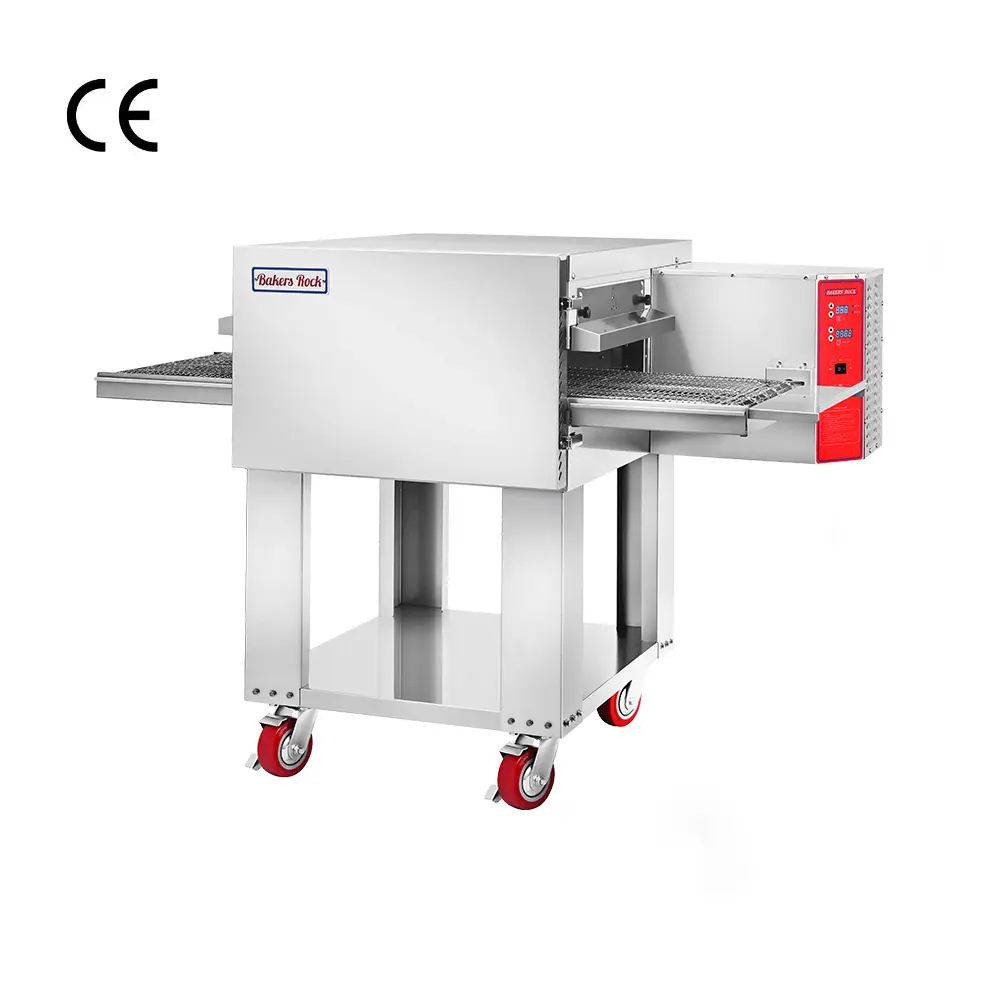
Он Конвейерная печь H1624Pro размером 16 дюймов, настольная. В качестве конкретного примера удобства обслуживания приводится конструкция с полностью открывающейся передней дверцей и быстросъемной передней панелью для облегчения чистки и обслуживания. На странице товара также указано, что эта модель предназначена для небольших пиццерий, фудтраков, кафе, буфетов и закусочных.
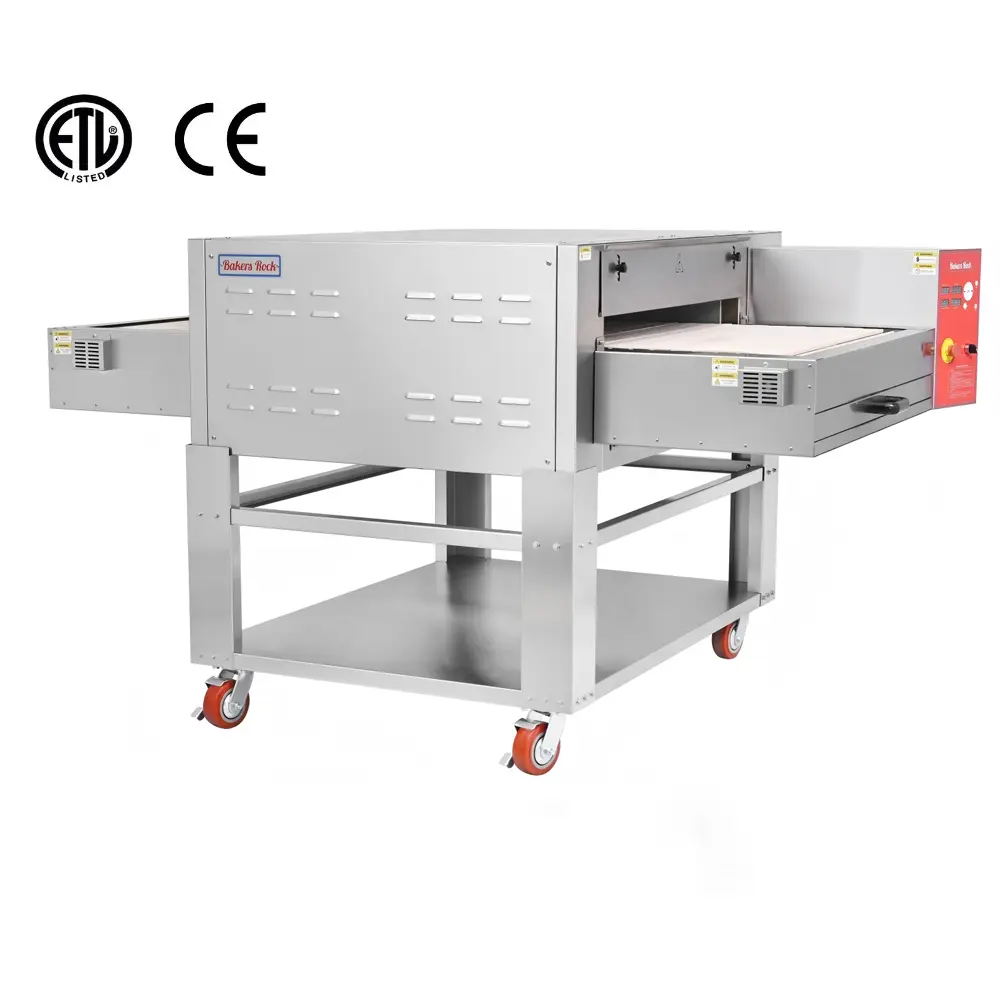
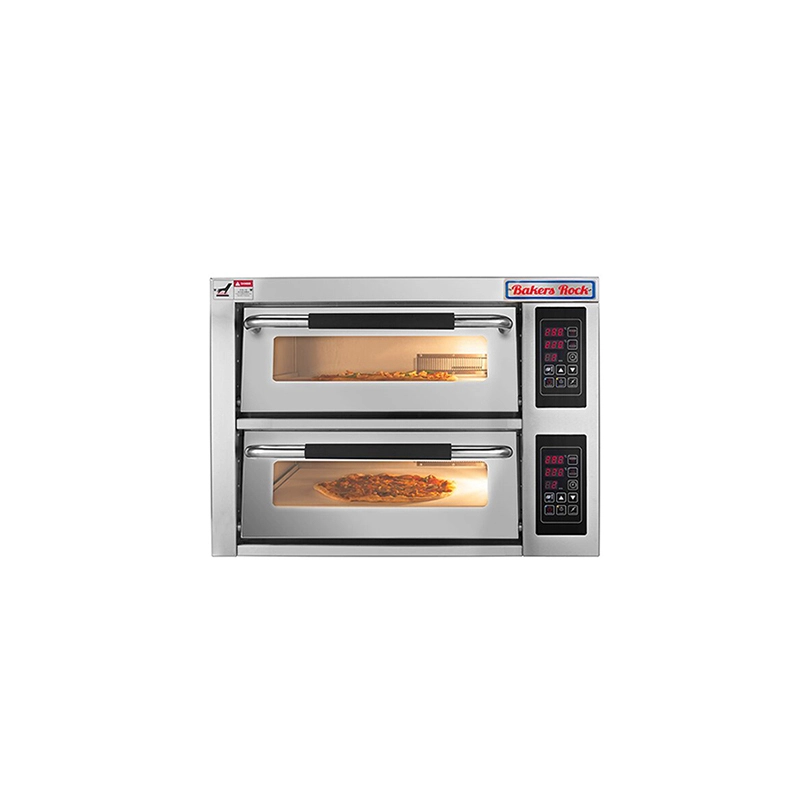
Для покупателей, сравнивающих более широкий набор конфигураций, Коммерческие конвейерные печи для пиццы Bakers Rock Включает в себя несколько категорий и мощностей конвейеров, а на текущем сайте компании также предусмотрены отдельные разделы, посвященные продукции, технической поддержке и послепродажному обслуживанию.
Возможности поставщика имеют такое же значение, как и само оборудование. Профиль производителя Bakers Rock Компания Shanghai QiangAn FoodService Equipment Co., Ltd. названа производителем данного бренда и описывает свою специализацию на решениях для конвейерных печей для пиццы, предназначенных для сетей пиццерий, ресторанных групп и предприятий общественного питания.
Таким образом, вопрос, касающийся закупок, должен звучать так: «Если эта печь станет критически важной для производства, можно ли определить, обслуживать, документировать и поддерживать именно ее конфигурацию?»
Подробный запрос на обслуживание или замену может сократить количество ненужных переписок.
Предоставьте фотографию текущей модели печи и заводской таблички, описание неисправностей, историю технического обслуживания (фотографии или видео), часы работы (если известны), диаметр пиццы, типичное время выпечки, пиковую производительность, доступные коммуникации, место для установки, а также необходимую сервисную поддержку или запасные части.
Если рассматривается вопрос о замене, укажите конкретную причину: повторяющиеся поломки, недостаточная мощность, недоступность запчастей, затрудненный доступ для очистки или обслуживания, а также изменение меню и производственных потребностей.
В рекомендациях компании Bakers Rock по замене оборудования также рекомендуется перед выбором новой конфигурации задокументировать существующую модель, требования к продукту, коммунальные услуги, площадь, мощность и потребности в поддержке.
Для сокращения времени простоя промышленных конвейерных печей для пиццы необходим комплексный процесс: раннее выявление изменений, техническое обслуживание в соответствии с фактическими эксплуатационными рисками, подготовка критически важных запасных частей, документирование неисправностей, безопасная эскалация проблем, проверка качества ремонта и извлечение уроков из повторяющихся инцидентов.
Когда простои становятся достаточно частыми, чтобы инициировать пересмотр вариантов замены, следует оценивать ремонтопригодность и поддержку наряду с производительностью и эффективностью выпечки.
В случае замены оборудования, связанной с техническим обслуживанием, или приобретения нового оборудования, покупатели могут связаться с Бейкерс-Роком с указанием модели печи, симптомов неисправности, фотографий или видео, истории технического обслуживания, характеристик пиццы, пиковой нагрузки, коммунальных услуг, условий установки, места назначения и необходимого количества.
Используйте проверки раннего предупреждения, профилактическое техническое обслуживание на основе оценки рисков, планирование запасных частей для каждой модели, документированный процесс остановки и контролируемое тестирование при повторном запуске. Повторяющиеся отказы следует регистрировать, чтобы можно было отличить повторяющиеся проблемы от единичных случаев.
Интервал технического обслуживания должен точно соответствовать документации производителя и учитывать часы работы, производственную нагрузку, условия окружающей среды, условия очистки и историю отказов. Универсальный интервал технического обслуживания не следует предполагать для каждой модели.
Распределяйте приоритеты по запчастям в зависимости от влияния на время простоя, времени пополнения запасов, количества установленных печей и доступности местных сервисных центров. Запрашивайте точные номера деталей для конкретной модели и отделяйте детали, подверженные обычному износу, от компонентов, которые могут остановить производство.
Необходимо передать проблему вышестоящему руководству, если она связана с повторяющимися срабатываниями, внутренними электрическими или газовыми системами, нестабильной работой привода конвейера, постоянными неисправностями системы управления, аномальной реакцией на нагрев или выполнением работ вне инструкций оператора, указанных для данного оборудования.
Начинайте анализ возможности замены оборудования, когда отказы становятся повторяющимися, запчасти трудно достать, время восстановления постоянно нарушается, мощность больше не соответствует пиковому спросу или надежность остается низкой, несмотря на надлежащее обслуживание. При принятии решения следует учитывать влияние на операционную деятельность, а не только стоимость одного ремонта.