Nullam dnissim, ante scelerisque the is euismod fermentum odio sem semper the is erat, feugiat สิงห์ urna eget eros ดุส เอเนียน การเพิ่มขึ้นของความไม่แน่นอน
Nullam dnissim, ante scelerisque the is euismod fermentum odio sem semper the is erat, feugiat สิงห์ urna eget eros ดุส เอเนียน การเพิ่มขึ้นของความไม่แน่นอน
 ผู้เขียน
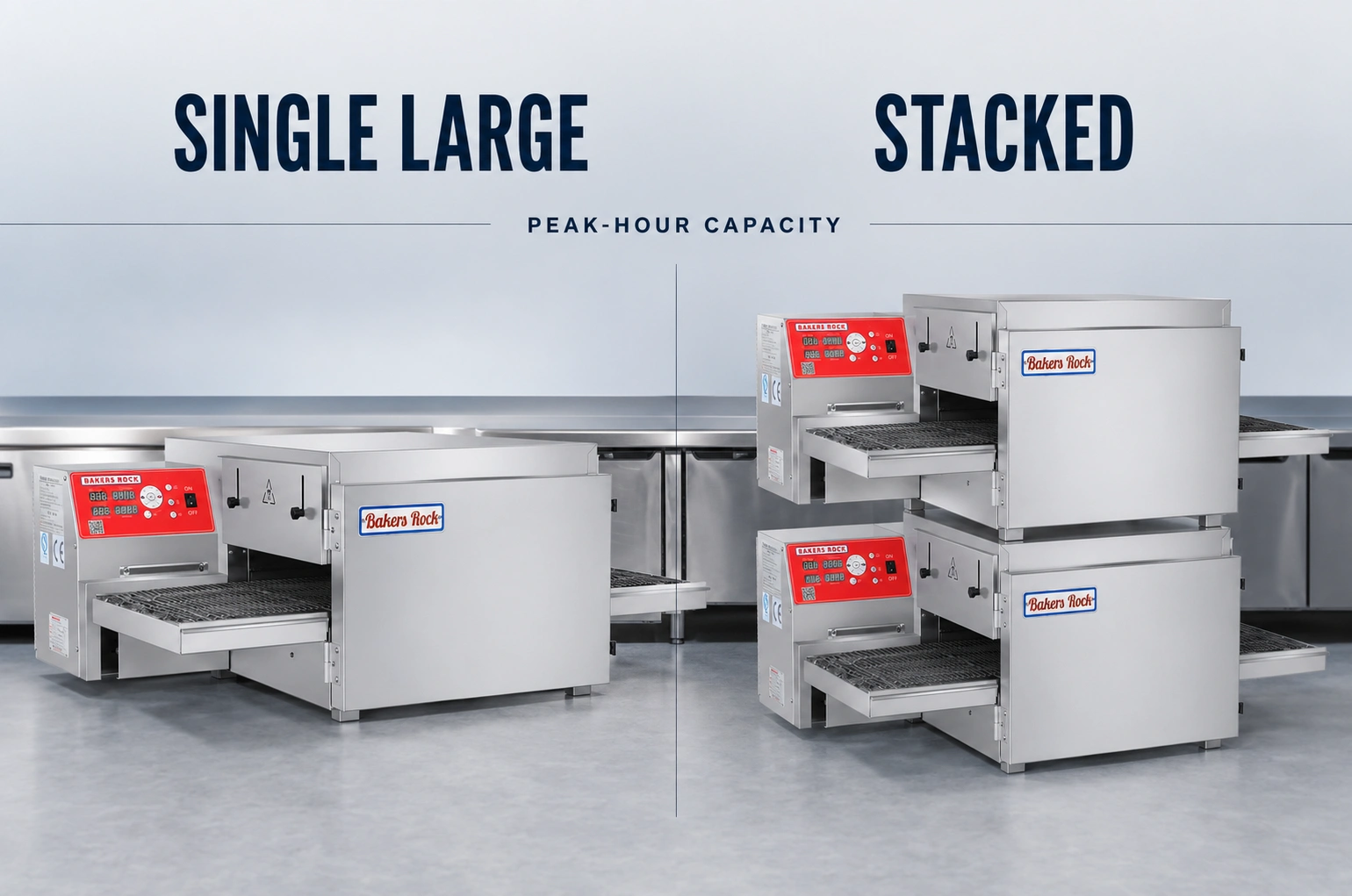
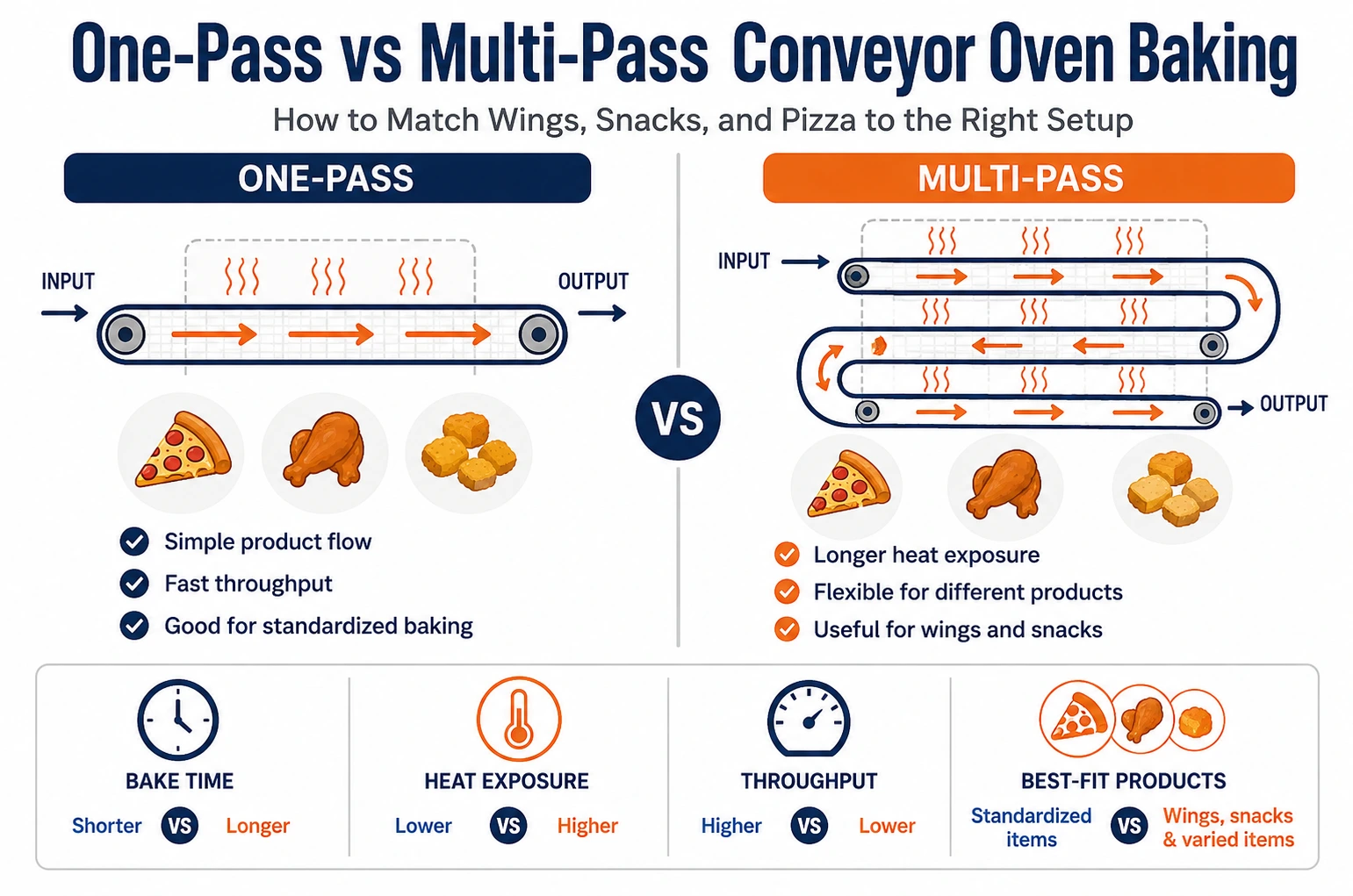
การเลือกใช้ระหว่างเตาอบสายพานลำเลียงขนาดใหญ่แบบเดี่ยวกับเตาอบสายพานลำเลียงแบบเรียงซ้อนนั้น ส่วนใหญ่ขึ้นอยู่กับการวางแผนกำลังการผลิต เตาอบขนาดใหญ่มักเหมาะกับการผลิตที่มีปริมาณมากและคงที่ โดยใช้โปรไฟล์การปรุงอาหารแบบเดียว ในขณะที่ระบบแบบเรียงซ้อนอาจเหมาะสมกว่าเมื่อความต้องการผันผวน สูตรอาหารต้องการการตั้งค่าที่แตกต่างกัน พื้นที่จำกัด หรือต้องดำเนินการผลิตบางส่วนต่อไปในระหว่างการบำรุงรักษา
การเลือกที่ถูกต้องนั้นขึ้นอยู่กับปริมาณงานที่ทำได้ในช่วงเวลาที่มีการใช้งานสูงสุด ไม่ใช่ขนาดของเตาอบเพียงอย่างเดียว ก่อนที่จะเปรียบเทียบกัน เตาอบสายพานลำเลียงเชิงพาณิชย์ผู้ซื้อควรบันทึกข้อมูลเกี่ยวกับขนาดของผลิตภัณฑ์ เวลาในการปรุงอาหาร รูปแบบการบรรจุ ปริมาณสูงสุด พื้นที่ว่าง และสภาพการใช้งาน
เตาอบขนาดใหญ่แบบเดี่ยวจะรวมการผลิตไว้ในห้องเดียว ในขณะที่เตาอบสายพานลำเลียงแบบสองชั้นจะแบ่งกำลังการผลิตออกเป็นสองหน่วยที่จัดเรียงในแนวตั้ง ไม่มีการกำหนดค่าใดที่จะเร็วกว่าหรือประหยัดกว่าโดยอัตโนมัติ ความกว้างของสายพาน ความยาวของห้อง เวลาในการลำเลียง ระยะห่างระหว่างผลิตภัณฑ์ และตารางการทำงาน ล้วนเป็นตัวกำหนดผลลัพธ์ที่แท้จริง
| ปัจจัยในการตัดสินใจ | เตาอบสายพานลำเลียงขนาดใหญ่หนึ่งเครื่อง | เตาอบสายพานลำเลียงแบบเรียงซ้อน |
|---|---|---|
| ความต้องการที่มั่นคงและต่อเนื่อง | มักจะเข้ากันได้ดี | อาจให้ความยืดหยุ่นมากกว่าที่จำเป็น |
| ความผันผวนของจุดสูงสุด/จุดต่ำสุดค่อนข้างมาก | ปรับตัวได้น้อยกว่าเมื่อรับน้ำหนักเพียงบางส่วน | เตาอบแต่ละเครื่องอาจรองรับการทำงานแบบเป็นขั้นตอนได้ ขึ้นอยู่กับการออกแบบของรุ่น |
| สูตรอาหารที่แตกต่างกัน | โปรไฟล์การทำอาหารหลักหนึ่งอย่าง | ห้องแยกแต่ละห้องอาจช่วยให้สามารถตั้งค่าที่แตกต่างกันได้ |
| ข้อจำกัดด้านพื้นที่ใช้สอย | อาจจำเป็นต้องใช้ฐานที่กว้างขึ้นหรือยาวขึ้น | เพิ่มความจุในแนวตั้ง |
| อุปกรณ์ขัดข้อง | ความผิดพลาดเพียงครั้งเดียวอาจทำให้การผลิตเตาอบหยุดชะงัก | อาจมีห้องว่างเหลืออยู่อีกห้องหนึ่ง หากระบบทำงานแยกจากกัน |
| การขยายตัวในอนาคต | อาจจำเป็นต้องเปลี่ยนหรือติดตั้งตู้ใหม่ | สามารถเพิ่มอุปกรณ์ที่เข้ากันได้อีกชิ้นได้ |
| การซ่อมบำรุง | จำนวนชุดเตาอบน้อยลง | ระบบควบคุม ระบบขับเคลื่อน และส่วนประกอบทำความร้อนเพิ่มเติม |
| การวางแผนสาธารณูปโภค | โหลดที่เชื่อมต่อขนาดใหญ่หนึ่งตัว | ต้องตรวจสอบน้ำหนักรวมของกองอุปกรณ์ทั้งหมด |
การเปรียบเทียบนี้เป็นเพียงการคัดกรองเบื้องต้นเท่านั้น ผู้ซื้อควรขอข้อมูลกำลังการผลิตโดยพิจารณาจากขนาดอาหาร สูตรอาหาร และวิธีการบรรจุของตนเอง แทนที่จะเปรียบเทียบตัวเลขผลผลิตสูงสุดที่เผยแพร่จากสภาวะการทดสอบที่แตกต่างกัน
เตาอบแบบสายพานอาจดูเพียงพอในช่วงเวลาทำการปกติ แต่อาจทำให้เกิดคิวรอในช่วงเวลาอาหารกลางวัน อาหารเย็น หรือช่วงเวลาเร่งด่วนในการส่งอาหาร เหตุผลหนึ่งที่พบบ่อยคือการเลือกขนาดเตาอบโดยพิจารณาจากยอดขายเฉลี่ยต่อวัน ร้านอาหารที่ขายพิซซ่า 300 ชิ้นตลอดทั้งวัน ไม่จำเป็นต้องใช้อุปกรณ์แบบเดียวกับร้านอาหารที่ได้รับคำสั่งซื้อครึ่งหนึ่งภายในสองชั่วโมง
ความจุของเตาอบสายพานลำเลียงที่ประกาศไว้อาจแตกต่างจากปริมาณงานที่ใช้งานได้จริง การคำนวณทางทฤษฎีอาจสมมติว่ามีการโหลดอย่างต่อเนื่อง ผลิตภัณฑ์มีขนาดสม่ำเสมอ และใช้สายพานเต็มประสิทธิภาพ แต่ในทางปฏิบัติ พนักงานมักเว้นช่องว่างระหว่างผลิตภัณฑ์ เมนูอาหารที่แตกต่างกันใช้พื้นที่สายพานไม่เท่ากัน และบางสูตรอาหารต้องการความเร็วสายพานที่ช้ากว่า
เตาอบน่าจะเป็นจุดคอขวดหากอาหารค้างอยู่ที่ทางเข้าสายพานลำเลียงอย่างต่อเนื่อง ในขณะที่สถานีเตรียมและตกแต่งอาหารยังมีกำลังการผลิตเหลืออยู่ หากเตาอบทำงานโดยว่างเปล่าบางส่วนบ่อยครั้งเนื่องจากผลิตภัณฑ์ยังไม่พร้อม จุดที่เป็นอุปสรรคที่แท้จริงอาจอยู่ที่การเตรียมแป้ง การใส่หน้าขนม การจัดการถาด หรือขั้นตอนการทำงานของพนักงานแทน
บันทึกปริมาณการสั่งซื้อในช่วงเวลา 15, 30 และ 60 นาทีที่มีการสั่งซื้อมากที่สุด นอกจากนี้ ให้ติดตามจำนวนและขนาดของผลิตภัณฑ์ที่เข้าเตาอบ เวลาการทำงานของสายพานลำเลียง ช่องว่างในการโหลด สินค้าที่ถูกปฏิเสธ และการเปลี่ยนแปลงสูตรใดๆ ที่เกิดขึ้นระหว่างการให้บริการ ข้อมูลนี้จะแสดงให้เห็นว่าปัญหาดังกล่าวต้องการกำลังการอบที่มากขึ้นหรือการเปลี่ยนแปลงในส่วนอื่นๆ ของสายการผลิตหรือไม่
ก่อนซื้อเตาอบเพิ่ม ควรสังเกตช่วงเวลาที่มีการใช้งานสูงสุดหลายๆ ช่วง การซื้อเตาอบเพิ่มจะไม่ช่วยแก้ปัญหาการเตรียมอาหารที่ล่าช้า การจัดวางอาหารที่ไม่สม่ำเสมอ หรือความแออัดในบริเวณตกแต่งอาหาร
การกำหนดขนาดเตาอบสายพานลำเลียงเชิงพาณิชย์ควรเริ่มต้นจากความต้องการสูงสุดมากกว่าผลผลิตสูงสุดต่อวัน แปลงช่วงเวลาที่มีการใช้งานมากที่สุดเป็นจำนวนหน่วยต่อชั่วโมง จากนั้นเผื่อกำลังการผลิตให้เพียงพอสำหรับความผันแปรของส่วนผสมของคำสั่งซื้อ ประสิทธิภาพการโหลด และการเติบโตที่คาดการณ์ไว้
สูตรเริ่มต้นที่ใช้งานได้จริงคือ:
กำลังการผลิตที่ต้องการ = ความต้องการในช่วงเวลาที่มีความต้องการสูงสุด ÷ อัตราการใช้งานเป้าหมาย
ตัวอย่างเช่น หากครัวต้องผลิตสินค้าที่เหมือนกัน 120 ชิ้นต่อชั่วโมง และวางแผนที่จะใช้งานที่ 80% ของกำลังการผลิตที่ใช้งานได้ ก็ควรประเมินรูปแบบการผลิตที่สามารถผลิตได้อย่างน้อย 150 ชิ้นต่อชั่วโมงภายใต้เงื่อนไขสูตรอาหารเดียวกัน อัตราการใช้งานเป้าหมายควรสะท้อนถึงการใช้งาน ไม่ใช่ข้อจำกัดทางวิศวกรรมที่เป็นสากล
ในการคำนวณจำนวนเตาอบสายพานลำเลียงที่จำเป็น ให้เริ่มต้นจากตัวผลิตภัณฑ์จริงมากกว่าตัวเตาอบ ตรวจสอบเส้นผ่านศูนย์กลางของผลิตภัณฑ์หรือขนาดถาด ความกว้างของสายพาน ความยาวของห้องทำความร้อน เวลาในการลำเลียง ข้อกำหนดด้านระยะห่าง และจำนวนผลิตภัณฑ์ที่สามารถวางเคียงข้างกันได้
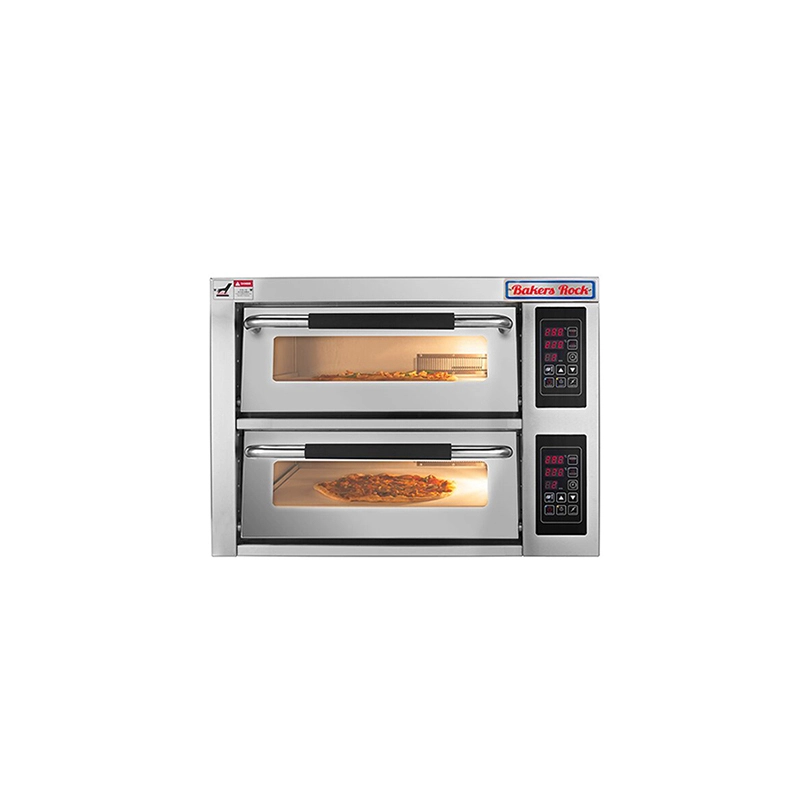
การเตรียมเมนูแบบผสมผสานต้องใช้ขั้นตอนเพิ่มเติม หากพิซซ่า ปีกไก่ แซนด์วิช หรืออาหารอบใช้การตั้งค่าที่แตกต่างกัน ต้องคำนวณความต้องการแยกต่างหาก เตาอบแบบห้องเดียวที่ใช้เพียงอุณหภูมิและความเร็วสายพานเดียวอาจไม่สามารถรองรับอาหารทุกรายการได้อย่างมีประสิทธิภาพ เตาอบสองห้องจึงมีประโยชน์เมื่อผลิตภัณฑ์ต้องการโปรไฟล์การปรุงอาหารที่ไม่เข้ากัน แม้ว่าเตาอบขนาดใหญ่ห้องเดียวจะมีกำลังการผลิตตามทฤษฎีที่ใกล้เคียงกันก็ตาม
กำลังการผลิตควรมีความยั่งยืนตลอดช่วงเวลาเร่งด่วนทั้งหมด การกำหนดค่าที่ให้ผลลัพธ์ตามที่ต้องการสำหรับการสาธิตในช่วงสั้นๆ อาจให้ผลลัพธ์ที่แตกต่างกันในระหว่างการโหลดอย่างต่อเนื่อง ขอให้ผู้จำหน่ายระบุผลิตภัณฑ์ การตั้งค่า การจัดเรียงการโหลด และระยะเวลาการทดสอบที่เกี่ยวข้องกับการอ้างอิงผลผลิตใดๆ
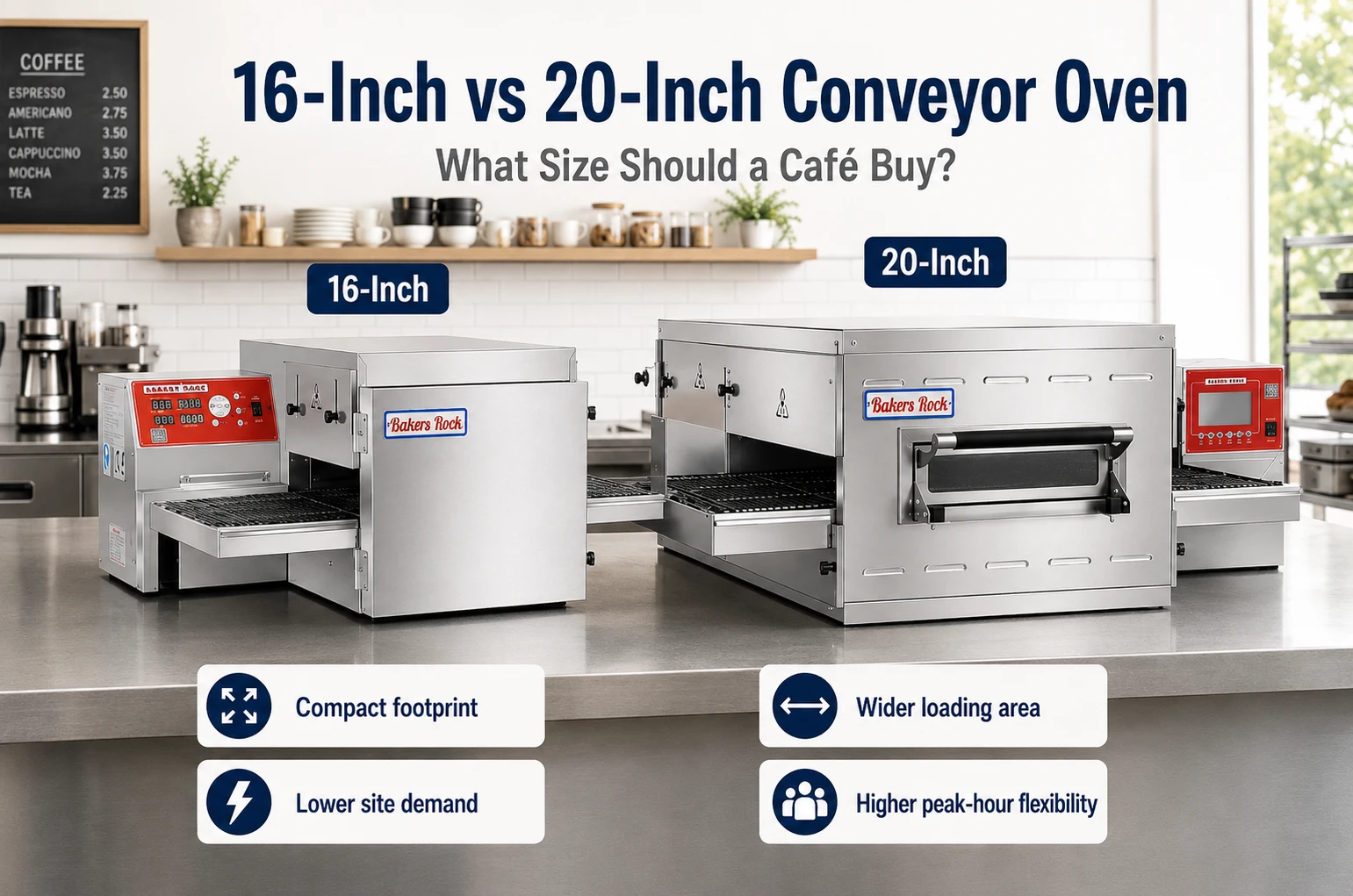
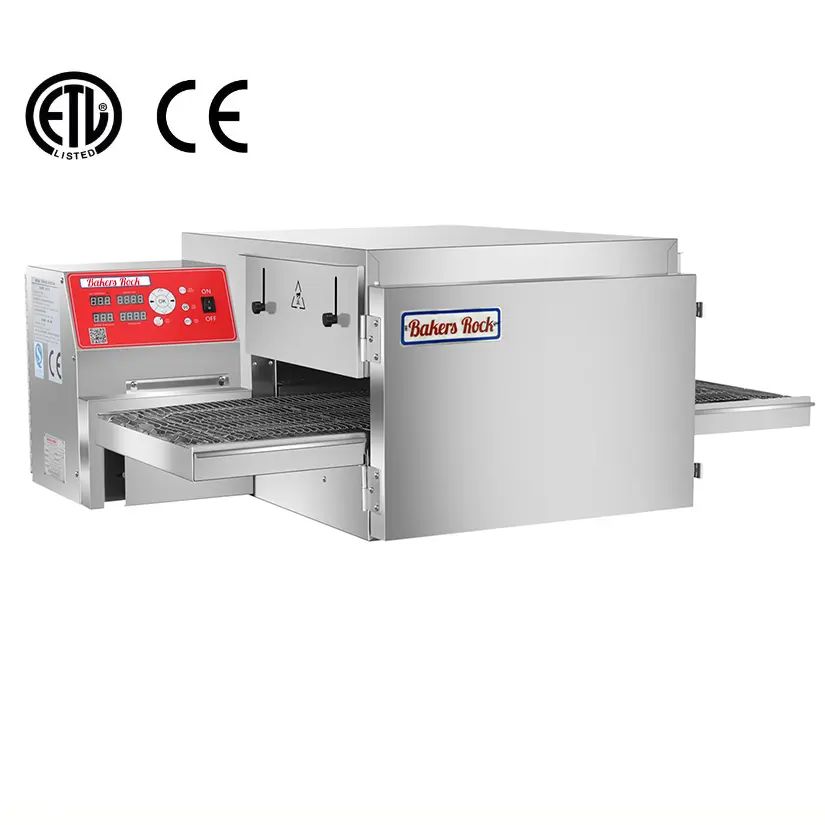
สายพานลำเลียงที่กว้างสามารถรองรับผลิตภัณฑ์ขนาดใหญ่หลายชิ้นวางเคียงข้างกันได้ และลดความจำเป็นในการจัดการเตาอบแยกต่างหาก ตัวอย่างเช่น สายพานลำเลียงของ Bakers Rock เตาอบสายพานลำเลียงความจุสูงขนาด 32 นิ้ว มีพื้นที่ทำความร้อนขนาด 32 x 40 นิ้ว และออกแบบมาเพื่อวางพิซซ่าขนาด 15 นิ้วได้สองถาดในแนวกว้าง เหมาะสำหรับร้านพิซซ่าขนาดกลางและขนาดใหญ่ รวมถึงการใช้งานในโรงงานผลิตอาหาร
ห้องอบขนาดเล็กสองห้องอาจมีประโยชน์มากกว่าเมื่อความต้องการเพิ่มขึ้นอย่างรวดเร็วในช่วงเวลาจำกัด หรือเมื่อผลิตภัณฑ์ต้องการการตั้งค่าที่แตกต่างกัน อย่างไรก็ตาม ผู้ซื้อไม่ควรเปรียบเทียบกำลังการผลิตสูงสุดของเตาอบหนึ่งกับความกว้างของสายพานลำเลียงที่ระบุไว้ของเตาอบอีกเตาหนึ่งเพียงอย่างเดียว ควรขอการคำนวณเปรียบเทียบโดยใช้ขนาดผลิตภัณฑ์ เวลาการลำเลียง ช่องว่างในการโหลด ผลลัพธ์ที่ต้องการ และระยะเวลาการทำงานที่เหมือนกัน
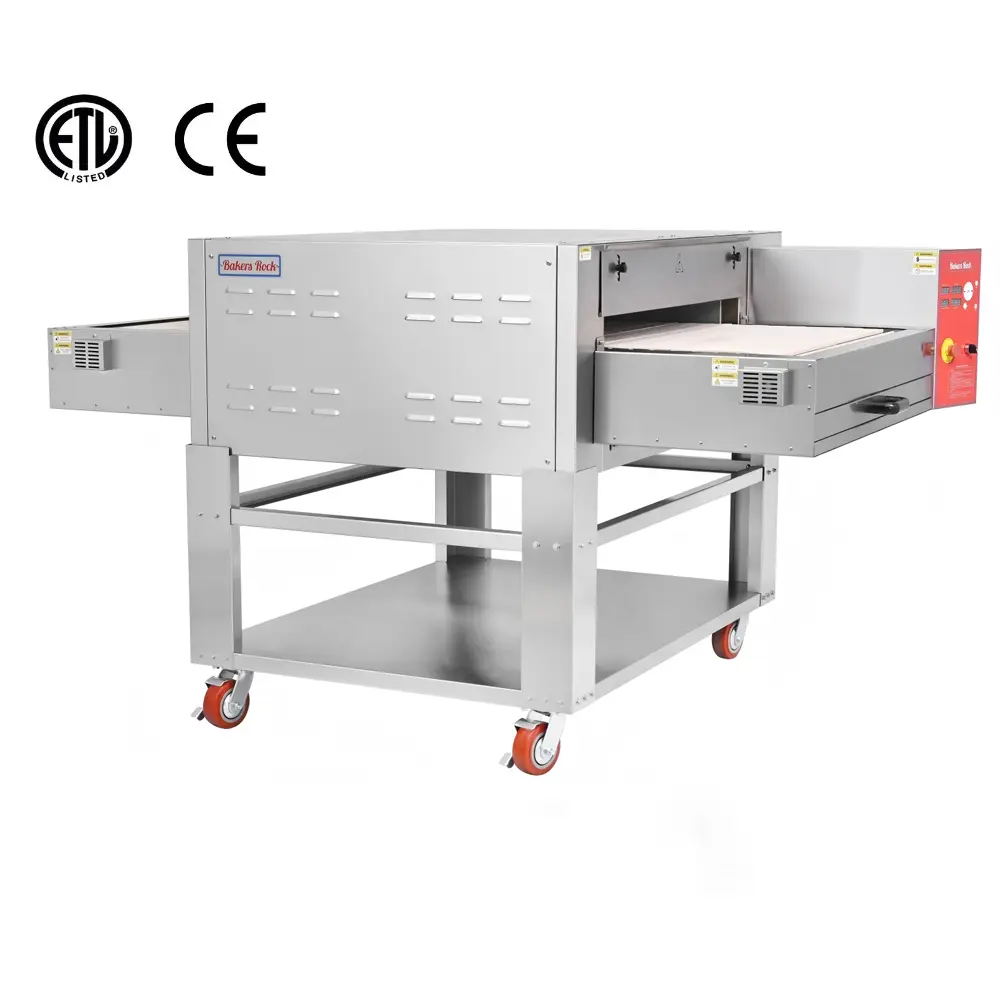
การกำหนดค่าควรเป็นไปตามรูปแบบการผลิต ช่วงที่กว้างขึ้นของ เตาอบสายพานลำเลียงไฟฟ้าเชิงพาณิชย์ ช่วยให้ผู้ซื้อสามารถเปรียบเทียบรูปแบบที่กะทัดรัด ความจุสูง และอาจวางซ้อนกันได้ โดยไม่ต้องตัดสินใจเลือกขนาดใดขนาดหนึ่งเร็วเกินไป
โดยทั่วไปแล้ว เตาอบสายพานขนาดใหญ่หนึ่งเตาจะเหมาะสมเมื่อความต้องการสูงอย่างต่อเนื่อง ผลิตภัณฑ์ส่วนใหญ่มีรูปแบบการปรุงที่เหมือนกัน และสามารถโหลดสายพานได้อย่างมีประสิทธิภาพ นอกจากนี้ยังช่วยลดความซับซ้อนในการฝึกอบรม เนื่องจากพนักงานจัดการชุดควบคุมเพียงชุดเดียวและกระแสผลิตภัณฑ์หลักเพียงกระแสเดียว
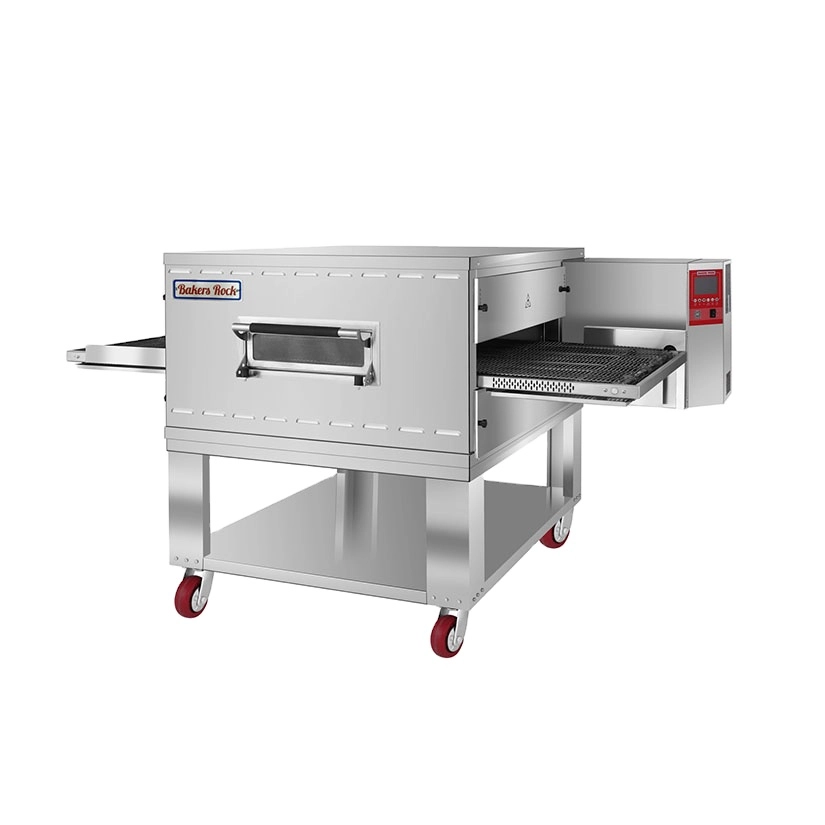
ตัวเลือกนี้ไม่เหมาะสมนักเมื่อห้องครัวต้องการอุณหภูมิหรือความเร็วในการลำเลียงที่แตกต่างกันในเวลาเดียวกัน นอกจากนี้ยังก่อให้เกิดความเสี่ยงต่อความล้มเหลวในจุดเดียว กล่าวคือ หากระบบทำความร้อน ระบบควบคุม ระบบขับเคลื่อน หรือระบบลำเลียงหยุดทำงาน การผลิตในเตาอบอาจหยุดลงโดยสิ้นเชิง
ตรวจสอบให้แน่ใจว่าอุปกรณ์สามารถนำเข้าไปในอาคารได้ เข้ากับสายการผลิตได้ และมีพื้นที่เพียงพอสำหรับการทำความสะอาดและบำรุงรักษา เตาอบขนาดกว้างจะมีประโยชน์ก็ต่อเมื่อการจัดวางผลิตภัณฑ์ใช้ประโยชน์จากความกว้างของสายพานที่เพิ่มขึ้นได้อย่างมีประสิทธิภาพ
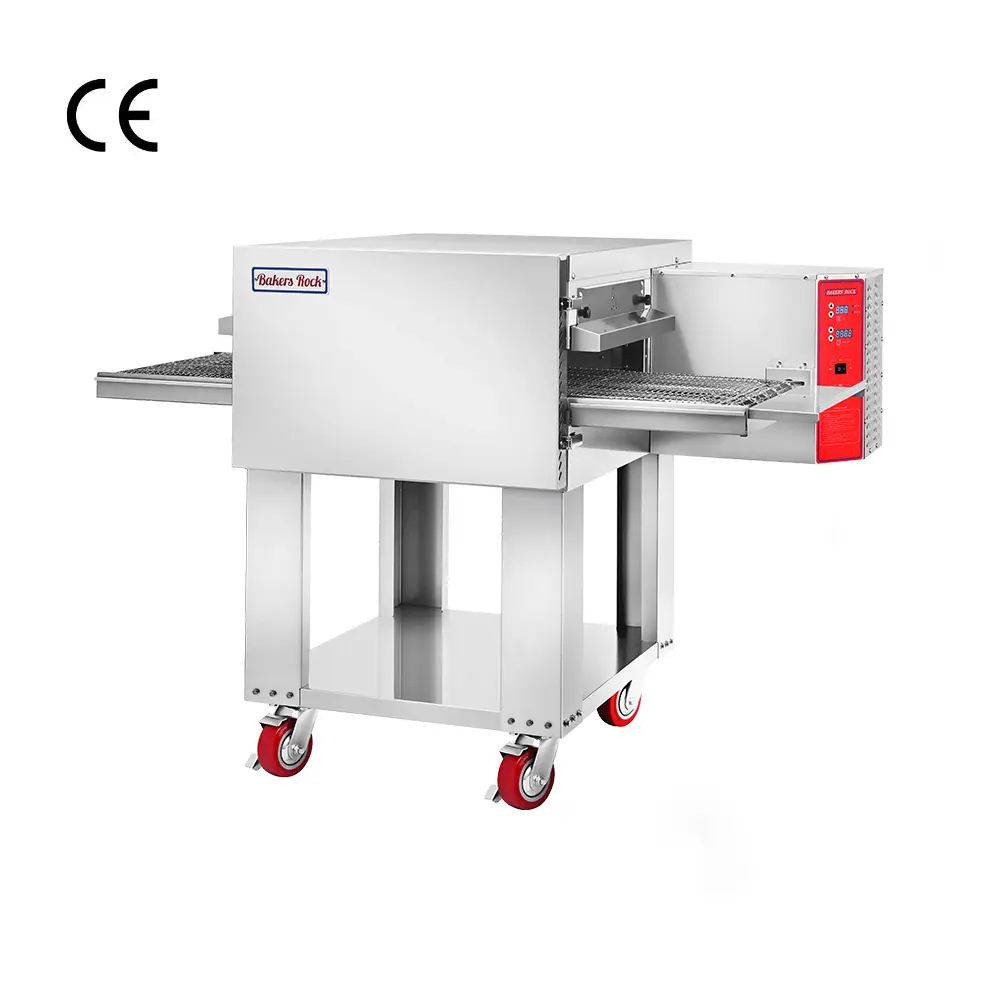
เตาอบสายพานลำเลียงแบบเรียงซ้อนเหมาะสำหรับห้องครัวที่มีพื้นที่จำกัด ช่วงเวลาที่มีการใช้งานสูง หรือต้องใช้หลายสูตรอาหาร ผลิตภัณฑ์แบบโมดูลาร์ เช่น เตาอบสายพานลำเลียงแบบเรียงซ้อน เตาอบสายพานลำเลียงแบบวางซ้อนได้ ขนาด 16 นิ้ว สามารถเพิ่มความจุในแนวตั้งได้ โดยรุ่นที่กล่าวถึงมีพื้นที่อบขนาด 16 x 24 นิ้ว และระบุว่าสามารถวางซ้อนกันได้สูงสุดถึงสามเครื่อง
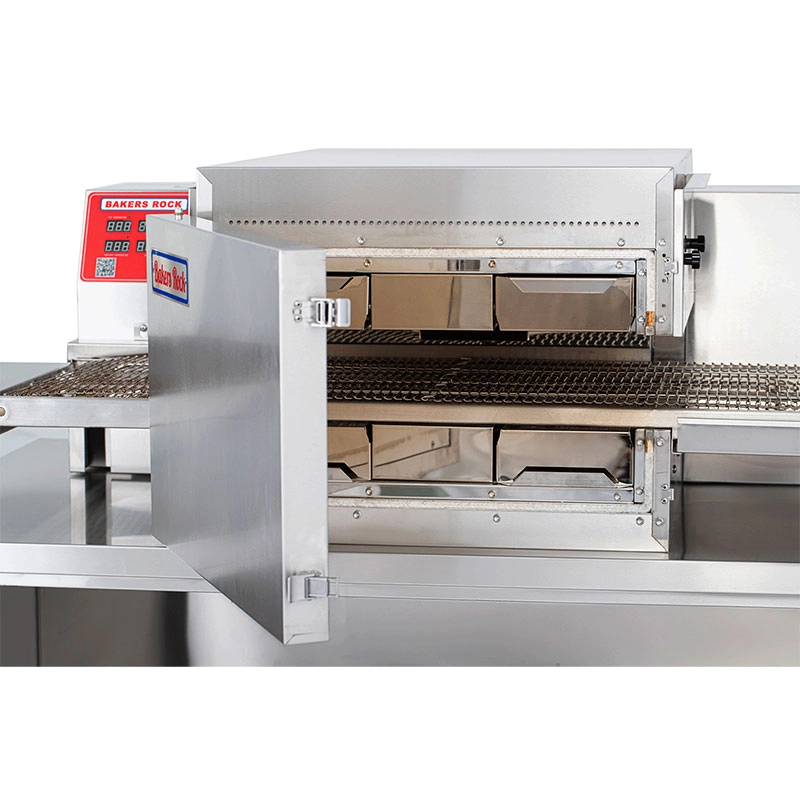
อย่าคิดว่าแต่ละห้องสามารถปิดได้อย่างอิสระ หรือว่าเตาอบเครื่องหนึ่งจะยังคงทำงานต่อไปได้หลังจากอีกเครื่องหนึ่งเสีย การควบคุมที่เป็นอิสระ การเชื่อมต่อทางไฟฟ้า พฤติกรรมการระบายอากาศ และข้อกำหนดในการปิดระบบนั้นขึ้นอยู่กับการกำหนดค่าเฉพาะ และควรตรวจสอบก่อนซื้อ
ความสูงของการวางซ้อนทำให้เกิดข้อควรพิจารณาเพิ่มเติม พนักงานต้องสามารถโหลดและตรวจสอบสายพานแต่ละเส้นได้อย่างปลอดภัย ในขณะที่ช่างเทคนิคจำเป็นต้องเข้าถึงส่วนควบคุม มอเตอร์ ส่วนประกอบทำความร้อน และชิ้นส่วนที่ถอดได้ ขาตั้งรองรับ อุปกรณ์วางซ้อนที่ได้รับการอนุมัติ และความสูงสูงสุดที่อนุญาตต้องตรงกับรุ่นที่เลือกด้วย
เตาอบที่เหมาะสมก็อาจทำงานได้ไม่เต็มประสิทธิภาพหากสถานที่ติดตั้งไม่เอื้ออำนวย ควรพิจารณาระบบติดตั้งโดยรวมมากกว่าแค่ราคาเครื่องใช้ไฟฟ้าเพียงอย่างเดียว
วัดขนาดตัวเตาอบ ถาดทางเข้าและทางออก ทางเดินทำงาน ระยะห่างจากผนัง และพื้นที่สำหรับบำรุงรักษา สำหรับระบบแบบวางซ้อนกัน ให้ตรวจสอบความสูงโดยรวมและความสูงในการทำงานของสายพานลำเลียงแต่ละเส้น นอกจากนี้ ควรวัดเส้นทางของอุปกรณ์จากทางเข้าอาคารไปยังตำแหน่งสุดท้ายด้วย
การวางแผนระบบไฟฟ้าควรรวมถึงแรงดันไฟฟ้า เฟส ความถี่ กระแสไฟฟ้า และภาระรวมที่เชื่อมต่อของห้องทั้งหมด สถานที่ที่มีโครงสร้างพื้นฐานด้านเชื้อเพลิงที่เหมาะสมสามารถเปรียบเทียบได้ เตาอบสายพานลำเลียงแก๊สเชิงพาณิชย์แต่ต้องตรวจสอบประเภทก๊าซ กำลังการจ่ายก๊าซ ข้อกำหนดการเผาไหม้ การระบายอากาศ และกฎระเบียบการติดตั้งในพื้นที่ เพื่อให้ได้การกำหนดค่าที่สมบูรณ์
ความจุของฮูดดูดควัน ระบบระบายอากาศ ระบบเติมอากาศ และระบบทำความเย็นภายในห้อง อาจส่งผลต่อต้นทุนการติดตั้ง ข้อกำหนดด้านระยะห่างและการระบายอากาศอาจแตกต่างกันไปตามรุ่นและเขตอำนาจศาล ดังนั้นควรยึดถือข้อกำหนดเฉพาะของผลิตภัณฑ์และกฎหมายท้องถิ่นที่เกี่ยวข้องเป็นหลักเหนือกว่ากฎทั่วไป
สำหรับเตาอบขนาดใหญ่แบบเดี่ยว ให้สอบถามว่าการผลิตจะเป็นอย่างไรหากระบบขับเคลื่อนด้วยสายพาน ตัวควบคุม หรือระบบทำความร้อนใช้งานไม่ได้ สำหรับการติดตั้งแบบซ้อนกัน ให้ตรวจสอบว่าส่วนประกอบใดทำงานแยกอิสระและส่วนประกอบใดใช้ร่วมกัน
แผนการบำรุงรักษาเชิงป้องกันควรระบุช่วงเวลาการทำความสะอาด จุดตรวจสอบ ชิ้นส่วนอะไหล่ที่ใช้บ่อย และความรับผิดชอบในการบริการ ผู้ซื้อควรสอบถามเกี่ยวกับความพร้อมของสายพาน มอเตอร์ ตัวควบคุม ชิ้นส่วนทำความร้อน หรือส่วนประกอบหัวเผาที่เหมาะสมกับรุ่นที่เลือก พนักงานควรทดสอบเตาอบก่อนช่วงเวลาที่มีการใช้งานสูงสุด และจัดทำแผนการผลิตชั่วคราวสำหรับกรณีที่เครื่องหยุดทำงานโดยไม่คาดคิด
การเพิ่มเตาอบแบบวางซ้อนได้ที่เข้ากันได้อาจเป็นทางเลือกที่เหมาะสม หากเตาอบที่มีอยู่ยังคงใช้งานได้ดี ผลิตอาหารได้คุณภาพตามที่ต้องการ และมีข้อกำหนดการวางซ้อนที่ได้รับการอนุมัติจากผู้ผลิต นอกจากนี้ สถานที่ติดตั้งต้องมีฐานรองรับที่เพียงพอ มีไฟฟ้าหรือแก๊ส การระบายอากาศ และการเข้าถึงบริการอย่างเหมาะสม
การเปลี่ยนเตาอบใหม่ อาจเป็นทางเลือกที่ดีกว่า เมื่อเตาอบเดิมไม่ได้รับการอนุมัติให้วางซ้อนกัน ต้องซ่อมแซมบ่อยครั้ง ใช้สายพานที่มีความกว้างไม่เหมาะสม หรือไม่สามารถรองรับสูตรอาหารที่ต้องการได้ นอกจากนี้ การเปลี่ยนเตาอบใหม่ยังอาจเป็นทางเลือกที่เหมาะสมกว่า เมื่อค่าใช้จ่ายในการปรับปรุงระบบสาธารณูปโภคหรือระบบระบายอากาศสำหรับเตาอบเก่าสองเครื่อง มีราคาใกล้เคียงกับค่าใช้จ่ายในการติดตั้งเตาอบใหม่ที่มีขนาดเหมาะสม
ก่อนติดตั้งห้องเพิ่มเติม โปรดแจ้งรุ่นและหมายเลขซีเรียลของห้องที่มีอยู่ให้ผู้จำหน่ายทราบ ขอการยืนยันเกี่ยวกับอุปกรณ์ยึดที่เข้ากันได้ โครงสร้างรองรับ น้ำหนักบรรทุกรวม ขนาดโดยรวม ข้อกำหนดด้านการระบายอากาศ และใบรับรองที่เกี่ยวข้อง
ซัพพลายเออร์ที่มีคุณสมบัติเหมาะสมควรแปลงข้อมูลการดำเนินงานให้เป็นคำแนะนำที่เฉพาะเจาะจงกับรูปแบบการใช้งาน การเสนอราคาโดยอิงจาก "จำนวนพิซซ่าต่อชั่วโมง" เพียงอย่างเดียว จะทำให้มองข้ามตัวแปรหลายอย่างไป
ขอเอกสารที่ครอบคลุมหัวข้อต่อไปนี้:
Bakers Rock จำหน่ายเตาอบแบบใช้ไฟฟ้าทั้งขนาดกะทัดรัดและขนาดใหญ่ รวมถึงแบบใช้แก๊สด้วย ผู้ซื้อที่กำลังประเมินผู้ผลิตควรขอการยืนยันเป็นลายลักษณ์อักษรว่ารุ่นที่เสนอนั้นตรงกับผลิตภัณฑ์ สภาพแวดล้อมการใช้งาน ข้อกำหนดของสถานที่ และปริมาณงานที่คาดหวัง เตาอบแบบสายพานลำเลียงของ Bakers Rock ให้ภาพรวมเบื้องต้นของประเภทอุปกรณ์ที่มีอยู่ แต่การเลือกขั้นสุดท้ายควรขึ้นอยู่กับข้อกำหนดเฉพาะของโครงการ
โดยทั่วไปแล้ว เตาอบสายพานลำเลียงขนาดใหญ่แบบเดี่ยวจะเหมาะสมกว่าสำหรับการผลิตที่คงที่โดยใช้สูตรอาหารเดียว ในขณะที่เตาอบสายพานลำเลียงแบบซ้อนกันจะให้ความยืดหยุ่นมากกว่าสำหรับความต้องการที่เปลี่ยนแปลงได้ พื้นที่จำกัด และรูปแบบการปรุงอาหารที่หลากหลาย การตัดสินใจควรพิจารณาจากปริมาณการผลิตต่อชั่วโมงที่ใช้งานได้ สภาพการติดตั้ง การเข้าถึงเพื่อการบำรุงรักษา และความเสี่ยงต่อการหยุดทำงาน ไม่ใช่จำนวนหรือขนาดที่เห็นได้ชัดของห้องเตาอบ
สำหรับการตรวจสอบรายละเอียดการกำหนดค่า ผู้ซื้อสามารถ ขอคำแนะนำเกี่ยวกับเตาอบสายพานลำเลียง โดยการส่งข้อมูลขนาดของอาหาร เวลาในการปรุง ปริมาณการใช้งานสูงสุดต่อชั่วโมง พื้นที่ที่มีอยู่ ประเภทเชื้อเพลิงหรือไฟฟ้าที่ต้องการ จุดหมายปลายทาง และการใช้งานที่ตั้งใจไว้ ข้อมูลเหล่านี้ช่วยให้ Bakers Rock สามารถเปรียบเทียบขนาดและการกำหนดค่าที่เหมาะสมได้โดยไม่ต้องอาศัยการประมาณกำลังการผลิตแบบทั่วไป
คำถามที่ 1: เตาอบสายพานลำเลียงแบบสองชั้นเร็วกว่าเตาอบขนาดใหญ่แบบชั้นเดียวเสมอหรือไม่?
A: ไม่ใช่ครับ ผลผลิตขึ้นอยู่กับความกว้างของสายพาน ความยาวของห้อง เวลาในการลำเลียง ขนาดของผลิตภัณฑ์ ระยะห่าง และรูปแบบการบรรจุ เปรียบเทียบทั้งสองแบบภายใต้สูตรและสภาวะการทำงานเดียวกันครับ
คำถามที่ 2: ร้านอาหารต้องการเตาอบแบบสายพานลำเลียงกี่เครื่อง?
A: คำนวณความต้องการในช่วงเวลา 15, 30 และ 60 นาทีที่ busiest ที่สุด จากนั้นเปรียบเทียบกับปริมาณผลผลิตที่สามารถใช้งานได้อย่างยั่งยืน นอกจากนี้ควรพิจารณาถึงสูตรผสม การเผื่อการเติบโต และเวลาหยุดทำงานที่ยอมรับได้ด้วย
Q3: ในระบบเตาอบแบบเรียงซ้อน สามารถใช้งานเตาอบได้เพียงเตาเดียวเท่านั้นใช่หรือไม่?
A: บางระบบอาจอนุญาตให้ใช้งานได้อย่างอิสระ แต่ทั้งนี้ขึ้นอยู่กับการควบคุม การเชื่อมต่อระบบสาธารณูปโภค และการออกแบบระบบระบายอากาศ โปรดตรวจสอบฟังก์ชันนี้กับข้อกำหนดของผลิตภัณฑ์ที่เสนอมา
Q4: สามารถนำเตาอบสายพานลำเลียงที่มีอยู่แล้วมาวางซ้อนกับเตาอบใหม่ได้หรือไม่?
A: เฉพาะในกรณีที่ผู้ผลิตยืนยันความเข้ากันได้ของรุ่น อุปกรณ์สำหรับวางซ้อนที่ได้รับการอนุมัติ ข้อกำหนดด้านการรองรับ โหลดรวมของระบบสาธารณูปโภค การระบายอากาศ และความสูงสูงสุดของการวางซ้อนเท่านั้น ขนาดภายนอกที่คล้ายคลึงกันไม่ได้หมายความว่าใช้งานร่วมกันได้
Q5: เตาอบแบบสายพานลำเลียงซ้อนกันใช้พลังงานมากกว่าหรือไม่?
A: ขึ้นอยู่กับอุปกรณ์ที่เชื่อมต่อ ตารางการทำงาน ปริมาณโหลด และว่าห้องต่างๆ สามารถทำงานได้อย่างอิสระหรือไม่ ควรเปรียบเทียบการใช้พลังงานในช่วงที่มีการผลิตสูงสุดและช่วงที่มีการผลิตน้อย แทนที่จะใช้เฉพาะค่าพลังงานสูงสุดที่ป้อนเข้าไปเพียงอย่างเดียว