Pas de dignité, devant le scélérisque c'est la haine euismod fermentum sem sempre l'is erat, a feugiat leo urna eget eros. Duis Énée Une coupe de cheveux pour rire.
Pas de dignité, devant le scélérisque c'est la haine euismod fermentum sem sempre l'is erat, a feugiat leo urna eget eros. Duis Énée Une coupe de cheveux pour rire.
 auteur
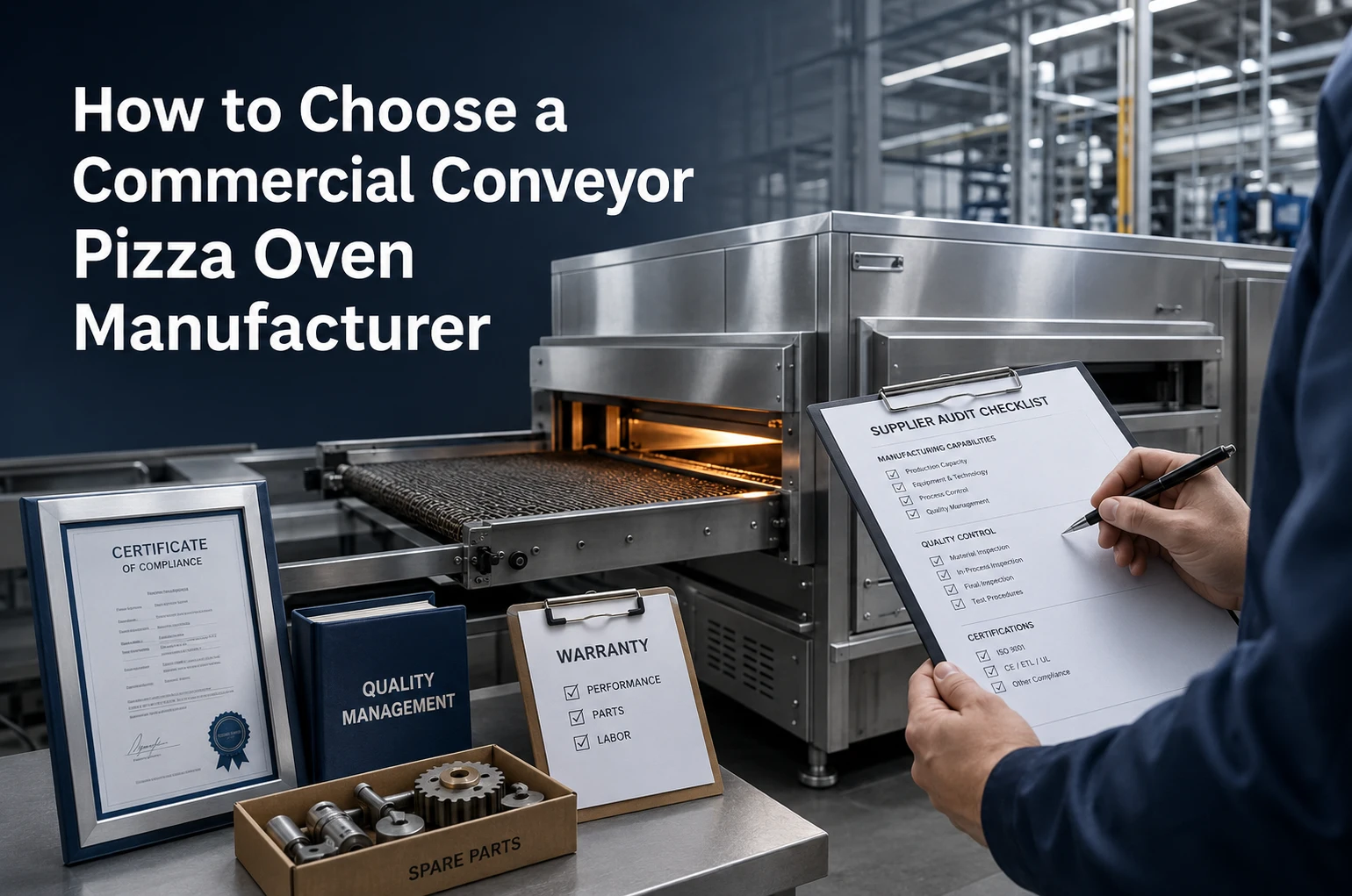
Choisir un fabricant de fours à pizza à convoyeur professionnels ne se limite pas à comparer les dimensions, les prix et les délais de livraison. Les importateurs, les groupes de restauration, les distributeurs d'équipements et les cuisines de production ont besoin de preuves que la configuration commandée peut être fabriquée, testée, documentée et entretenue. Un audit fournisseur rigoureux permet de lier chaque affirmation à un document, un rapport de test, une clause contractuelle ou un résultat d'inspection, réduisant ainsi les risques liés à des utilités inadaptées, une documentation commerciale incomplète, une couverture des pièces détachées imprécise ou une garantie internationale inutilisable.
Deux fournisseurs peuvent proposer un « four à pizza à convoyeur commercial » avec des commandes, des configurations de courroie, des accessoires, des procédures de test et une couverture de service différentes. Un devis peut exclure les documents, les pièces détachées, l'emballage ou la configuration inclus ailleurs. La comparaison des prix n'est pertinente qu'une fois les aspects techniques et commerciaux normalisés.
Le même principe s'applique aux allégations de qualité. L'expression « inspection finale » ne précise ni l'objet de l'inspection, ni les conditions de charge, ni la durée de celle-ci, ni les critères d'acceptation appliqués. Un logo de certification n'indique pas si le certificat couvre le modèle exact et la configuration électrique ou gazière. Une longue période de garantie ne précise pas qui prend en charge la main-d'œuvre, le transport international, les droits de douane ou l'installation des pièces de rechange.
Une liste de contrôle de qualification des fournisseurs est particulièrement utile pour les achats à l'étranger, les projets multi-unités, les commandes de marques privées et les chaînes répétant une même spécification sur plusieurs sites.
L'audit doit commencer par l'application, et non par un questionnaire générique destiné aux usines. Un appareil de comptoir pour un café présente des risques différents de ceux d'un four à haut débit pour une chaîne de restaurants ou une usine agroalimentaire. Les acheteurs examinent fours à convoyeur électriques commerciaux Il convient de vérifier si la tension, la phase, la fréquence, l'espace, la ventilation et l'accès aux services sont adaptés au site. Les projets liés au gaz ou au GPL nécessitent des vérifications de conformité distinctes auprès des services publics et des autorités locales.
Avant de demander un devis, documentez les dimensions et l'état du produit, la charge typique, le résultat de cuisson souhaité, la production aux heures de pointe, les charges, l'espace d'installation, la destination, la quantité et la croissance prévue. Pour les données de production publiées, demandez quel produit, quel schéma de chargement, quelle vitesse de convoyeur, quelle température et quel nombre d'empilements ont permis d'obtenir ce chiffre.
Un distributeur peut exiger des fichiers spécifiques au modèle et un étiquetage uniforme pour les importations répétées. Une chaîne de distribution peut privilégier la reproductibilité des recettes, la standardisation des pièces et le contrôle de la configuration. Un site de production peut exiger des essais sur échantillons ou en charge soutenue. Si l'application ne peut être reproduite en usine, le devis doit préciser les hypothèses non vérifiées et les contrôles de mise en service.
Le contrôle qualité d'un fabricant de fours à pizza doit suivre l'équipement depuis ses composants critiques jusqu'à sa mise en service finale. Il convient de vérifier si le fournisseur définit des points de contrôle, enregistre les résultats, gère les non-conformités et rattache l'unité inspectée à la commande.
Demandez comment les composants entrants sont identifiés, contrôlés et mis en service. Les spécifications des commandes critiques, des moteurs, des courroies, de l'isolation, des composants chauffants ou des éléments du système de gaz doivent être consignées lorsqu'elles ont une incidence sur la sécurité, la compatibilité ou la maintenance. Assurez-vous du contrôle des versions afin que les pièces de rechange ultérieures soient compatibles avec le four installé.
Les éléments de preuve utiles comprennent les fiches d'inspection liées à la commande, les photographies, les relevés de mesures et les corrections documentées des travaux non conformes. Un échantillon d'exposition est insuffisant si la commande utilise une tension, une largeur de courroie, un système de commande ou une étiquette différents.
L'inspection finale doit vérifier la conformité du modèle, des dimensions, des utilitaires, des accessoires, de la plaque signalétique, des manuels et de la qualité de fabrication avec la commande approuvée. Les écarts doivent être corrigés et faire l'objet d'une nouvelle vérification.
Les essais fonctionnels doivent documenter la direction et le mouvement du convoyeur, les paramètres réglables, le fonctionnement du contrôleur, la réponse au chauffage, les bruits anormaux, les fuites visibles le cas échéant, les fonctions de protection et la configuration des utilités commandées.
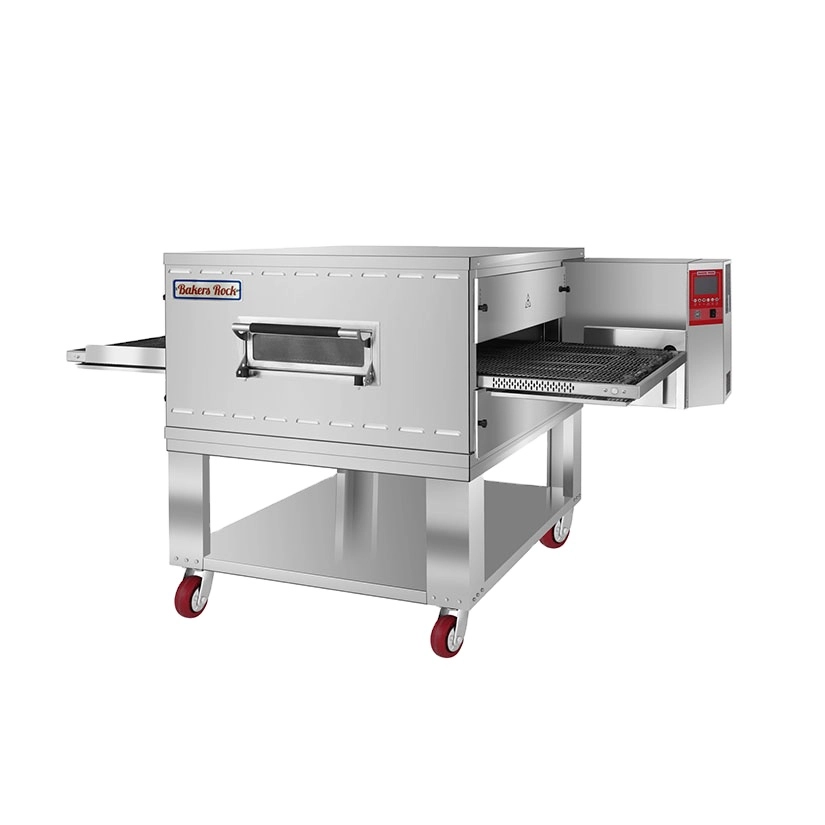
Un test de charge permet d'observer le comportement d'un aliment représentatif dans la chambre. Enregistrez la taille du produit, la charge, les conditions initiales, la configuration du tapis roulant, les réglages, la durée et le résultat. Four à convoyeur grande capacité de 32 poucesLes preuves doivent correspondre exactement au modèle, à la tension, à la plaque signalétique et aux options commandées, et non à un appareil d'apparence similaire.
Avant l'expédition, demandez la confirmation de la configuration, les preuves d'inspection et de test, les informations de la plaque signalétique, la liste des accessoires, les manuels et les images de l'emballage. Définissez les mesures correctives et l'approbation des tests de confirmation en cas de résultats non conformes avant le paiement final ou l'expédition.
Les certifications des fours à pizza commerciaux doivent être évaluées au niveau du modèle. Les logos figurant sur les sites web ou les brochures ne constituent pas une garantie de conformité. Les exigences peuvent varier selon la destination, l'autorité compétente, l'installation, le type de combustible, la tension et la configuration ; veuillez les vérifier auprès de l'autorité compétente ou du professionnel en charge du projet.
Demandez le certificat complet et l'annexe relative au modèle. Vérifiez le titulaire, la description du produit, le modèle, la norme, l'organisme certificateur, la validité et les limitations. La plaque signalétique et le dossier technique doivent correspondre à la configuration certifiée.
Les certifications de produits et de gestion de la qualité répondent à des questions différentes. Guide de certification de l'ISO Intertek explique que la norme ISO 9001 concerne un système de management de la qualité et non une homologation de produit spécifique à un modèle. Pour une certification ETL, Intertek fournit un certificat officiel. Répertoire des marques répertoriées ETL pour les recherches de produits.
Si le modèle du certificat, la tension, le combustible ou le nom de l'entreprise ne correspondent pas à la commande proposée, suspendez la procédure d'approbation. Demandez une explication écrite et les documents justificatifs. Ne présumez pas qu'un modèle similaire ou un certificat de composant couvre automatiquement l'ensemble du four.
Prévoyez les pièces de rechange pour four à pizza à convoyeur avant l'expédition, surtout si l'équipement est destiné à être utilisé loin du site de fabrication. La mention « pièces disponibles » n'a que peu d'intérêt si l'acheteur ne peut identifier la version adéquate, connaître le délai de livraison et faire appel à un installateur qualifié.
Demandez une liste illustrée des pièces ou une autre méthode permettant d'associer les références aux modèles et numéros de série. Séparez les pièces d'usure des composants qui interrompent la production ou nécessitent une intervention spécialisée. Un kit de démarrage doit indiquer le nombre de fours, leurs heures de fonctionnement, leur emplacement, les capacités de maintenance et le délai de réapprovisionnement.
Vérifiez si les pièces sont incluses, facturées séparément ou exclues de la garantie en tant que consommables, et si le remplacement des composants de sécurité, électriques ou à gaz doit être effectué par des techniciens qualifiés. Les kits non identifiés constituent un stock mort ; l’absence de stock critique peut prolonger les temps d’arrêt transfrontaliers.
La facilité d'entretien dépend également des informations fournies. Demandez les documents relatifs au fonctionnement, au nettoyage, à l'installation et à la maintenance, ainsi que les schémas de câblage, les références des pièces et les procédures de dépannage applicables. Ces documents doivent correspondre à la configuration d'origine.
Veuillez confirmer la procédure d'ouverture d'une demande d'intervention, d'identification de l'unité, de soumission des éléments de diagnostic et de remontée des problèmes non résolus. Vérifiez les canaux de communication, les horaires d'ouverture et la langue. L'assistance à distance ne remplace pas l'intervention d'un technicien qualifié sur les systèmes électriques, de gaz, de ventilation ou de sécurité.
Une garantie pour un four à pizza commercial doit définir les responsabilités et les coûts : date de début, pièces couvertes, exclusions, main-d’œuvre, service sur site, transport, droits de douane, preuves de réclamation et procédure de remplacement des pièces.
Vérifiez si la couverture débute à la fabrication, à l'expédition, à la livraison, à l'installation ou à la mise en service. Distinguez la couverture des pièces de celle de la main-d'œuvre et identifiez qui prend en charge les frais de transport, de retour, les taxes et les techniciens locaux. Examinez les exclusions relatives aux consommables, aux dommages causés par le nettoyage, aux utilités incorrectes, aux modifications ou à une mauvaise utilisation.
La procédure de réclamation doit identifier le contact, le numéro de série, les éléments de diagnostic, les étapes d'approbation et le mode d'expédition du remplacement. Les engagements verbaux doivent être formalisés dans le devis, le contrat ou le bon de commande.
Un tableau de bord structuré permet de sélectionner les fournisseurs en fonction de leurs capacités avérées. Les catégories sont pondérées selon le risque du projet : les importateurs peuvent privilégier la certification et le service, tandis que les chaînes de distribution peuvent mettre l’accent sur la maîtrise de la configuration et la reproductibilité.
| Zone d'audit | Preuves à demander | Panneau d'avertissement |
|---|---|---|
| Domaine de fabrication | Enregistrements du modèle et confirmation de configuration | La configuration citée ne peut être rattachée à un modèle défini. |
| Contrôle de qualité | Points de contrôle d'inspection et enregistrements liés aux commandes | Seules des déclarations générales sur la qualité sont disponibles. |
| Essai | Conditions d'essai écrites et preuves d'acceptation | Les affirmations relatives aux résultats ou aux performances omettent les conditions de test. |
| Certifications | Documents complets couvrant le modèle concerné | Des logos ou des certificats sans rapport sont fournis |
| Des pièces de rechange | Liste des pièces spécifiques au modèle et processus d'approvisionnement | Les pièces ne peuvent être identifiées avant une panne. |
| Garantie | Couverture écrite, exclusions et étapes de réclamation | La responsabilité en matière de main-d'œuvre ou de transport de marchandises n'est pas claire. |
La demande de prix doit préciser l'application, les dimensions et l'état du produit, le rendement, les utilités, l'espace, la destination, les documents requis, la quantité et les exigences en matière de tests. Les fournisseurs doivent être tenus d'identifier les hypothèses et les exclusions.
Consignez dans le contrat d'achat le modèle approuvé, la méthode d'essai, les critères d'acceptation, le lot de pièces de rechange, les documents, la garantie, l'emballage et la procédure de gestion des modifications. Définissez les justificatifs requis avant le paiement final ou l'expédition.
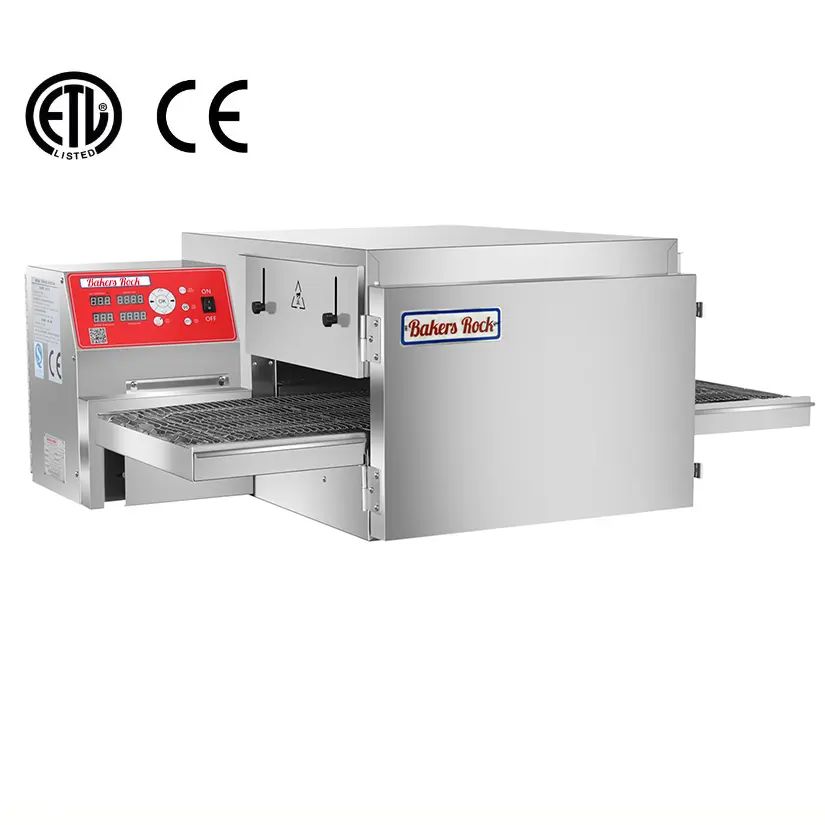
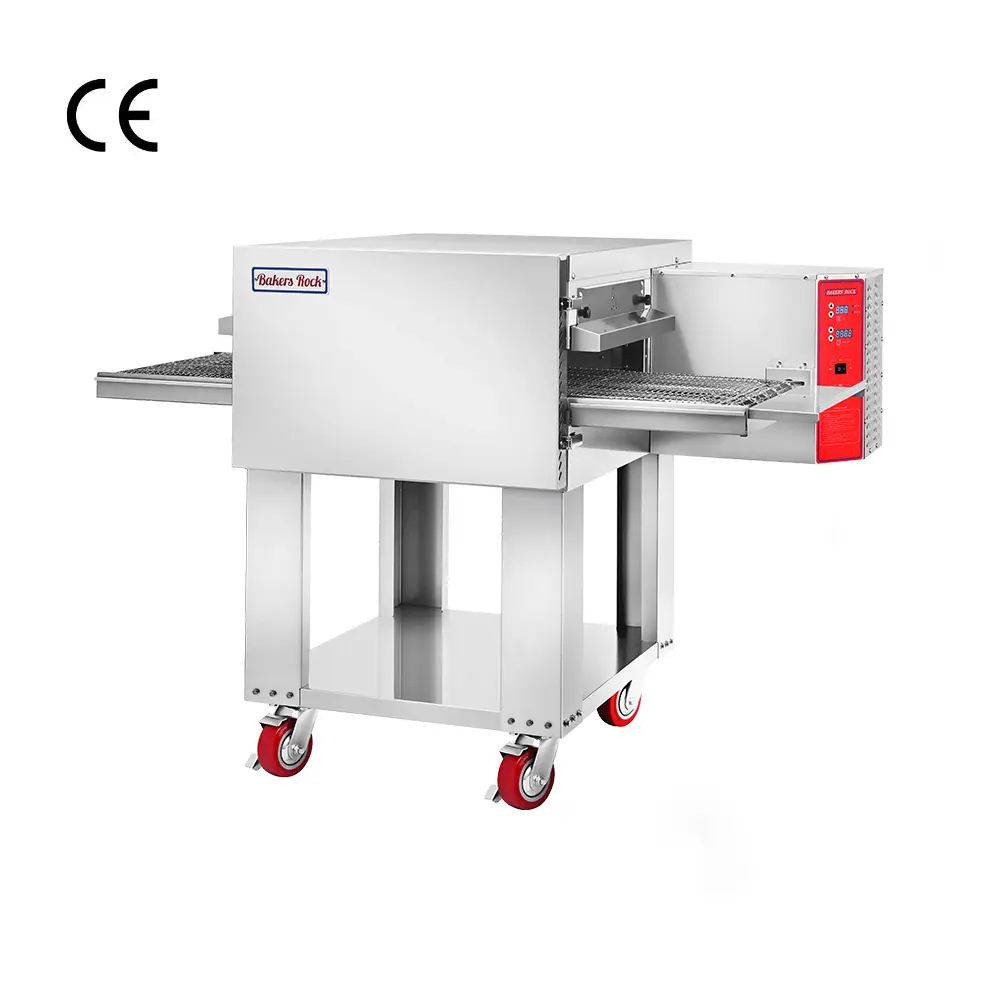
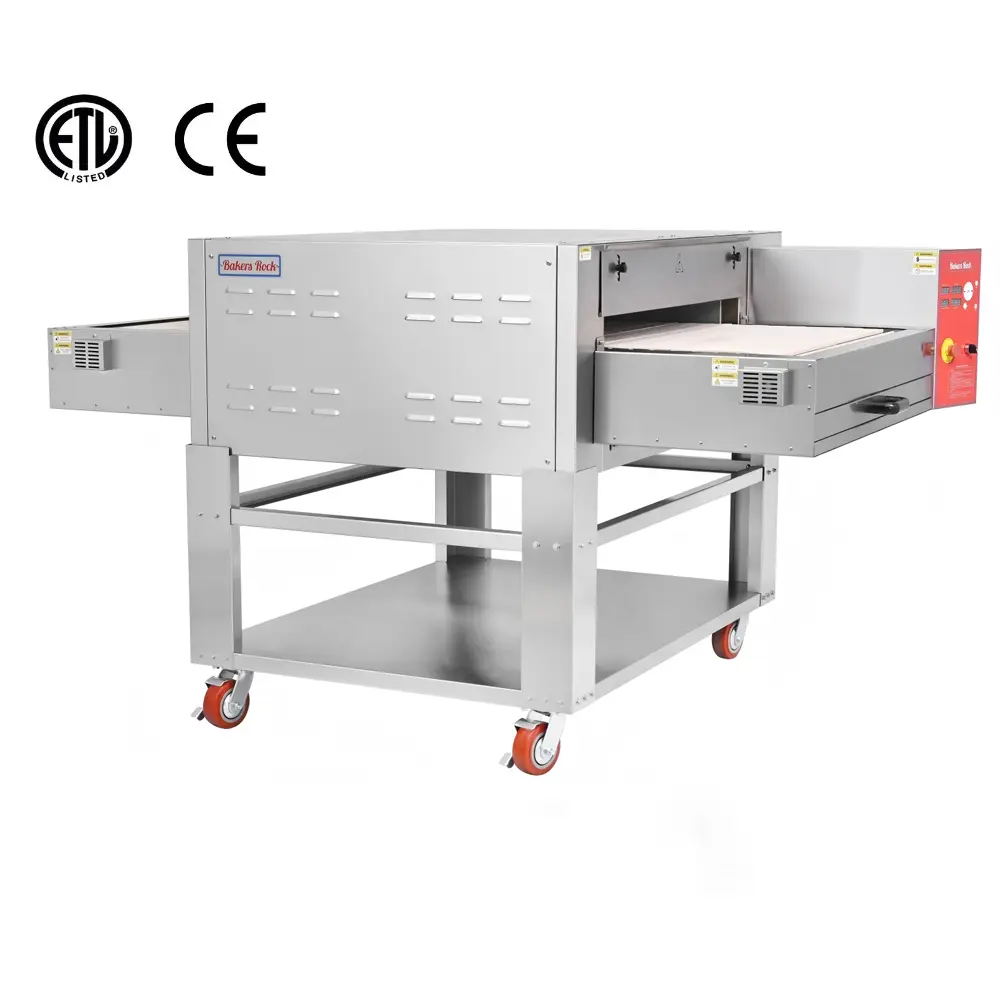
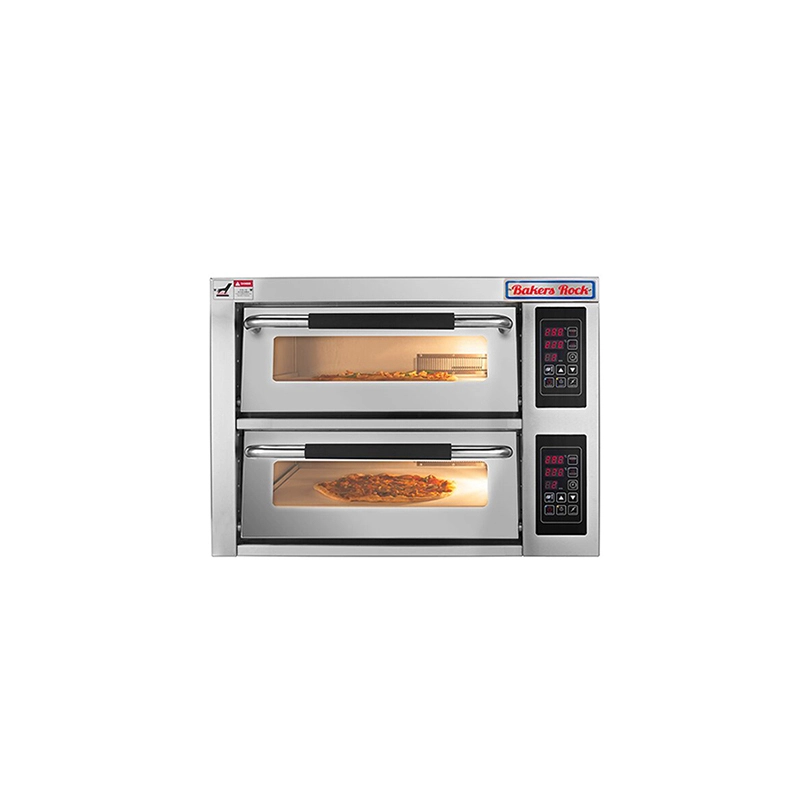
Un fournisseur qualifié devrait aider les acheteurs à passer d'une gamme étendue de preuves à des preuves spécifiques à leur commande. Fours à pizza à convoyeur commerciaux Bakers Rock Les options incluent le broyage électrique, le broyage au gaz/GPL et les convoyeurs à pierres. Shanghai QiangAn FoodService Equipment Co., Ltd., fondée en 2001, est identifiée comme le fabricant de la marque internationale ; son historique est détaillé dans… Contexte de fabrication de Bakers Rock.
Les pages produits de Bakers Rock présentent les spécifications des modèles, et la catégorie « électrique » inclut des configurations de comptoir et de plus grande capacité. Le site indique que les échantillons de préproduction et le contrôle final font partie intégrante de sa démarche qualité. Les acheteurs sont toutefois invités à demander la configuration liée à leur commande, le périmètre de certification, les résultats des tests, la documentation, les plans de pièces détachées et les conditions de garantie.
Au lieu de demander si un four est de « haute qualité », demandez quel document identifie l'appareil, comment les tests de charge sont documentés, quel certificat couvre le modèle et comment les pièces de rechange seront appariées.
Choisir un fabricant de fours à pizza à convoyeur professionnels implique de transformer les affirmations en preuves. Définissez l'application, puis examinez attentivement le périmètre de fabrication, le contrôle qualité, la certification spécifique au modèle, les tests, les pièces détachées, la documentation et la garantie. Intégrez les exigences approuvées dans la demande de devis et le contrat d'achat.
Pour une évaluation de projet, les acheteurs peuvent Contactez Bakers Rock Le modèle ou la taille, l'échantillon de produit ou l'application du menu, la sortie, les utilitaires, les conditions d'installation, la destination, la quantité et les documents requis sont nécessaires. Ces informations permettent d'examiner la configuration, de discuter des tests et d'établir un devis comparable.
Veuillez confirmer l'entité contractante, la responsabilité de la fabrication, la gamme de modèles, les dossiers de contrôle qualité spécifiques à la commande, les résultats des essais, les documents de certification, l'identification des pièces et la garantie écrite. Les éléments de preuve doivent correspondre à la configuration proposée.
Les exigences varient selon le marché, le modèle, le carburant, la tension et la réglementation locale. Vérifiez le titulaire du certificat, la portée du modèle, la norme, l'organisme certificateur, la validité et la cohérence des informations figurant sur la plaque signalétique.
La liste des pièces dépend du modèle, du nombre de fours, des heures de fonctionnement, du service après-vente local et du délai de réapprovisionnement. Veuillez demander les références spécifiques à chaque modèle et distinguer les pièces d'usure des composants critiques en cas d'arrêt de production.
Vérifiez la date de début, les pièces, la main-d'œuvre, les exclusions, les conditions d'installation, le transport, les droits de douane, les justificatifs de sinistre et les frais d'expédition des pièces de rechange. Consignez les engagements dans les documents d'achat.
Avant de passer commande, veuillez convenir de la confirmation de configuration, des informations relatives à la plaque signalétique ou au numéro de série, des rapports d'inspection et de test, des certificats applicables, des manuels, des documents relatifs aux pièces, des listes d'accessoires et des preuves d'emballage.