Nullam dignissim, ante scelerisque adalah euismod fermentum odio sem semper itu erat, sebuah feugiat leo urna eget eros. Duis Aenean risiko imperdiet.
Nullam dignissim, ante scelerisque adalah euismod fermentum odio sem semper itu erat, sebuah feugiat leo urna eget eros. Duis Aenean risiko imperdiet.
 pengarang
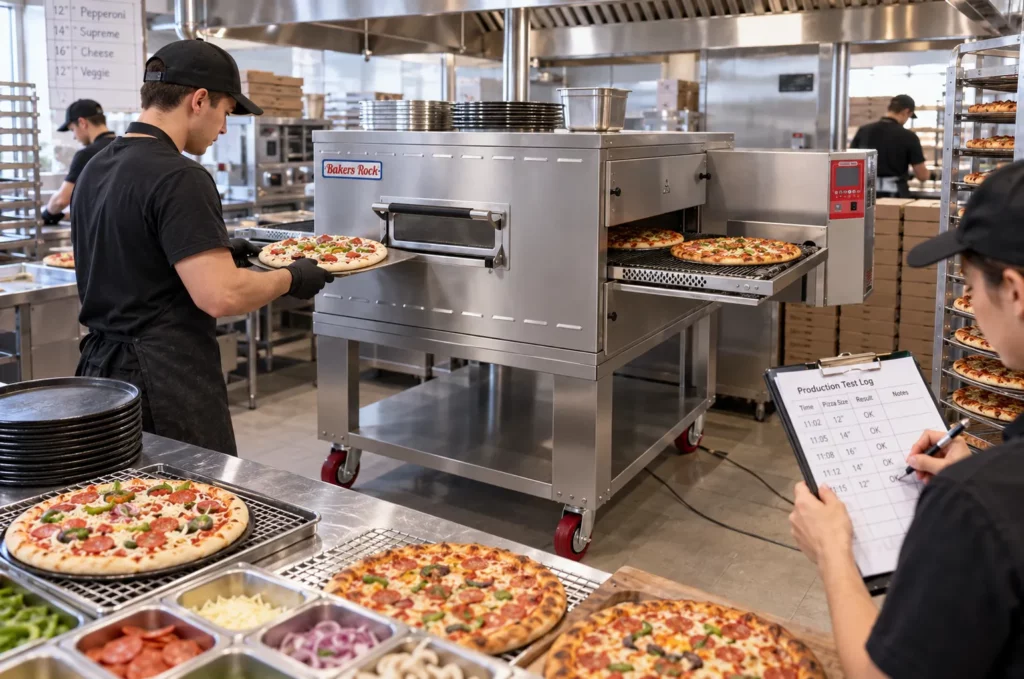
A credible Lincoln Impinger alternative is not the oven with the closest belt width or the lowest quotation. It is the commercial conveyor pizza oven that reproduces the restaurant’s accepted product, peak-window output, operating routine, and recovery plan under the actual site conditions. For a high-volume restaurant, qualification should begin with a measured incumbent baseline and end with a menu-based acceptance test.
This operator-focused process complements the brand-level Lincoln and Bakers Rock sourcing comparison. It avoids treating purchase price, catalog capacity, or brand familiarity as proof that a replacement will work through a Friday-night rush.
Document the current oven before discussing a replacement. Record the model and data plate, voltage and phase or gas type, belt direction, usable belt width, opening height, setpoint, conveyor time, finger or airflow arrangement if known, stack count, and normal cleaning routine. Photograph the control settings and loading area. The goal is to capture how the restaurant actually runs the equipment, not only how the original specification describes it.
Then define the finished-pizza standard. Note dough weight and condition, diameter, crust style, sauce and topping load, cheese appearance, bottom color, edge color, center temperature if used by the operating standard, and the maximum acceptable variation between pizzas. Include non-pizza products only when they materially affect oven scheduling. This creates a result that a candidate oven can pass or fail.
Daily sales averages hide the constraint that matters. Pull order data for the busiest 15-minute intervals, including dine-in, pickup, and delivery overlap. Translate orders into pizzas by size and recipe, then note remake frequency and any products that occupy unusual belt space. Repeat the calculation for several comparable peak days so one exceptional event does not become the design basis.
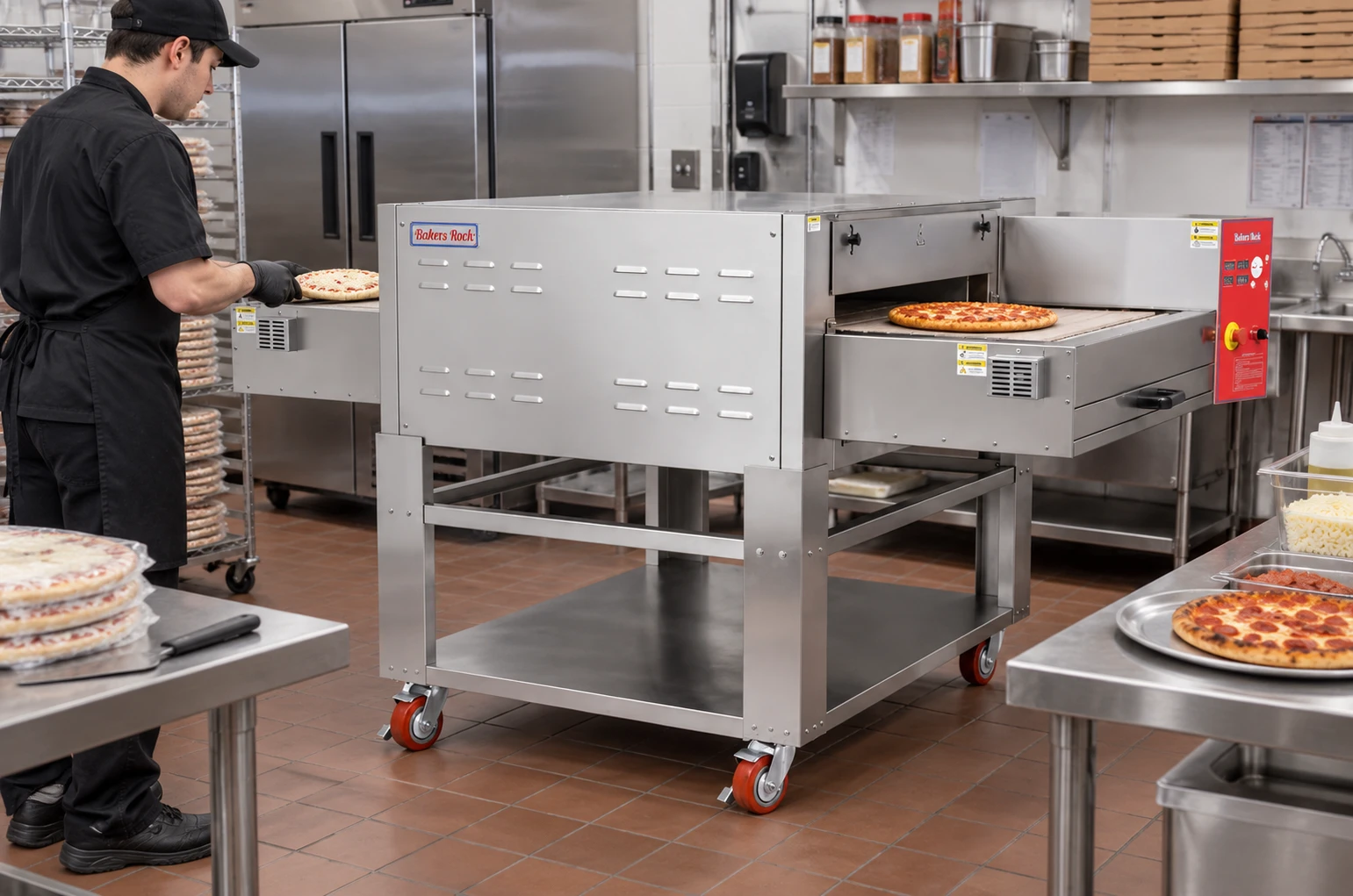
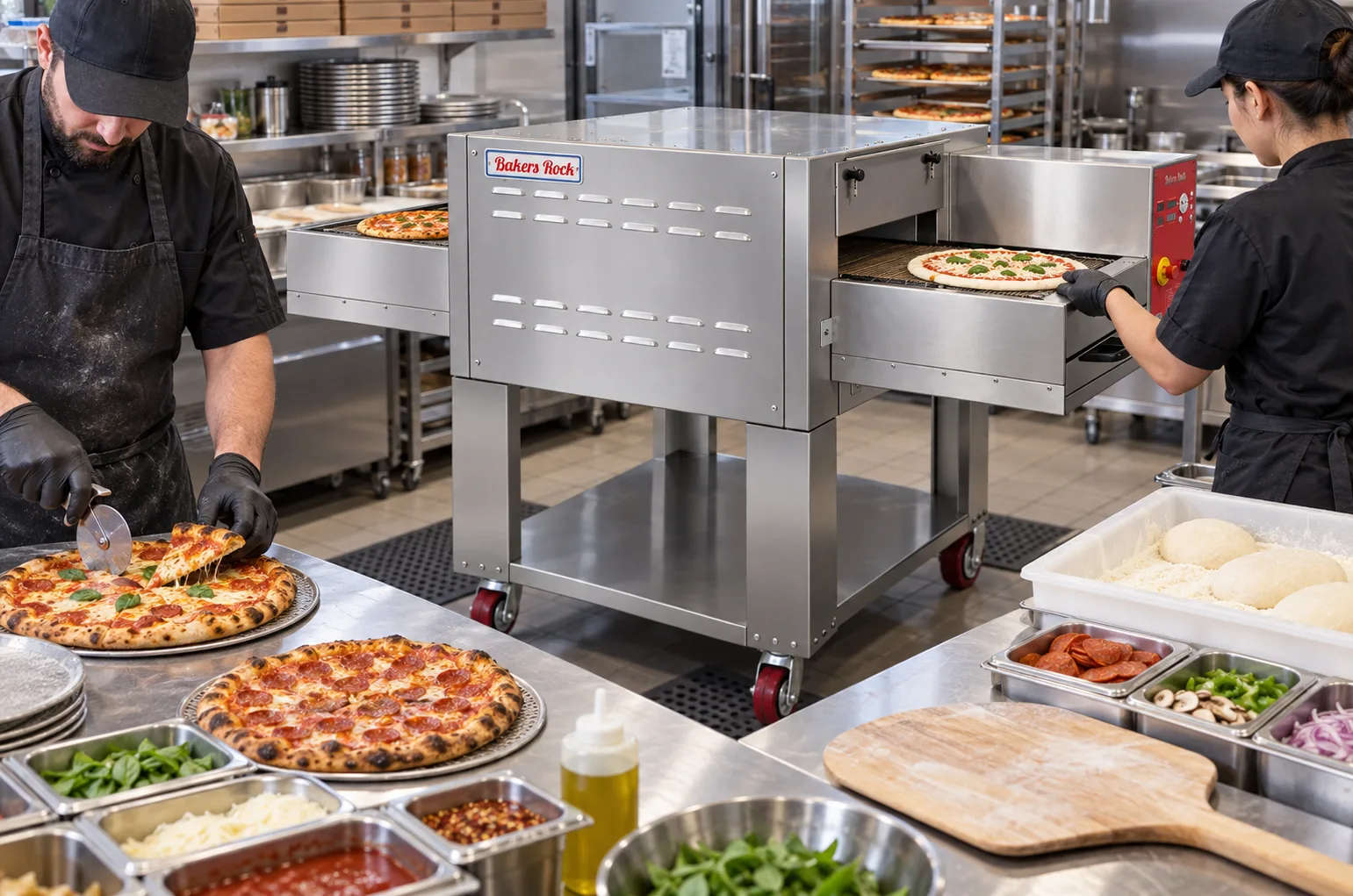
Draw the real loading pattern: pizza size, spacing, orientation, lane use, and the sequence in which products enter the chamber. A theoretical pizzas-per-hour figure may assume continuous loading of one size under ideal conditions. The restaurant needs proof that staff can load safely, remove product without congestion, and maintain the accepted bake while tickets arrive unevenly.
Test the highest-volume recipe first, then the most difficult recipe and the largest size. Run enough consecutive batches for the oven and kitchen workflow to reach a stable peak condition. Check the first, middle, and last products rather than selecting the best sample. Record actual output, conveyor time, setpoint, loading density, rejects, and operator interventions.
A candidate passes capacity only when it clears the measured peak with a documented operating margin. That margin should cover short surges, normal loading gaps, and reasonable menu variation without requiring staff to crowd the belt or change the accepted bake. If two products need incompatible settings, determine whether separate lanes, separate decks, or a revised production sequence is practical before approving the model.
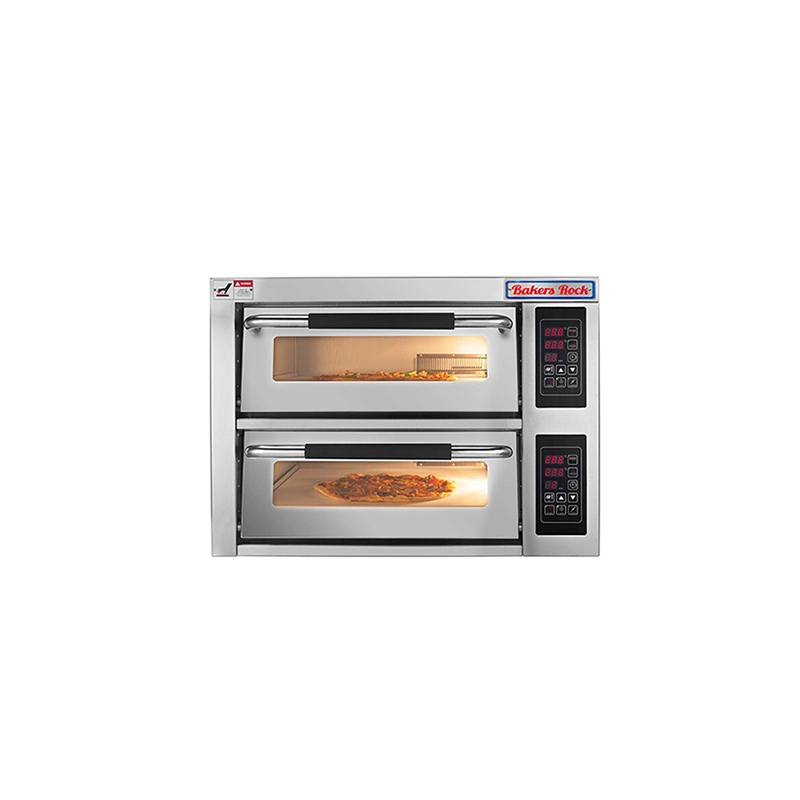
A double or triple stack can add capacity, create different bake programs, or provide partial continuity when one deck is unavailable. It also increases utility demand, hood requirements, cleaning labor, working height, and the number of service points. Size the final planned stack during the first site review, even if the chain initially purchases one deck.
Model a one-deck-out scenario. Ask how many peak orders the remaining decks can handle, which menu items receive priority, and how long the restaurant can operate in that mode. A stack should be approved as an operating system, not as identical equipment placed vertically.
Cleaning claims are less useful than a timed procedure. During a trial, have the restaurant team cool, access, remove, clean, reinstall, and restart the parts included in daily and weekly routines. Record hands-on minutes, cooling time, tools, lifting or reach issues, belt access, crumb removal, and the time until the oven is ready for production again. Confirm which tasks require a technician.
Review common wear parts and fault identification at the same time. The restaurant should know what an operator may inspect, what must remain untouched, how the correct part is identified, and what information service needs before dispatch. A replacement that meets bake targets but extends planned or unplanned downtime may still fail the business case.
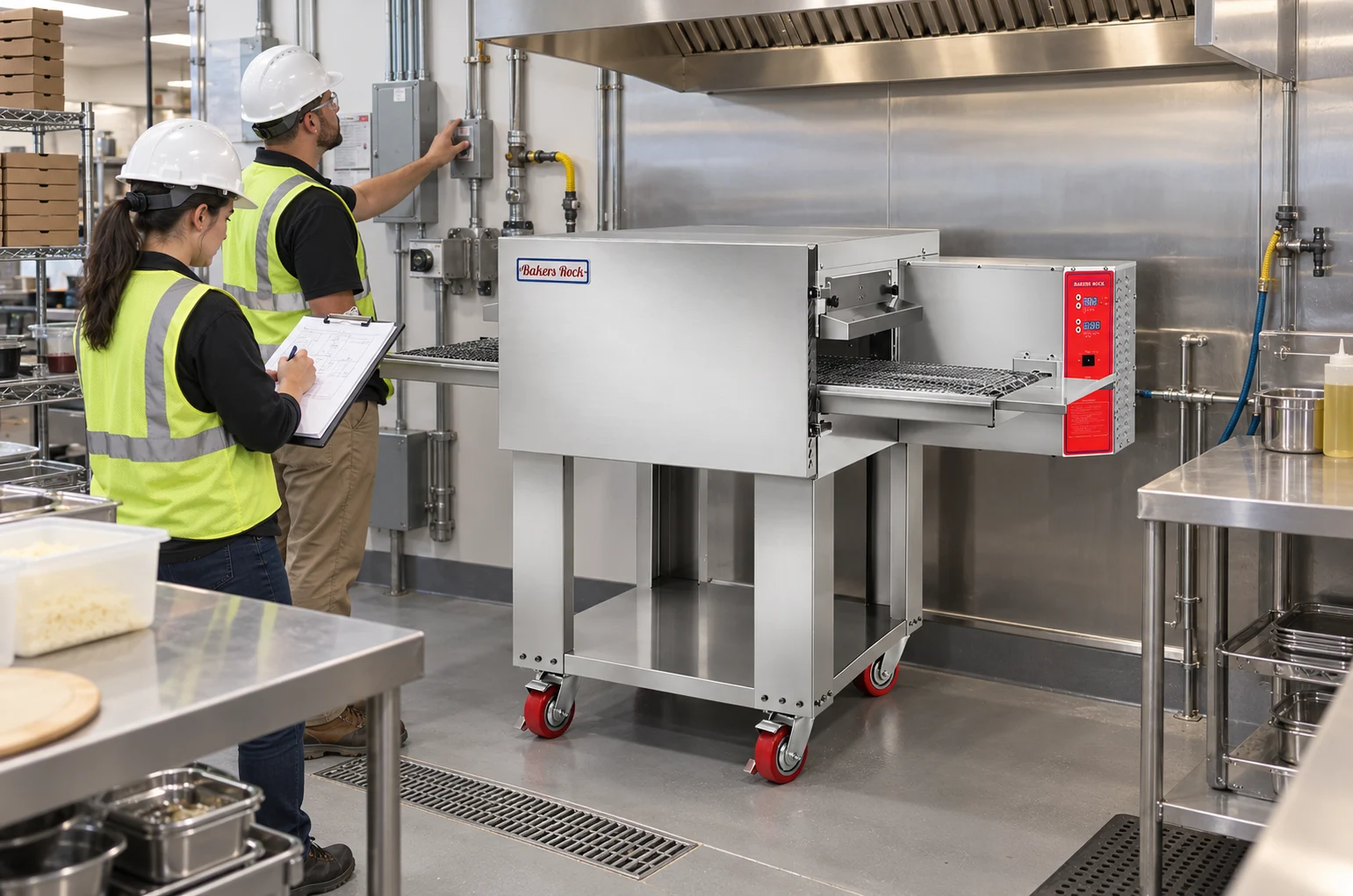
For every store, verify the exact ordered voltage, phase, frequency, neutral and grounding arrangement, connected load, protection, and confirmed spare capacity. Also document ventilation review, heat and cooking-effluent assumptions, hood coverage, replacement air, fire-protection interfaces, equipment clearances, delivery path, floor support, and utility termination points. Local professionals and authorities should approve the final installation design.
Use one survey template across Europe, North America, the Middle East, and Southeast Asia, but preserve site-level exceptions. Different supply configurations, landlord restrictions, approval routes, ambient conditions, and service access can change the result. Classify each site as ready, conditional, or blocked, and close every conditional item before releasing the purchase order.
Write the response plan into the evaluation. Identify the first contact, required data and fault information, remote diagnostic steps, local technician path, critical parts identification, shipment destination, and target decision points for repair or temporary operation. Validate that contact details and escalation routes work in each rollout market. Do not assume that a warranty statement alone defines restaurant uptime.
Before a multi-unit rollout, run a controlled pilot with the intended menu, staff workflow, utilities, and stack. The acceptance record should include:
Freeze the approved recipe, configuration, and test record as the rollout standard. When a store differs, record the exception and revalidate the affected requirement rather than assuming the pilot result transfers automatically.
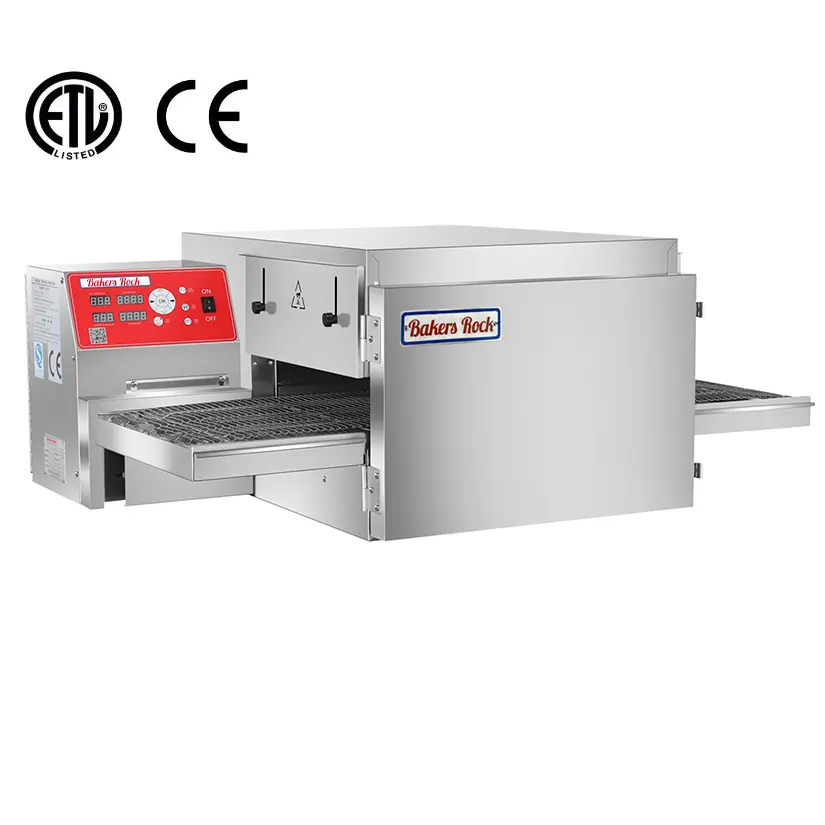
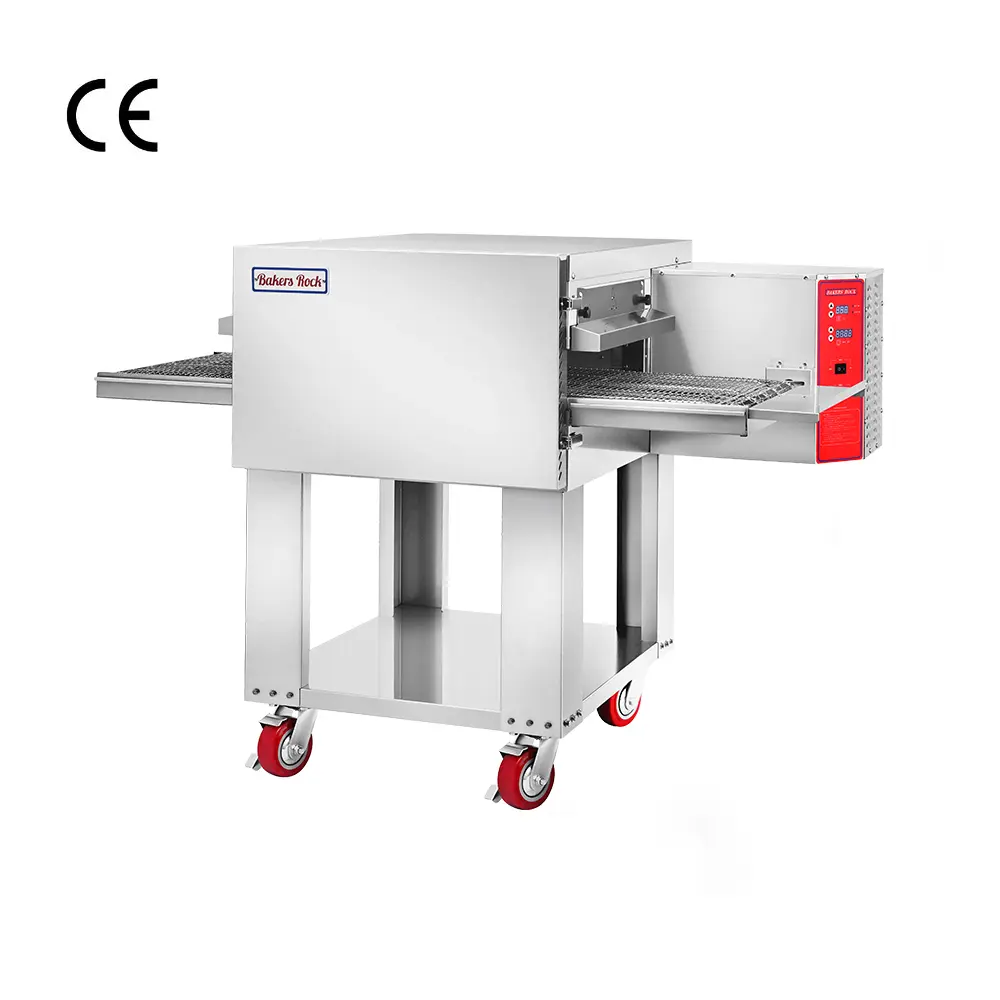
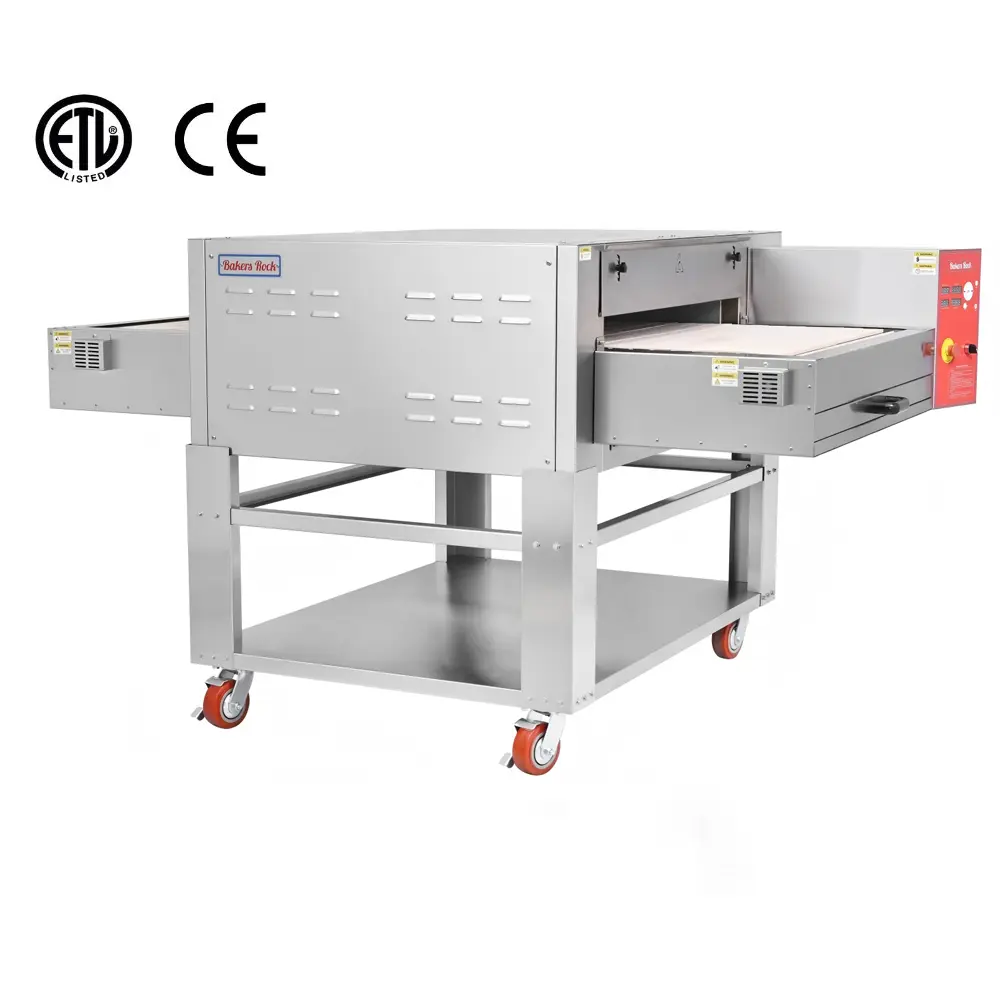
The H3240 may be evaluated as one high-capacity candidate, but it should not be treated as a universal Lincoln replacement. Compare its ordered configuration with the incumbent baseline, site utilities, menu trial, peak load, stack plan, and service-restoration requirements before selection.
Itu H3240 electric conveyor oven is listed with a 32 by 40 inch heating area, an adjustable conveyor time of 2 to 30 minutes, a maximum temperature of 300 C, and a rated power of 27 kW. Published overall dimensions are 2036 by 1440 by 649 mm, or 2239 by 1440 by 649 mm with the extension tray. These dimensions and ratings support shortlisting, not an output guarantee.
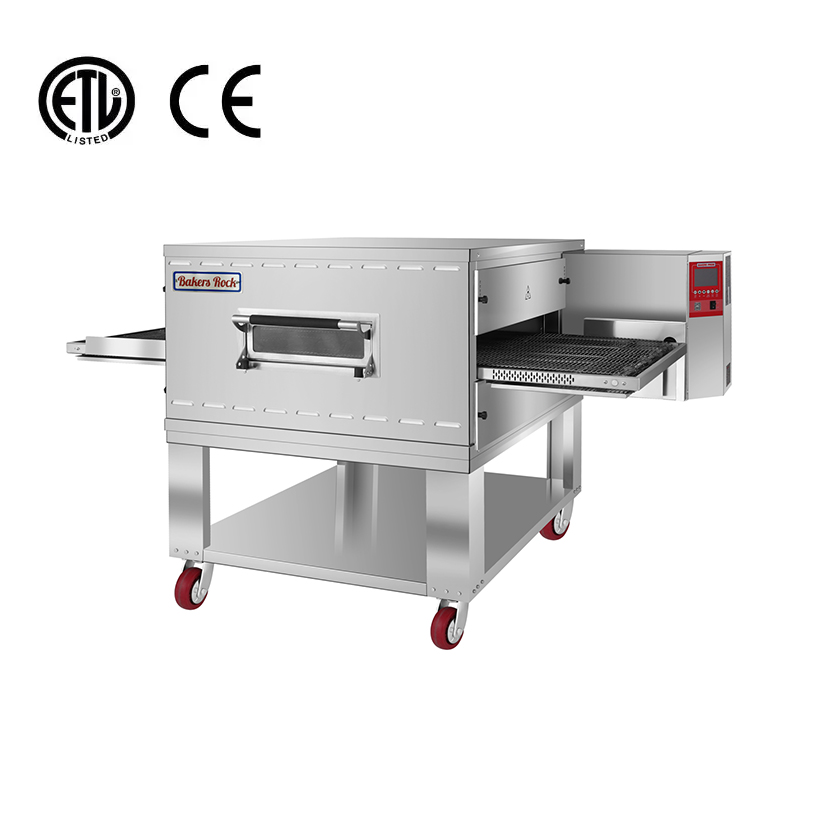
Listed three-phase electrical options include 220 V at 69.5 A per line, 208 V at 73.5 A per line, and 380 V at 40.1 A per line plus a 3.2 A neutral load. Breaker selection remains subject to local code. Review the H3240 specification sheet and the broader electric impingement oven range when matching voltage, stack, footprint, and operating need.
Choosing a Lincoln Impinger alternative for a high-volume pizza restaurant is a qualification exercise, not a catalog comparison. Capture the incumbent baseline, reproduce the busiest operating window, verify bake consistency and margin, quantify downtime, confirm the final stack and site, and prove the service plan. A candidate should move to rollout only when the evidence shows that it can support the restaurant’s actual operating standard.
No. Belt width affects loading, but usable capacity also depends on opening height, bake settings, airflow, product spacing, menu mix, operator workflow, and stack configuration. Verify the complete operating window with actual products.
Use representative recipes and the busiest measured order window. Record stable accepted output, settings, loading density, rejects, and operator interventions. Do not rely only on a theoretical hourly figure.
A double stack can support additional peak capacity, different bake programs, or partial redundancy. Approve it only after checking utilities, ventilation, working height, cleaning access, service access, and one-deck-out capacity.
Standardize the approved performance requirement and survey process. The ordered electrical configuration, hood solution, delivery plan, or stack may still need site-specific treatment and local approval.
For a model recommendation, send the restaurant baseline and test brief to Bakers Rock. Include the current model and data plate, pizza sizes and recipes, accepted bake target, peak orders or pizzas per 15 minutes, loading pattern, utilities, preferred stack, layout, quantity, rollout markets, and service expectations.