Nullam dignissim, ante scelerisque adalah euismod fermentum odio sem semper itu erat, sebuah feugiat leo urna eget eros. Duis Aenean risiko imperdiet.
Nullam dignissim, ante scelerisque adalah euismod fermentum odio sem semper itu erat, sebuah feugiat leo urna eget eros. Duis Aenean risiko imperdiet.
 pengarang
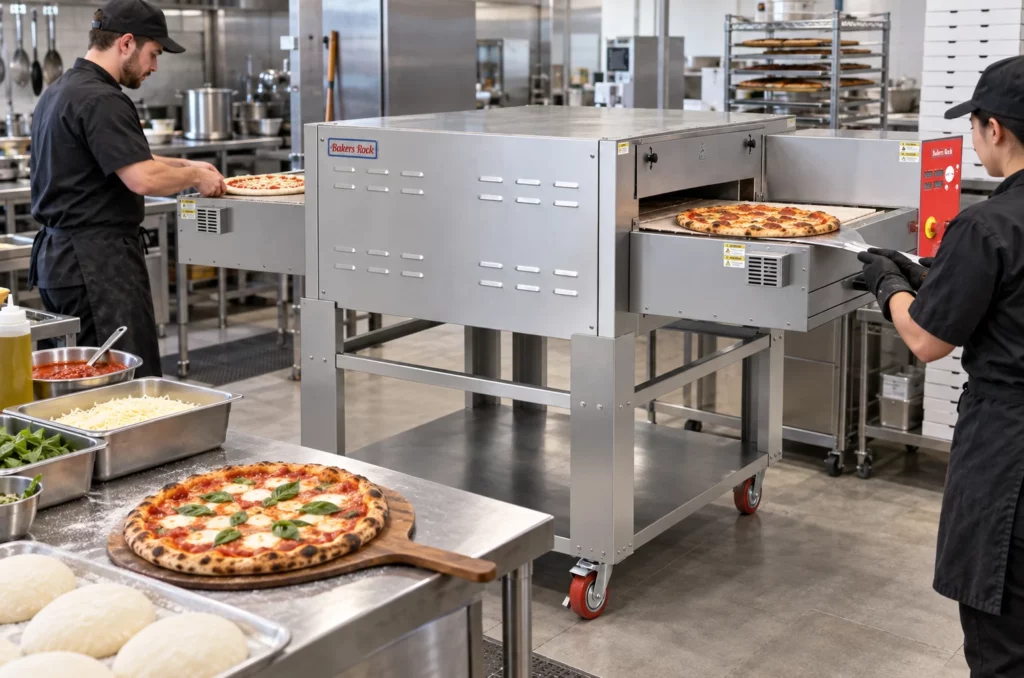
The toppings may attract attention, but the oven floor determines whether a pizza leaves the line crisp, firm, and fully set. Bottom heat drives moisture out of the dough, builds the browned base customers feel when they lift a slice, and supports the structure needed for delivery. In continuous commercial baking, the practical question is not “How hot can the top run?” It is whether the floor, upper zone, airflow, and belt speed are balanced for the exact dough and load.
The underside of a pizza is the first place where excess moisture must leave. When dough contacts a heated deck, screen, or refractory stone, energy moves into the base by conduction. That contact sets the bottom cells, dries the surface, and creates the browned layer associated with a crisp bite. If floor heat is weak or inconsistent, the top can look finished while the center remains soft and the base bends under its own weight.
Top heat has a different assignment. Radiation and hot air melt cheese, color the rim, and cook exposed toppings. They do not replace the direct floor contact needed to dry the bottom. A high top setting can even hide a floor problem by browning cheese before the crust has reached its target texture. For production teams, bottom heat is therefore a process variable, not a cosmetic adjustment.
Sauce, fresh vegetables, and high-moisture cheese add water to the bake. The top zone can evaporate some surface moisture, but the base still needs enough conductive energy and residence time to dry from below. If the floor is too cool, the crust may steam rather than crisp. Operators often respond by extending the bake, which can over-dry the rim while the center remains tender.
A pizza that is crisp only on top can collapse when it is cut, boxed, or held for delivery. A properly set underside provides mechanical support for toppings and reduces the perception of a soggy slice. The right result is not a brittle cracker; it is a base whose firmness matches the style, thickness, hydration, and holding time of the product.
A golden underside is helpful evidence, but color alone can mislead. Flour residue, sugar, oil, or a dark baking surface can change appearance. Validate the exit product by checking bottom color, center set, rim structure, and crispness after cutting and after a short hold. Keep a retained sample when changing recipes or equipment settings.
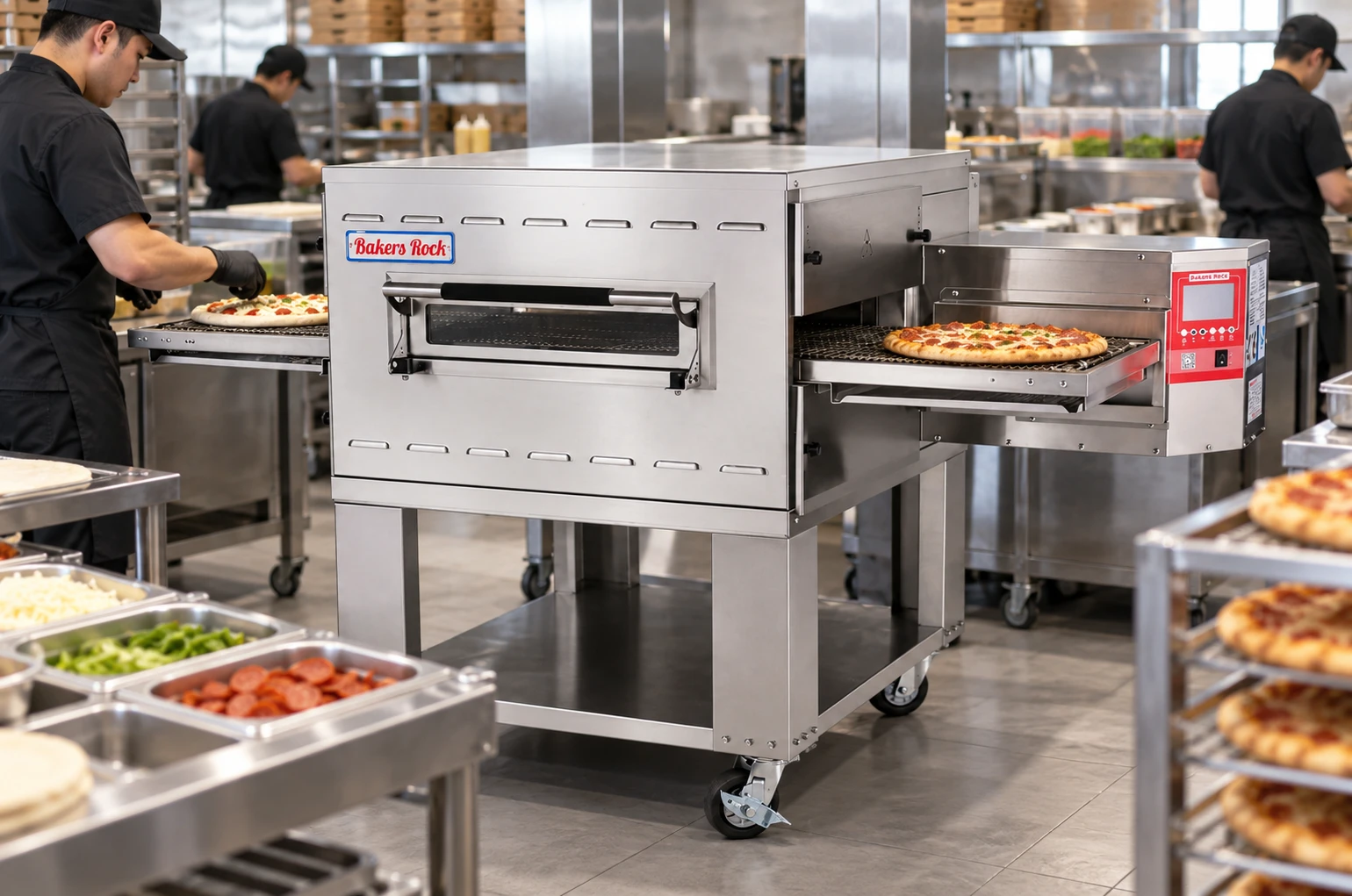
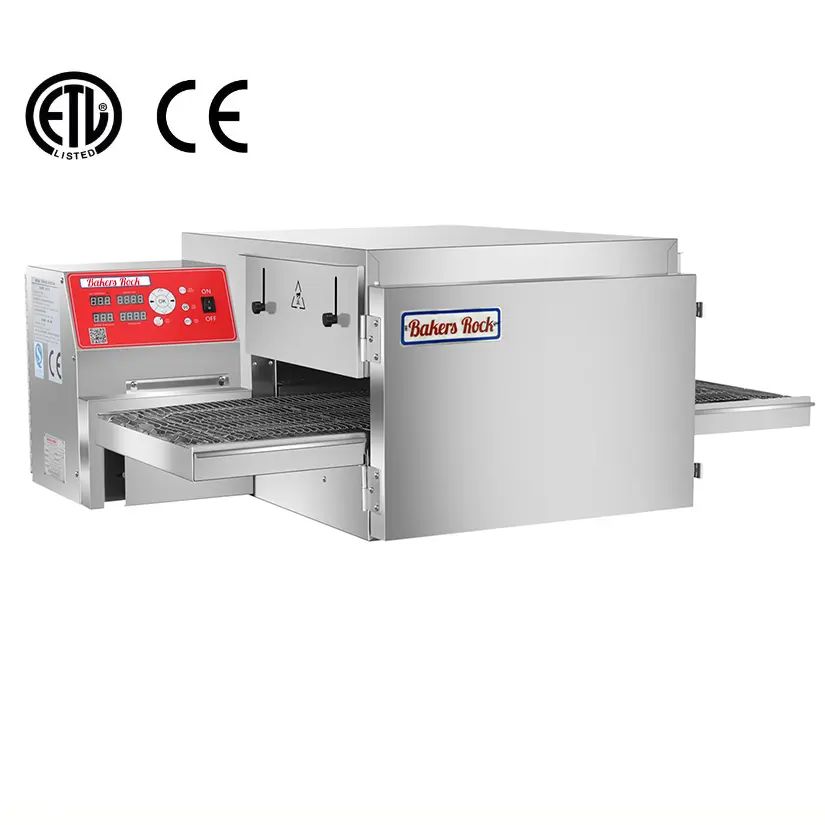
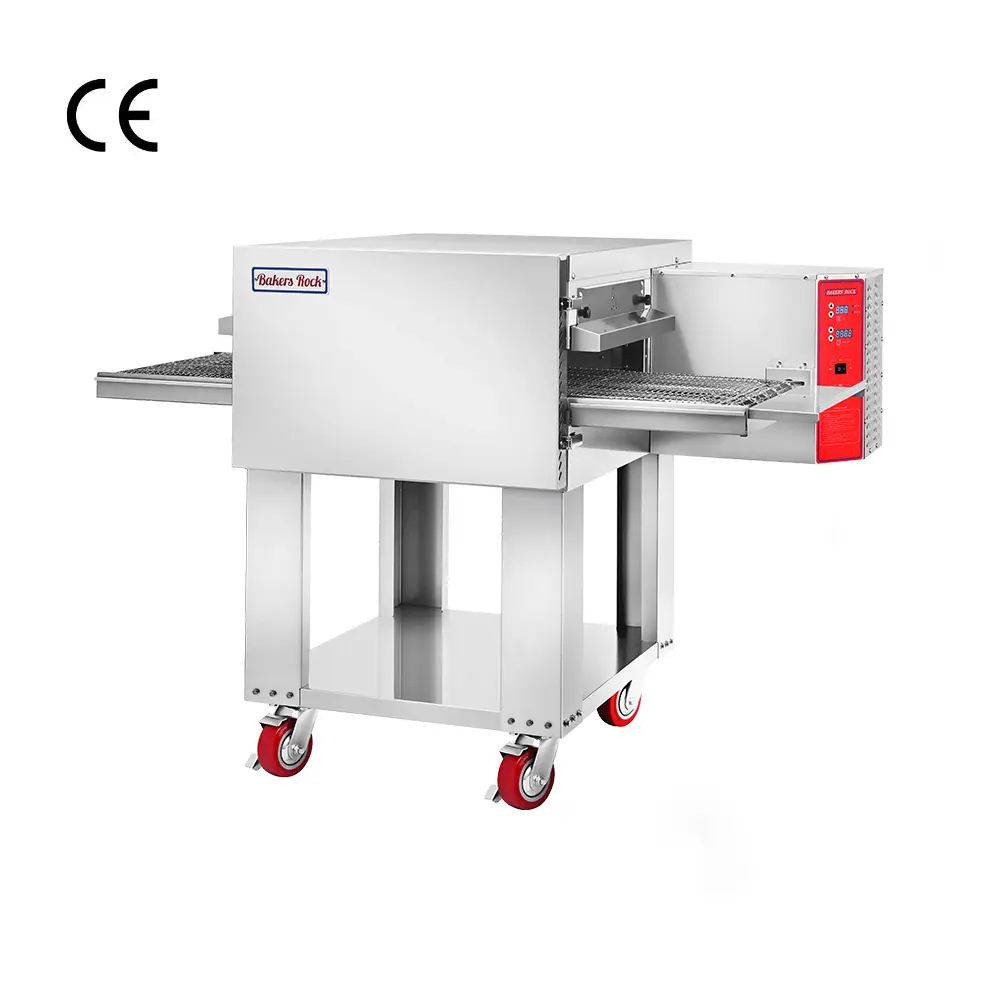
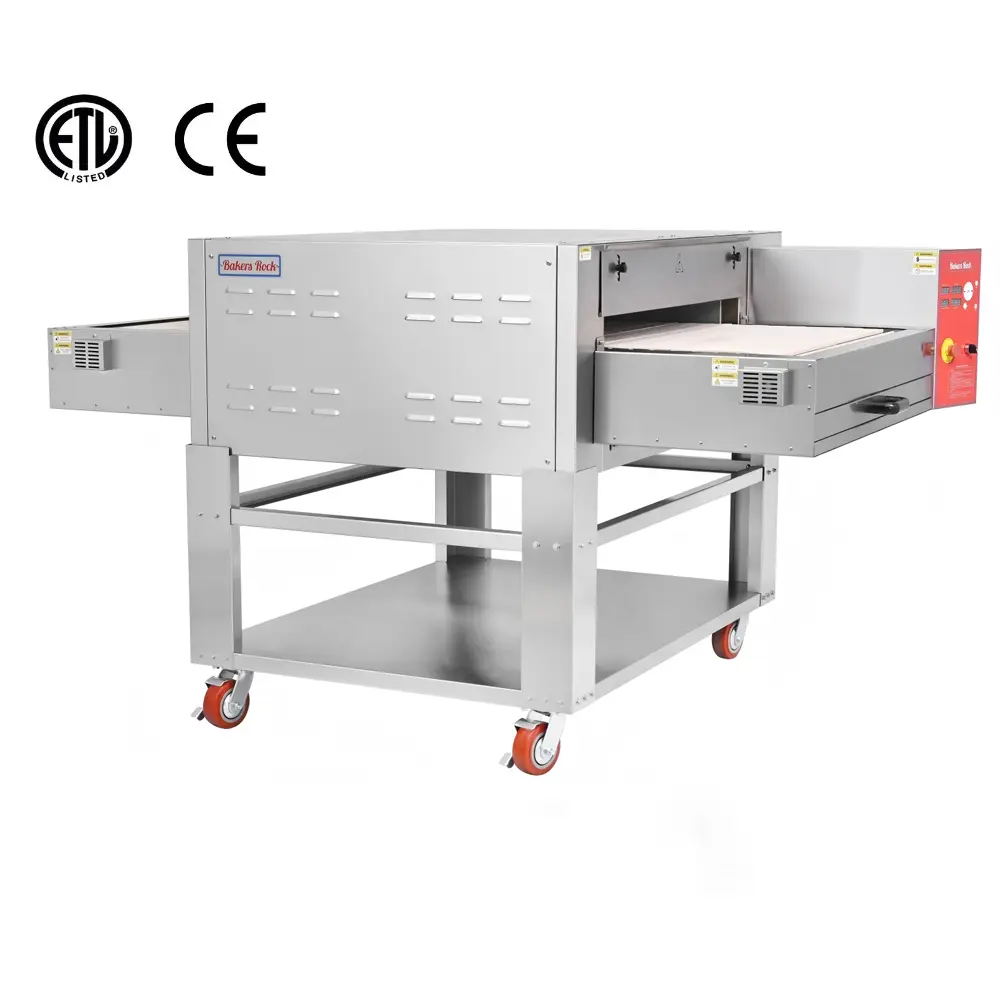
A stone conveyor oven uses refractory stone fillets or a stone belt to create a heated moving surface. The stone stores thermal energy and transfers it to the dough as each pizza passes through the baking zone. This is especially useful when a line must repeat the same bake across many products, because the floor becomes part of the controlled recipe rather than an incidental support. Recovery still depends on preheat, loading rate, dough temperature, and configuration.
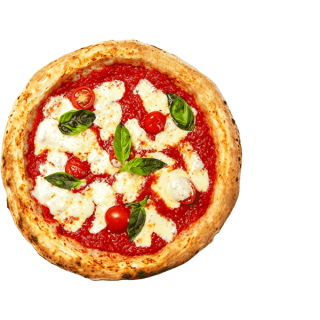
Independent upper and lower temperature controls let operators tune the heat balance. Increase floor energy when the base is pale or soft; reduce it when the underside darkens before the toppings finish. Belt speed then sets the time available for moisture to leave. For Napoli-style pizza in a stone conveyor oven, around 400°C and a baking time of approximately 90 seconds can serve as a starting reference. Final settings must be validated in the customer’s own process based on dough thickness, topping mass, product temperature, and desired texture.
When crust quality drops, change one variable at a time. First confirm the floor is fully preheated and that the stone path is free of flour, crumbs, or carbonized residue. Build-up can reduce effective contact and create hot or cool patches. Next check belt speed against the validated recipe; a faster belt shortens the drying window. Then review dough temperature, hydration, thickness, docking, and topping weight. A recipe that changed upstream can look like an oven fault.
If the top is ready but the base is soft, add floor heat or increase residence time only after checking loading and dough conditions. If the base is dark while cheese is pale, reduce floor heat or increase upper heat carefully. If results vary across the belt, square the loading position, confirm spacing, and inspect whether airflow is being blocked by trays or oversized products. Record every trial in a bake log so the winning settings can be reproduced across shifts and sites.
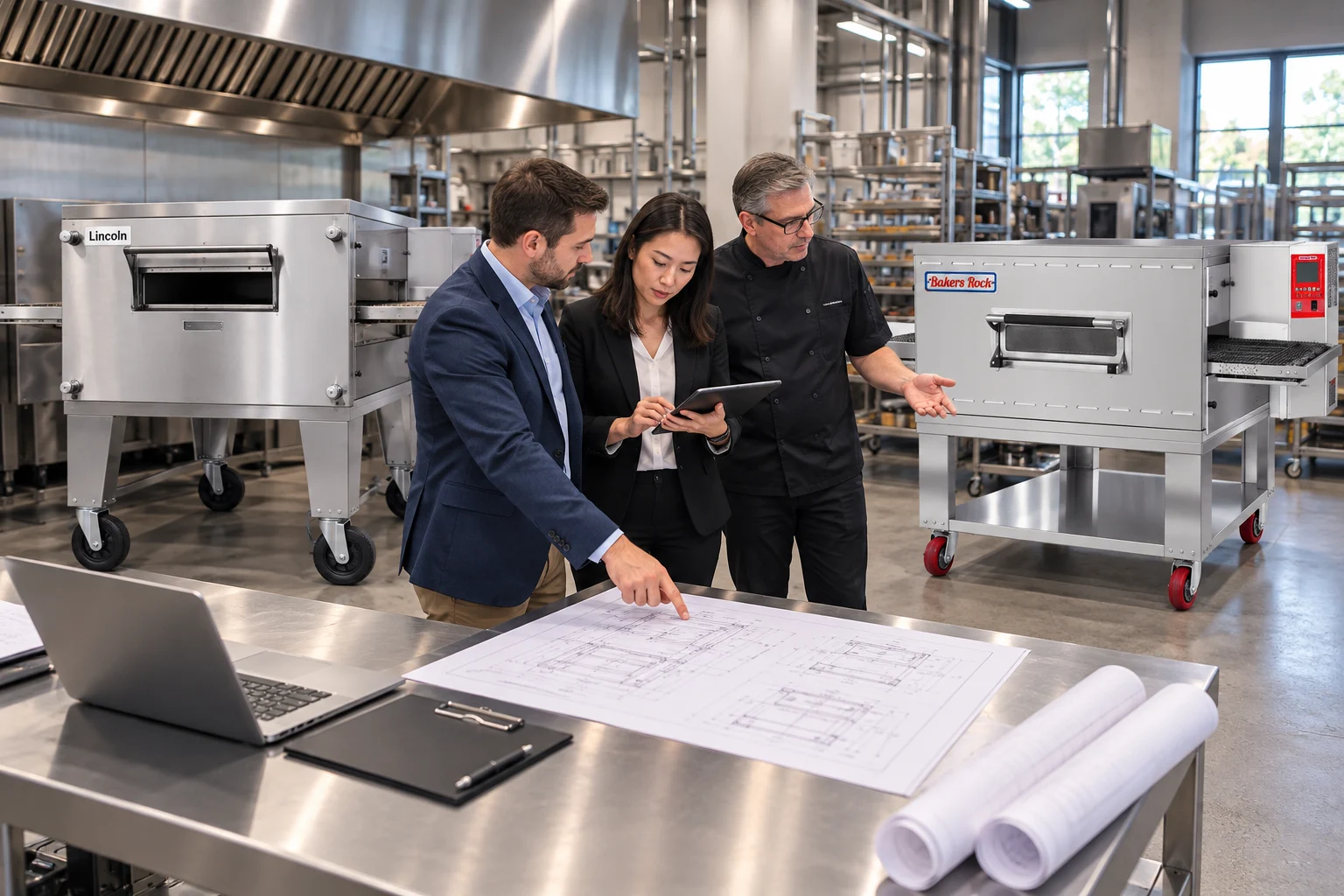
A commercial buyer should evaluate more than maximum temperature. Ask about usable belt width, refractory surface design, independent top and bottom control, speed range, preheat and recovery behavior, crumb collection, cleaning access, and the electrical or gas configuration available at the site. Confirm the largest pizza diameter, product height, and target pizzas per hour. A line sized only for the menu’s average product may struggle during peak demand or when a new recipe is introduced.
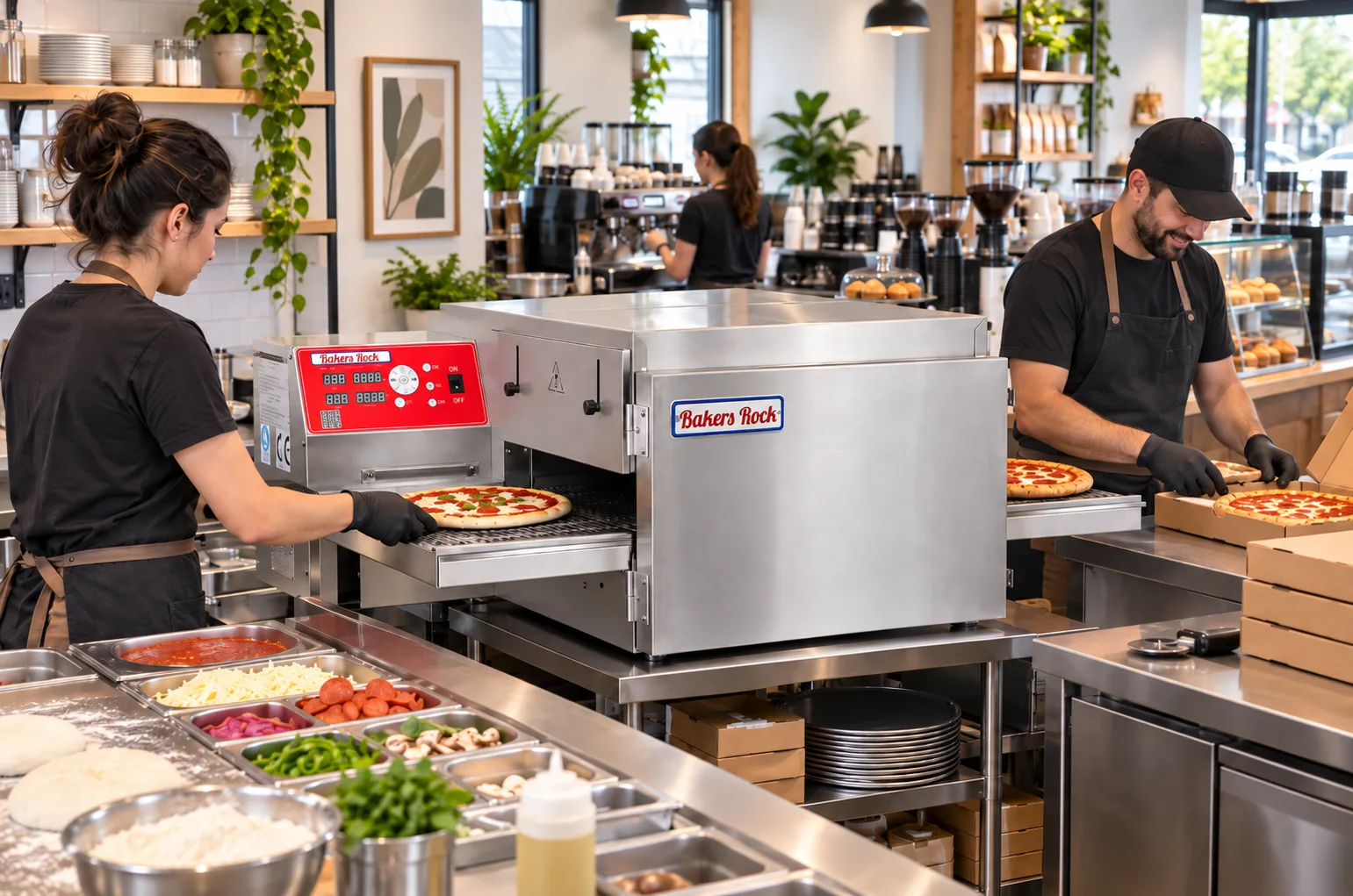
The Bakers Rock Stone Conveyor Oven product range includes high-temperature stone belt equipment. The 18-inch S1832 is listed with a 450°C maximum setting, adjustable 1.5–18 minute timing, and an 18 by 32 inch heating area. The 32-inch S3240 is positioned for larger production and additional foods such as frozen pizza and pre-cooked bases.
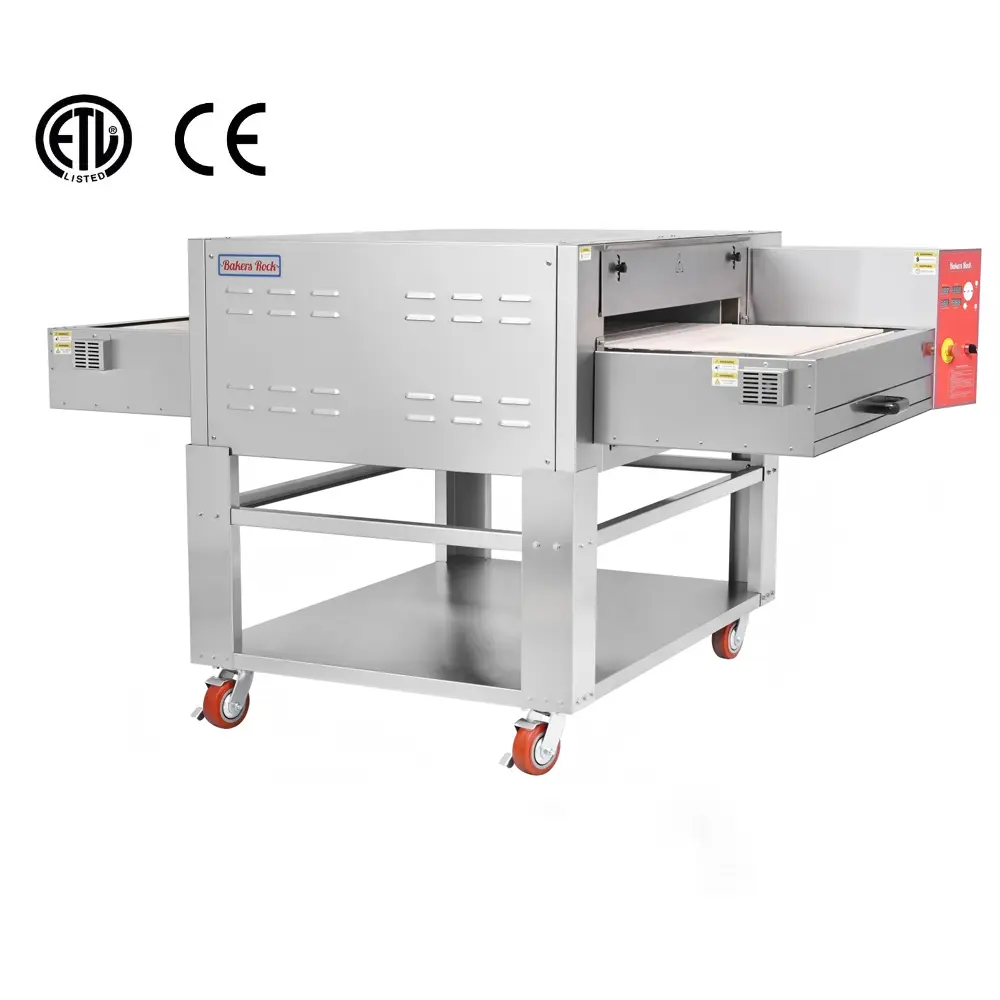
Verify final ratings, utilities, and installation requirements against the supplied model specification before purchase.
Pizza crust quality depends on bottom heat because the floor is where the dough loses moisture, sets its structure, and develops the browned surface that supports toppings and delivery. Top heat remains essential for cheese and rim color, but it cannot compensate for a weak or poorly controlled base. In continuous baking, a refractory stone surface, independent floor and ceiling settings, and a validated belt speed turn that principle into a repeatable process. Test the complete product, record the settings, and size the oven around real throughput and recipe conditions.
The floor may be too cool, the belt may be too fast, or the dough and toppings may contain more moisture than the validated recipe. Check preheat, stone cleanliness, loading, and residence time.
Start with bottom heat and belt speed because they control moisture removal from the base. Adjust top heat separately to finish the rim and toppings without burning the cheese.
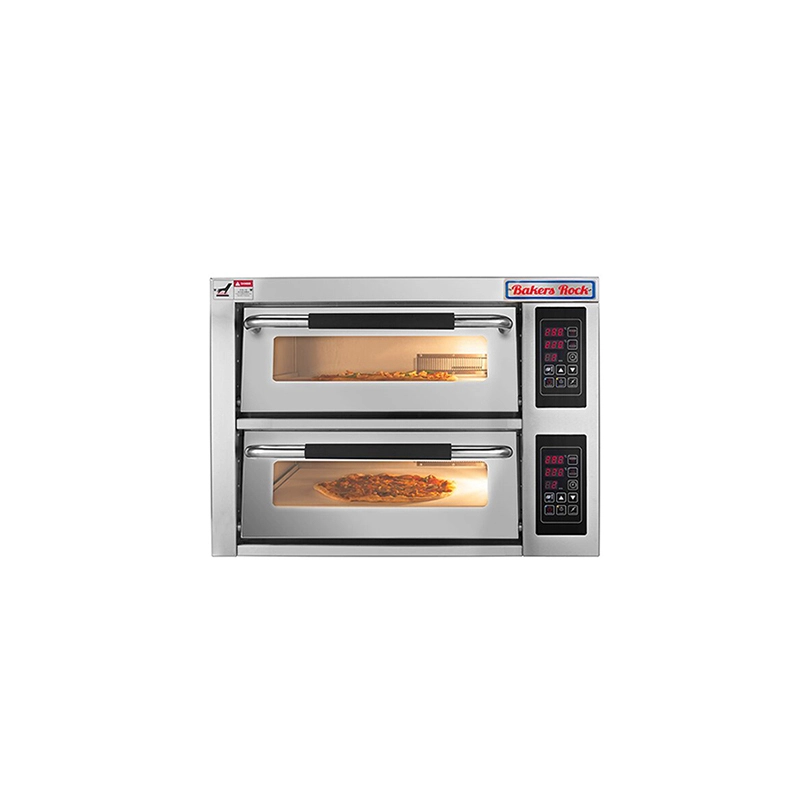
They serve different workflows. A deck oven bakes on a stationary surface; a stone conveyor oven moves products through controlled zones for repeatable flow and throughput.
Provide pizza diameter and thickness, dough and topping details, target hourly output, fresh or frozen status, utilities, available space, and the desired texture after holding.
For a model recommendation or process trial, contact the Bakers Rock technical team with your pizza dimensions, dough formula, topping load, target output, utilities, and a description of the crust texture you need.