Nullam dnissim, ante scelerisque the is euismod fermentum odio sem semper the is erat, feugiat สิงห์ urna eget eros ดุส เอเนียน การเพิ่มขึ้นของความไม่แน่นอน
Nullam dnissim, ante scelerisque the is euismod fermentum odio sem semper the is erat, feugiat สิงห์ urna eget eros ดุส เอเนียน การเพิ่มขึ้นของความไม่แน่นอน
 ผู้เขียน
ต้นทุนแรงงานที่เกี่ยวข้องกับเตาอบพิซซ่าแบบสายพานลำเลียงเชิงพาณิชย์นั้นมีมากกว่าต้นทุนการซื้อ ในร้านพิซซ่าที่พลุกพล่าน ประเด็นสำคัญคือ เตาอบนี้จะช่วยลดงานซ้ำซากจำเจ ทำให้การฝึกอบรมง่ายขึ้น ให้ผลผลิตที่สม่ำเสมอ และช่วยลดต้นทุนแรงงานต่อพิซซ่าในช่วงเวลาที่มีลูกค้ามากได้หรือไม่
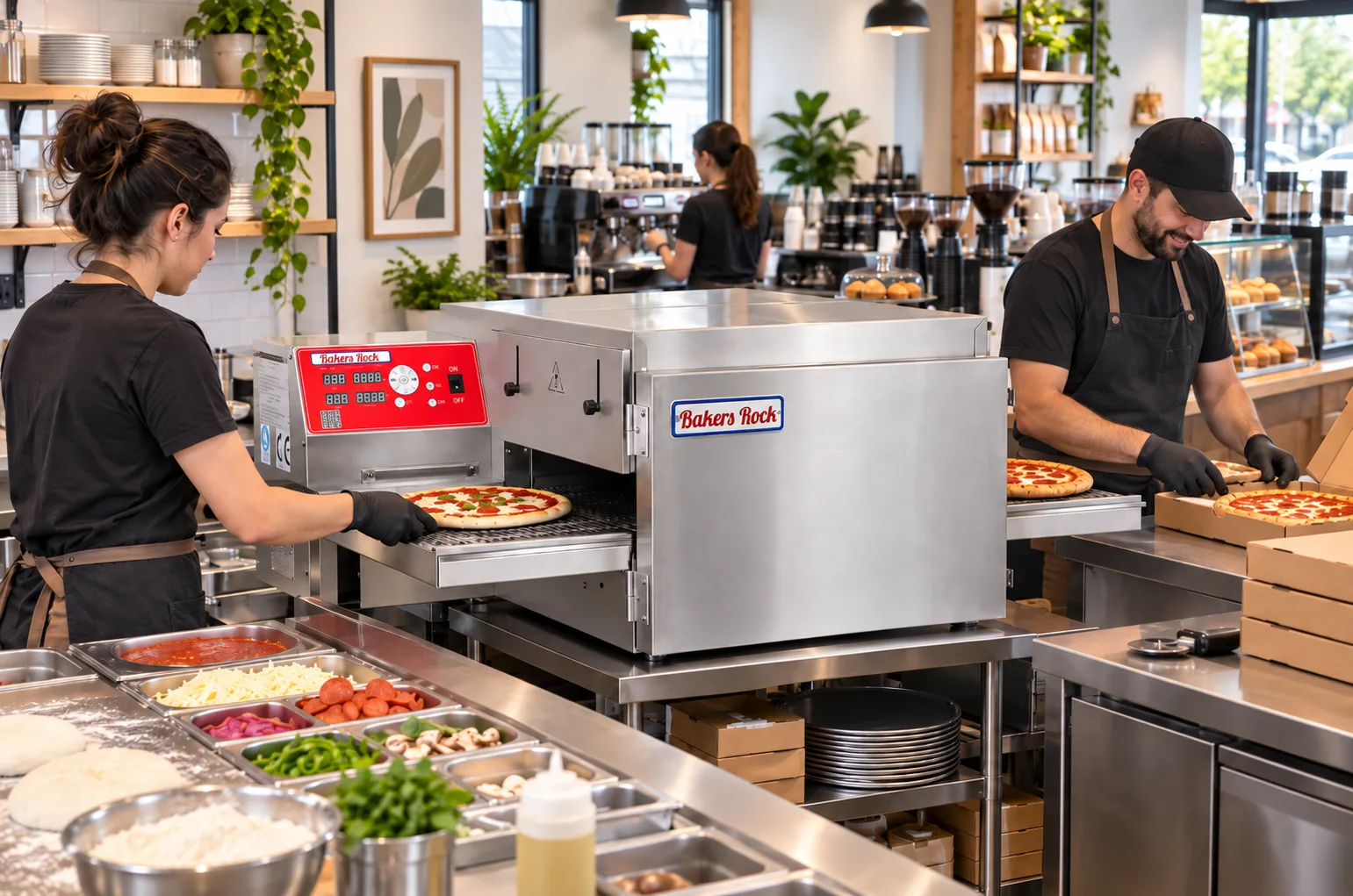
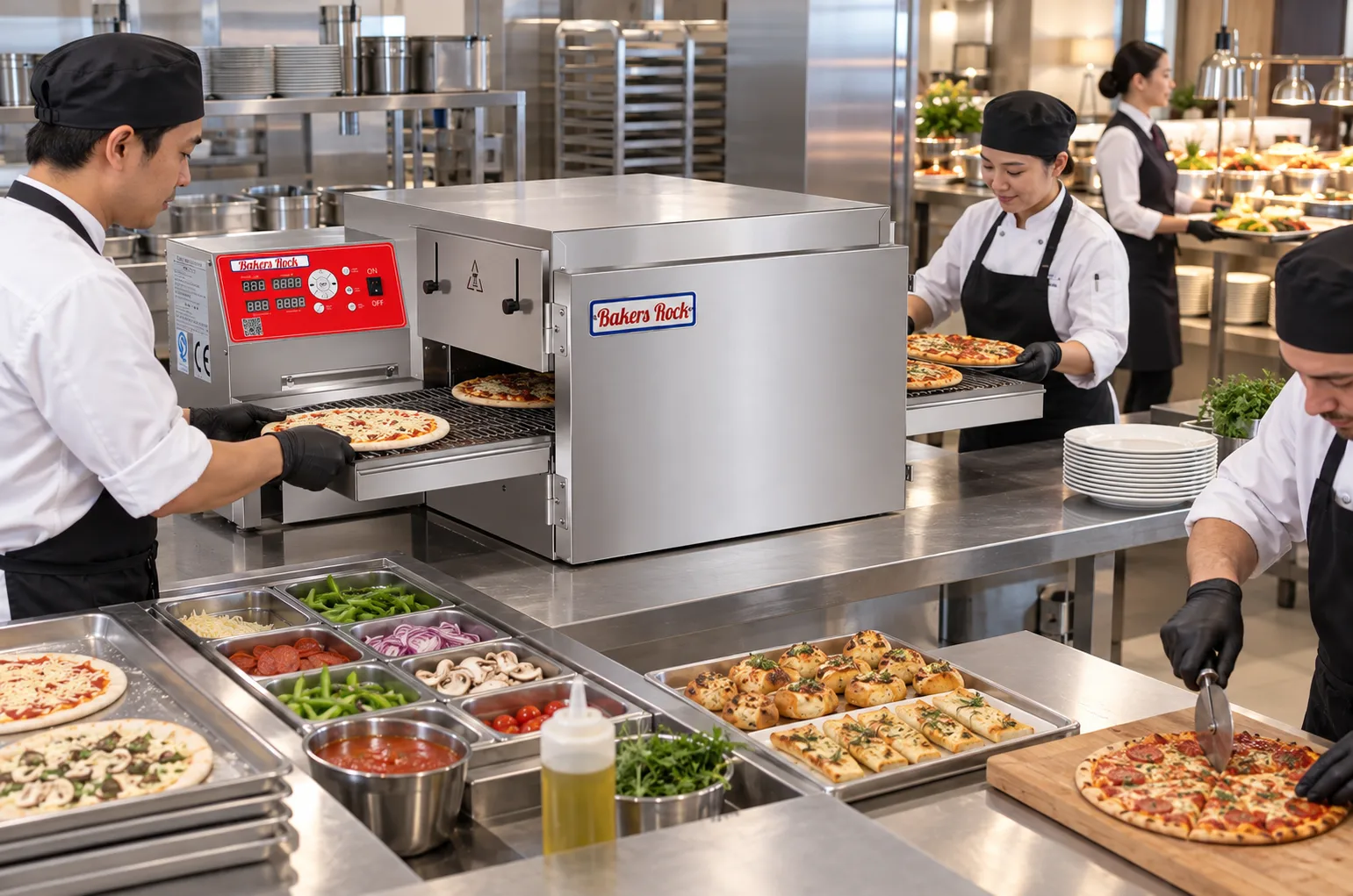
เตาอบสายพานลำเลียงไม่ได้ช่วยลดแรงงานคน พนักงานยังคงต้องเตรียม จัดเตรียม ขนถ่าย ตรวจสอบ และทำความสะอาด คุณค่าของมันอยู่ที่การทำให้ขั้นตอนการอบมีความสม่ำเสมอมากขึ้น ร้านอาหารที่เปรียบเทียบ โซลูชั่นเตาอบพิซซ่าเชิงพาณิชย์ของ Bakers Rock ดังนั้น จึงควรพิจารณาขั้นตอนการทำงานในปัจจุบัน ความต้องการในช่วงเวลาเร่งด่วน ความสม่ำเสมอของเมนู และแรงกดดันด้านบุคลากร ก่อนที่จะเลือกใช้รูปแบบมาตรฐาน
การผลิตพิซซ่าในปริมาณมากนั้นมีต้นทุนสูง หากจำเป็นต้องมีการควบคุมดูแลเตาอบอย่างต่อเนื่อง ผู้ที่ทำหน้าที่นี้อาจต้องใส่พิซซ่าแต่ละชุด พลิกพิซซ่า สังเกตสี ตรวจสอบระดับความสุก หยิบพิซซ่าออกในเวลาต่างๆ และแม้กระทั่งปรับเปลี่ยนการตั้งค่าระหว่างแต่ละชุด ในช่วงเวลาที่เร่งรีบ งานเหล่านั้นจะแย่งเวลาไปกับการเตรียมอาหาร การตกแต่ง การบรรจุ และการประสานงานคำสั่งซื้อ
ต้นทุนแรงงานก็สูงขึ้นเช่นกันเมื่อผลลัพธ์ขึ้นอยู่กับผู้ปฏิบัติงานที่มีประสบการณ์เป็นอย่างมาก พนักงานใหม่ต้องใช้เวลาฝึกอบรมนานกว่า ในขณะที่ความแตกต่างระหว่างกะอาจนำไปสู่ผลิตภัณฑ์ที่ไม่สม่ำเสมอ การทำซ้ำ และการร้องเรียนจากลูกค้า การเพิ่มพนักงานอีกคนอาจช่วยเพิ่มผลผลิตได้ชั่วคราว แต่ไม่ได้แก้ไขกระบวนการอบที่ไม่ eficiente
ก่อนซื้ออุปกรณ์ใหม่ ควรวัดผลการดำเนินงานของกระบวนการที่มีอยู่ในช่วงเวลาที่มีลูกค้ามากที่สุด บันทึกจำนวนพิซซ่าที่พร้อมจำหน่ายออกจากครัวต่อชั่วโมง เวลาที่พนักงานใช้ในการเฝ้าดูหรือปรับเตาอบ ความถี่ในการพลิกกลับผลิตภัณฑ์ และจำนวนคำสั่งซื้อที่ต้องทำใหม่
เตาอบสายพานลำเลียงเหมาะสมที่สุดเมื่อการผลิตสินค้าซ้ำๆ เกิดความล่าช้าเนื่องจากการจัดการเป็นชุดหรือการควบคุมดูแลอย่างต่อเนื่อง แต่อาจไม่คุ้มค่าสำหรับร้านอาหารที่มีปริมาณการขายต่ำ เมนูมีความหลากหลาย สูตรอาหารเปลี่ยนแปลงบ่อย หรือรูปแบบการอบที่ต้องอาศัยการจัดวางด้วยมือและการตัดสินด้วยสายตา การตัดสินใจควรพิจารณาจากข้อมูลการทำงานจริงมากกว่ายอดขายรวมเพียงอย่างเดียว
การประหยัดแรงงานด้วยเตาอบพิซซ่าแบบสายพานลำเลียงมักมาจากการทำให้ขั้นตอนการอบง่ายขึ้น หลังจากกำหนดอุณหภูมิและเวลาการลำเลียงที่เหมาะสมสำหรับผลิตภัณฑ์ที่ได้ผลลัพธ์สม่ำเสมอแล้ว พนักงานสามารถใส่สินค้าจากปลายด้านหนึ่งและนำออกมาหลังจากรอบการอบที่ควบคุมได้
วิธีการนี้สามารถลดการพลิกกลับด้วยมือ การตัดสินใจเรื่องเวลาของแต่ละบุคคล การเปิดประตูซ้ำๆ และการเฝ้าสังเกตเตาอบอย่างต่อเนื่อง นอกจากนี้ยังอาจทำให้การจัดการความต้องการด้านพนักงานสำหรับเตาอบพิซซ่าง่ายขึ้น เนื่องจากพนักงานจะปฏิบัติตามการตั้งค่าที่บันทึกไว้ แทนที่จะพึ่งพาประสบการณ์ส่วนตัวเพียงอย่างเดียว
การอบพิซซ่าอัตโนมัติมีประโยชน์มากที่สุดสำหรับร้านอาหารที่มีส่วนผสมแป้ง หน้าพิซซ่า ขนาดพิซซ่า และรูปแบบการอบที่เป็นมาตรฐาน ในสภาวะเช่นนี้ ความเร็วและอุณหภูมิของสายพานลำเลียงที่ควบคุมได้จะช่วยให้การสอนงานในแต่ละกะง่ายขึ้น
เตาอบไม่ควรใช้แทนการควบคุมกระบวนการผลิต การใส่หน้าขนมมากเกินไป ความหนาของแป้งไม่สม่ำเสมอ ช่องว่างในการจัดวางไม่ถูกต้อง หรือผลิตภัณฑ์ที่เกินขนาดช่องใส่ของเตาอบ อาจทำให้ได้ผลลัพธ์ที่ไม่ดี ผู้ซื้อควรตรวจสอบการควบคุมอุณหภูมิ ช่วงเวลาการทำงานของสายพานลำเลียง ขนาดการอบที่ใช้งานได้ กำลังไฟที่ต้องการ และความเข้ากันได้ของเมนูเทียบกับข้อกำหนดของรุ่นที่เลือก
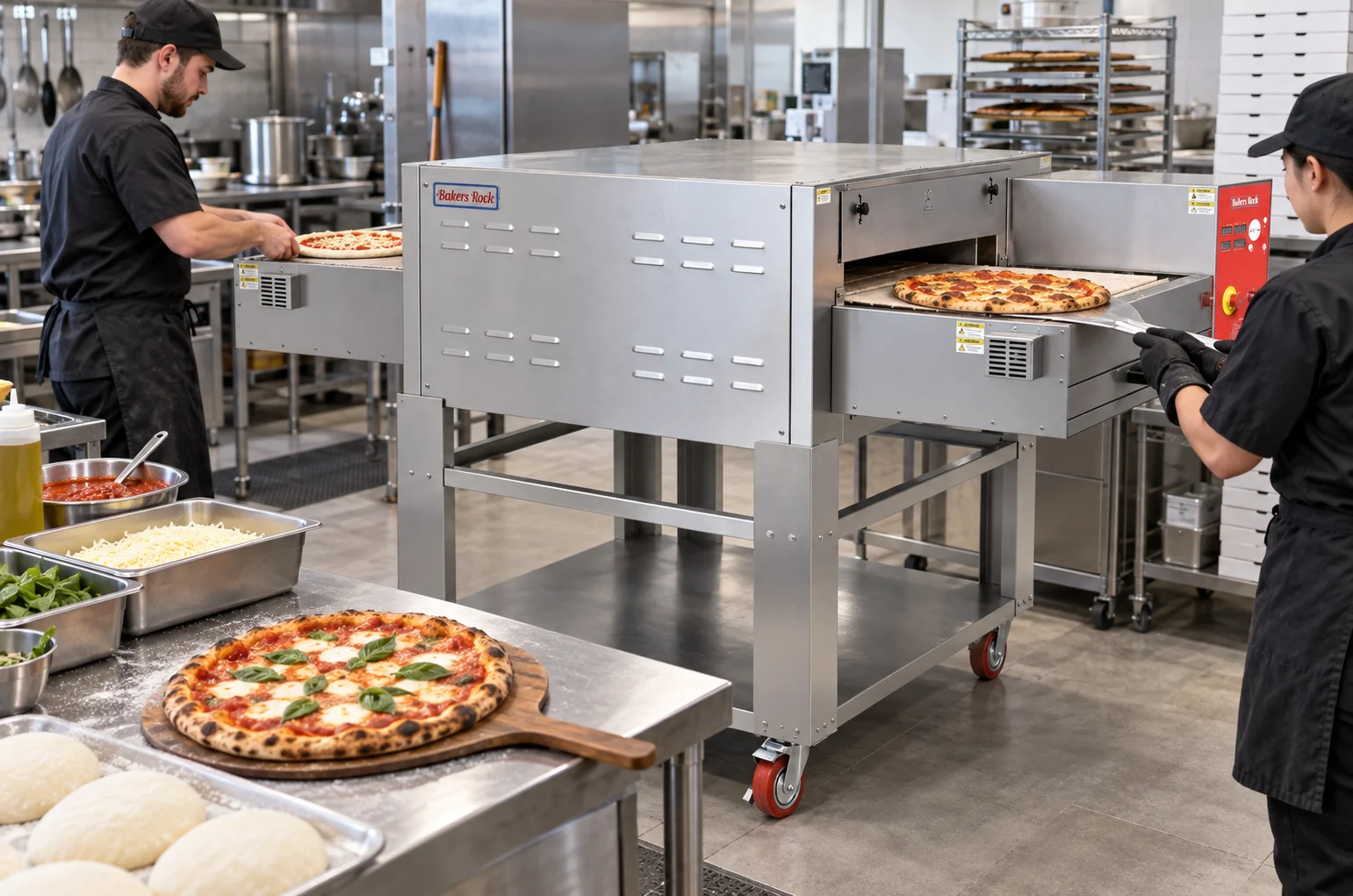
เอ เตาอบสายพานลำเลียงหินเชิงพาณิชย์ อาจพิจารณาใช้ได้เมื่อเมนูและผลลัพธ์การอบที่ต้องการเหมาะสมกับพื้นผิวลำเลียงหินทนความร้อน การกำหนดค่าที่เหมาะสมยังคงขึ้นอยู่กับรูปแบบพิซซ่า ขนาด ปริมาณการผลิต และอุปกรณ์ครัวที่มีอยู่
การอบซ้ำๆ ทำให้สิ้นเปลืองวัตถุดิบและเวลาของพนักงานโดยไม่ก่อให้เกิดผลผลิตที่ขายได้ กระบวนการอบที่เป็นระบบและทำซ้ำได้อาจช่วยลดการสูญเสียนี้ได้ เมื่อสาเหตุหลักมาจากจังหวะเวลาที่ไม่สม่ำเสมอ การหมุนเวียนวัตถุดิบที่ผิดพลาด หรือการตัดสินใจที่แตกต่างกันระหว่างผู้ปฏิบัติงาน
อย่างไรก็ตาม ผลลัพธ์ที่ไม่สม่ำเสมอไม่ได้หมายความว่าเตาอบมีปัญหาเสมอไป อาจเกิดจากน้ำหนักแป้งที่ไม่สม่ำเสมอ ปริมาณซอสหรือหน้าขนมที่เปลี่ยนไป อุณหภูมิในการเตรียมที่ไม่เหมาะสม หรือการจัดวางผลิตภัณฑ์ที่ไม่สม่ำเสมอ ร้านอาหารควรปรับมาตรฐานปัจจัยเหล่านี้ก่อนที่จะประเมินการประหยัดแรงงานที่อาจเกิดขึ้น
ขั้นตอนการปฏิบัติงานประจำวันควรระบุสูตรอาหาร รูปแบบการบรรจุ การตั้งค่าเตาอบที่ได้รับอนุมัติ จุดตรวจสอบ และวิธีการรับมือกับพิซซ่าที่ไม่ได้มาตรฐาน ซึ่งจะช่วยให้ร้านอาหารสามารถแยกแยะประสิทธิภาพของอุปกรณ์ออกจากข้อผิดพลาดในการเตรียมอาหาร และลดความเสี่ยงในการประเมินประสิทธิภาพแรงงานของเตาอบสายพานลำเลียงสูงเกินจริง
ร้านอาหารควรสร้างฐานข้อมูลปัจจุบันก่อนที่จะประเมินผลตอบแทนจากการลงทุน (ROI) ของเตาอบพิซซ่าแบบสายพานลำเลียง คำนวณแรงงานที่ใช้ในช่วงระยะเวลาการผลิตที่เป็นตัวแทน รวมถึงการจัดการเตาอบ และการตกแต่งหรือการแก้ไขใดๆ ที่เกี่ยวข้องโดยตรง ใช้ต้นทุนแรงงานต่อชั่วโมงแบบเต็มจำนวนหากมีข้อมูลอยู่
ต้นทุนแรงงานต่อพิซซ่าหนึ่งถาด =
ต้นทุนแรงงานรวมที่เกี่ยวข้องในช่วงเวลาดังกล่าว
จำนวนพิซซ่าที่ผลิตได้และสามารถจำหน่ายได้
จากนั้นสามารถนำการคำนวณแบบเดียวกันไปใช้กับขั้นตอนการทำงานที่เสนอได้ การประหยัดอาจปรากฏในรูปของการลดชั่วโมงการใช้งานเตาอบ การผลิตพิซซ่าได้มากขึ้นโดยทีมงานเดิม การทำงานล่วงเวลาน้อยลง หรือการทำพิซซ่าซ้ำน้อยลง ไม่ใช่ทุกร้านอาหารที่จะลดจำนวนพนักงาน บางร้านอาจได้รับผลตอบแทนมากขึ้นโดยการจัดสรรพนักงานใหม่ไปทำงานด้านการเตรียมอาหาร การบรรจุ การบริการ หรืองานอื่นๆ ที่สร้างรายได้
การวิเคราะห์อย่างสมจริงควรรวมถึงการซื้อเตาอบ การติดตั้ง งานไฟฟ้าหรือแก๊สที่จำเป็น ข้อควรพิจารณาด้านการระบายอากาศ การบำรุงรักษาตามปกติ เวลาในการทำความสะอาด และต้นทุนการดำเนินงานที่คาดการณ์ไว้ ข้อมูลเหล่านี้อาจแตกต่างกันไปตามรุ่นและสถานที่ และควรตรวจสอบก่อนสั่งซื้อ
ระยะเวลาคืนทุนโดยประมาณ =
ค่าใช้จ่ายรวมสำหรับอุปกรณ์และการติดตั้ง
÷ ผลประโยชน์การดำเนินงานรายเดือนที่ได้รับการยืนยัน
ควรใช้สถานการณ์จำลองหลายแบบแทนที่จะใช้การประมาณการในแง่ดีเพียงแบบเดียว กรณีที่ระมัดระวังอาจสมมติว่ามีการจัดสรรแรงงานใหม่ในวงจำกัดและปริมาณการขายในปัจจุบัน ส่วนกรณีที่ปริมาณการขายสูงขึ้นอาจประเมินผลผลิตเพิ่มเติมในช่วงเวลาที่มีความต้องการสูงสุด หากผลลัพธ์ขึ้นอยู่กับการเติบโตของยอดขายที่ยังไม่เกิดขึ้น ผู้ซื้อควรพิจารณาผลประโยชน์นั้นแยกต่างหากจากเงินออมที่ได้รับการยืนยันในปัจจุบัน
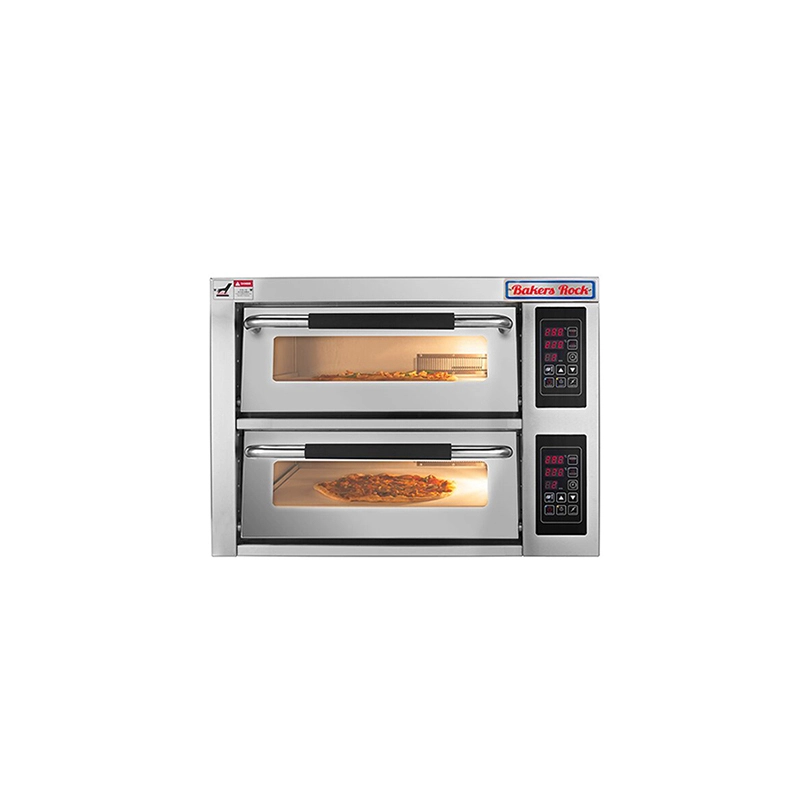
การเลือกใช้ระหว่างอุปกรณ์สายพานลำเลียงหรืออุปกรณ์วางบนเคาน์เตอร์ ควรพิจารณาจากรูปแบบการดำเนินงานของร้านอาหาร ไม่มีรูปแบบใดดีกว่าสำหรับทุกเมนูเสมอไป
| ปัจจัยในการตัดสินใจ | เตาอบสายพานลำเลียง | เตาอบแบบตั้งพื้น |
|---|---|---|
| ความสนใจของผู้ปฏิบัติงาน | ลดการสังเกตการณ์อย่างต่อเนื่องหลังจากตั้งค่าเสร็จแล้ว | มักต้องมีการติดตามดูแลเป็นรายบุคคลมากขึ้น |
| การฝึกอบรม | ทำให้การกำหนดมาตรฐานสำหรับผลิตภัณฑ์ที่ผลิตซ้ำได้ง่ายขึ้น | ขึ้นอยู่กับวิจารณญาณในการอบมากกว่า |
| ขั้นตอนการผลิต | การโหลดอย่างต่อเนื่องช่วยรองรับปริมาณผลผลิตในช่วงเวลาที่มีความต้องการสูงสุด | การผลิตแบบเป็นชุดอาจเหมาะสมกับปริมาณการผลิตที่ต่ำหรือผันแปรได้ |
| การยกด้วยมือ | สามารถลดการหมุนและแยกการตัดสินใจเรื่องจังหวะเวลาได้ | อาจต้องมีการหมุนและถอดออกด้วยตนเอง |
| ความยืดหยุ่นของเมนู | เหมาะอย่างยิ่งสำหรับผลิตภัณฑ์ที่มีคุณภาพสม่ำเสมอและโปรไฟล์การอบที่ดี | เหมาะสำหรับผลิตภัณฑ์ที่ต้องการการควบคุมเป็นรายชิ้น |
| มูลค่าแรงงาน | สูงสุดเมื่อสถานีเตาอบเป็นจุดคอขวดที่พิสูจน์แล้ว | อาจประหยัดต้นทุนได้เมื่อปริมาณการผลิตต่ำและมีแรงงานฝีมือพร้อมใช้งาน |
การตัดสินใจเปลี่ยนเตาอบควรพิจารณามากกว่าแค่แรงงาน รูปแบบของผลิตภัณฑ์ คุณลักษณะของเปลือกพิซซ่าที่ต้องการ พื้นที่ครัว อุปกรณ์สาธารณูปโภค การระบายอากาศ และรูปแบบการผลิตก็มีความสำคัญเช่นกัน ร้านอาหารไม่ควรเปลี่ยนเตาอบแบบดาดฟ้าที่ยังใช้งานได้ดีเพียงเพราะการใช้สายพานลำเลียงดูง่ายกว่า
เตาอบขนาดใหญ่เกินไปอาจเพิ่มต้นทุนการลงทุนและต้นทุนการดำเนินงานโดยไม่ก่อให้เกิดประโยชน์ด้านแรงงานในสัดส่วนที่เหมาะสม ในขณะที่เตาอบขนาดเล็กเกินไปอาจยังคงเป็นคอขวดในช่วงเวลาที่มีผู้ใช้บริการมากที่สุด ดังนั้น ควรประเมินกำลังการผลิตโดยพิจารณาจากความต้องการในช่วงเวลาที่มีผู้ใช้บริการสูงสุด ไม่ใช่ค่าเฉลี่ยรายวัน
ก่อนขอคำแนะนำ ผู้ซื้อควรบันทึกข้อมูลเกี่ยวกับขนาดเส้นผ่านศูนย์กลางของพิซซ่า ประเภทของเมนู จำนวนพิซซ่าที่คาดว่าจะผลิตได้ต่อชั่วโมง เวลาอบปัจจุบัน ขนาดห้องครัวที่มีอยู่ แหล่งจ่ายไฟในพื้นที่ และแหล่งพลังงานที่ต้องการ การเลือกควรเลือกจากรุ่นมาตรฐานที่เหมาะสม แทนที่จะคาดเดาว่าความกว้างของสายพานหรือความยาวของเตาอบจะถูกปรับแต่ง
แม้แต่เตาอบพิซซ่าสายพานลำเลียงเชิงพาณิชย์ที่เหมาะสมก็ไม่สามารถชดเชยกระบวนการเตรียมที่ไม่สามารถควบคุมได้ ร้านอาหารควรระบุถึงน้ำหนักของแป้ง ขีดจำกัดของหน้าพิซซ่า ช่วงเวลาในการป้อนอาหาร ระยะห่างระหว่างผลิตภัณฑ์ การตั้งค่าที่ได้รับการอนุมัติ และความรับผิดชอบในการตรวจสอบผลิตภัณฑ์ที่เสร็จสมบูรณ์
การทำความสะอาดและการดูแลรักษาเชิงป้องกันส่งผลต่อประสิทธิภาพการทำงานด้วยเช่นกัน การสะสมของเศษอาหาร การไหลเวียนของอากาศที่ถูกจำกัด ชิ้นส่วนที่สึกหรอ หรือการหยุดทำงานโดยไม่คาดคิด อาจลดปริมาณงานและเพิ่มงานฉุกเฉิน ผู้ซื้อควรตรวจสอบคำแนะนำในการทำความสะอาด จุดตรวจสอบตามปกติ ความพร้อมของชิ้นส่วนอะไหล่ และขั้นตอนการบริการจากผู้ผลิตก่อนทำการซื้อ
ระเบียบปฏิบัติในการดำเนินงานนี้มีความสำคัญอย่างยิ่งสำหรับเครือร้านอาหาร ซึ่งคุณค่าของระบบสายพานลำเลียงมักมาจากการจำลองขั้นตอนการทำงานเดียวกันให้กับพนักงานและสาขาต่างๆ
ผู้จำหน่ายเตาอบพิซซ่าแบบสายพานลำเลียงเชิงพาณิชย์ควรช่วยผู้ซื้อเลือกซื้อรุ่นมาตรฐานที่เหมาะสมกับการใช้งาน แทนที่จะให้คำมั่นสัญญาว่าจะช่วยประหยัดแรงงานโดยไม่มีหลักฐานสนับสนุน ข้อเสนอควรระบุรุ่น พื้นที่อบที่ใช้งานได้ ขนาดพิซซ่าที่ยอมรับได้ ฟังก์ชันการควบคุม ความต้องการด้านสาธารณูปโภค ขนาดของอุปกรณ์ ข้อควรพิจารณาในการติดตั้ง และเงื่อนไขที่อยู่เบื้องหลังกำลังการผลิตที่ระบุไว้
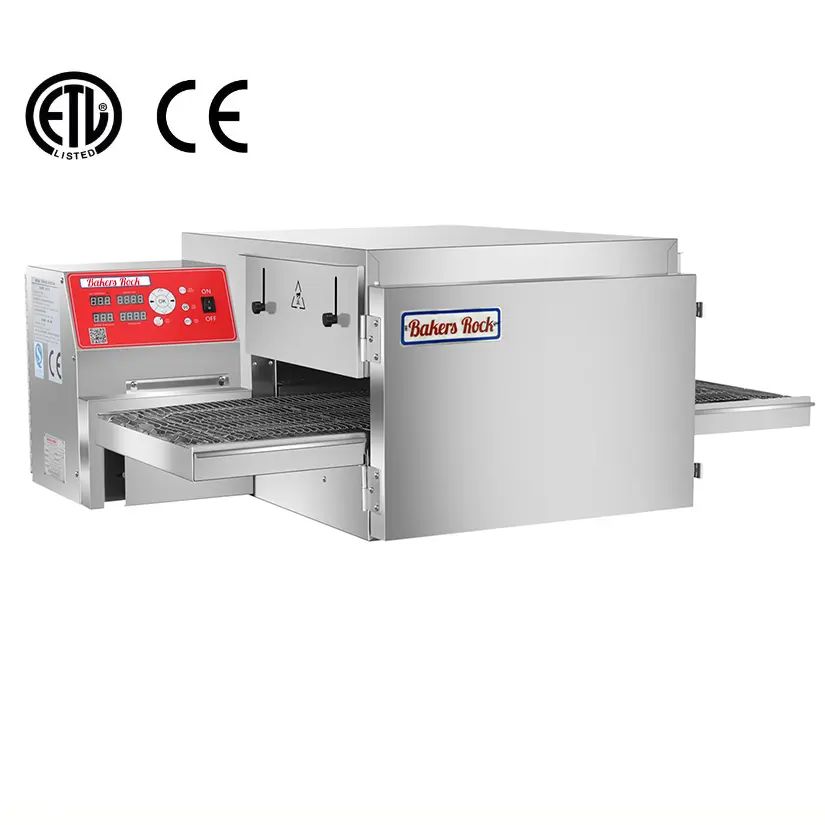
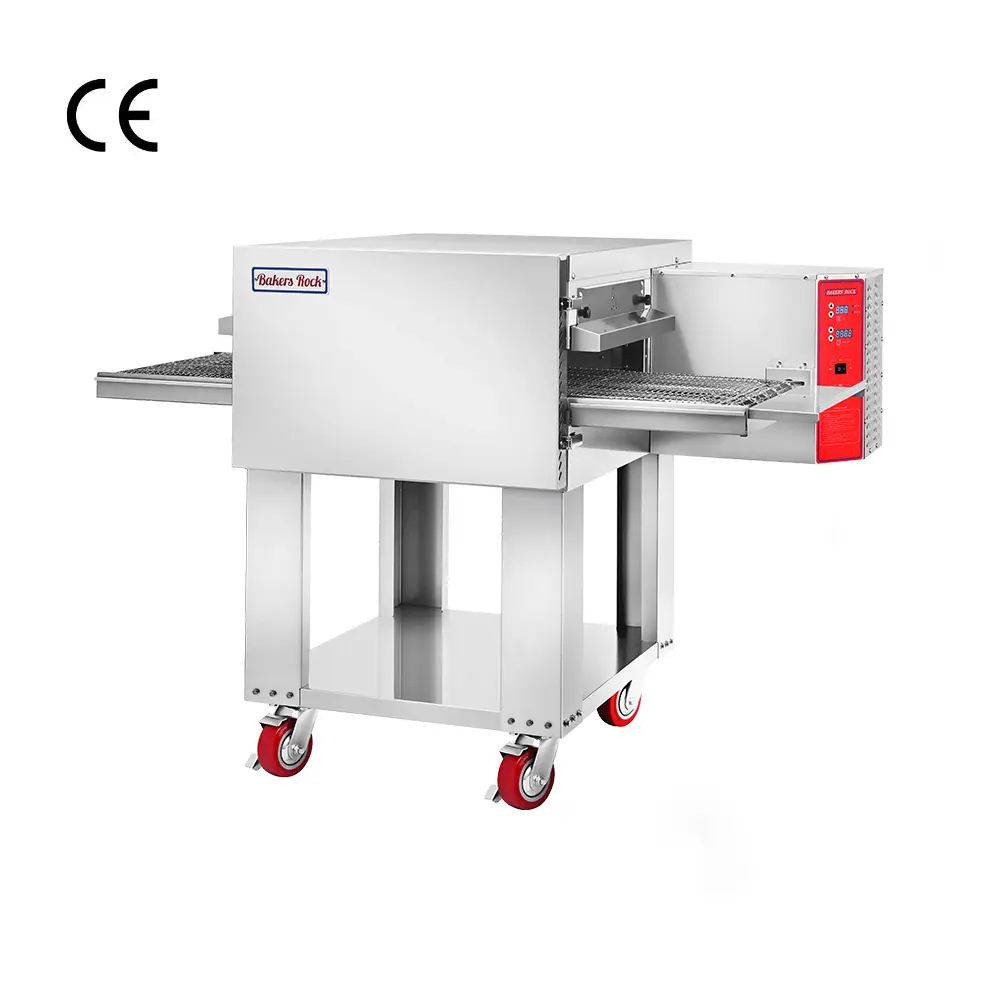
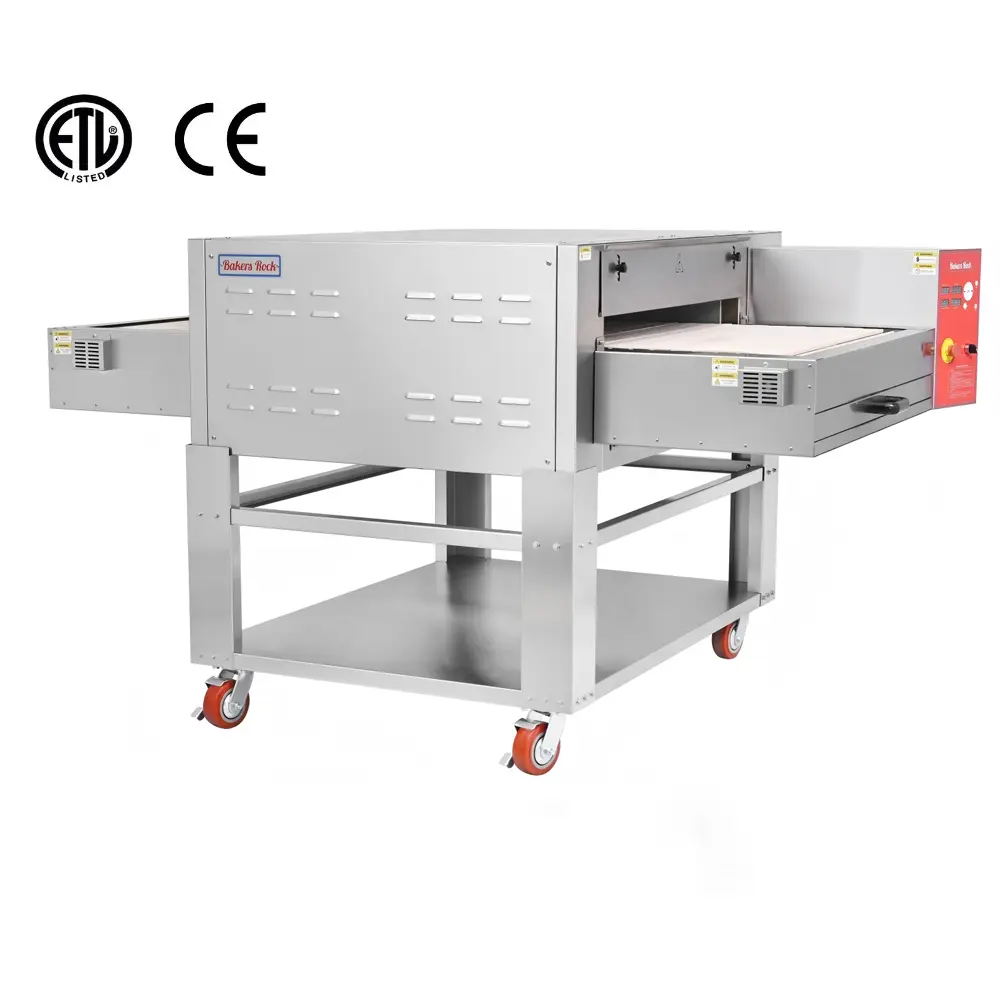
Bakers Rock จำหน่ายเตาอบแบบสายพานลำเลียงระบบเป่าลมสำหรับใช้ในเชิงพาณิชย์ ทั้งแบบไฟฟ้า แก๊ส และแบบสายพานลำเลียงหิน ควรตรวจสอบข้อมูลผลิตภัณฑ์ให้ตรงกับเมนูที่ต้องการใช้งานและสภาพการใช้งานในพื้นที่
สำหรับร้านอาหารที่ต้องการประสิทธิภาพการอบที่สม่ำเสมอและการผลิตในปริมาณมาก เตาอบสายพานลำเลียงหินขนาด 32 นิ้วเป็นโซลูชันการอบแบบต่อเนื่องด้วยสายพานหินทนความร้อนและการควบคุมความร้อนที่เสถียร
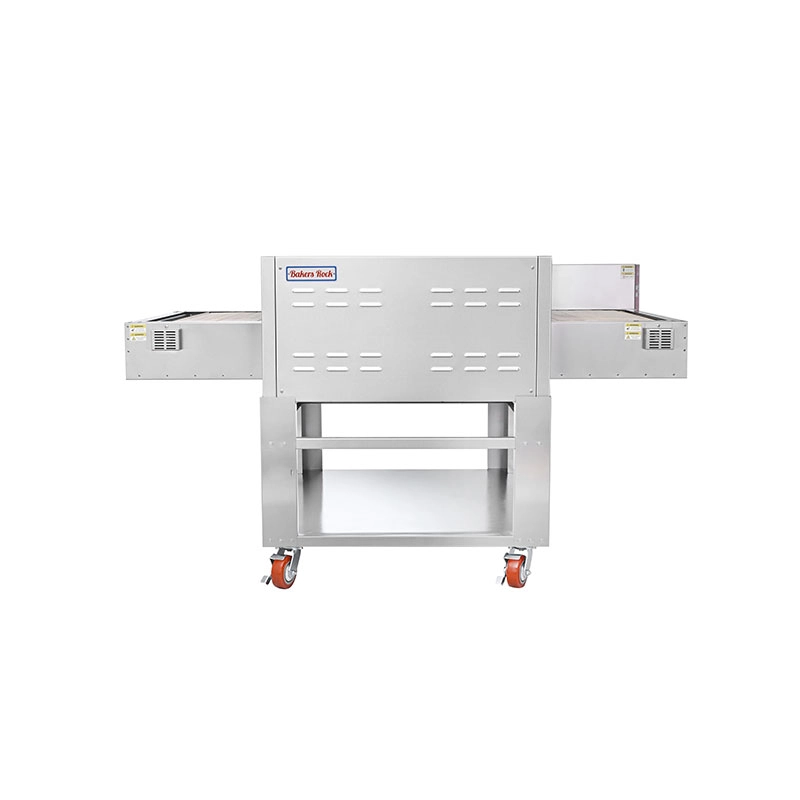
ผู้ซื้อที่กำลังประเมินบริษัทสามารถตรวจสอบข้อมูลต่างๆ ได้ ประวัติความเป็นมาของการผลิตเตาอบเชิงพาณิชย์ของ Bakers Rock ก่อนที่จะเปรียบเทียบโมเดลแต่ละรุ่น
การประเมินผู้จำหน่ายควรครอบคลุมถึง:
คำขอใบเสนอราคาที่ดีควรอธิบายปัญหาการดำเนินงานให้ชัดเจนพอๆ กับอุปกรณ์ที่ต้องการ คำว่า “ลดแรงงาน” นั้นกว้างเกินไป จำนวนพนักงานในปัจจุบัน การผลิตในช่วงเวลาเร่งด่วน ขนาดของพิซซ่า พื้นที่ครัว สภาพสาธารณูปโภค และขั้นตอนที่ทำให้เกิดความล่าช้า จะช่วยให้ผู้จำหน่ายสามารถแนะนำรุ่นที่เหมาะสมได้
เตาอบพิซซ่าแบบสายพานลำเลียงเชิงพาณิชย์อาจช่วยลดต้นทุนแรงงานต่อพิซซ่าหนึ่งถาดได้ โดยลดการควบคุมดูแลด้วยตนเอง ลดความซับซ้อนในการฝึกอบรม สนับสนุนการผลิตอย่างต่อเนื่อง และลดการทำงานซ้ำที่ไม่จำเป็น กรณีที่เหมาะสมที่สุดสำหรับธุรกิจคือ ร้านอาหารที่มีผลิตภัณฑ์ที่ทำซ้ำได้ มีความต้องการสูงสุดอย่างต่อเนื่อง และมีปัญหาคอขวดที่สถานีเตาอบที่สามารถวัดผลได้
การประหยัดต้นทุนที่แท้จริงขึ้นอยู่กับเมนู กระบวนการทำงานปัจจุบัน ค่าใช้จ่ายพนักงาน รูปแบบที่เลือก และสภาพการดำเนินงาน ร้านอาหารควรคำนวณต้นทุนพื้นฐาน เปรียบเทียบสถานการณ์ที่เป็นไปได้จริง และตรวจสอบคุณสมบัติของผลิตภัณฑ์ก่อนตัดสินใจซื้อ
สำหรับการรีวิวรุ่นรถ ผู้ซื้อสามารถดูได้ ขอคำแนะนำเกี่ยวกับเตาอบสายพานลำเลียง และระบุขนาดพิซซ่า ปริมาณการผลิตที่คาดการณ์ไว้ในช่วงเวลาที่มีลูกค้ามากที่สุด พื้นที่ครัวที่มีอยู่ แหล่งจ่ายไฟฟ้าหรือแก๊ส การใช้งานเมนู และข้อจำกัดของขั้นตอนการทำงานในปัจจุบัน
ไม่ ประโยชน์ที่ได้รับขึ้นอยู่กับปริมาณการผลิตและงานที่พนักงานทำอยู่ในปัจจุบัน ร้านอาหารที่มีปริมาณการผลิตต่ำหรือเมนูที่เปลี่ยนแปลงบ่อย อาจไม่ได้รับประโยชน์ด้านการประหยัดแรงงานจากเตาอบพิซซ่าแบบสายพานลำเลียงเท่ากับร้านอาหารที่มีการดำเนินงานอย่างต่อเนื่องและมีผลิตภัณฑ์มาตรฐาน
ไม่มีจำนวนพนักงานที่ตายตัว จำนวนพนักงานขึ้นอยู่กับขั้นตอนการเตรียมงาน การขนส่ง การขนถ่าย การตกแต่ง การบรรจุ การทำความสะอาด และปริมาณการสั่งซื้อ ผู้ซื้อควรเปรียบเทียบจำนวนชั่วโมงทำงานทั้งหมดต่อพิซซ่าที่ขายได้หนึ่งชิ้น มากกว่าที่จะเน้นเฉพาะพนักงานที่ยืนอยู่ใกล้เตาอบ
ระบบสายพานลำเลียงสามารถลดการพึ่งพาการตัดสินใจของแต่ละบุคคลในการอบขนมได้ หลังจากที่ได้กำหนดค่าการตั้งค่าและขั้นตอนการทำงานที่เหมาะสมแล้ว พนักงานยังคงต้องการการฝึกอบรมในเรื่องความสม่ำเสมอในการเตรียมการ การขนถ่ายอย่างปลอดภัย การตรวจสอบผลิตภัณฑ์สำเร็จรูป การทำความสะอาด และการรับมือกับผลลัพธ์ที่ผิดปกติ
เตาอบแบบนี้อาจเหมาะสมสำหรับร้านอาหารที่มีผลิตภัณฑ์ที่ทำซ้ำได้ มีช่วงเวลาที่มีความต้องการสูง และมีพื้นที่ครัวและอุปกรณ์เพียงพอ ส่วนร้านขนาดเล็กที่มีปริมาณการผลิตต่ำ หรือการอบขนมที่ต้องปรับแต่งเฉพาะบุคคล อาจพบว่าเตาอบรูปแบบอื่นเหมาะสมกว่า
การคำนวณควรรวมถึงชั่วโมงแรงงานปัจจุบัน ต้นทุนแรงงานที่คิดเต็มจำนวน จำนวนพิซซ่าที่ขายได้ต่อชั่วโมง การผลิตซ้ำ ค่าล่วงเวลา ค่าอุปกรณ์และค่าติดตั้ง ค่าใช้จ่ายในการดำเนินงานที่คาดการณ์ไว้ และความต้องการการผลิตที่สมจริง ตัวเลขเฉพาะรุ่นควรได้รับการยืนยันในข้อกำหนดผลิตภัณฑ์และใบเสนอราคา