Nullam dignissim, ante scelerisque the is euismod fermentum odio sem semper the is erat, a feugiat leo urna eget eros. Duis Aenean một nguy cơ khẩn cấp.
Nullam dignissim, ante scelerisque the is euismod fermentum odio sem semper the is erat, a feugiat leo urna eget eros. Duis Aenean một nguy cơ khẩn cấp.
 tác giả
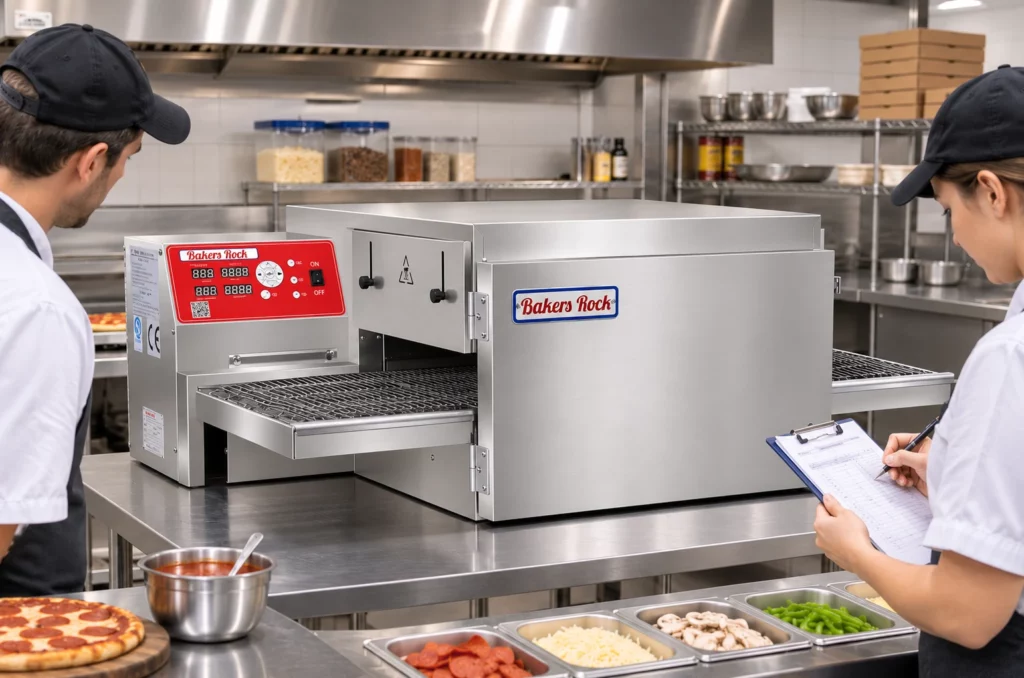
When a commercial conveyor pizza oven stops heating, the belt slows, or products change from one batch to the next, begin with a safe, repeatable check rather than changing several settings at once. Record what the oven is doing, check operator-level items allowed by its manual, and call qualified service when symptoms point to gas, electrical, drive, or internal heating components. The exact fix depends on the model and configuration.
The most useful first question is whether the problem follows the recipe, the load, or the machine. Note the model and serial number, selected settings, preheat time, product load, belt movement, displayed message, and when the symptom began. Photos or a short video can help technical support distinguish a process change from an equipment fault.
If the control is dark or the oven does not begin its normal startup, confirm that the unit is connected to the expected site supply and that operator switches are in their documented positions. Check the display for a message and note whether the conveyor, blower, and heat functions behave differently. Do not open an electrical compartment or repeatedly reset a tripped breaker; a repeat trip needs qualified diagnosis.
If the oven runs but remains cool or recovers slowly after loading, first verify the selected recipe and required preheat procedure in the model manual. Compare a light load with the normal service load only if operations can do so safely. Slow recovery or absent heat may involve the supply, sensor, heating element, burner, airflow, or controls. Those internal checks belong to a qualified technician, not an operator adjustment.
A belt that hesitates or stops can leave food in the heated chamber, so stop feeding new product and follow the shutdown procedure for that oven. From a safe position, observe whether the belt is visibly obstructed, rubbing, or drifting. Once the oven is shut down, cooled, and isolated as specified by its manual, trained staff may remove only accessible debris as part of the approved cleaning routine.
Do not pull, tension, lubricate, or realign a hot or moving conveyor unless the manufacturer’s procedure explicitly assigns that task to trained personnel. A recurring stall, jerky travel, edge wear, or a belt that will not track can indicate a drive, bearing, sprocket, tension, or control problem. Record actual travel behavior and escalate it; adjustment methods vary by model.
Pale centers, over-browned edges, or a different finish during peak service may reflect a changed recipe, incomplete preheat, uneven spacing, a heavier topping load, belt-time variation, airflow restriction, or a heating-control problem. Confirm the approved setting and compare products of the same size, starting condition, and load. Change one variable at a time and record the result rather than making simultaneous temperature and belt-speed changes.
When the pattern is specifically side-to-side or top-to-bottom unevenness, use our conveyor oven uneven-cooking diagnostic guide for the detailed position tests and airflow checks. Persistent hot or cold zones after approved cleaning, or variation that remains with identical products, should be escalated for technical inspection.
Intermittent shutdowns, recurring fault messages, unusual vibration, or a new blower or drive noise are useful evidence, not a reason to keep restarting the unit. Photograph the display before any action, note the time and production load, and write down whether the belt was moving and whether heating changed. Use only model-specific reset steps listed in the operator documentation and only when the manual says it is safe to do so.
Stop operator troubleshooting when a fault returns, an electrical breaker trips again, the oven overheats, or a mechanical sound worsens. If you smell gas, follow the site emergency procedure, move people away, and contact the appropriate emergency or gas-service provider. Do not operate switches or attempt to relight equipment in the affected area.
Before requesting service, gather enough information to make the first diagnosis useful:
This boundary keeps troubleshooting useful without asking kitchen staff to diagnose live electrical circuits, burner components, safety interlocks, or a conveyor drive. A technician can use the symptom record to determine which model-specific tests and parts information are needed.
A short shift log can reveal whether a fault follows long operating hours, a certain load, cleaning, or a setting change. Include the date, symptom, displayed message, recipe, belt behavior, cleaning performed, and service action. Keep operator cleaning aligned with the manual, reassemble removable parts in their documented positions, and verify the normal operation before returning the oven to full production.
Avoid generic service intervals or one-size-fits-all belt adjustments. The schedule and tasks depend on the exact oven, operating hours, production conditions, and manufacturer instructions. If the same problem returns after a repair, share the earlier record with the technician so the repeat pattern is considered rather than treating each shutdown as an isolated event.
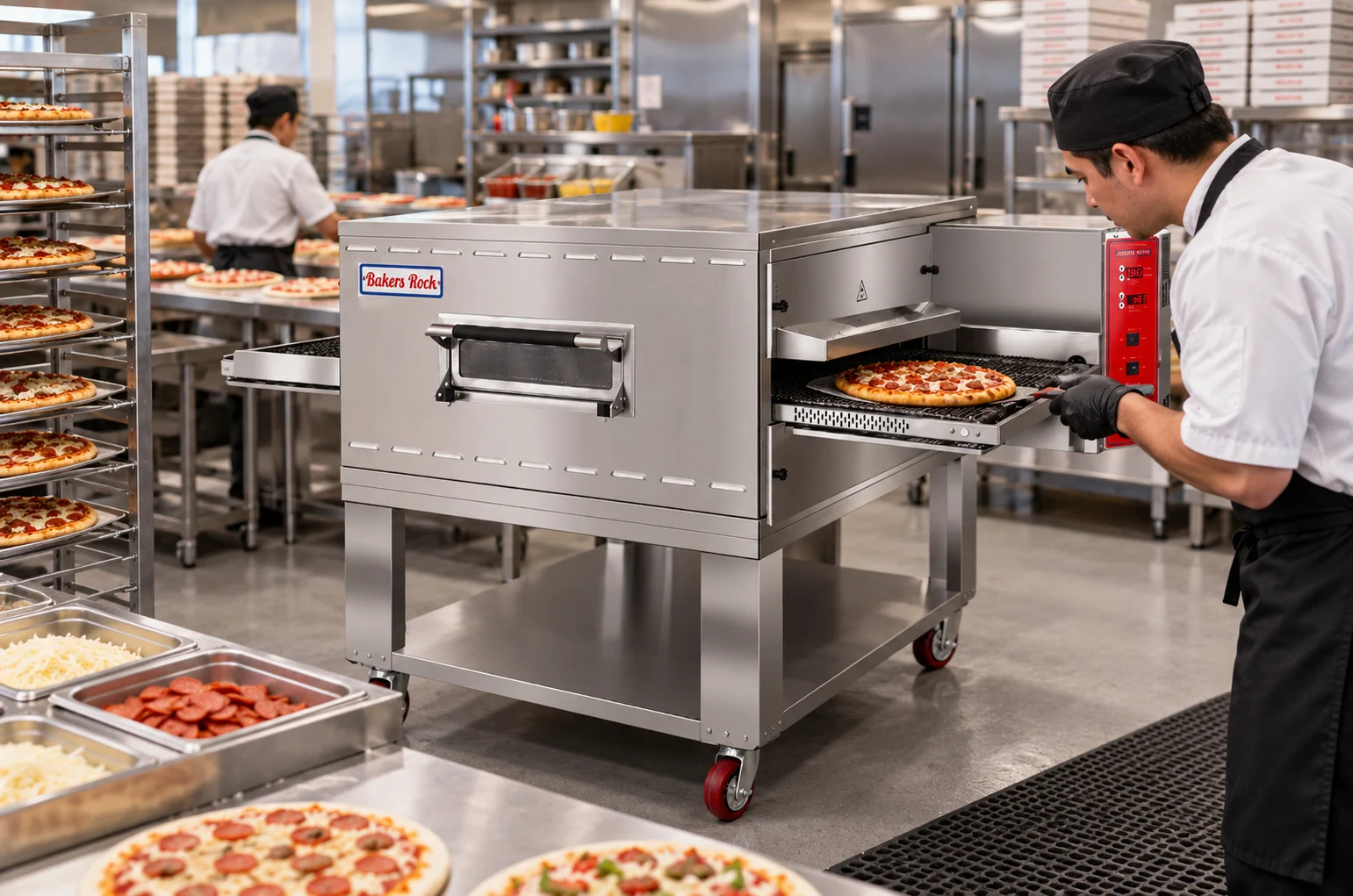
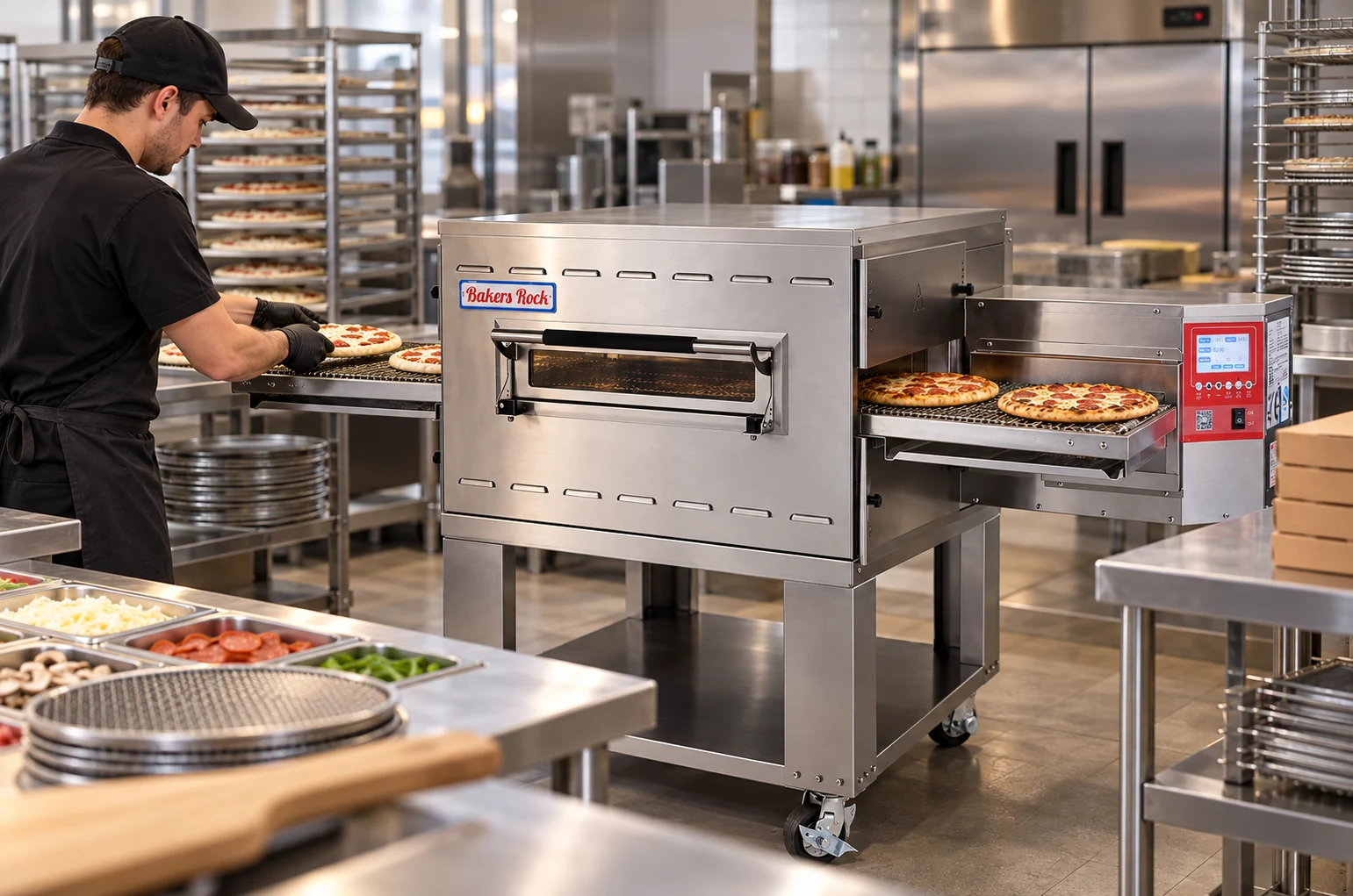
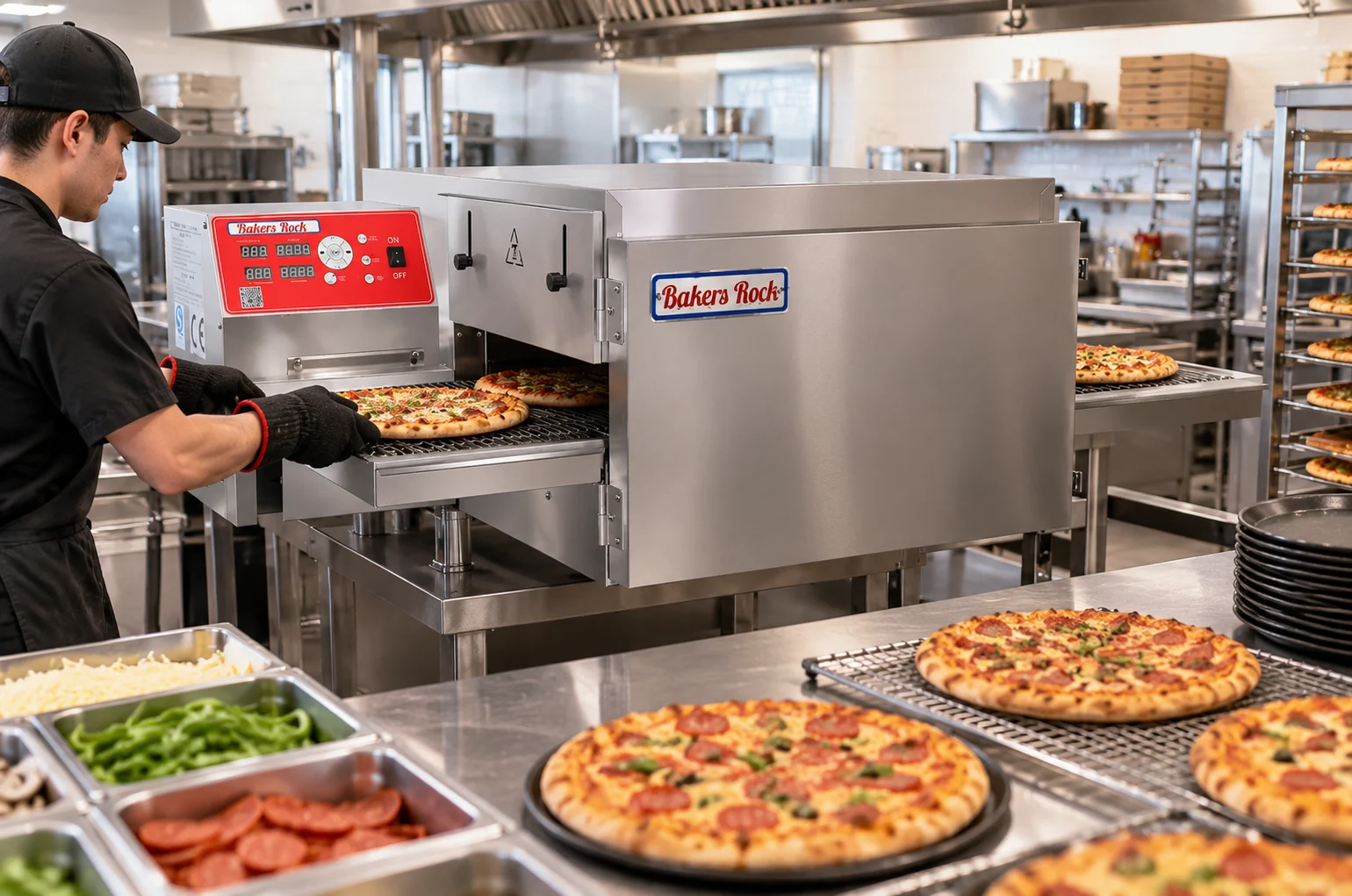
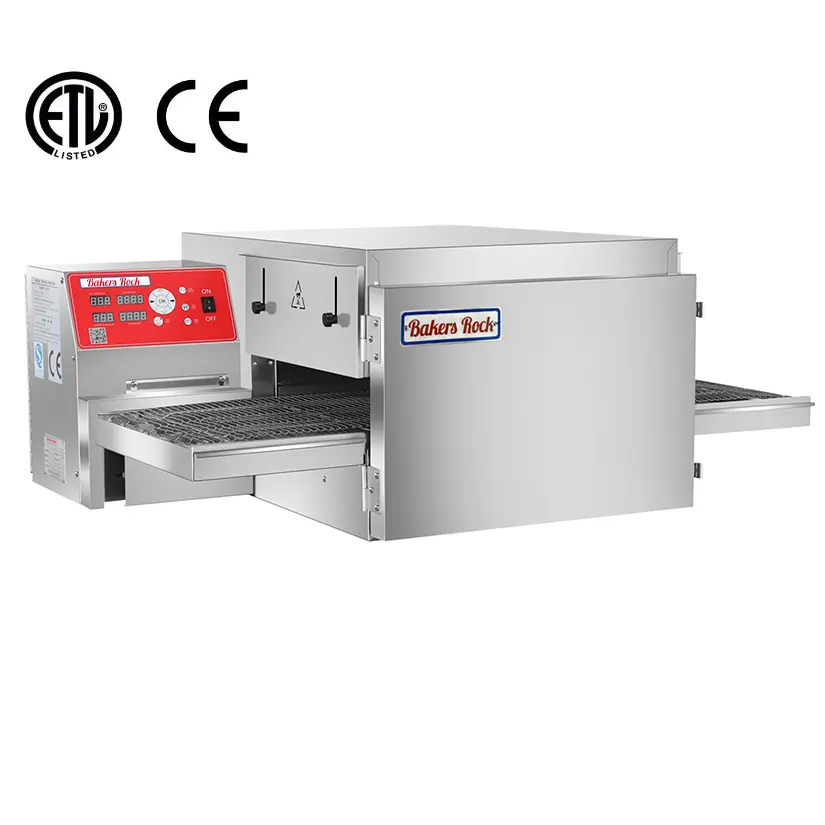
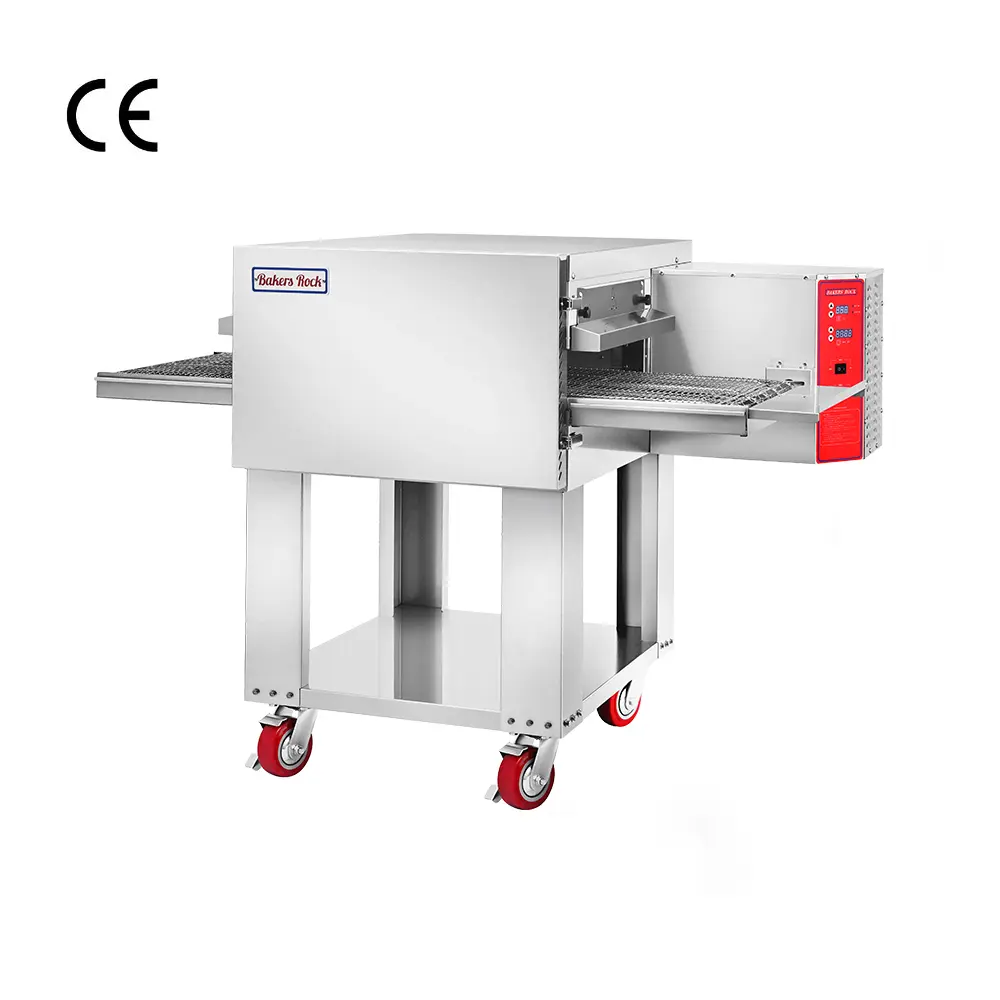
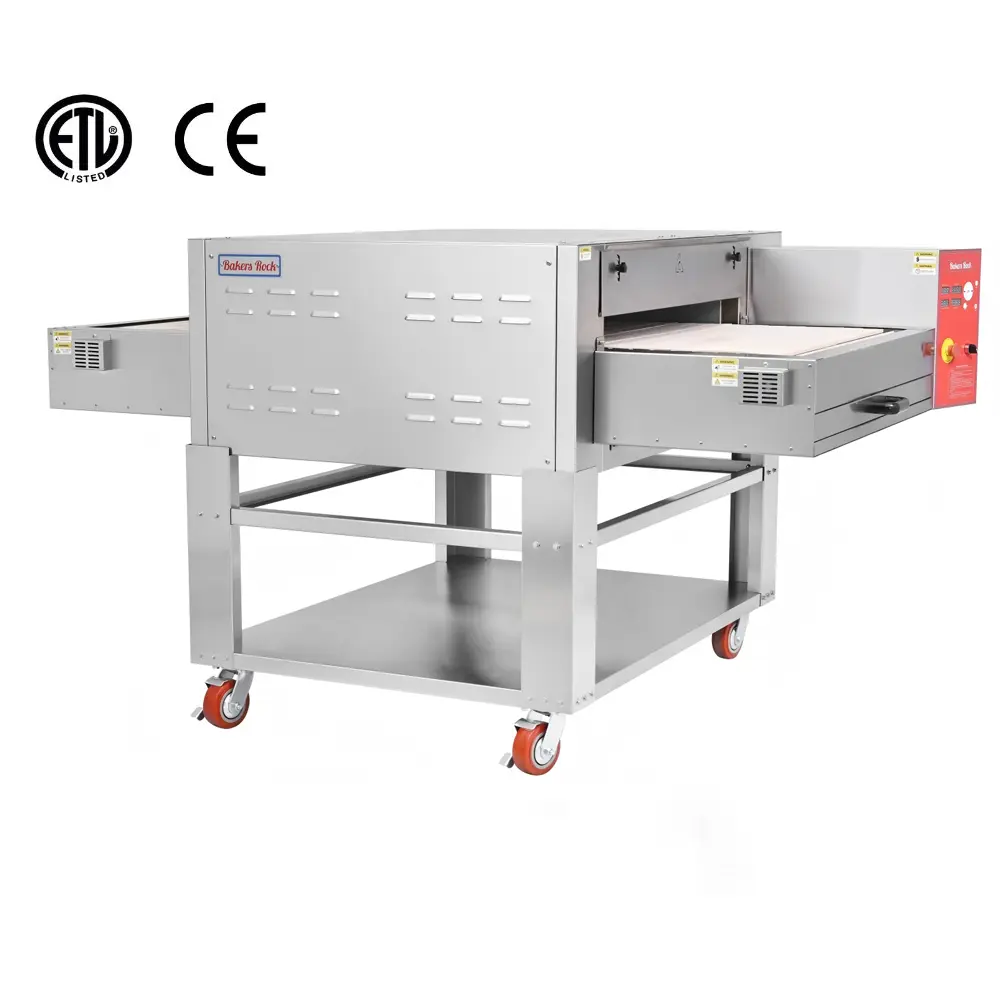
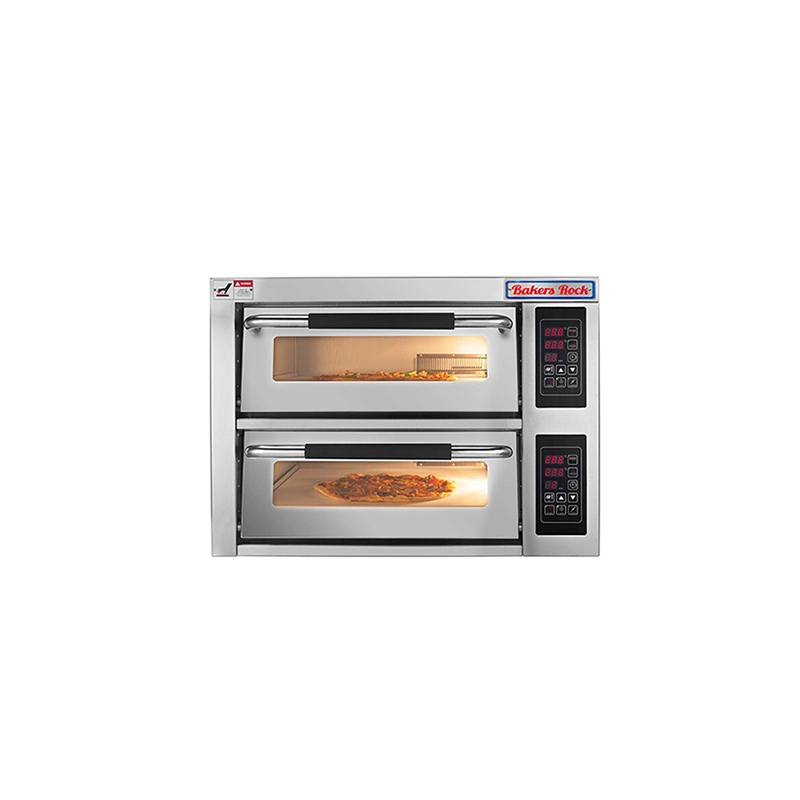
Bakers Rock is QiangAn’s overseas brand. We have specialized in commercial conveyor pizza ovens for 26 years and offer electric, gas, and stone-belt configurations for different operating needs. Buyers can review our electric impingement oven range or gas impingement oven range when a repair history leads to a replacement or a new site needs a different setup. A model choice should follow the menu, output, utilities, space, and required bake profile.
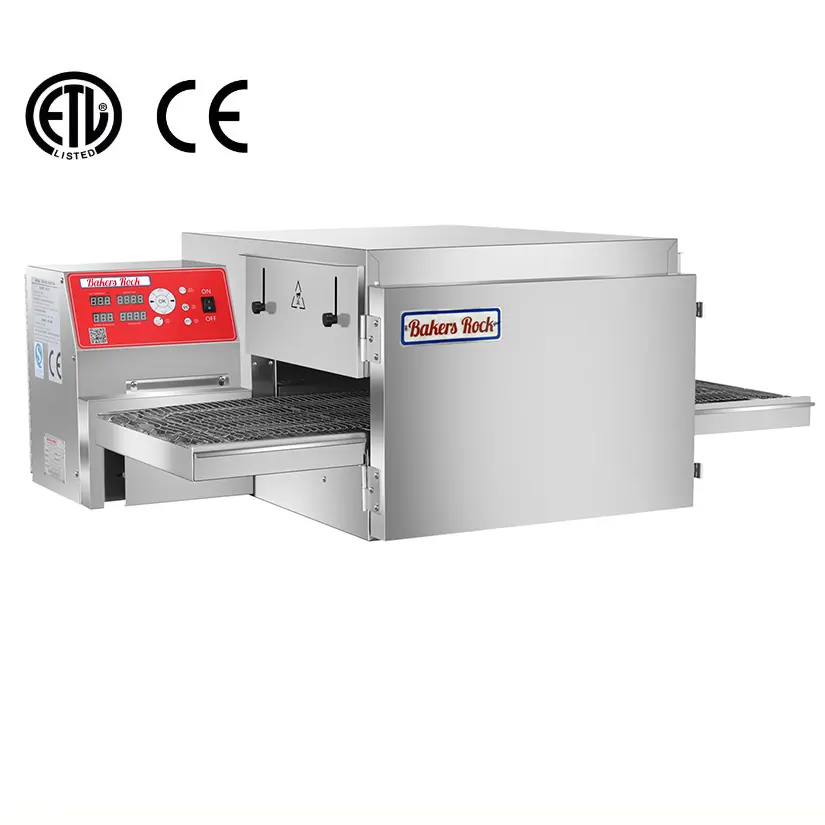
Our after-sales team provides lifetime technical support, including remote voice or video guidance. We also provide two years of free replacement parts for non-human-caused failures, excluding wear parts. Confirm the specific claim process and any labor or shipping coverage in the quotation or order documents. For service questions, send the model and serial number, fault message, operating conditions, and a short symptom record.
For common conveyor pizza oven problems, start with the symptom, verify safe operator checks against the exact manual, and document what changes under load. Clean only approved accessible areas; escalate internal heat, electrical, gas, drive, repeated shutdown, and safety faults to qualified service. A clear record shortens the path from a kitchen symptom to a useful repair decision.
Check the documented startup position, selected recipe, preheat procedure, and any display message. If it still does not heat or recovers unusually slowly, request qualified service for model-specific electrical, burner, sensor, or heating checks.
Stop feeding product and follow the oven’s shutdown procedure. Do not reach into a hot or moving chamber. Report visible belt behavior and have a technician assess a recurring stall or tracking issue.
Residue or incorrect reassembly can affect airflow or movement on some oven configurations. Clean accessible parts only as the model manual directs, then retest consistently; persistent variation needs technical review.
Call when the issue repeats, the breaker trips again, the belt moves unpredictably, the oven shuts down, or troubleshooting would require opening internal electrical, gas, heating, or drive systems.
For a repair or configuration review, contact our technical team with the model, serial number, symptom, display message, product load, settings, utility type, and photos or video where safe to capture.