Nullam dignissim, ante scelerisque the is euismod fermentum odio sem semper the is erat, a feugiat leo urna eget eros. Duis Enean un riesgo de imperdieta.
Nullam dignissim, ante scelerisque the is euismod fermentum odio sem semper the is erat, a feugiat leo urna eget eros. Duis Enean un riesgo de imperdieta.
 autor
autor
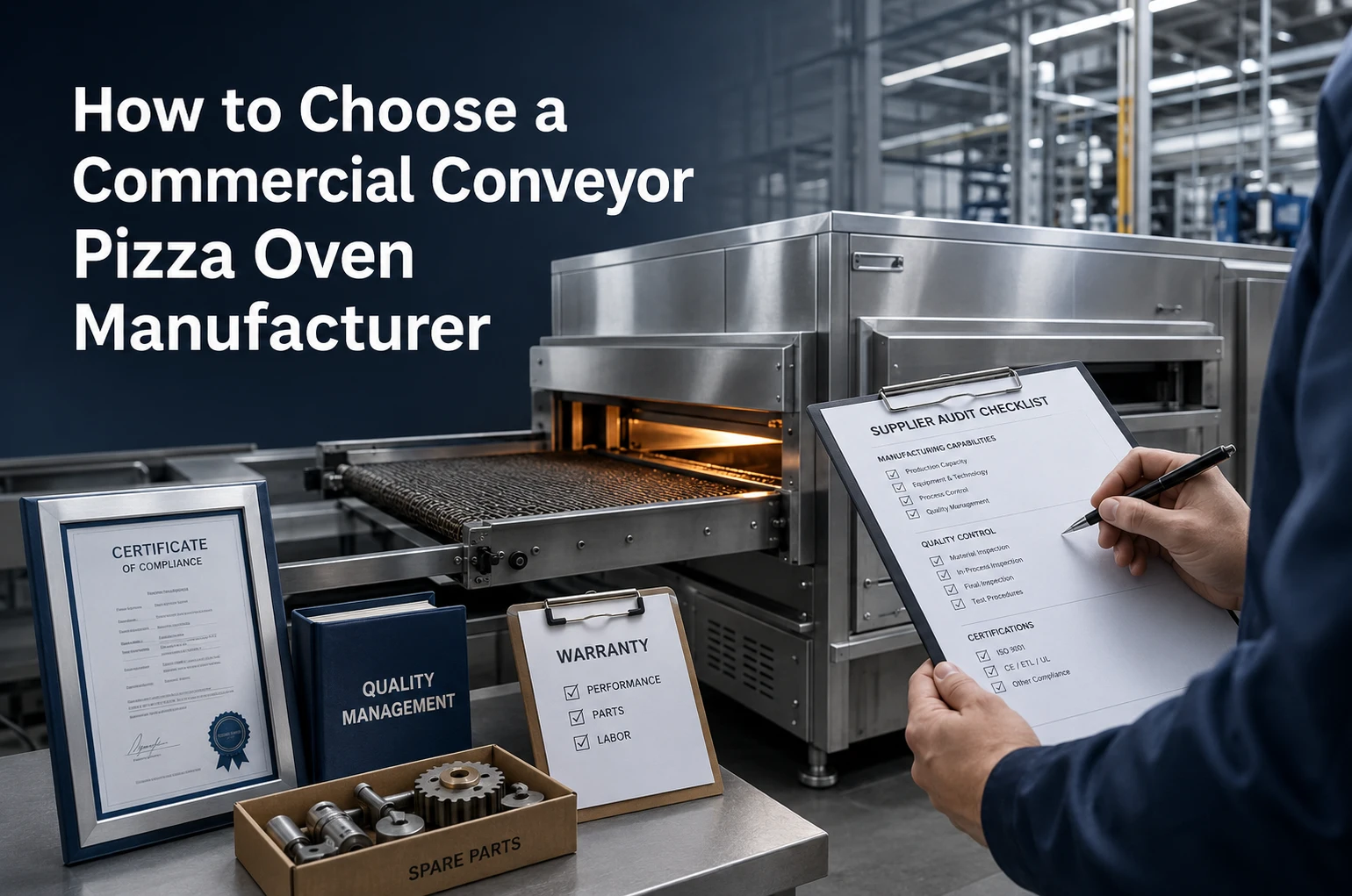
Elegir un fabricante de hornos de pizza de cinta transportadora comerciales requiere más que comparar dimensiones, precios y plazos de entrega. Los importadores, grupos de restaurantes, distribuidores de equipos y cocinas de producción necesitan pruebas de que la configuración solicitada se puede fabricar, probar, documentar y mantener. Una auditoría práctica del proveedor vincula cada reclamación con un documento, registro de pruebas, cláusula contractual o resultado de inspección, lo que reduce el riesgo de servicios incorrectos, documentación de mercado incompleta, cobertura de repuestos poco clara o una garantía transfronteriza inutilizable.
Dos proveedores pueden ofrecer un horno de pizza de cinta transportadora comercial con diferentes controles, disposición de las cintas, accesorios, procedimientos de prueba y cobertura de servicio. Una cotización puede excluir documentos, repuestos, embalaje o trabajos de configuración incluidos en otro apartado. La comparación de precios solo tiene sentido una vez que se han estandarizado los aspectos técnicos y comerciales.
El mismo principio se aplica a las certificaciones de calidad. La "inspección final" no especifica qué se inspeccionó, bajo qué carga, durante cuánto tiempo ni con qué criterios de aceptación. Un logotipo de certificación no indica si el certificado cubre el modelo exacto y la configuración eléctrica o de gas. Un período de garantía prolongado no revela quién paga la mano de obra, el flete internacional, los aranceles ni la instalación de las piezas de repuesto.
Una lista de verificación para la calificación de proveedores resulta especialmente útil para compras en el extranjero, proyectos con múltiples unidades, pedidos de marca propia y cadenas que repiten una misma especificación en diferentes ubicaciones.
La auditoría debe comenzar con la solicitud, no con un cuestionario genérico de fábrica. Una unidad de mostrador para una cafetería crea riesgos diferentes a los de un horno de alto rendimiento para una cadena o fábrica de alimentos. Los compradores que revisan hornos transportadores eléctricos comerciales Se debe determinar si el voltaje, la fase, la frecuencia, el espacio, la ventilación y el acceso a los servicios son adecuados para el sitio. Los proyectos de gas o GLP requieren verificaciones de cumplimiento de la compañía eléctrica y las autoridades locales por separado.
Antes de solicitar presupuestos, documente las dimensiones y el estado del producto, la carga típica, el resultado de horneado deseado, la producción en hora punta, los servicios públicos, el espacio de instalación, el destino, la cantidad y el crecimiento previsto. Para la producción publicada, pregunte qué producto, patrón de carga, velocidad de la cinta transportadora, temperatura y número de pilas generaron la cifra.
Un distribuidor puede necesitar archivos específicos para cada modelo y un etiquetado uniforme para importaciones repetidas. Una cadena de suministro puede priorizar la repetibilidad de las recetas, la estandarización de las piezas y el control de la configuración. Una planta de producción puede requerir pruebas de muestreo o de carga continua. Si la aplicación no se puede reproducir en la fábrica, el presupuesto debe identificar las suposiciones no verificadas y las comprobaciones de puesta en marcha.
La revisión del control de calidad de un fabricante de hornos de pizza debe abarcar todo el proceso, desde los componentes críticos hasta la entrega final. Es fundamental determinar si el proveedor define puntos de control, registra los resultados, controla el trabajo no conforme y vincula la unidad inspeccionada con el pedido.
Pregunte cómo se identifican, verifican y aprueban los componentes entrantes. Las especificaciones de los controles críticos, motores, correas, aislamiento, componentes de calefacción o elementos del sistema de gas deben registrarse cuando afecten la seguridad, la compatibilidad o el mantenimiento. Confirme el control de revisiones para que los reemplazos posteriores coincidan con el horno instalado.
Entre las pruebas útiles se incluyen hojas de inspección vinculadas al pedido, fotografías, registros de medición y la corrección documentada de trabajos no conformes. Una muestra de sala de exposición no es suficiente cuando el pedido utiliza otro voltaje, ancho de correa, paquete de control o etiqueta.
La inspección final debe verificar el modelo, las dimensiones, las utilidades, los accesorios, la placa de identificación, los manuales y la mano de obra, comparándolos con el pedido aprobado. Las desviaciones deben corregirse y volver a verificarse.
Las pruebas funcionales deben documentar la dirección y el movimiento de la cinta transportadora, los ajustes regulables, el funcionamiento del controlador, la respuesta de calentamiento, el ruido anormal, las fugas visibles cuando corresponda, las funciones de protección y la configuración de servicios públicos solicitada.
Una prueba de carga muestra cómo se comporta un alimento representativo en la cámara. Registre el tamaño del producto, la carga, la condición inicial, la disposición de la cinta, los ajustes, la duración y el resultado. Para una Horno transportador de gran capacidad de 32 pulgadasLa evidencia debe coincidir con el modelo exacto, el voltaje, la placa de identificación y las opciones solicitadas, no con una unidad de aspecto similar.
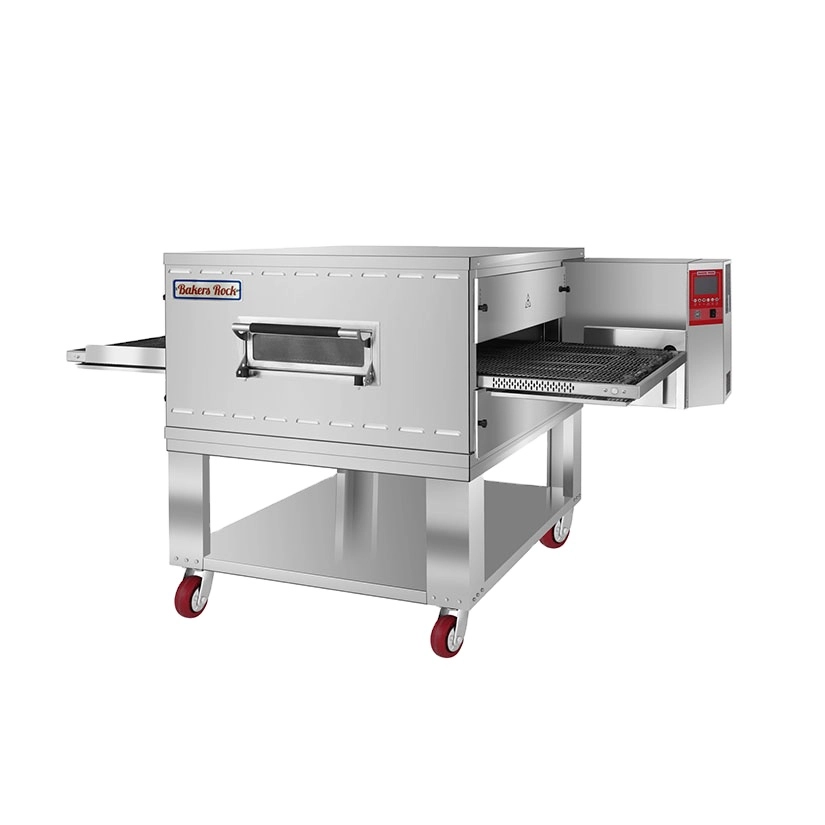
Antes del envío, solicite confirmación de la configuración, comprobantes de inspección y prueba, información de la placa de identificación, listas de accesorios, manuales e imágenes del embalaje. Defina las acciones correctivas y la aprobación de pruebas repetidas para los resultados no satisfactorios antes del pago final o el envío.
Las certificaciones para hornos de pizza comerciales deben evaluarse a nivel de modelo. Los logotipos en sitios web o folletos no garantizan la cobertura. Los requisitos pueden variar según el destino, la autoridad competente, la instalación, el combustible, el voltaje y la configuración; consúltelos con la autoridad pertinente o el profesional del proyecto.
Solicite el certificado completo y el apéndice del modelo. Verifique el titular, la descripción del producto, el modelo, la norma, el organismo emisor, la validez y las limitaciones. La placa de identificación y el archivo técnico deben coincidir con la configuración certificada.
Las certificaciones de producto y de gestión de calidad responden a preguntas diferentes. Guía de certificación de ISO Explica que la norma ISO 9001 se refiere a un sistema de gestión de calidad y no a la aprobación de un modelo de producto específico. Para una declaración ETL, Intertek proporciona un documento oficial. Directorio de marcas incluidas en la lista ETL para búsquedas de productos.
Si el modelo del certificado, el voltaje, el combustible o el nombre de la empresa no coinciden con el pedido propuesto, suspenda el proceso de aprobación. Solicite una explicación por escrito y la documentación justificativa del alcance. No dé por sentado que un modelo relacionado o un certificado de componente cubre automáticamente el horno completo.
Planifique la disponibilidad de repuestos para hornos de pizza con cinta transportadora antes del envío, especialmente si el equipo operará lejos del fabricante. La disponibilidad de repuestos no sirve de mucho si el comprador no puede identificar la revisión correcta, comprender el plazo de entrega y coordinar la instalación por parte de personal cualificado.
Solicite una lista de piezas ilustrada u otro método para relacionar los números de pieza con el modelo y el número de serie. Separe las piezas de desgaste de los componentes que detienen la producción o requieren servicio especializado. Un kit de inicio debe reflejar la cantidad de hornos, las horas de funcionamiento, la ubicación, la capacidad de mantenimiento y el tiempo de reposición.
Confirme si las piezas están incluidas, tienen un precio aparte o están excluidas de la garantía como consumibles, y si técnicos cualificados deben reemplazar los componentes de seguridad, eléctricos o de gas. Los kits no identificados generan existencias obsoletas; la falta de inventario crítico puede prolongar el tiempo de inactividad transfronterizo.
La operatividad también depende de la información. Solicite los documentos de operación, limpieza, instalación y mantenimiento, así como los diagramas de cableado, las referencias de las piezas y los procedimientos de solución de problemas aplicables. Estos deben coincidir con la configuración de envío.
Confirme cómo abrir una solicitud de servicio, identificar la unidad, enviar evidencia de diagnóstico y escalar los problemas no resueltos. Verifique los canales, el horario de atención y el idioma. La asistencia remota no reemplaza el trabajo de un técnico local calificado en sistemas eléctricos, de gas, ventilación o seguridad.
La garantía de un horno de pizza comercial debe definir las responsabilidades y los costos: fecha de inicio, piezas cubiertas, exclusiones, mano de obra, servicio in situ, flete, aranceles, evidencia de reclamación y proceso de reemplazo de piezas.
Pregunte si la cobertura comienza en la fabricación, el envío, la entrega, la instalación o la puesta en marcha. Separe la cobertura de piezas de la de mano de obra e identifique quién paga los gastos de mensajería, el flete de devolución, los impuestos y los técnicos locales. Revise las exclusiones por consumibles, daños por limpieza, servicios públicos incorrectos, modificaciones o mal uso.
El flujo de trabajo de la reclamación debe identificar el contacto, el número de serie, la evidencia diagnóstica, los pasos de aprobación y el método de envío del reemplazo. Transfiera las promesas verbales a la cotización, el contrato o la orden de compra.
Un sistema de puntuación estructurado mantiene la selección centrada en la capacidad verificada. Se ponderan las categorías según el riesgo del proyecto: los importadores pueden priorizar la certificación y el servicio, mientras que las cadenas de suministro pueden hacer hincapié en el control de la configuración y la repetibilidad.
| Área de auditoría | Evidencia a solicitar | Señal de advertencia |
|---|---|---|
| Alcance de fabricación | Registros del modelo y confirmación de la configuración | La configuración citada no se puede vincular a un modelo definido. |
| Control de calidad | Puntos de control de inspección y registros vinculados a pedidos | Solo se dispone de declaraciones generales de calidad. |
| Pruebas | Condiciones de la prueba escrita y evidencia de aceptación | Las afirmaciones sobre resultados o rendimiento omiten las condiciones de las pruebas. |
| Certificaciones | Documentos completos que cubren el modelo correspondiente | Se proporcionan logotipos o certificados no relacionados. |
| Piezas de repuesto | Lista de piezas y proceso de suministro específicos del modelo | Las piezas no se pueden identificar antes de que se produzca una avería. |
| Garantía | Cobertura por escrito, exclusiones y pasos para presentar una reclamación | No está clara la responsabilidad por la mano de obra o el transporte. |
La solicitud de cotización debe especificar la aplicación, las dimensiones y el estado del producto, la producción, los servicios, el espacio, el destino, la documentación, la cantidad y las expectativas de pruebas. Se debe exigir a los proveedores que identifiquen las suposiciones y exclusiones.
En el contrato de compra, registre el modelo aprobado, el método de prueba, los criterios de aceptación, el paquete de repuestos, la documentación, la garantía, el embalaje y el proceso de control de cambios. Defina la documentación requerida antes del pago final o el envío.
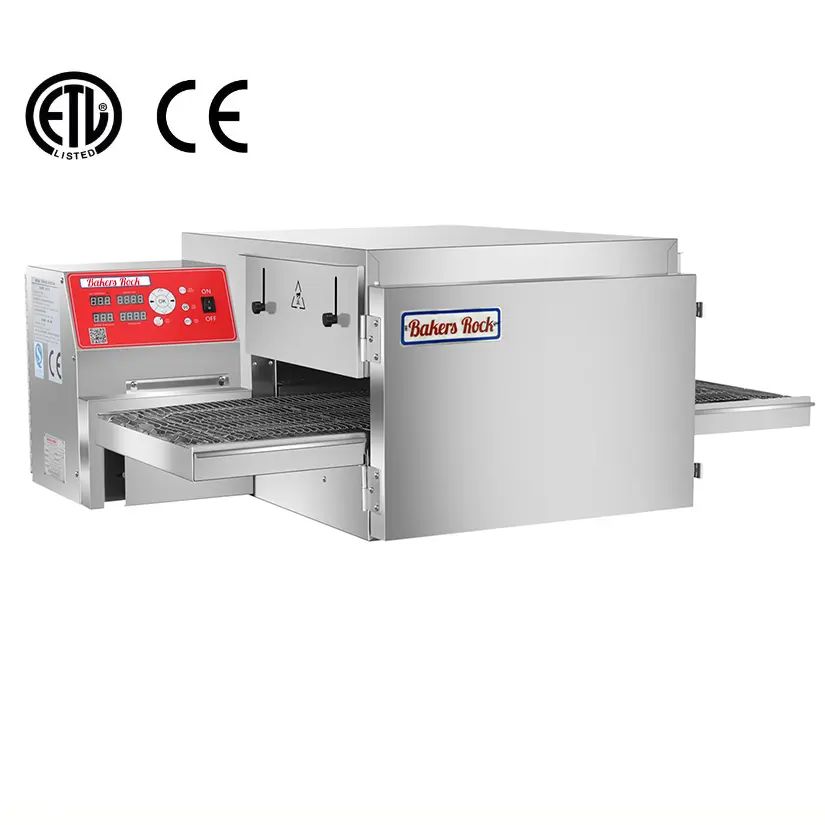
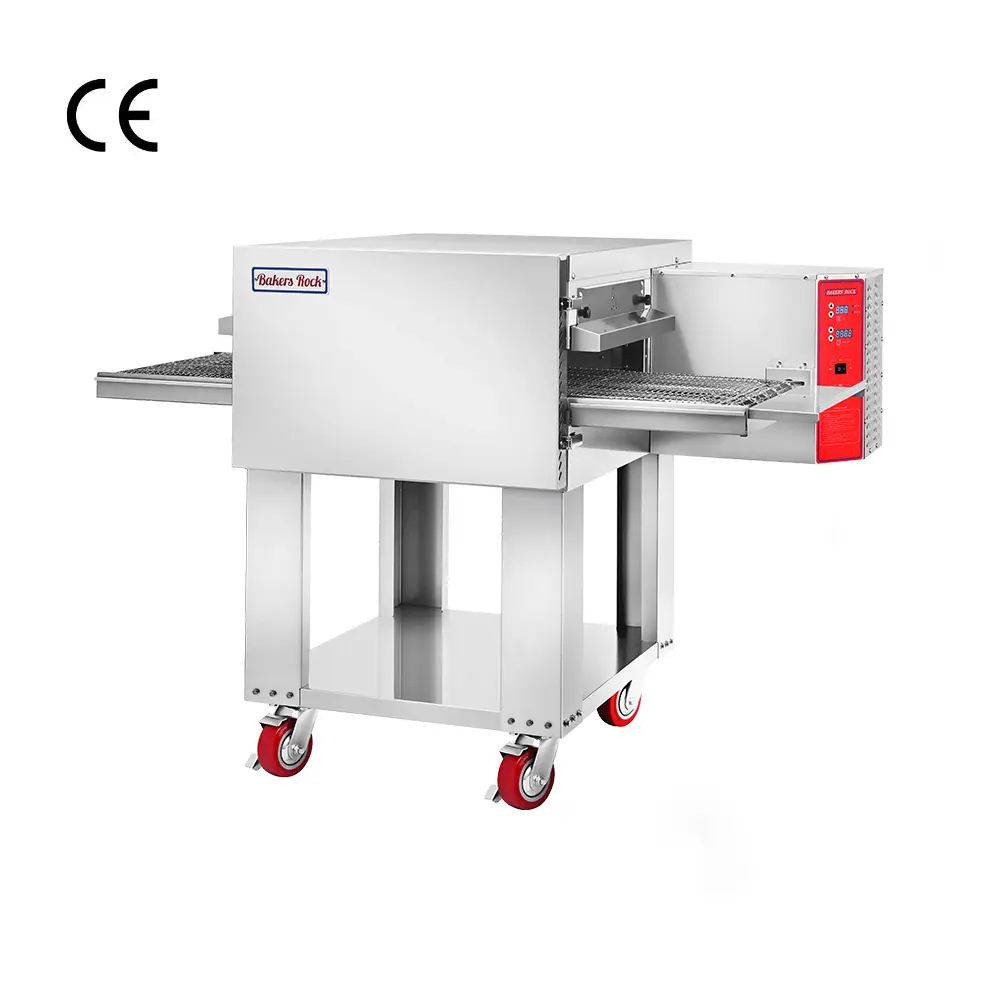
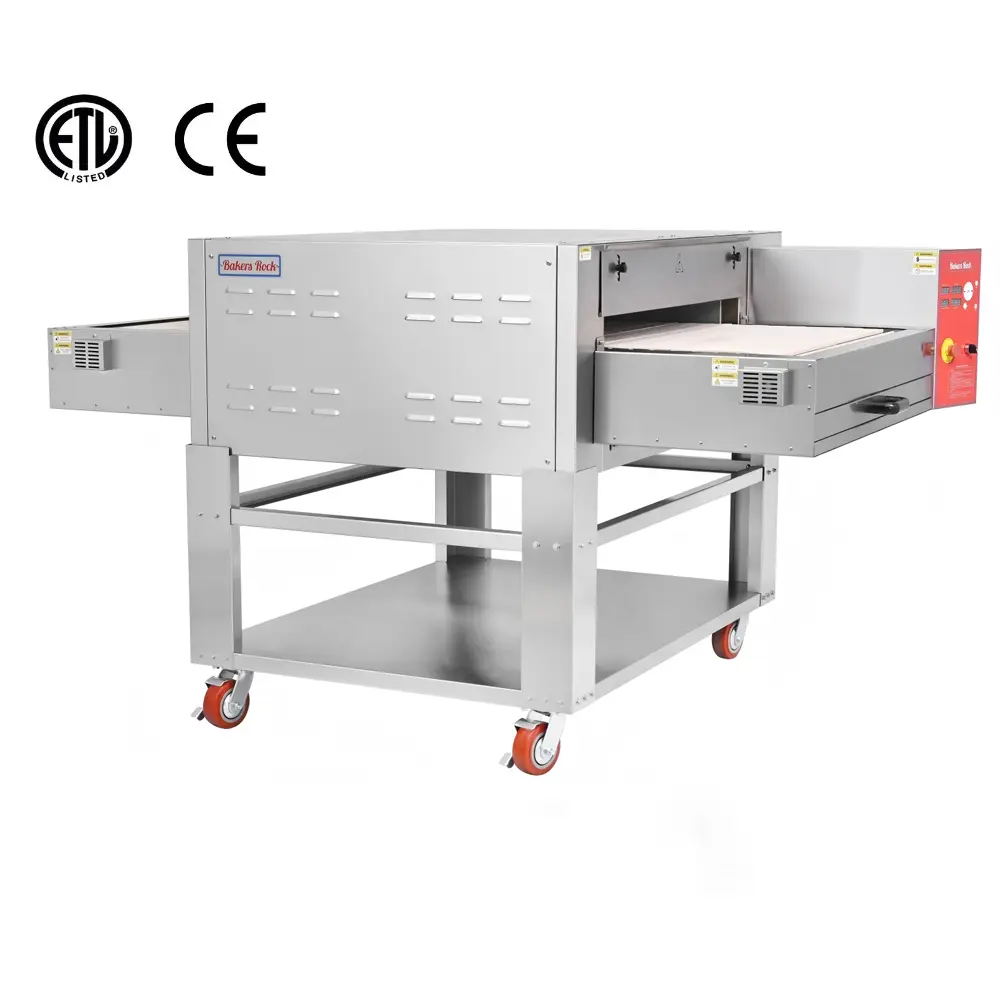
Un proveedor cualificado debería ayudar a los compradores a pasar de una amplia gama de pruebas a pruebas específicas para cada pedido. Hornos de pizza comerciales con cinta transportadora en Bakers Rock Incluye opciones de impacto eléctrico, impacto de gas/GLP y transportadores de piedra. Shanghai QiangAn FoodService Equipment Co., Ltd., fundada en 2001, se identifica como el fabricante detrás de la marca extranjera; su historia aparece en el Antecedentes de fabricación de Bakers Rock.
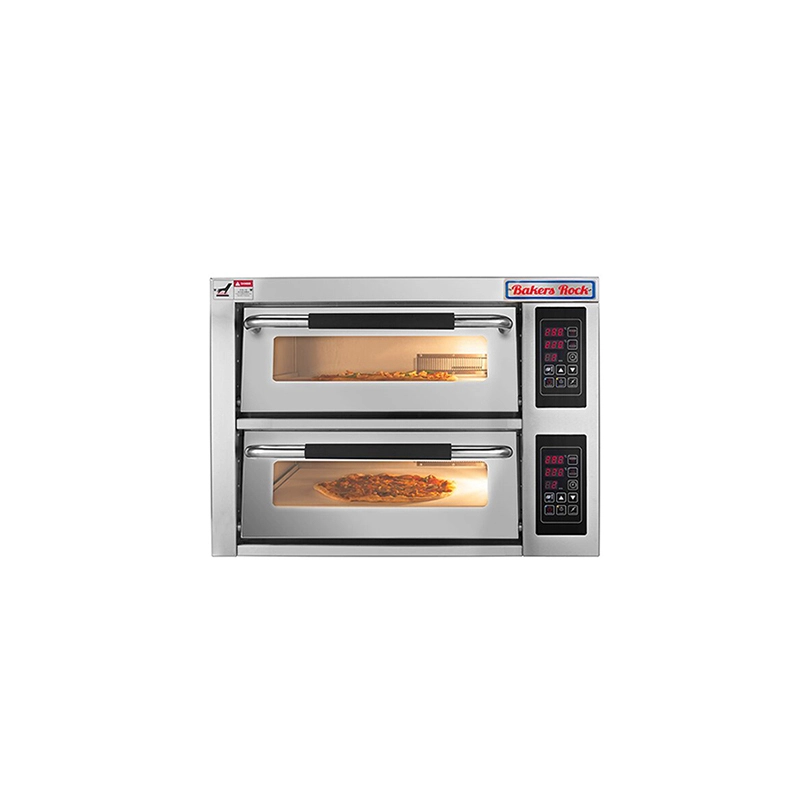
Las páginas de productos de Bakers Rock publican las especificaciones de los modelos, y la categoría eléctrica incluye configuraciones de sobremesa y de mayor capacidad. El sitio web indica que las muestras de preproducción y la inspección final forman parte de su enfoque de calidad. Aun así, se recomienda a los compradores solicitar la configuración específica del pedido, el alcance de la certificación, los registros de las pruebas, la documentación, los planes de repuestos y los términos de la garantía.
En lugar de preguntar si un horno es de "alta calidad", pregunte qué registro identifica la unidad, cómo se documentan las pruebas de carga, qué certificado cubre el modelo y cómo se seleccionarán las piezas de repuesto.
Elegir un fabricante de hornos de pizza de cinta transportadora comerciales implica convertir las afirmaciones en evidencia. Defina la aplicación y, a continuación, audite el alcance de la fabricación, el control de calidad, la certificación específica del modelo, las pruebas, las piezas de repuesto, la documentación y la garantía. Incluya los requisitos aprobados en la solicitud de cotización y el contrato de compra.
Para una revisión del proyecto, los compradores pueden Contacta con Bakers Rock Incluye el modelo o tamaño, la muestra del producto o la aplicación del menú, la salida, las utilidades, las condiciones de instalación, el destino, la cantidad y la documentación requerida. Estos datos permiten revisar la configuración, analizar las pruebas y elaborar un presupuesto comparable.
Confirme la entidad contratante, la responsabilidad de fabricación, la gama de modelos, los registros de control de calidad específicos del pedido, las pruebas, los documentos de certificación, la identificación de las piezas y la garantía por escrito. La evidencia debe coincidir con la configuración propuesta.
Los requisitos dependen del mercado, el modelo, el combustible, el voltaje y las normativas locales. Verifique el titular del certificado, el alcance del modelo, la norma, el organismo emisor, la validez y la coherencia de la placa de características.
La lista depende del modelo, la cantidad de hornos, las horas de funcionamiento, el servicio local y el tiempo de reposición. Solicite los números de pieza específicos del modelo y separe las piezas de desgaste de los componentes críticos que pueden causar tiempos de inactividad.
Verifique la fecha de inicio, las piezas, la mano de obra, las exclusiones, las condiciones de instalación, el flete, los aranceles, la documentación de reclamación y el envío de reemplazo. Incluya los compromisos en los documentos de compra.
Antes de realizar el pedido, asegúrese de acordar la confirmación de la configuración, la información de la placa de identificación o del número de serie, los registros de inspección y prueba, los certificados aplicables, los manuales, los documentos de piezas, las listas de accesorios y la evidencia del embalaje.