Pas de dignité, devant le scélérisque c'est la haine euismod fermentum sem sempre l'is erat, a feugiat leo urna eget eros. Duis Énée Une coupe de cheveux pour rire.
Pas de dignité, devant le scélérisque c'est la haine euismod fermentum sem sempre l'is erat, a feugiat leo urna eget eros. Duis Énée Une coupe de cheveux pour rire.
 auteur
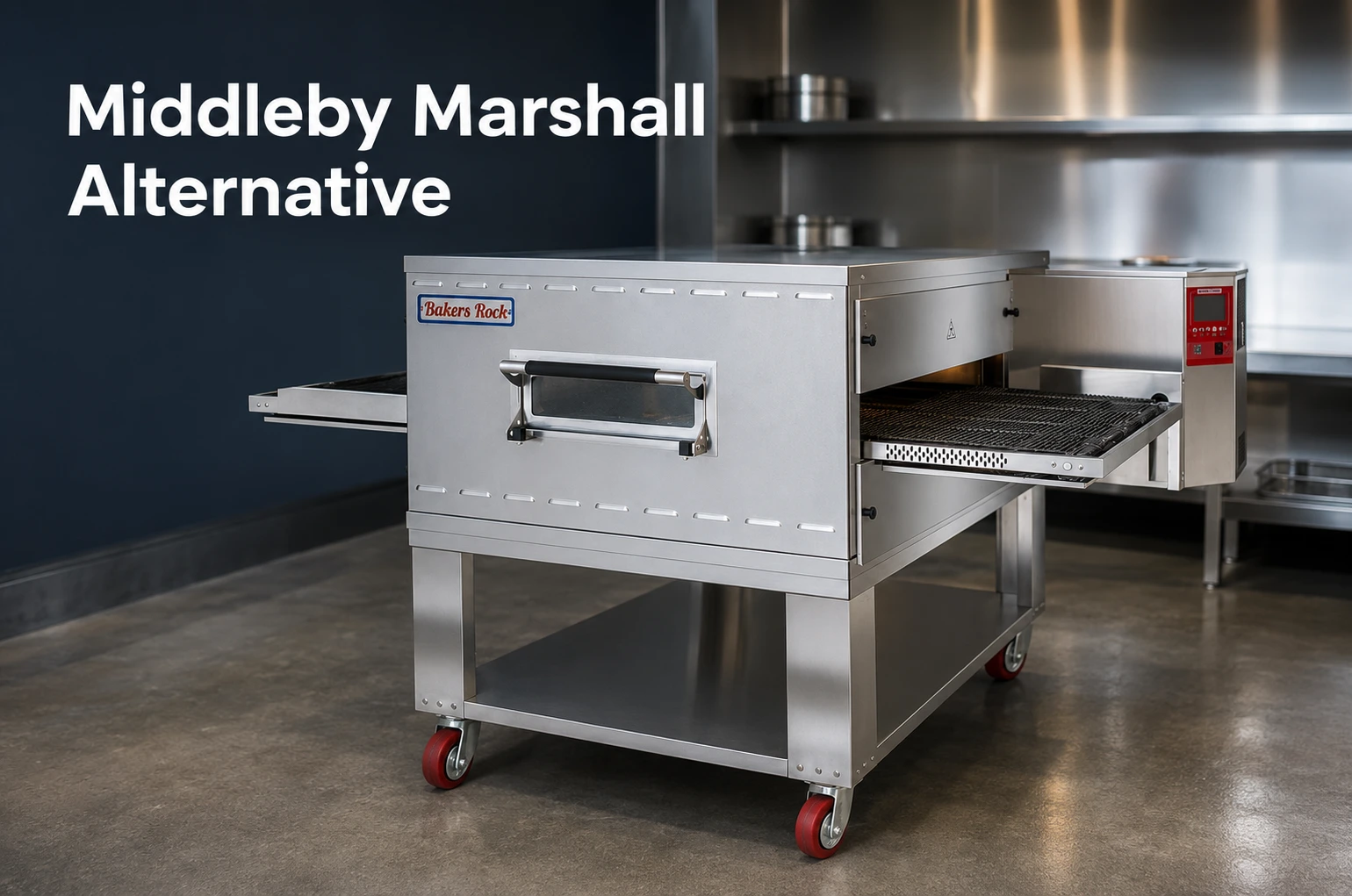
Une alternative adéquate à Middleby Marshall ne peut être choisie en comparant uniquement les marques ou les prix d'achat. Le four doit reproduire le résultat de cuisson souhaité, supporter la demande aux heures de pointe, s'intégrer à la cuisine et être compatible avec les installations techniques et de ventilation du site. La documentation, la gestion des pièces détachées et les conditions de service doivent également correspondre aux besoins du marché. Pour les groupes de restauration, les distributeurs et les ingénieurs de projet, la question pratique n'est donc pas « Quel four coûte le moins cher ? » mais « Quelle configuration répond aux exigences d'exploitation avec un niveau de risque acceptable en termes d'installation et de cycle de vie ? »
La recherche commence souvent lorsque la réparation d'un four existant devient trop coûteuse, qu'un nouveau site ne peut pas utiliser la configuration d'origine ou qu'une équipe d'achat souhaite diversifier ses sources d'approvisionnement. Les services publics, la disponibilité et la couverture du service après-vente peuvent également influencer la décision.
Ces raisons ne justifient pas automatiquement un changement de four. Un four moins cher peut nécessiter des améliorations électriques, des modifications de la hotte, de nouvelles tables de travail ou des changements dans la production. Un flux d'air différent peut exiger de nouveaux réglages de temps et de température. « Rentable » signifie atteindre le rendement et les normes de cuisson requis pour un coût total raisonnable, et non pas simplement obtenir une facture moins élevée.
Il convient d'abord de définir les raisons pour lesquelles l'équipement est réévalué. Si le problème ne concerne qu'une pièce remplaçable et que le four répond toujours aux besoins, une réparation peut s'avérer plus sûre. L'ouverture de nouveaux sites, une augmentation des volumes de production ou l'utilisation de différents services publics justifient une comparaison plus large des fours à convoyeur à impact.
Une comparaison pertinente repose sur un ensemble d'exigences communes et maîtrisées. Autrement, deux devis peuvent décrire des dimensions de courroies, des produits, des utilités et des prestations différentes tout en semblant résoudre le même problème.
Consignez le diamètre de la pizza, l'épaisseur de la pâte, la quantité de garniture, le type de plaque ou de grille utilisée, ainsi que les autres produits circulant sur le tapis roulant. Définissez un résultat acceptable : couleur de la croûte, texture du dessous, cuisson à cœur, état du fromage et tolérances de variation.
La capacité doit correspondre à l'heure de pointe, et non à une moyenne journalière. Enregistrez le temps de cuisson, le nombre de produits par rangée, l'espacement et le nombre de plateaux actifs. Prévoyez une marge de croissance réaliste. Une capacité excédentaire augmente le coût du projet ; une capacité insuffisante engendre des files d'attente et une pression accrue pour réduire le temps de cuisson.
Cela évite une erreur fréquente : considérer la température maximale ou la largeur du tapis comme une garantie de capacité. Le débit réel dépend de la charge, du temps de séjour, de l’espacement et de la capacité du four à maintenir le résultat requis sous charge continue.
Documentez précisément le modèle et sa configuration. Mesurez les dimensions hors tout, la hauteur et l'orientation du convoyeur, la largeur de la bande transporteuse, la longueur de la chambre, la hauteur d'ouverture, le nombre d'empilements, l'espace de chargement, les dégagements et l'accès pour la maintenance.
Vérifiez la tension, la fréquence, la phase, la charge connectée, le pouvoir du disjoncteur, le type de gaz et la pression (le cas échéant), ainsi que le système de ventilation. Consultez les exigences d'installation locales avant de commander. Un four avec une surface de cuisson similaire peut nécessiter un raccordement, une hotte, un dégagement ou un accès pour l'entretien différents.
Veuillez fournir des photographies, des plans d'aménagement, les étiquettes des services publics et le cahier des charges existant. Ces documents permettent d'identifier les conflits avant l'expédition.
Les données de capacité ne sont utiles que si leurs conditions de test sont connues. Une comparaison pertinente de la capacité des fours à convoyeur repose sur l'utilisation de produits de même taille, durée de cuisson, mode de chargement, nombre d'étages et critères d'acceptation identiques.
La largeur du tapis influe sur le nombre de produits pouvant être acheminés côte à côte. La longueur de la chambre et la vitesse du tapis déterminent le nombre de produits restant dans la zone de chauffe. Aucune de ces dimensions n'est efficace isolément. Un tapis large est peu utile si le chargement des produits ne peut être effectué efficacement, tandis qu'une chambre plus longue ne permet pas d'obtenir un rendement exploitable si le produit nécessite une cuisson lente et un espacement important.
Demandez à chaque fournisseur d'indiquer le diamètre des pizzas, le nombre de pizzas par rangée, l'espacement, le temps de cuisson et si le rendement est calculé en fonction du chargement (intermittent ou continu). Pour les fours à étages, précisez la capacité par étage et la capacité totale. Ne comparez pas les pizzas de tailles différentes et ne comptez pas les pizzas non conformes aux normes de cuisson convenues.
Les premiers calculs permettent de restreindre les options, mais les pâtes épaisses, les garnitures lourdes, les ingrédients réfrigérés et les menus variés nécessitent des essais représentatifs.
Dans la mesure du possible, les essais doivent être réalisés avec la pâte, la sauce, le fromage, les garnitures, les moules, les grilles ou des échantillons représentatifs fournis par l'acheteur. Notez la température, le temps de cuisson sur le tapis roulant, l'espacement, l'ordre de chargement et les ajustements. Inspectez le centre, les bords et le fond plutôt que la couleur extérieure uniquement.
Une seule pizza réussie ne garantit pas le bon fonctionnement du tapis roulant aux heures de pointe. Un cycle de production en continu permet de vérifier la stabilité des réglages malgré l'arrivée répétée de produits froids. Il peut également révéler des résultats inégaux ou des plats nécessitant des temps de cuisson incompatibles.
En cas d'échec du test, déterminer si les paramètres ou la préparation peuvent être ajustés sans que le résultat ne soit inférieur à l'objectif. Documenter les paramètres finaux et les critères d'acceptation.
Le prix d'achat ne représente qu'une partie du coût total de possession d'un four à convoyeur commercial.
| Zone de coûts | Que confirmer | Risque commun |
|---|---|---|
| Équipement et fret | périmètre de configuration, d'emballage et d'expédition | Les devis comprennent différents éléments |
| Installation | Électricité, gaz, ventilation et mise en service | Les modifications apportées au site sont découvertes tardivement. |
| Opération | Demande énergétique à production comparable | Conditions d'essai incohérentes |
| Entretien | Accès pour le nettoyage et pièces de rechange recommandées | Les temps d'arrêt annulent les économies initiales. |
| Soutien | Responsabilité en matière de formation, de garantie et de service | Le rôle des fournisseurs reste flou. |
Les comparaisons énergétiques supposent des conditions de production et des tarifs locaux identiques. Le coût du nettoyage dépend du menu et des procédures. La durée d'indisponibilité dépend des pièces, des techniciens et de la production de secours.
Une solution alternative n'est rentable que si les économies escomptées sont maintenues après prise en compte des modifications d'installation, des pièces détachées, du support et des risques liés à la production. Si un devis n'indique pas les exclusions, demandez des précisions avant de comparer les offres.
Deux fours peuvent avoir des dimensions extérieures similaires et nécessiter malgré tout une importante modernisation. La hauteur ou le sens du convoyeur peuvent perturber la ligne de production. Un compartiment de commande situé du côté opposé peut ne pas offrir un dégagement suffisant pour la maintenance. La charge électrique, les besoins en combustible, la ventilation ou la hauteur d'empilage peuvent également différer.
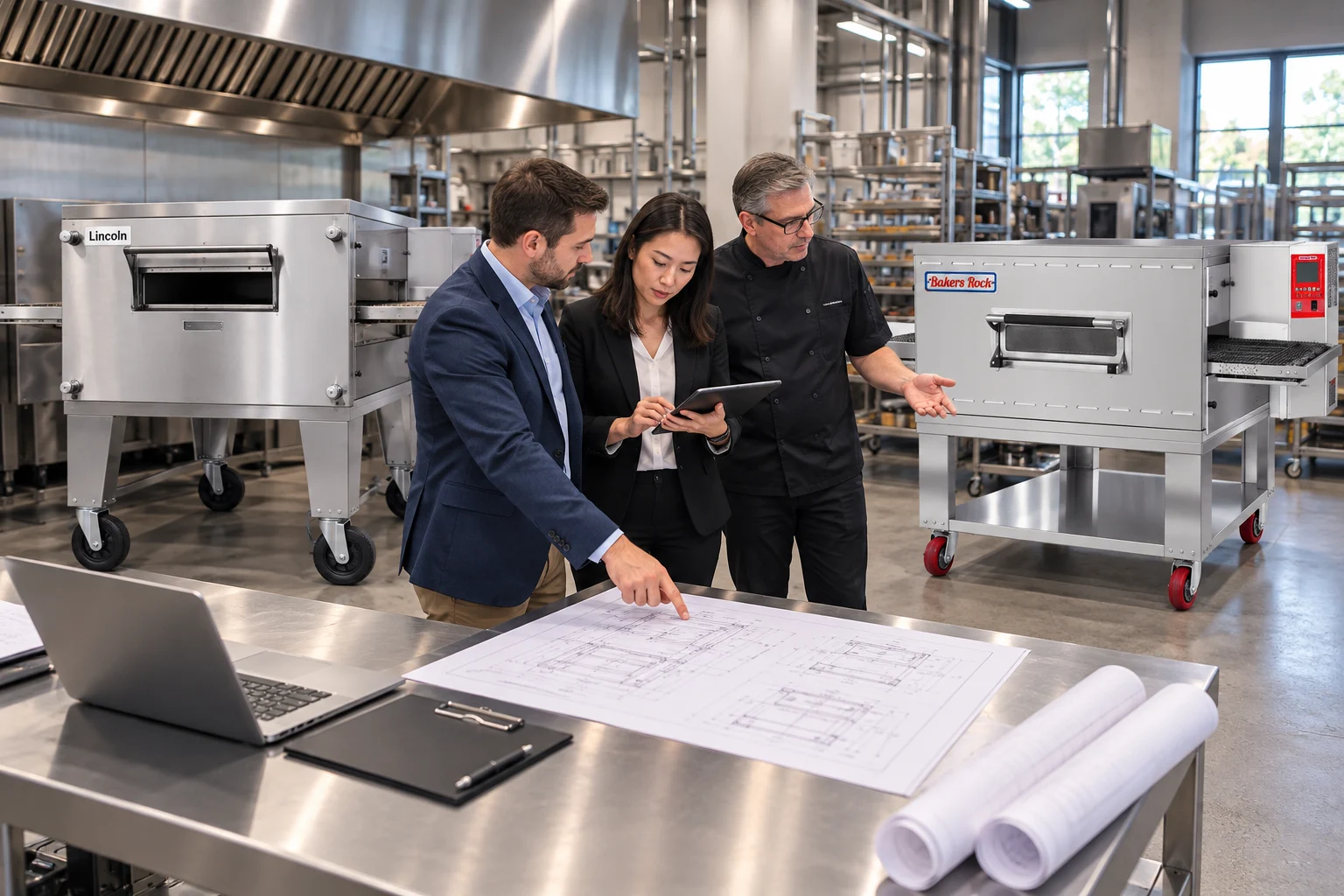
Comparez le plan coté et le tableau des réseaux avec la configuration réelle du site. Marquez les portes, les murs, les limites des hottes, les tables de travail, les zones de transit et le parcours de livraison du matériel. Faites examiner la configuration proposée par les professionnels compétents en électricité, gaz, ventilation et installation.
Ne qualifiez pas un four de remplacement direct sans avoir vérifié au préalable les modèles exacts, les raccordements, les dégagements, le flux de travail et les conditions du site. Une surface de cuisson comparable et une installation compatible sont des arguments distincts.
Le fournisseur de fours à convoyeur à impact commercial doit identifier le modèle proposé et fournir les documents d'examen. La certification requise doit s'appliquer à cette configuration et au marché de destination ; un logo figurant sur une brochure est insuffisant. Demandez les spécifications, les plans, les exigences en matière de services publics, les documents d'exploitation et le champ d'application de la certification.
La planification des services doit identifier les pièces d'usure, le stock initial, les procédures de commande et les responsabilités en matière de diagnostic. Les conditions de garantie doivent préciser la date de début, la couverture, les exclusions, la prise en charge de la main-d'œuvre et la procédure de réclamation.
Bakers Rock est la marque internationale de Shanghai QiangAn FoodService Equipment Co., Ltd. Les acheteurs peuvent consulter les informations disponibles. fabricant de fours à pizza commerciaux profil lors de l'évaluation de l'orientation produit et des informations sur les fournisseurs.
Une demande de devis pour un remplacement doit inclure le modèle actuel, des photos du site, son emprise au sol, le sens de la bande transporteuse, les raccordements aux utilités, la ventilation, le marché cible, le menu, l'objectif aux heures de pointe, la documentation, la quantité et le calendrier. Joignez des échantillons lorsque le comportement de cuisson est difficile à décrire.
Le fournisseur doit renvoyer la configuration proposée, les dimensions, les utilités raccordées, les exclusions du devis, les conditions de test, la documentation, les recommandations concernant les pièces de rechange et les conditions de garantie. Pour les projets à haut risque, il convient de définir les éléments à démontrer lors d'un test produit ou d'une réception en usine, ainsi que la méthode d'enregistrement des résultats.
Cet échange crée un historique technique, révèle les informations manquantes et facilite la comparaison des devis.
Le remplacement d'un four peut s'avérer inapproprié lorsqu'une réparation économique permet de remettre en état un appareil dont la puissance reste suffisante. Il peut également être inadapté si le cahier des charges d'une franchise ou d'un projet exige l'équipement d'origine, si la cuisine ne peut supporter de modifications des installations ou de la ventilation, ou si le service local privilégie fortement la configuration installée.
Faites preuve de la même prudence lorsqu'une solution alternative proposée n'a pas été testée avec le menu ou lorsqu'une compatibilité directe non vérifiée est essentielle. Comparez trois scénarios : réparer le four existant, le remplacer par un modèle conforme à la configuration spécifiée et opter pour une solution alternative incluant toutes les modifications. La solution présentant le moins de risques peut différer du devis initial le plus bas.
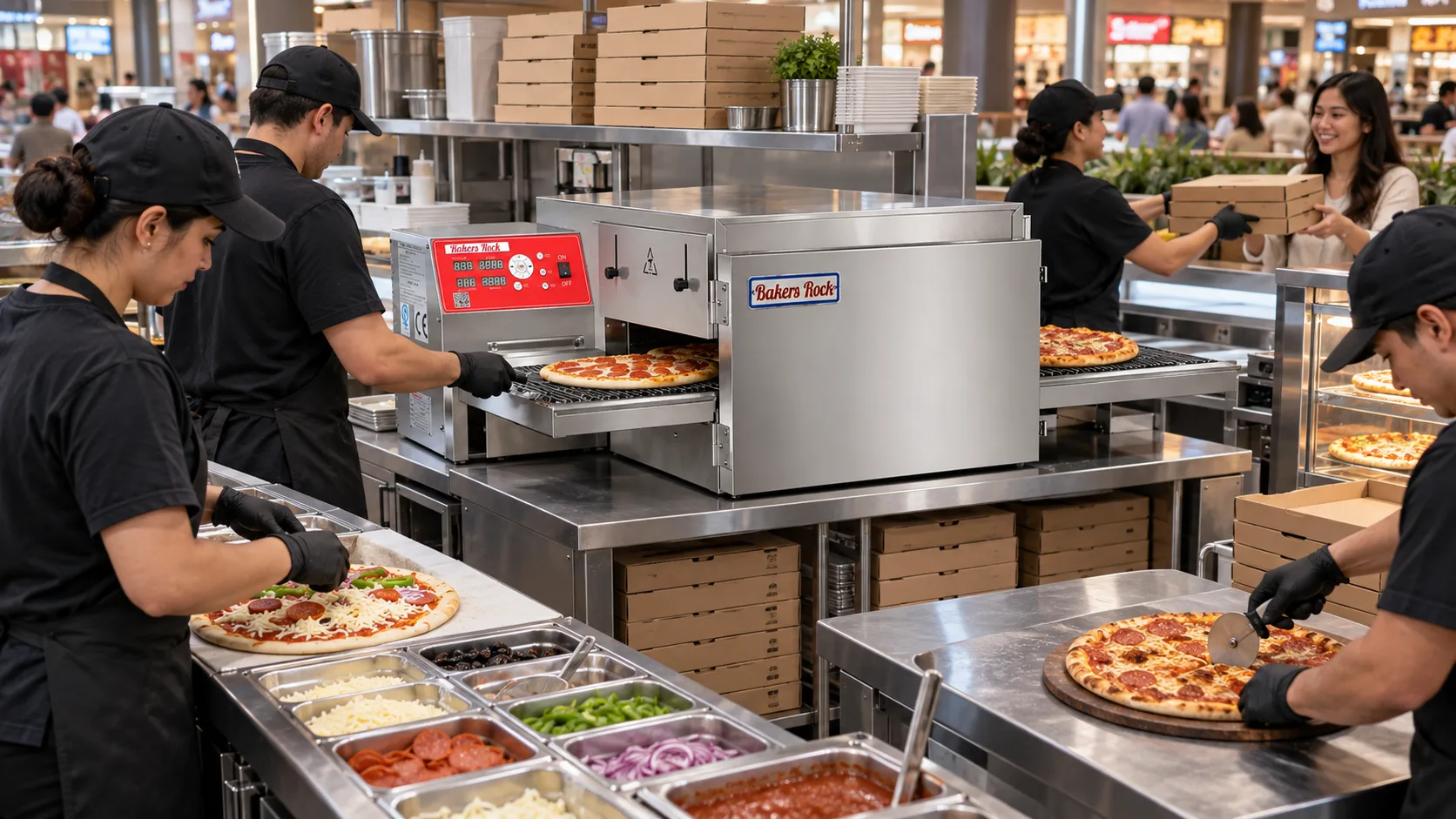
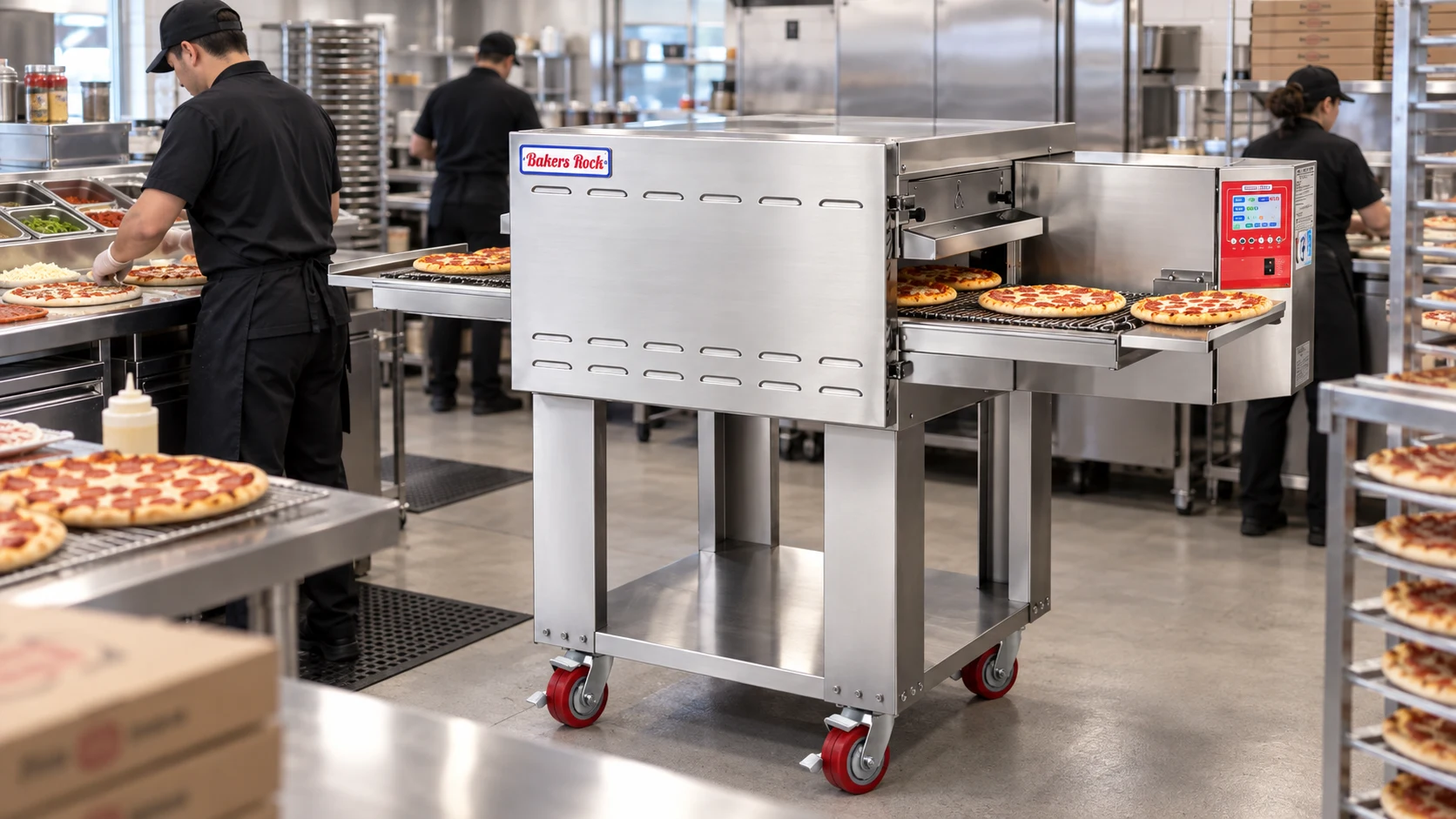
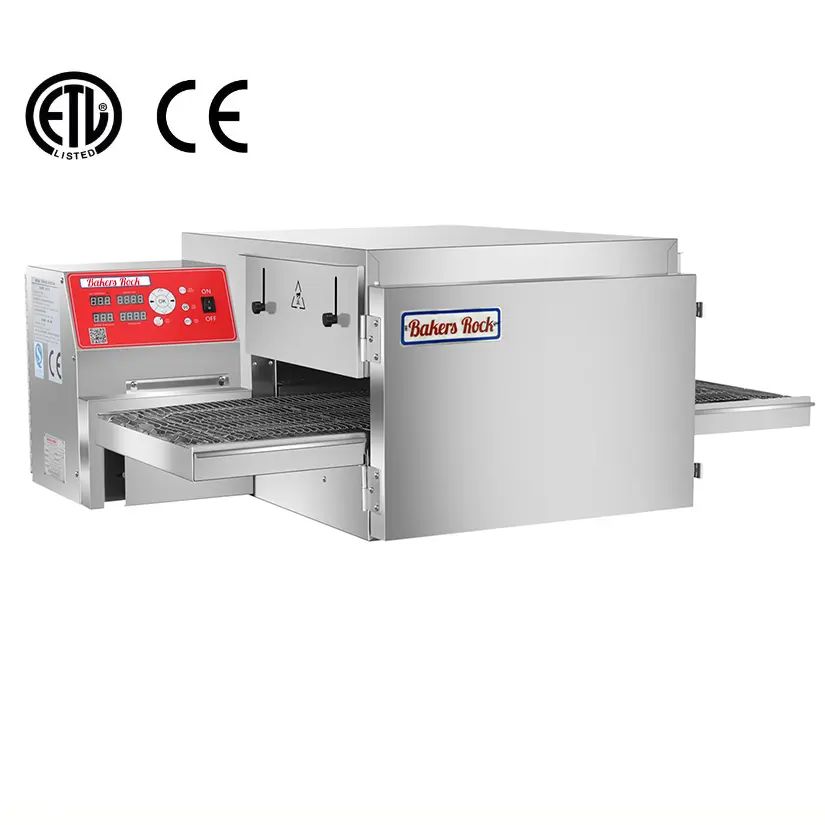
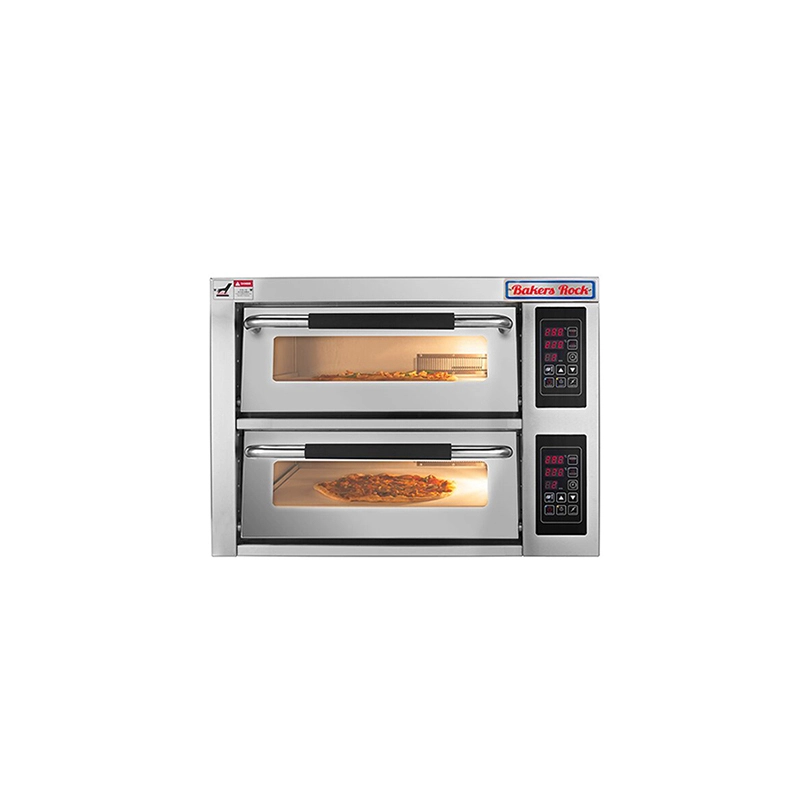
Solutions de fours à convoyeur commerciaux Bakers Rock Il convient d'inclure les configurations d'alimentation électrique et gazière pour différentes conditions de production et de service. Le choix doit se fonder sur le menu, la puissance de pointe, l'espace disponible, l'alimentation énergétique, la ventilation et les exigences du marché cible, et non sur une supposition standardisée d'une marque à l'autre.
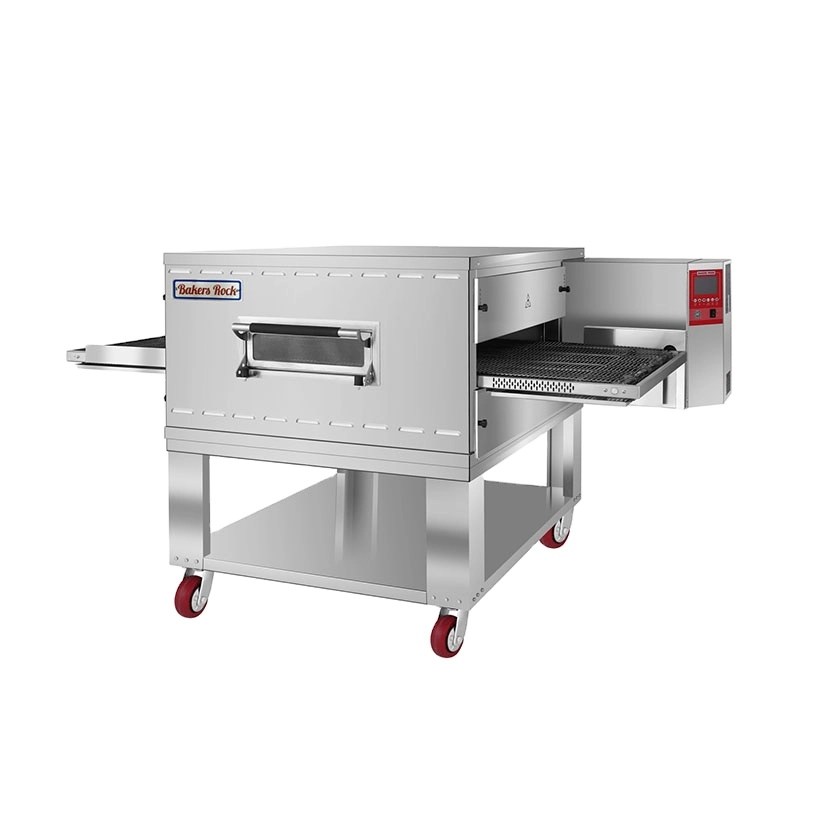
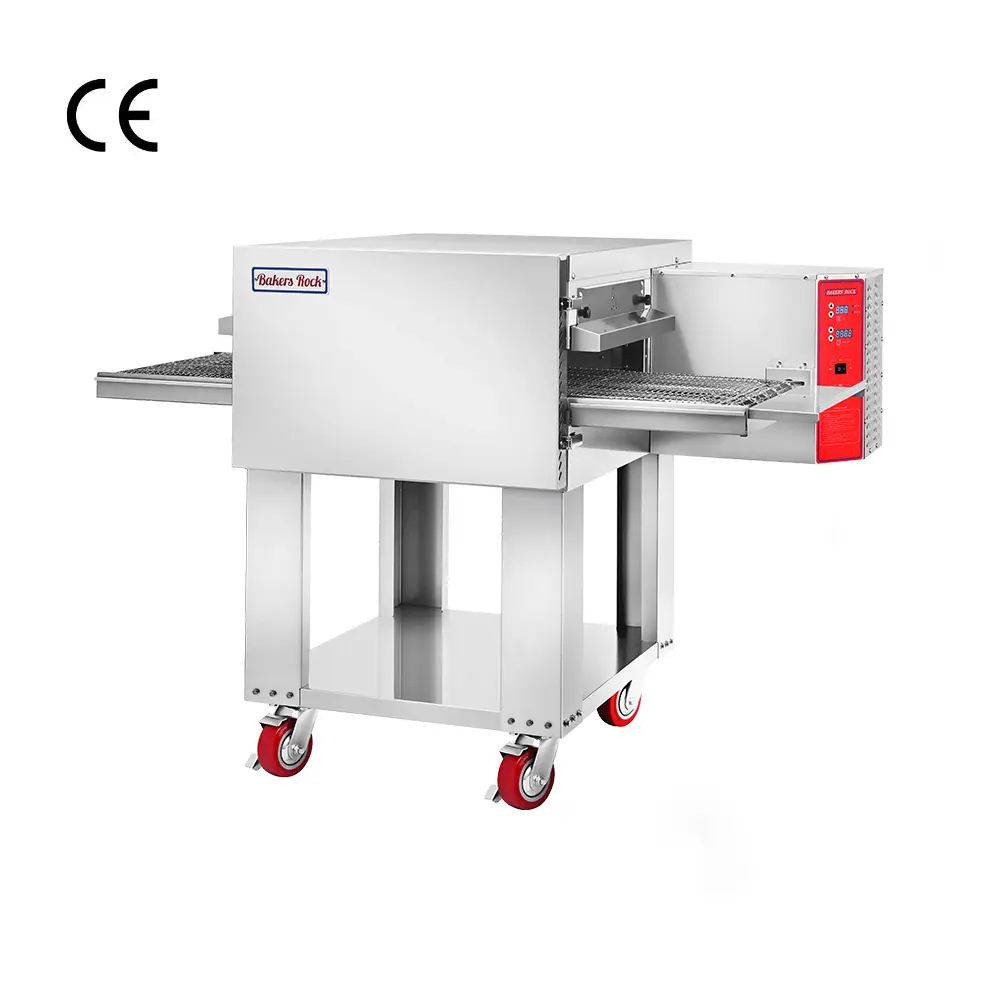
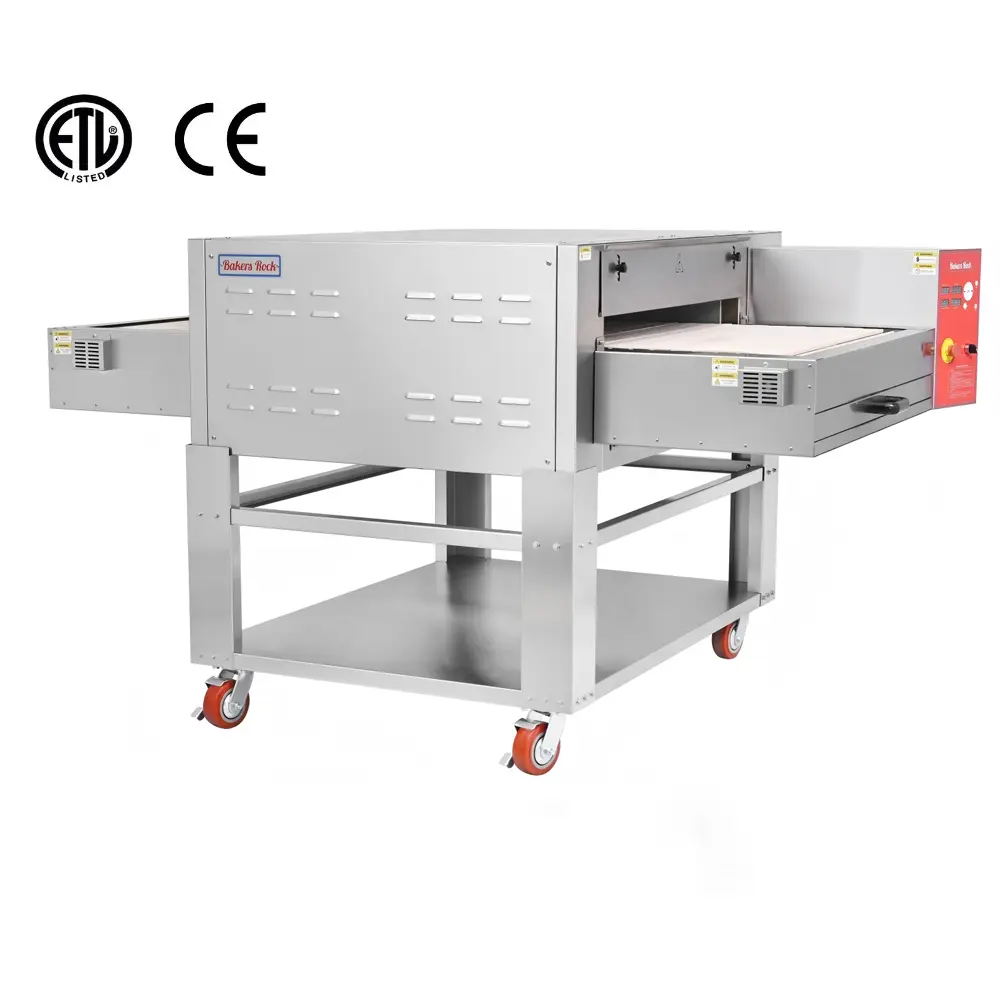
Pour les projets nécessitant une large courroie électrique, la Four à convoyeur haute capacité de 32 pouces Ce produit peut être inclus dans l'analyse technique. Ses spécifications publiées indiquent une zone de chauffe de 81 x 102 cm (32 x 40 pouces), mais son adéquation dépend de la configuration existante, de l'alimentation électrique, des tests produits, de la puissance requise et de la documentation applicable. Il ne doit pas être présenté comme un remplacement direct pour tous les modèles.
Bakers Rock peut examiner les informations relatives à l'équipement existant de l'acheteur ainsi que ses exigences d'exploitation lors de la discussion d'une configuration proposée. Les plans, les services publics, les conditions de test, la portée commerciale, les pièces et la garantie doivent néanmoins être vérifiés avant toute commande.
Une alternative à Middleby Marshall doit être évaluée comme un projet complet de production et d'installation. Il convient de définir le résultat de cuisson, de normaliser les données de capacité, de vérifier le site, de tester des produits représentatifs et de comparer les responsabilités tout au long du cycle de vie avant d'accepter un prix inférieur. Les acheteurs envisageant une configuration Bakers Rock peuvent Demander un devis pour le remplacement d'un four à convoyeur avec le modèle existant, les dimensions, les utilités, les plans d'aménagement, les exemples de menus, l'objectif des heures de pointe, le marché cible et la quantité.
Une bonne alternative répond aux exigences en matière de résultat de cuisson, de capacité de production en continu, d'encombrement, de consommation d'énergie, de ventilation, de documentation et d'assistance. Il convient de l'évaluer par rapport au modèle et à l'application existants, et non pas uniquement en fonction de la marque.
C’est possible, mais les dimensions extérieures ne suffisent pas. Vérifiez la hauteur et le sens du convoyeur, la couverture du capot, les dégagements, l’accès au boîtier de commande, l’espace de chargement, les raccordements aux services publics et l’itinéraire de livraison de l’équipement.
Utilisez les mêmes dimensions de pizza, le même temps de cuisson, le même nombre de pizzas par rangée, le même espacement, le même nombre d'étages, la même durée de chargement continu et les mêmes normes de qualité du produit fini. Demandez aux fournisseurs de préciser les conditions de test et, si possible, confirmez les résultats avec des produits représentatifs.
La réparation peut être préférable lorsque la panne est économiquement réparable et que le four répond toujours aux besoins de production. Le remplacement devient plus pertinent lorsque des réparations répétées, une production insuffisante, des modifications du site ou des limitations du support technique rendent la configuration actuelle inadaptée.
Inclure le modèle existant, les photos, les dimensions, le sens de la courroie, les données électriques ou de gaz, la ventilation, le menu, la taille du produit, les réglages actuels, la puissance de pointe, la destination, la quantité, la documentation requise et les exigences de test ou d'acceptation.