Nullam dignissim, ante scelerisque adalah euismod fermentum odio sem semper itu erat, sebuah feugiat leo urna eget eros. Duis Aenean risiko imperdiet.
Nullam dignissim, ante scelerisque adalah euismod fermentum odio sem semper itu erat, sebuah feugiat leo urna eget eros. Duis Aenean risiko imperdiet.
 pengarang
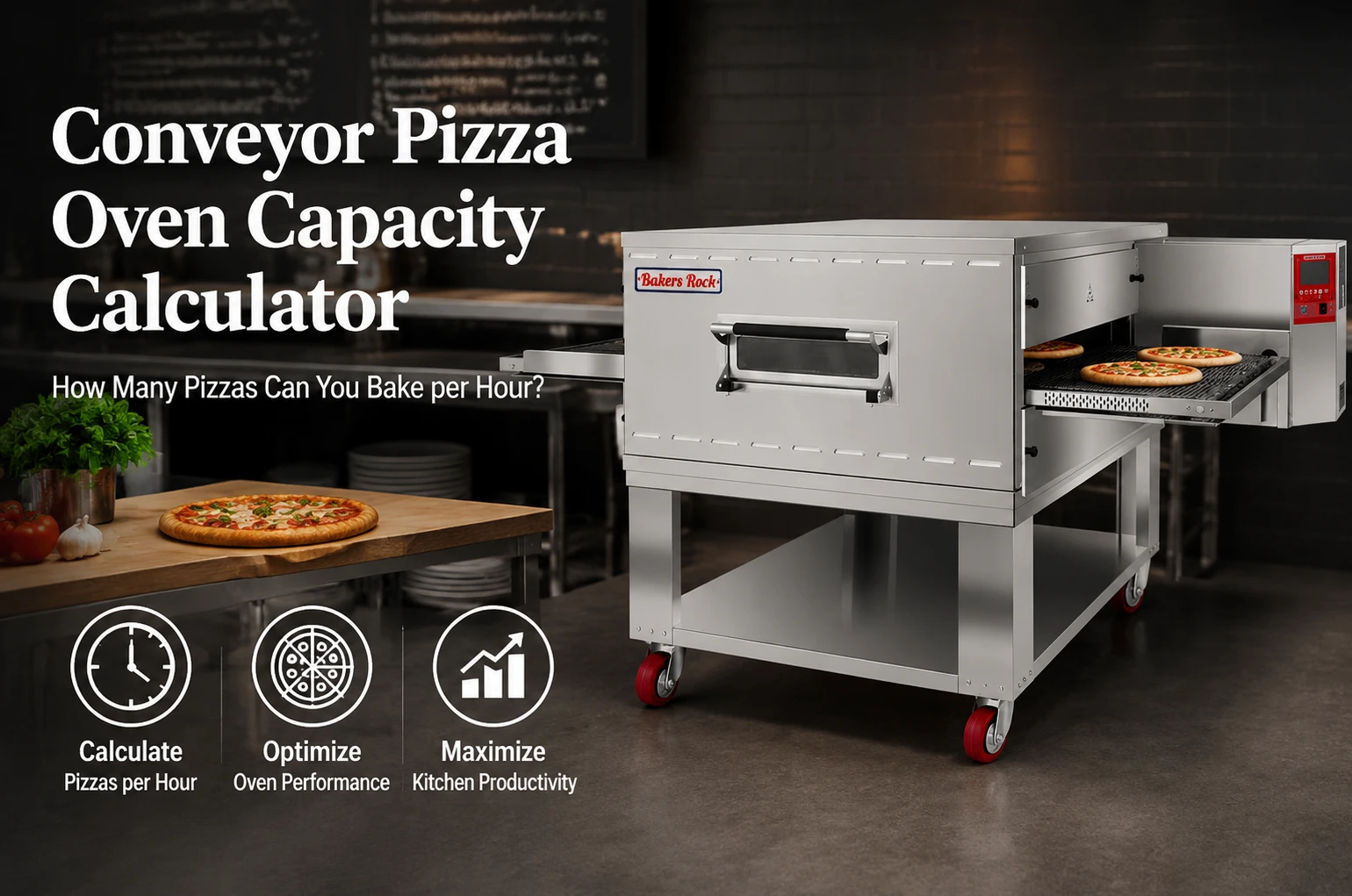
Kalkulator kapasitas oven pizza konveyor memperkirakan berapa banyak pizza yang dapat dipanggang oven per jam dalam kondisi operasi yang ditentukan. Untuk hasil yang bermanfaat, perhitungan harus mencakup diameter pizza, waktu memanggang, lebar sabuk yang dapat digunakan, pola pemuatan, panjang ruang pemanggangan, dan jumlah oven yang ditumpuk. Nilai maksimum yang dipublikasikan tanpa masukan ini bukanlah dasar yang andal untuk pemilihan peralatan.
Output teoritis dapat diperkirakan dari jumlah pizza yang ditempatkan di setiap baris pemuatan dan interval antar baris:
Pizza per jam = pizza per baris × 60 ÷ interval pemuatan dalam menit
Interval pemuatan bergantung pada kecepatan sabuk konveyor, panjang ruang pemanggangan, diameter pizza, dan jarak yang dibutuhkan antar produk. Misalnya, sabuk konveyor yang dapat memuat dua pizza berdampingan mungkin menghasilkan jauh lebih banyak daripada tata letak satu baris, tetapi hanya jika kedua pizza tetap berada dalam lebar pemanasan yang dapat digunakan.
Hasilnya harus dianggap sebagai output oven konveyor teoretis. Kalkulator pizza per jam praktis juga harus menerapkan toleransi kapasitas untuk pemuatan yang tidak teratur, variasi produk, penghentian singkat, dan alur kerja jam sibuk. Oleh karena itu, pembeli harus membandingkan tiga angka:
Operasi yang belum memilih model dapat dimulai dengan meninjau oven pizza konveyor komersial pada berbagai ukuran. Perhitungan akhir kemudian harus diverifikasi terhadap spesifikasi dan kondisi pengujian oven yang dipilih.
Diameter pizza menentukan berapa banyak produk yang muat di sepanjang sabuk konveyor yang dapat digunakan dan seberapa rapat baris-baris yang berurutan dapat dimuat. Sabuk konveyor dengan lebar nominal 32 inci, misalnya, tidak boleh secara otomatis diasumsikan dapat menampung setiap kombinasi dua pizza besar. Loyang, saringan, produk yang menggantung, dan jarak yang dibutuhkan untuk aliran udara yang merata dapat mengurangi ruang yang dapat digunakan.
Pemuatan satu baris mungkin cocok untuk pizza berukuran besar atau oven meja yang sempit. Pemuatan berdampingan lebih tepat jika sabuk konveyor menyediakan ruang yang cukup di sekitar kedua produk. Pola berselang-seling dapat meningkatkan laju produksi oven konveyor, tetapi hal ini harus divalidasi melalui pengujian berkelanjutan dan bukan hanya diasumsikan berdasarkan dimensi fisik saja.
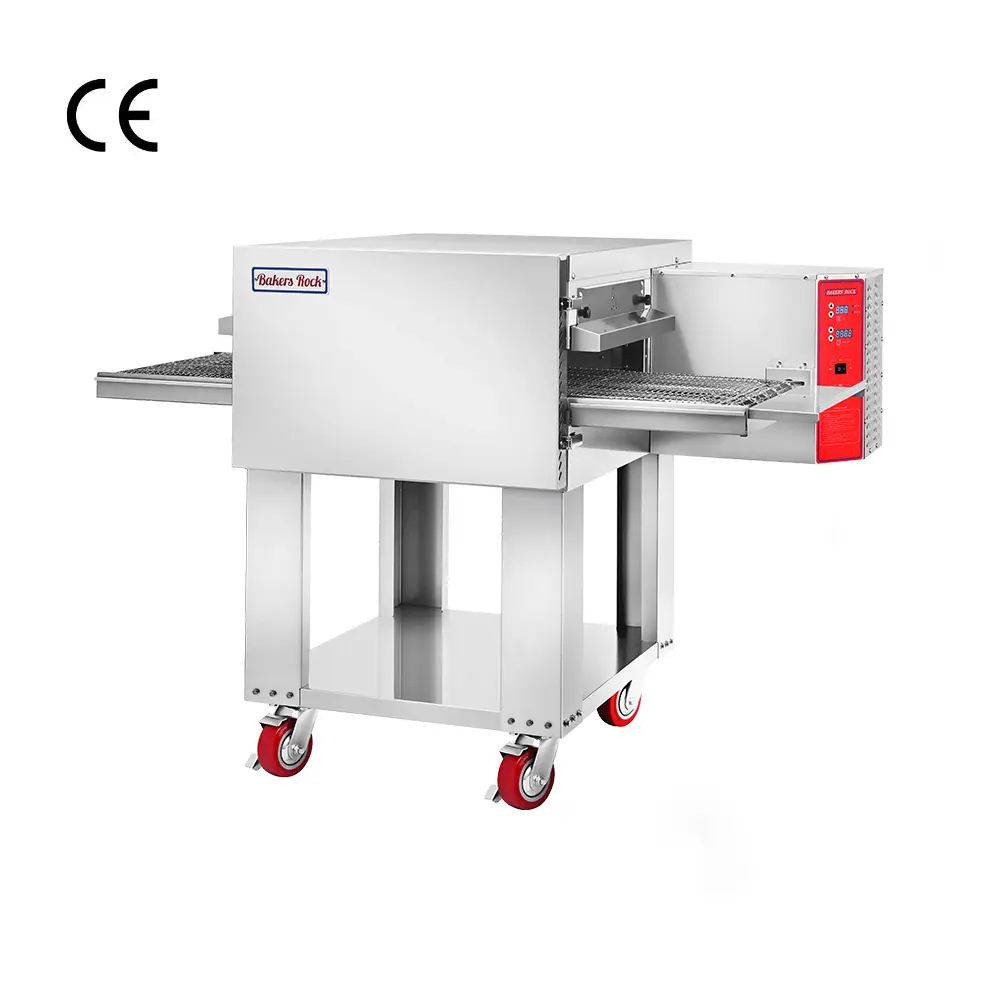
Saat membandingkan oven pizza konveyor listrikPembeli harus memastikan lebar pemanggangan yang dapat digunakan, panjang ruang pemanggangan, tinggi produk maksimum, ukuran loyang yang diizinkan, dan tata letak pemuatan yang digunakan untuk angka kapasitas yang dipublikasikan.
Waktu memanggang yang lebih singkat umumnya meningkatkan kapasitas oven pizza karena produk bergerak lebih cepat melalui ruang pemanggang. Namun, meningkatkan kecepatan sabuk konveyor tanpa menyesuaikan perpindahan panas dapat menghasilkan kerak yang pucat, bagian tengah yang dingin, atau topping yang tidak merata. Pengaturan yang tepat bergantung pada ketebalan adonan, suhu awal, jumlah topping, penggunaan loyang atau saringan, dan hasil akhir yang diinginkan.
Pizza tipis segar, adonan dingin, pizza beku, produk pizza tebal, dan pizza dengan topping melimpah tidak boleh menggunakan asumsi kapasitas yang sama. Angka output pemasok hanya bermakna jika produk uji menyerupai menu pembeli.
Sebelum membeli, berikan informasi kepada pemasok mengenai diameter pizza, kondisi adonan, berat topping standar, waktu pemanggangan yang diinginkan, dan tingkat kematangan kerak yang diinginkan. Langkah praktis selanjutnya adalah melakukan uji pemanggangan dengan beban berkelanjutan jika kondisi menu berbeda dari data yang dipublikasikan.
Dapur mungkin gagal mencapai target jumlah pizza per jam yang ditetapkan meskipun oven beroperasi dengan benar. Jeda yang tidak teratur antar pizza, keterlambatan di stasiun persiapan, proses bongkar muat yang lambat, dan perubahan pengaturan yang sering dapat menyebabkan sebagian sabuk konveyor kosong. Produk yang dingin atau diberi topping tebal juga mungkin memerlukan waktu memanggang lebih lama daripada asumsi di balik kapasitas yang ditetapkan.
Langkah diagnostik pertama adalah uji beban puncak yang diukur waktunya. Catat jumlah pizza yang sudah disiapkan yang masuk ke sabuk konveyor, pizza yang sudah jadi yang keluar dari sabuk konveyor, ruang kosong di sabuk konveyor, produk yang ditolak, dan waktu tunggu di stasiun persiapan atau penyelesaian. Jika sabuk konveyor berulang kali kosong, kemungkinan hambatannya ada di hulu. Jika sabuk konveyor tetap penuh tetapi pizza yang sudah jadi tidak memenuhi persyaratan kualitas, pengaturan oven, spesifikasi produk, atau kapasitas peralatan perlu ditinjau.
Kerusakan mekanis dan penggantian komponen termasuk dalam proses pemecahan masalah yang terpisah. Hal tersebut tidak boleh didiagnosis hanya berdasarkan perhitungan kapasitas saja.
Kapasitas oven pizza komersial sebaiknya dipilih berdasarkan permintaan pada jam sibuk, bukan rata-rata penjualan harian. Dapur yang menjual sebagian besar pizzanya selama jam makan malam yang singkat membutuhkan kapasitas kerja yang cukup untuk periode tersebut, ditambah ruang gerak yang wajar untuk variasi permintaan dan penundaan operasional.
Ukuran pizza yang terstandarisasi, porsi topping, jarak antar topping, dan pengaturan resep membantu menjaga konsistensi produksi. Tes berkala yang dilakukan dalam jangka waktu tertentu dapat mengidentifikasi penurunan kinerja sebelum menyebabkan pesanan terlewat. Staf juga membutuhkan ruang dan kapasitas persiapan yang cukup untuk menjaga pasokan di conveyor belt dan segera mengambil pizza yang sudah jadi.
Ketika permintaan meningkat, penambahan oven bertumpuk dapat meningkatkan produksi dalam ruang yang terbatas. Model yang lebih lebar mungkin lebih cocok ketika pizza berukuran besar harus dimuat berdampingan. Pilihan tergantung pada fasilitas yang tersedia, ventilasi, tinggi dapur, alur kerja, dan apakah redundansi produksi diperlukan.
Ukuran yang tepat bergantung pada jumlah pizza terbanyak per jam, diameter pizza, waktu memanggang, dan kondisi lokasi—bukan hanya label restoran saja.
| Situasi Operasi | Konfigurasi untuk dievaluasi | Pemeriksaan pembelian utama |
| Kafe atau menu pizza terbatas | Oven tunggal untuk diletakkan di atas meja | Permintaan di masa depan dan ketersediaan layanan listrik |
| Pizzeria independen | Konfigurasi konveyor sedang atau yang dapat ditumpuk | Diameter pizza dan kapasitas kerja berkelanjutan |
| QSR atau dapur pengiriman | Sistem sabuk lebar atau tumpukan ganda | Alur kerja dan ventilasi beban puncak |
| Jaringan atau fasilitas produksi pizza | Oven berkapasitas tinggi ganda atau bertumpuk | Redundansi, utilitas, dan data uji yang dapat diulang. |
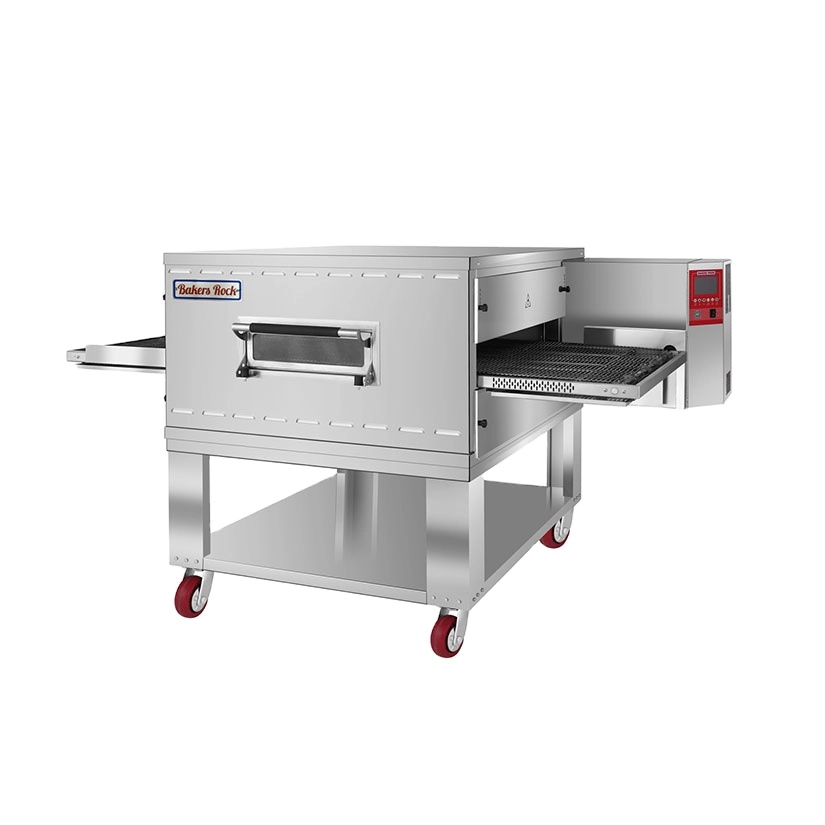
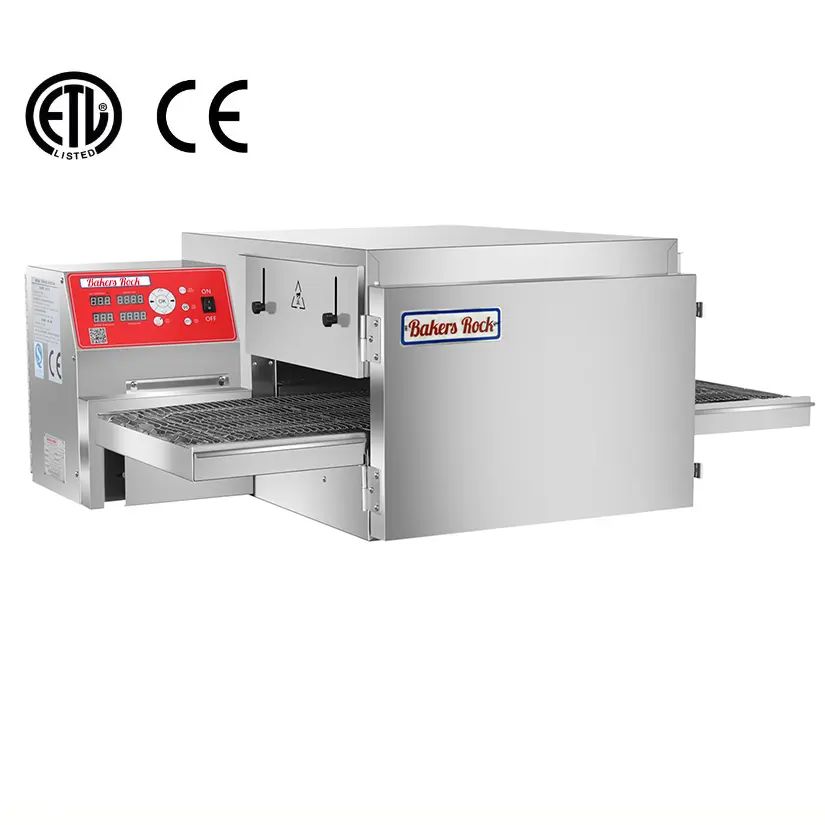
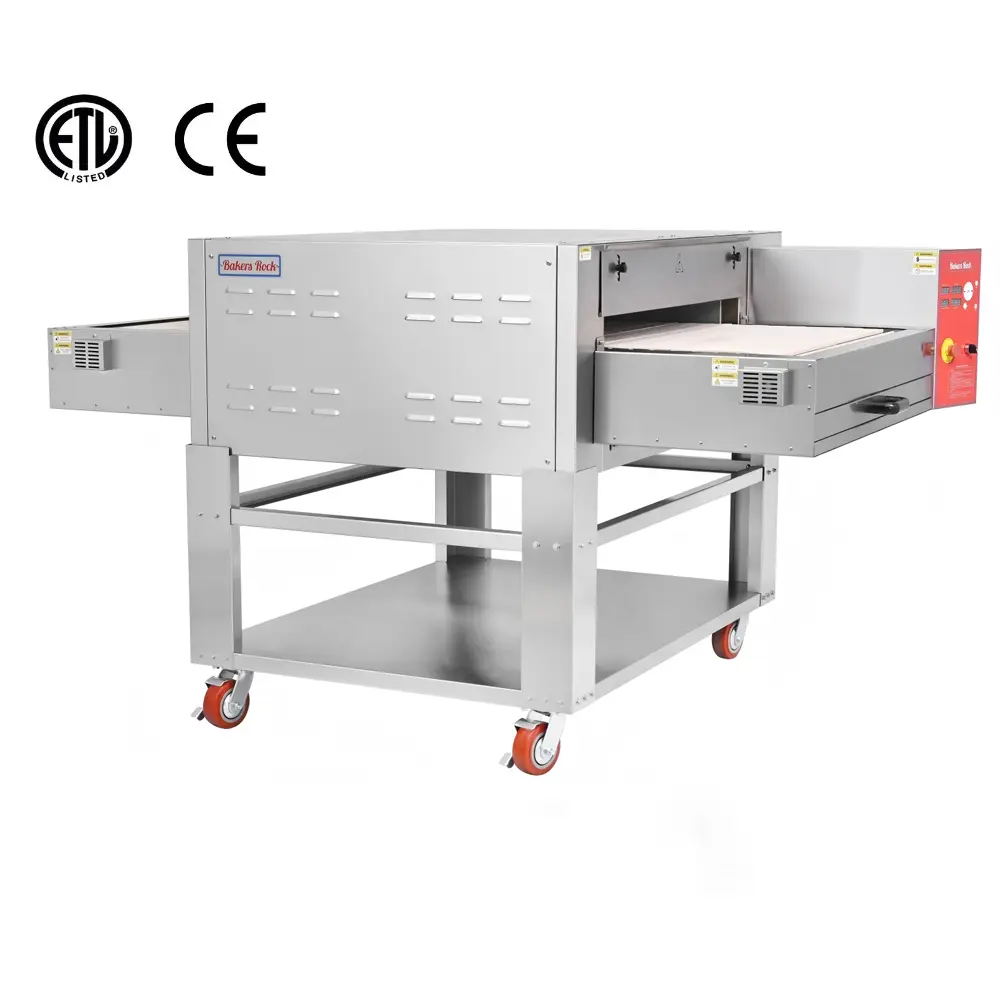
Untuk operasi yang membutuhkan pizza berukuran besar yang dimuat berdampingan, Oven konveyor berkapasitas tinggi 32 inci menyediakan area memanggang berukuran 32 x 40 inci dan dirancang untuk menampung dua pizza berukuran 15 inci di sepanjang lebarnya. Jumlah pizza aktual per jam masih bergantung pada waktu memanggang, ruang muat, dan kondisi produk.
Oven yang lebih besar belum tentu merupakan pembelian yang lebih baik. Kapasitas berlebih dapat meningkatkan kebutuhan instalasi dan menyebabkan peralatan kurang dimanfaatkan selama penggunaan normal. Sebaliknya, membeli berdasarkan volume rata-rata saat ini tanpa memperhitungkan pertumbuhan dapat memaksa penggantian lebih awal atau instalasi tambahan.
Klaim kapasitas harus mencantumkan diameter pizza, waktu pemanggangan, kondisi adonan, pola pemuatan, dan jumlah oven yang digunakan. Angka yang tidak mencantumkan kondisi-kondisi ini tidak dapat dibandingkan secara langsung.
Produsen oven pizza konveyor komersial yang berkualitas harus mampu mendiskusikan persyaratan aplikasi, memberikan spesifikasi yang relevan, menjelaskan kondisi pengujian, dan mengidentifikasi di mana perkiraan dapat bervariasi. Pembeli juga harus mengkonfirmasi tegangan, fasa, frekuensi, persyaratan gas atau LPG jika berlaku, ventilasi, dimensi produk, ketentuan garansi, dukungan suku cadang, dan dokumentasi pasar yang diperlukan.
Bakers Rock adalah merek luar negeri dari Shanghai QiangAn FoodService Equipment Co., Ltd. Rangkaian produk yang tersedia meliputi model kompor listrik ukuran besar dan kecil, oven konveyor gas/LPG, dan oven konveyor batu. Informasi perusahaan lebih lanjut tersedia melalui Tentang Bakers Rock.
Untuk rekomendasi yang akurat, RFQ (Request for Quotation/Permintaan Penawaran) harus mencakup:
Perhitungan kapasitas oven pizza konveyor yang andal menghubungkan kondisi menu dengan ukuran peralatan. Diameter pizza, waktu memanggang, tata letak sabuk konveyor, kondisi produk, dan alur kerja pada jam sibuk harus dipertimbangkan sebelum membandingkan model.
Bakers Rock dapat meninjau detail aplikasi ini terhadap konfigurasi yang tersedia. Pembeli dapat hubungi spesialis oven konveyor dengan menyertakan ukuran pizza, target produksi per jam, kondisi produk, informasi utilitas, ruang yang tersedia, dan pasar tujuan untuk meminta rekomendasi yang sesuai dengan kapasitas.
Pertanyaan 1: Berapa banyak pizza yang dapat dimasak oleh oven konveyor per jam?
A: Jawabannya bergantung pada diameter pizza, waktu pemanggangan, lebar sabuk konveyor yang dapat digunakan, pola pemuatan, dan jumlah oven yang ditumpuk. Hasil yang dipublikasikan harus diperiksa terhadap produk dan kondisi pengujian.
Pertanyaan 2: Bagaimana cara menghitung kapasitas oven pizza konveyor?
A: Kalikan jumlah pizza di setiap baris pemuatan dengan jumlah baris yang dapat melewati oven per jam. Kemudian kurangi hasil teoritis tersebut untuk memperhitungkan celah pemuatan dan penundaan alur kerja.
Q3: Apakah oven konveyor susun ganda dapat menggandakan hasil produksi pizza?
A: Kapasitas oven sebenarnya dapat mencapai dua kali lipat kapasitas teoritis ketika kedua unit beroperasi dalam kondisi yang sama. Namun, hasil aktual masih dapat dibatasi oleh utilitas, ventilasi, kecepatan persiapan, dan alur kerja pembongkaran.
Pertanyaan 4: Oven konveyor ukuran berapa yang dibutuhkan untuk memanggang 100 pizza per jam?
A: Diameter pizza dan waktu pemanggangan yang dibutuhkan harus diketahui terlebih dahulu. Target yang sama mungkin memerlukan oven tunggal yang lebar, konfigurasi bertumpuk, atau pengaturan lain tergantung pada tata letak pemuatan dan kondisi lokasi.
Q5: Mengapa hasil produksi pizza sebenarnya lebih rendah daripada kapasitas yang ditetapkan?
A: Penyebab umum meliputi waktu memanggang yang lebih lama di dunia nyata, produk yang dingin atau diberi topping tebal, celah pemuatan yang tidak teratur, kapasitas persiapan yang tidak mencukupi, dan proses pembongkaran yang lambat. Uji pemuatan berkelanjutan yang diukur waktunya dapat mengidentifikasi langkah yang membatasi.