
 EN
EN




In the fast-evolving landscape of the global pizza industry, where speed, standardization, and cost control are paramount to survival and growth, the conveyor oven has emerged as a transformative piece of equipment—far more than just baking equipment, it is the "efficiency engine" that powers modern pizzerias. Unlike traditional deck ovens or wood-fired ovens, which rely heavily on human expertise and operate in batch modes, conveyor ovens leverage automated, continuous baking technology to address the core pain points of modern pizzerias.
Core Advantages of Conveyor Ovens: Precision, Stability & Scalability
At the heart of the conveyor oven’s value proposition lies its ability to deliver consistent, high-quality results at scale— a critical requirement in an industry where customer loyalty hinges on repeatable taste and texture. Unlike traditional ovens, which are prone to temperature variations and hot spots, conveyor ovens are engineered with uniform heat distribution systems that ensure every pizza receives the exact same baking time, temperature, and heat exposure from top to bottom. This precision eliminates the variability associated with manual operation, where even skilled pizzaiolos may produce inconsistent results due to human error, fatigue, or slight adjustments in baking time. For instance, Bakers Rock’s compact 16-inch model produces 20 to over 150 pizzas per hour, while mid-to-large units exceed 300 pizzas per hour, boosting capacity by 30% within the same footprint—an achievement unattainable with traditional deck ovens. They also outperform conventional ovens in energy efficiency: enclosed designs minimize heat loss, and advanced models reduce energy consumption while maintaining baking performance, cutting operational costs and aligning with sustainability trends.
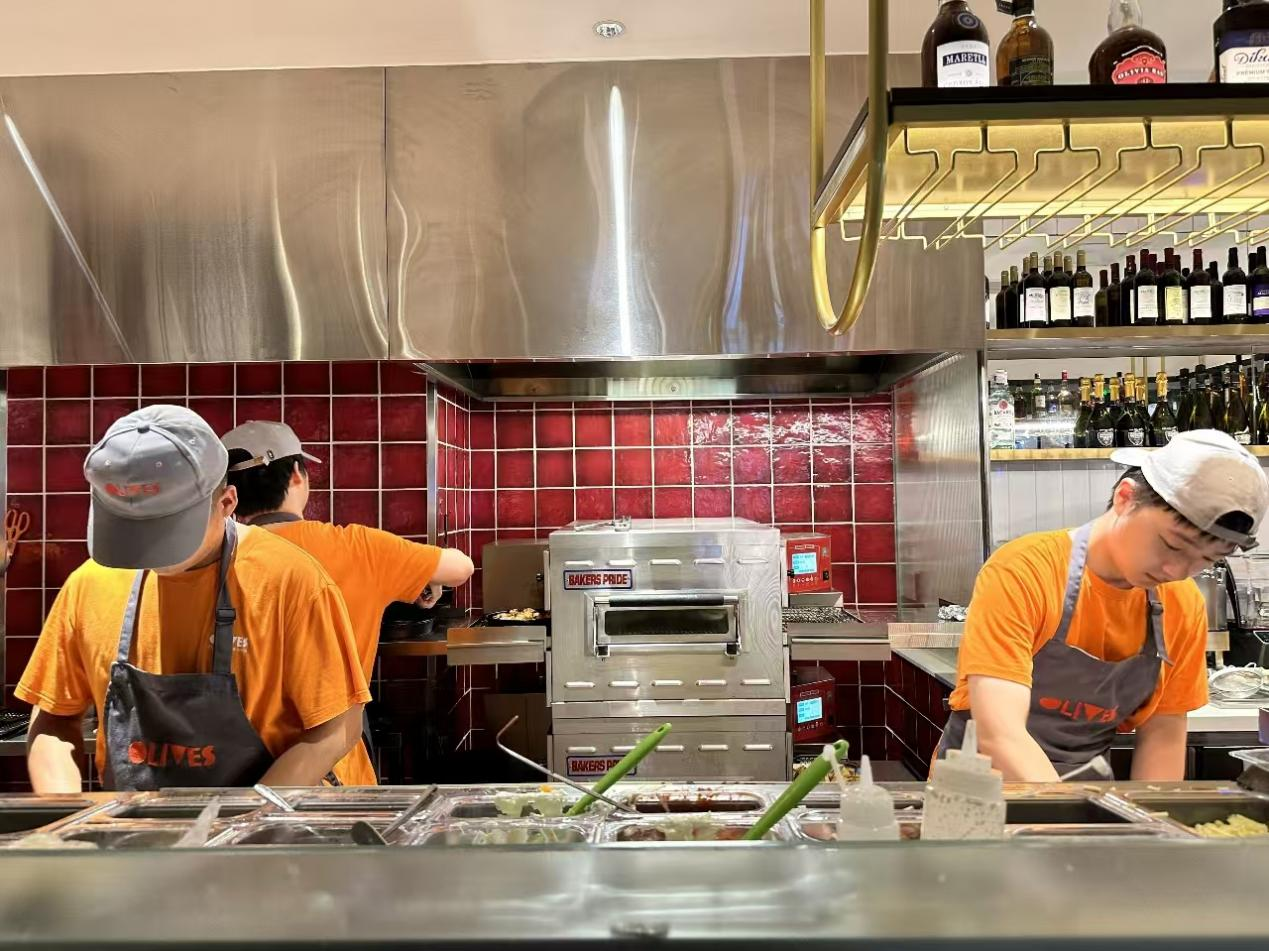
Efficiency Reimagined: How Conveyor Ovens Optimize Operations
Efficiency in modern pizzerias is measured by the ability to maximize output while minimizing waste, time, and resource consumption— and conveyor ovens excel in all these areas. They eliminate delays associated with batch baking: a single preheat suffices, and pizzas can be loaded continuously, increasing overall throughput. Their automated nature streamlines workflows: calibrated ovens only require staff to load and unload pizzas, reducing bake time per pizza to as little as 90 seconds, compared to 8–15 minutes for traditional batch ovens. Notably, they reduce food waste by ensuring consistent doneness, eliminating overcooked or undercooked pizzas common in manual operations. This not only cuts ingredient costs but also enhances customer satisfaction through reliably high-quality products.

Labor Savings: Addressing the Industry’s Biggest Pain Point
The global foodservice industry, including the pizza sector, is grappling with a persistent labor shortage and rising labor costs—2025 data indicates stagnant restaurant staffing levels, coupled with high turnover and recruitment challenges. Conveyor ovens alleviate this issue by reducing reliance on skilled labor and manual intervention. Traditional deck ovens require pizza makers to complete 40–60 hours of training; for example, the AVPN (Associazione Vera Pizza Napoletana) 60-hour certified training program costs approximately $3,460 per person. In contrast, conveyor ovens only require entry-level employees to complete 5 hours of training to work independently, drastically lowering labor expenses with no specialized skills required. This translates to tangible cost savings: according to a 2025 ”Hospitality Technology” survey, Westshore Pizza in Florida eliminated one full-time position after upgrading to conveyor ovens, saving $19,500 annually and reallocating staff to high-value tasks such as order management. Conveyor ovens also reduce workplace injuries such as burns by minimizing contact with hot surfaces, helping lower employee turnover.

Aligned with the Modern Pizza Market: Meeting Evolving Demands
Statistics show the world consumes approximately 5 billion pizzas annually, with a market size of $145 billion, projected to rise to $233 billion by 2030. Growth is driven by convenience, digitalization, premiumization, and scalability—all perfectly aligned with the capabilities of conveyor ovens. A Global Growth Insights report reveals that digital orders account for 58% of global pizza market sales, requiring efficient handling of fluctuating demand. Convenience-focused consumers, 73% of whom expect delivery within 30 minutes, benefit from accelerated order fulfillment, giving pizzerias a competitive edge. Pizza Hut, with over 19,000 stores worldwide, adopts conveyor ovens equipped with impingement forced-air technology to bake pizzas rapidly, enabling large-scale quick service. Digital integration (synchronization with order management systems) and support for premiumization (uniform baking and customizable crust profiles for artisanal toppings) further align with market trends. For chain brands, standardized settings ensure brand consistency across locations—critical as the industry shifts from scale competition to quality competition.
Conclusion Conveyor ovens represent a strategic investment that resolves the core challenges of modern pizzerias: efficiency, labor costs, consistency, and scalability. Their automated, science-backed design and market alignment establish them as a true “efficiency engine” for growth. As the industry continues to evolve amid digitalization, labor constraints, and shifting consumer preferences, conveyor ovens remain indispensable. For pizzeria owners, they are more than just equipment—they are a commitment to efficiency, quality, and long-term success in a dynamic marketplace.