Nullam dignissim, ante scelerisque the is euismod fermentum odio sem sempre das ist erat, ein feugiat leo urna eget eros. Duis Aenean ein unverschämtes Risiko.
Nullam dignissim, ante scelerisque the is euismod fermentum odio sem sempre das ist erat, ein feugiat leo urna eget eros. Duis Aenean ein unverschämtes Risiko.
 Autor
Autor
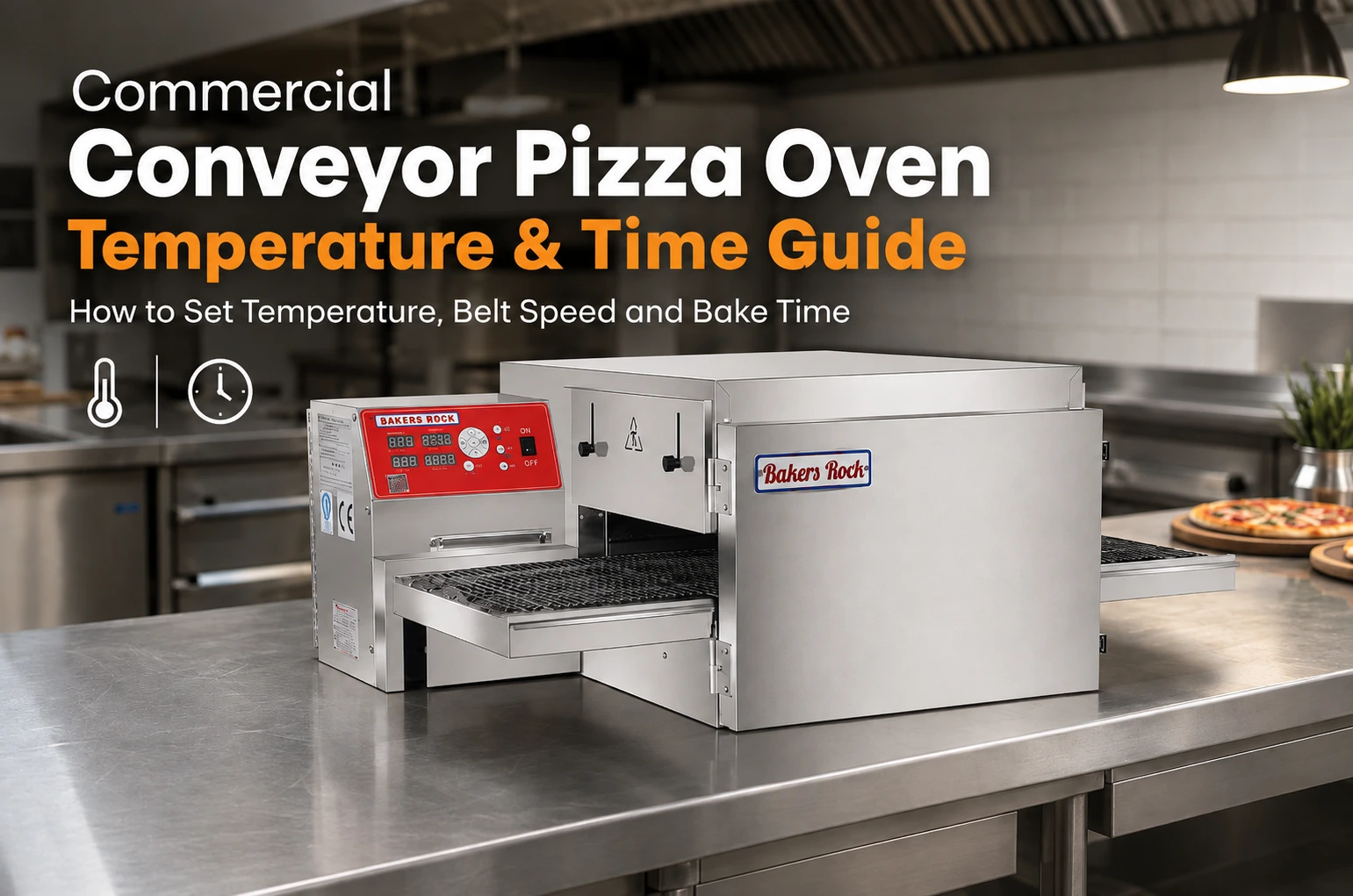
Es gibt keine universelle Temperatur und Garzeit für Förderbandpizzaöfen, die für jedes Restaurant, jedes Rezept und jeden Ofen gleichermaßen geeignet ist. Eine zuverlässige Einstellung ist ein individuelles Garprofil: eine kontrollierte Kombination aus Produktspezifikation, Temperatur, Förderbandlaufzeit, Beladungsmuster und gewünschtem Gargrad.
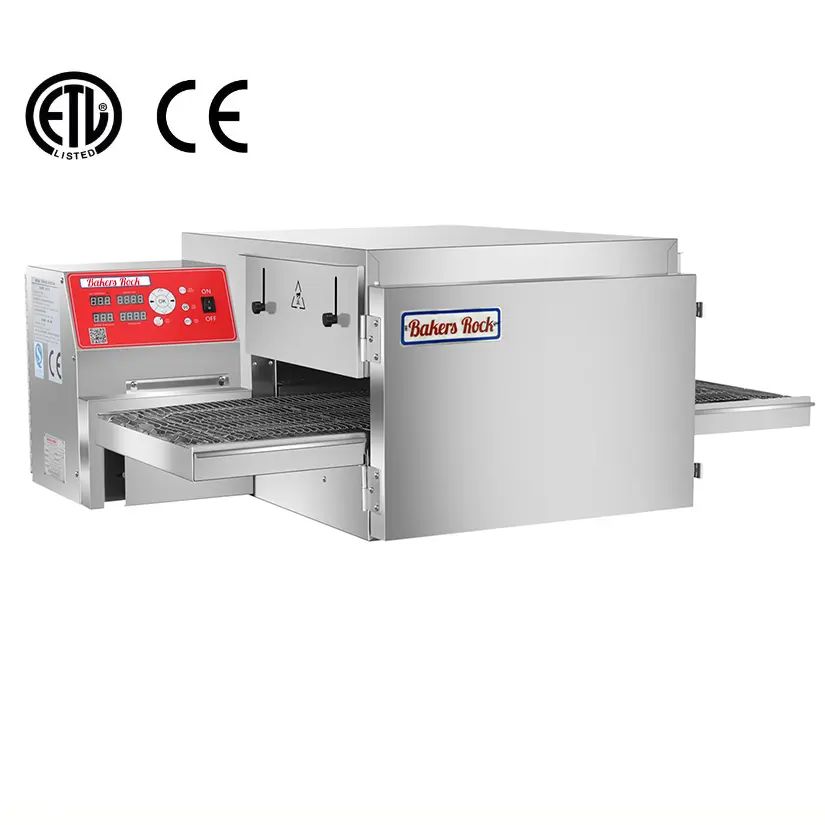
Für Großküchen stellt sich nicht einfach die Frage: „Welche Temperatur sollte ein Durchlaufpizzaofen haben?“ Vielmehr geht es darum, ein reproduzierbares Profil zu entwickeln, das auch bei hohem Gästeaufkommen funktioniert. Pizzadurchmesser, Teigdicke, Ausgangstemperatur, Belagmenge und der verfügbare Regelbereich des Ofens beeinflussen das Ergebnis. Der H1624Pro von Bakers Rock beispielsweise bietet eine einstellbare Vorheizzeit von 1,5 bis 15 Minuten, eine maximale Temperatur von 320 °C und eine unabhängige Temperaturregelung. Daher muss das nutzbare Profil immer noch auf das jeweilige Backprodukt abgestimmt werden.
Fangen wir mit der Pizza an, nicht mit einer Temperatur, die aus einer anderen Küche kopiert wurde.
Bevor Sie die Einstellungen eines gewerblichen Förderband-Pizzaofens ändern, definieren Sie das Produkt einheitlich: Pizzadurchmesser, Teiggewicht und -dicke, Ausgangszustand, Belagmenge, Verwendung einer Backform oder eines Siebs sowie die gewünschte Oberflächenbeschaffenheit von Boden und Oberseite. Eine frische Pizza mit dünnem Boden und eine gekühlte, reich belegte Pizza können selbst bei ähnlichem Durchmesser unterschiedliche Hitzeeinwirkungen erfordern.
Die erste Kombination aus Temperatur und Backzeit sollte daher als Ausgangswert für Tests und nicht als endgültiges Rezept betrachtet werden. Sobald der Ofen vollständig vorgeheizt ist, wird ein standardisiertes Produkt durch die Mitte des Förderbandes geführt, das Ergebnis notiert und anschließend jeweils eine Variable verändert. Mit dieser Methode lässt sich feststellen, ob eine Veränderung der Farbe, des Garzustands oder der Krustentextur auf die Temperatur, die Förderzeit oder Produktschwankungen zurückzuführen ist.
Die Temperatur steuert die thermischen Bedingungen im Backraum, während die Förderbandgeschwindigkeit die Dauer der Einwirkung dieser Bedingungen auf das Produkt regelt. Im praktischen Restaurantbetrieb hängen Bandgeschwindigkeit und Garzeit im Durchlaufofen daher eng zusammen: Eine Verlangsamung des Bandes verlängert die Förderzeit, während eine Beschleunigung die Zeit für den Wärmeaustausch verkürzt.
Wenn Bediener fragen, wie die Bandgeschwindigkeit eines Förderbandofens eingestellt werden soll, ist die tatsächliche Durchlaufzeit durch die Heizkammer der relevante Messwert. Je nach Gerätekonfiguration kann das Bedienfeld eine Zeiteinstellung, einen Geschwindigkeitswert oder ein anderes Format anzeigen. Der angezeigte Wert sollte daher mit den Produktspezifikationen abgeglichen und gegebenenfalls durch einen Zeittest verifiziert werden.
Dies ist wichtig beim Vergleich von Öfen oder beim Übertragen von Rezepten zwischen Standorten. Einstellungen von einem Modell lassen sich nicht automatisch auf ein anderes übertragen, da Garraumlänge, Wärmeleistung, Steuerungslogik und Produktbedingungen unterschiedlich sein können. Einkaufsteams sollten daher prüfen, wie die Förderbandzeit angezeigt und angepasst wird, bevor sie davon ausgehen, dass sich bestehende Standardarbeitsanweisungen eines Restaurants direkt auf neue Geräte übertragen lassen.
Höhere Temperaturen und längere Backzeiten können zwar den Garprozess beschleunigen, führen aber nicht zu identischen Ergebnissen.
Wenn die Außenseite einer Pizza bereits schnell bräunt, während der Kern noch roh ist, kann eine einfache Temperaturerhöhung das Problem verschlimmern. Durch Verlangsamen des Förderbandes verlängert sich die Backzeit, jedoch kann zu langes Verweilen den Boden oder den Belag austrocknen. Die richtige Einstellung hängt davon ab, wo genau die Pizza nicht gar wird und welche Produktvariable dafür verantwortlich ist.
Um Fehler gezielt zu beheben, sollten Sie Temperatur und Förderzeit nicht gleichzeitig ändern. Halten Sie eine Größe konstant, passen Sie die andere an und notieren Sie das Ergebnis. Diese einfache Vorgehensweise erleichtert die Diagnose und Reproduktion der Einstellungen von Durchlauföfen in der Industrie erheblich.
Ein sinnvolles Garprofil für einen Durchlaufofen sollte von einem anderen Mitarbeiter mit demselben Produkt und derselben Ausrüstung reproduzierbar sein.
Der Ofen kann unkontrollierte Produktabweichungen nicht ausgleichen. Vor dem Testen sollten Pizzadurchmesser, Teiggewicht, Teigbeschaffenheit, Belagmenge, Belagposition und Starttemperatur so konstant wie möglich gehalten werden.
Dies ist besonders wichtig, wenn ein Restaurant den Teiglieferanten wechselt, von gekühltem auf frische Zubereitung umstellt oder eine größere Pizza einführt. Wenn sich das Produkt gleichzeitig mit den Ofeneinstellungen ändert, lässt sich die Ursache des Ergebnisses nur schwer feststellen.
Ein Basisprofil sollte daher sowohl die Ofeneinstellungen als auch das zur Festlegung dieser Einstellungen verwendete Produkt erfassen. Diese Informationen sind später nützlich für Mitarbeiterschulungen, die Standardisierung an mehreren Standorten, Lieferantengespräche und die Fehlerbehebung.
Ein einfaches Testprotokoll kann die Solltemperatur, gegebenenfalls obere und untere Einstellungen, die tatsächliche Förderzeit, die Beladungsposition, die Farbe der Oberseite, die Farbe der Unterseite, den Zustand der Mitte und die endgültige Einstellungsentscheidung enthalten.
Bakers Rock hat ein produktspezifisches Beispiel mit dem H1624Pro veröffentlicht: einen Test für Pizza im italienischen Stil mit 250 g Teig, 63 % Hydratation, 48–72 Stunden Gärzeit, drei Minuten Backzeit und einer Ober-/Unterhitze von 320 °C bzw. 300 °C. Diese Werte sind nützlich als H1624Pro Italienischer Pizza-KochtestSie sollten jedoch nicht als universelle Einstellungen für Förderband-Pizzaöfen für andere Rezepte oder Modelle verwendet werden.
Der Wert eines dokumentierten Tests liegt in der Beziehung zwischen der Produktspezifikation und den resultierenden Einstellungen – nicht in der Temperaturzahl allein.
Wenn eine Pizza nicht richtig backt, sollte man das Muster erkennen, bevor man den Ofen wechselt.
| Backergebnis | Erste zu prüfende Faktoren | Vermeiden Sie Annahmen |
|---|---|---|
| Mitte nicht durchgegart | Produkttemperatur, Dicke, Förderzeit | Höhere Temperatur ist automatisch die Antwort |
| Die Oberseite bräunt zu schnell | Oberhitze, Belagmenge, Backzeit | Die Bandgeschwindigkeit allein verursachte es |
| Der untere Teil bleibt blass | Niedrigere Hitze, Backfläche, Belichtungszeit | Die Gesamttemperatur muss steigen |
| Die Pizza wird trocken | Übermäßige Hitzeeinwirkung, Rezeptbedingungen | Mehr Zeit ist unschädlich |
| Die Ergebnisse ändern sich während der Hauptverkehrszeit. | Beladungsrate, Abstand, Ofenkapazität | Das Ausgangsprofil ist zwangsläufig falsch. |
Ist der Kern noch nicht durchgebacken, prüfen Sie zunächst, ob das Produkt dicker, kälter oder stärker belegt ist als die Pizza, die zur Festlegung des Ausgangswerts verwendet wurde. Überprüfen Sie anschließend die tatsächliche Förderbandlaufzeit.
Die Frage „Soll ich die Temperatur erhöhen oder das Förderband verlangsamen?“ lässt sich ohne Beobachtung des gesamten Backvorgangs nicht zuverlässig beantworten. Sobald die äußere Bräunung fast den Zielwert erreicht hat, ist eine weitere Temperaturerhöhung möglicherweise nicht mehr angebracht. Eine kontrollierte Verlängerung der Backzeit kann zwar versuchsweise sinnvoll sein, die Produktspezifikationen sollten jedoch gleichzeitig überprüft werden.
Wenn identische Pizzen auch nach kontrollierten Tests noch Unterschiede aufweisen, liegt das Problem möglicherweise nicht mehr an der Rezeptur.
Unterschiedliche Ergebnisse im oberen und unteren Bereich erfordern eine präzisere Diagnose als die einfache Änderung der Gesamtofentemperatur. Sofern die Anlage eine unabhängige Steuerung der Ober- und Unterhitze ermöglicht, können Anpassungen getestet werden, während Produktspezifikation und Förderbandzeit konstant bleiben.
Der H1624Pro Förderband-Pizzaofen Das Gerät verfügt über ein Dual-Temp-System, eine maximale Temperatur von 320 °C und eine einstellbare Heizzeit von 1,5 bis 15 Minuten. Diese Funktionen bieten nützliche Steuerungsmöglichkeiten, das optimale Temperaturprofil hängt jedoch weiterhin von der Pizza und dem gewünschten Finish ab.
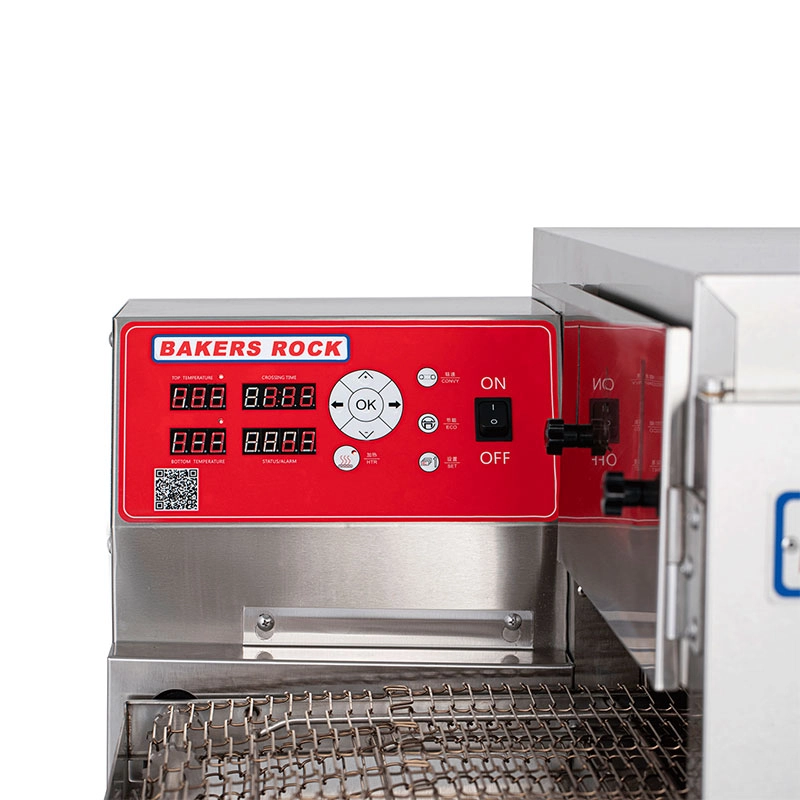
Eine feste, von links nach rechts verlaufende Kältezone oder wiederholte Chargenabweichungen können jedoch eher auf Probleme mit der Luftströmung, dem Förderband, der Sensorik oder der Heizung als auf eine normale Rezeptanpassung hinweisen.
Frische, gekühlte und gefrorene Produkte sollten nicht automatisch die gleiche Temperatur und Garzeit im Förderband-Pizzaofen haben.
Die Ausgangstemperatur beeinflusst die Wärmemenge, die das Produkt aufnehmen muss. Teigdicke, Feuchtigkeitsgehalt, Backform oder Sieb sowie die Belagmenge können ebenfalls Einfluss darauf haben, wie schnell Boden, Mitte und Belag die gewünschte Konsistenz erreichen. Eine Einstellung, die für eine leicht belegte, frische Pizza funktioniert, kann daher bei einem gekühlten oder stark belegten Produkt anders ausfallen.
Bei Änderungen der Zutatenlieferanten, Teigverarbeitungsprozesse, Pizzagrößen oder des Produktzustands sollte ein neuer kontrollierter Test durchgeführt werden, anstatt davon auszugehen, dass das bestehende Backprofil weiterhin gültig ist. Aus diesem Grund sollte die Frage „Welche Einstellung ist für einen Durchlaufofen optimal für Pizza mit frischem Teig?“ mit einer Testmethode und nicht mit einer allgemeingültigen Zahl beantwortet werden.
Ein Profil, das für eine Pizza funktioniert, muss auch unter den Bedingungen getestet werden, die im kommerziellen Bereich relevant sind.
Restaurants sollten wiederholte Beladungstests durchführen, nachdem das Basisprofil ermittelt wurde. Vergleichen Sie die erste Pizza mit später in einer kontinuierlichen Abfolge gebackenen Produkten und achten Sie darauf, Pizzaspezifikation, Bandposition und Beladungsmuster so konstant wie möglich zu halten.
Ändern sich die Ergebnisse nur in Spitzenzeiten, sollten Sie die Beladungsdichte, den Abstand zwischen den Ofenteilen, die Produktvielfalt und die Leistungsfähigkeit der Anlage für die erforderliche Spitzenleistung überprüfen. Die Richtlinien von Bakers Rock zur Vermeidung ungleichmäßiger Garprozesse weisen ausdrücklich darauf hin, dass Schwankungen der Spitzenlast ein Grund sind, die Nachfrage mit der Ofenkapazität zu vergleichen, anstatt dies sofort durch Anpassung der Temperatur oder der Bandgeschwindigkeit auszugleichen.
Dies unterscheidet ein echtes Problem des Kochprofils von einem Kapazitäts- oder Geräteleistungsproblem.
Sobald ein Profil unter realistischer Betriebslast funktioniert, dokumentieren Sie es als Standardarbeitsanweisung (SOP). Erfassen Sie die genehmigte Produktspezifikation, die Temperatureinstellungen, die Förderzeit, das Beladungsmuster, die visuelle Oberflächenbeschaffenheit und welche Anpassungen die Mitarbeiter vornehmen dürfen.
Dies ist besonders wertvoll für Restaurantketten und Betriebe mit hoher Personalfluktuation. Ein schriftliches Profil verringert die Wahrscheinlichkeit, dass verschiedene Mitarbeiter normale Produktschwankungen durch wiederholtes Austauschen des Ofens ausgleichen. Es dient außerdem Einkaufs- und Technikteams als Referenz beim Vergleich programmierbarer Förderband-Pizzaöfen oder bei der Bewertung von Ersatzgeräten.
Die Rezepturänderung sollte eingestellt werden, sobald die Symptome auf einen Geräte- oder Prozessfehler hindeuten.
Warnzeichen sind unter anderem ein dauerhaft heißer oder kalter Bereich, unterschiedliche Ergebnisse bei identischen Testprodukten, instabile Förderbandlaufzeiten oder eine Heizzone, die nicht wie erwartet reagiert. Laut der Fehlerbehebungsanleitung von Bakers Rock kann ungleichmäßiges Backen durch Luftstrom, Förderbandbewegung, Wärmeregelung, Produktbeladung oder Betriebseinstellungen verursacht werden. Daher wird empfohlen, die tatsächliche Förderbandlaufzeit zu messen und kontrollierte Links-Mitte-Rechts-Tests durchzuführen, bevor weitere Diagnoseverfahren eingeleitet werden.
Wenn kontrollierte Einstellungsänderungen das Muster nicht korrigieren, verwenden Sie ein spezielles Leitfaden zur Fehlerbehebung bei ungleichmäßigem Garen in Förderband-Pizzaöfen Anstatt die Temperatur weiter zu erhöhen oder den Riemen zu verlangsamen, sollten Sie Folgendes beachten: Anhaltende elektrische, thermische, luftstrombezogene oder mechanische Probleme können eine qualifizierte Reparatur erforderlich machen.
Für Käufer, die gewerbliche Geräte ersetzen oder neu spezifizieren, reicht der Temperaturbereich allein nicht aus. Prüfen Sie, ob der nutzbare Garzeitbereich, die Temperaturregelung, die Displayauflösung und die vorhandene Ober-/Untersteuerung des Ofens den tatsächlichen Produkten des Restaurants entsprechen.
Prüfen Sie außerdem, wie die Bandlaufzeit eingestellt wird, ob die Mitarbeiter die genehmigten Einstellungen reproduzieren können und ob die Anlagen das erforderliche Ergebnis im Dauerbetrieb gewährleisten. Die Funktionen sollten modellweise überprüft und nicht pauschal für die gesamte Produktfamilie vorausgesetzt werden.
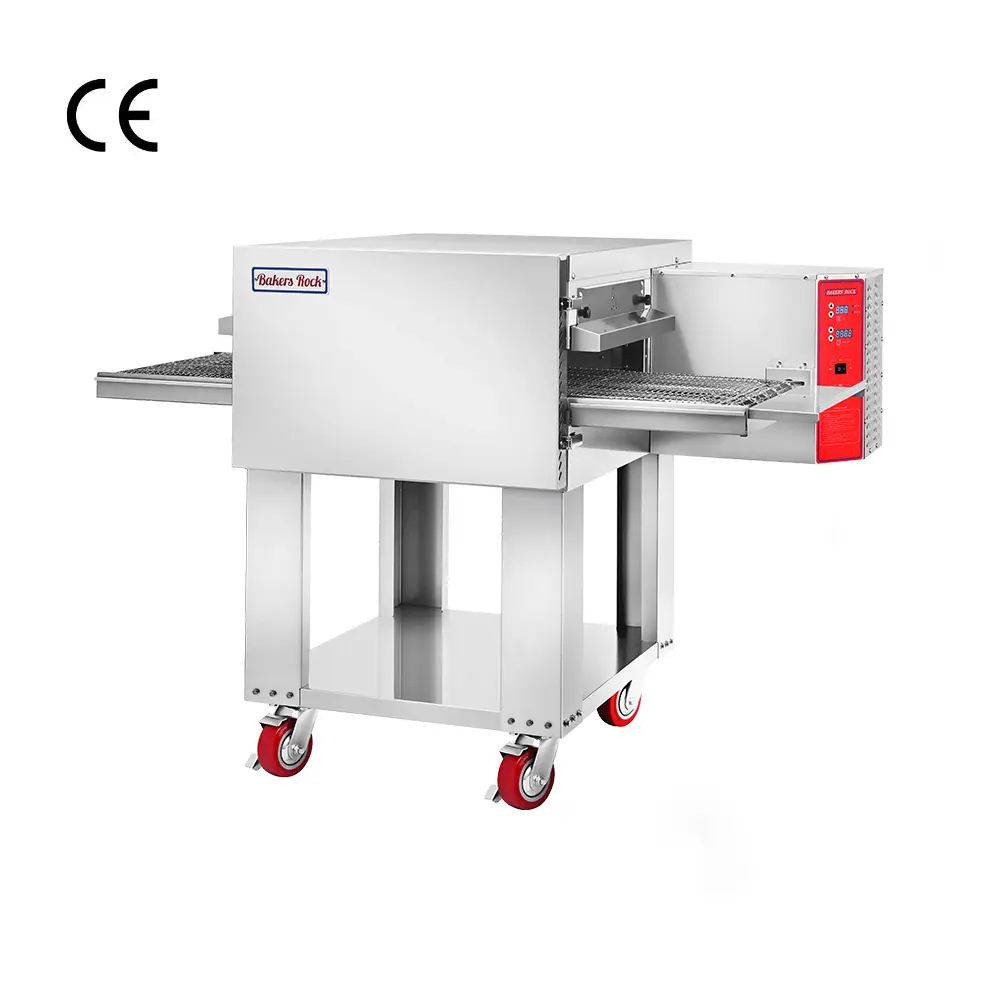
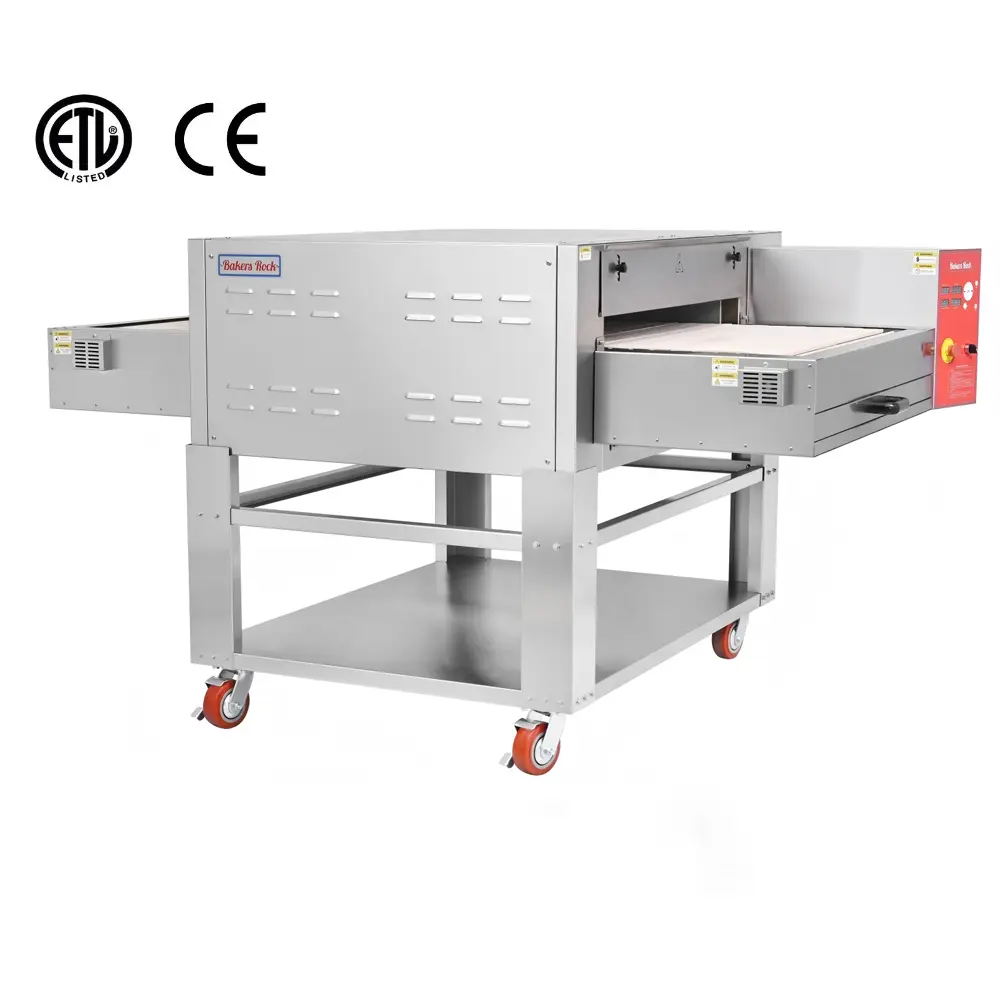
Bakers Rock veröffentlicht verschiedene Konfigurationen von Förderbändern für den gewerblichen Bereich, die von Käufern geprüft werden. Bakers Rock kommerzielle Förderband-Pizzaöfen Sie können die Regelbereiche und Modellspezifikationen mit den vorgesehenen Garprofilen vergleichen. Der H1624Pro beispielsweise bietet einen einstellbaren Zeitbereich von 1,5 bis 15 Minuten und eine unabhängige Temperaturregelung.
Eine Lieferantenbewertung sollte die Steuerung der Geräte mit der eigentlichen Pizza in Verbindung bringen.
Bitte geben Sie den Pizzadurchmesser, das Teiggewicht bzw. die Teigdicke, den Zustand (frisch/gekühlt/gefroren), die gewünschte Belagmenge, die gewünschte Krustenkonsistenz, die geplante Backzeit und den maximalen Produktionsbedarf an. Falls Sie einen vorhandenen Ofen ersetzen, geben Sie bitte das aktuelle Modell und das spezifische Betriebsproblem an.
Bei der Auswertung eines Produkttests sollten Sie nach dem genauen Ofenmodell, den Temperatureinstellungen, der Förderbandzeit, dem Beladungsmuster, dem Ausgangszustand des Produkts und der Wiederholung des Ergebnisses fragen. Diese Angaben sind aussagekräftiger als die allgemeine Behauptung, der Ofen könne Pizza in einer bestimmten Zeit backen.
In den Gesprächen mit dem Lieferanten sollten auch die elektrische Konfiguration, die verfügbaren Steuerungsfunktionen, die Installationsanforderungen und die genaue Spezifikation des angebotenen Modells bestätigt werden.
Zuverlässige Einstellungen für kommerzielle Förderbandpizzaöfen entstehen durch einen kontrollierten Prozess: Standardisierung des Produkts, Festlegung einer Ausgangsbasis, Änderung jeweils einer Variablen und Validierung des Ergebnisses unter realistischer Produktionslast.
Bei der Auswahl oder dem Austausch von Anlagen gilt dieselbe Logik. Der erforderliche Temperaturbereich, die Förderbandzeitsteuerung, die Pizzaspezifikation, die Zielausbringungsmenge und die Betriebsbedingungen müssen definiert werden, bevor ein Modell freigegeben wird.
Käufer können Kontaktieren Sie Bakers Rock mit Pizzaabmessungen, Teigbeschaffenheit, angestrebtem Finish, erforderlicher Backzeit, Spitzenbedarf, verfügbaren Versorgungseinrichtungen und aktuellen Betriebsproblemen für eine anwendungsspezifische Gerätediskussion.
Es gibt keine allgemeingültige, optimale Temperatur für jeden Durchlaufofen oder jede Pizza. Die Einstellung sollte individuell an das Ofenmodell, den Pizzadurchmesser, die Teigbeschaffenheit, die Belagmenge, die Förderzeit und das gewünschte Ergebnis angepasst werden.
Die erforderliche Garzeit im Durchlaufofen hängt von den Produkt- und Anlagenbedingungen ab. Ermitteln Sie die Zeit zusammen mit der Temperatur, anstatt die Backzeit als isolierte Größe zu betrachten.
Durch Verlangsamen des Förderbandes verlängert sich in der Regel die Verweildauer des Produkts im Backraum. Dies kann ein noch nicht vollständig durchgegartes Produkt verbessern, jedoch kann eine zu lange Verweildauer auch zu Trockenheit oder Übergarung führen. Daher sollten Änderungen systematisch getestet werden.
Zuerst muss festgestellt werden, ob die Mitte, die Oberseite oder die Unterseite des Produkts nicht durchgegart ist, und dessen Zustand überprüft werden. Während des Testens der anderen Einstellung sollte eine Einstellung konstant gehalten werden. Eine gleichzeitige Änderung von Temperatur und Bandgeschwindigkeit erschwert die Diagnose.
Die Ursache kann in der Beladungsdichte, Produktabweichungen, Abständen, Wärmerückgewinnung, Kapazität oder dem Zustand der Ausrüstung liegen. Backen Sie standardisierte Pizzen unter wiederholter Beladung und vergleichen Sie das Ergebnis mit dem Referenzwert für ein einzelnes Produkt, bevor Sie das Backprofil ändern.