Nullam dignissim, ante scelerisque the is euismod fermentum odio sem semper the is erat, a feugiat leo urna eget eros. Duis Aenean a imperdiet risus.
Nullam dignissim, ante scelerisque the is euismod fermentum odio sem semper the is erat, a feugiat leo urna eget eros. Duis Aenean a imperdiet risus.
 author
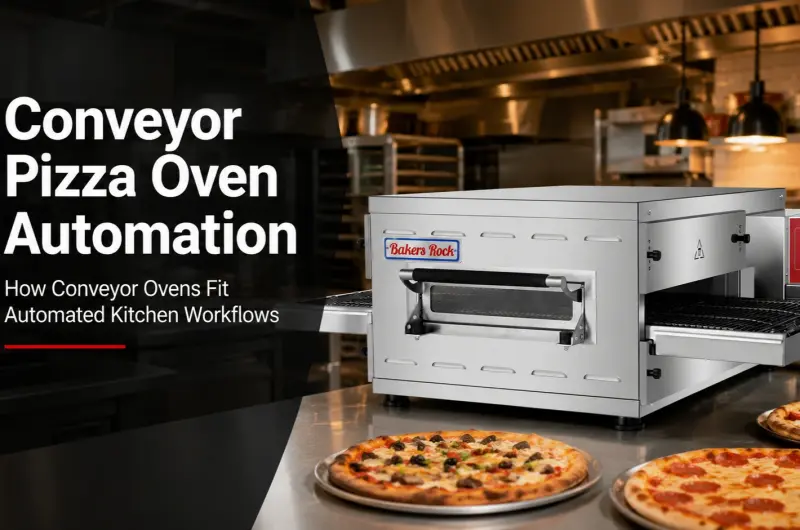
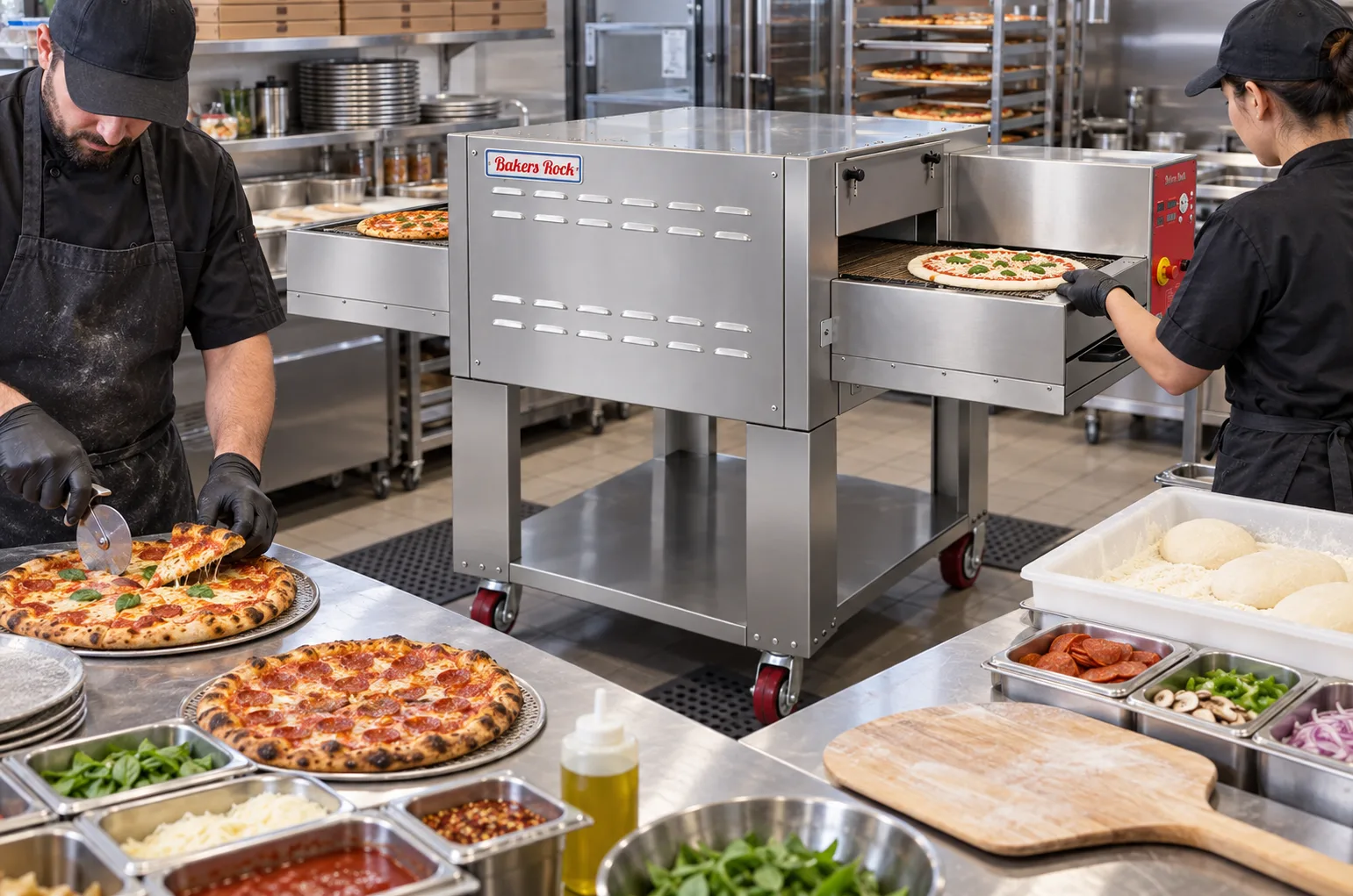
A conveyor pizza oven automation plan usually starts when a restaurant’s baking station becomes the slowest point in the kitchen. Orders move from POS or counter service to prep, but pizzas wait for oven space, staff must watch baking progress, and product quality changes from one shift to another. For high-volume restaurants, pizza chains, delivery kitchens, cafés, cafeterias, and food courts, the goal is not a fully robotic kitchen. The practical goal is a repeatable automated kitchen workflow where baking time, belt speed, loading, unloading, and staff movement are easier to control.
In a pizza restaurant, automated kitchen workflow does not have to mean robot arms, AI cooking systems, or direct POS-to-oven control. In many B2B foodservice projects, automation means removing unnecessary manual decisions from repeated steps. A conveyor oven does this by moving food through the baking chamber at a controlled speed while the operator follows preset time and temperature procedures.
This matters for restaurants with high staff turnover, multiple menu items, or several branches that need similar output standards. Instead of relying only on an experienced chef’s judgment, the kitchen can build a more stable process around loading position, baking time, belt speed, and product removal.
Baking becomes a bottleneck when prep staff can assemble pizzas faster than the oven can finish them. This often happens during lunch, dinner, delivery rushes, buffet service, or chain-store promotion periods. Common symptoms include long ticket times, inconsistent crust color, repeated oven checking, and staff congestion around the baking area.
A commercial conveyor pizza oven helps when the kitchen needs continuous baking rather than batch-by-batch control. The value depends on the application, pizza size, belt width, operating temperature, bake time, and kitchen layout, so buyers should verify each model against the actual workflow.
The main automation value of a conveyor oven is continuous belt movement. Products enter from one side, pass through the heated chamber, and exit at a predictable point. This reduces the need to open the oven, rotate products, or judge every pizza manually.
For a high-volume restaurant oven, this can help staff focus on prep, cutting, boxing, and delivery coordination instead of constantly monitoring the bake. The workflow is especially useful for delivery kitchens, pizza chains, and fast casual restaurants where speed and repeatability are more important than manual oven handling.
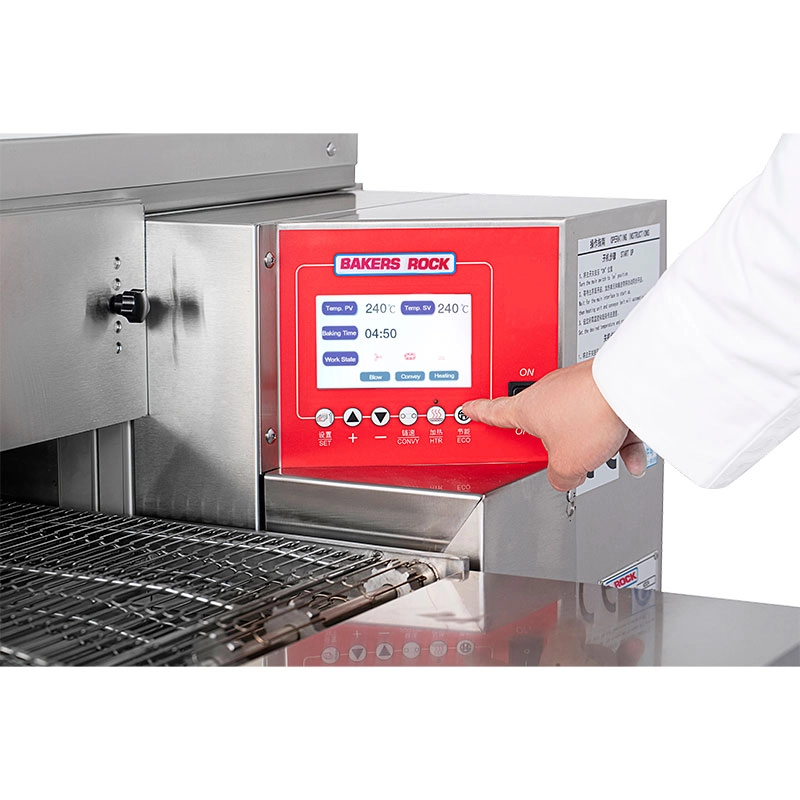
A programmable conveyor pizza oven can support repeatable output when time and temperature settings are matched to the menu. Pizza, snacks, steak, baked rice, noodles, desserts, and similar products may require different settings, and the correct values should be verified through product testing.
For B2B buyers, this is a key purchasing point. The oven should not only heat food; it should help the kitchen create standard procedures. Belt speed range, temperature range, top and bottom heat control, inlet height, and available preset functions should be checked against the product specification.
Digital control conveyor oven systems can reduce the training burden by turning repeated baking work into a clearer operating process. Staff still need training, but they do not need to make as many judgment calls during every order.
This is useful for multi-store operators. If every branch follows the same loading method and approved setting, product consistency becomes easier to manage. The result is not “no training needed,” but a shorter path from new employee to reliable production.
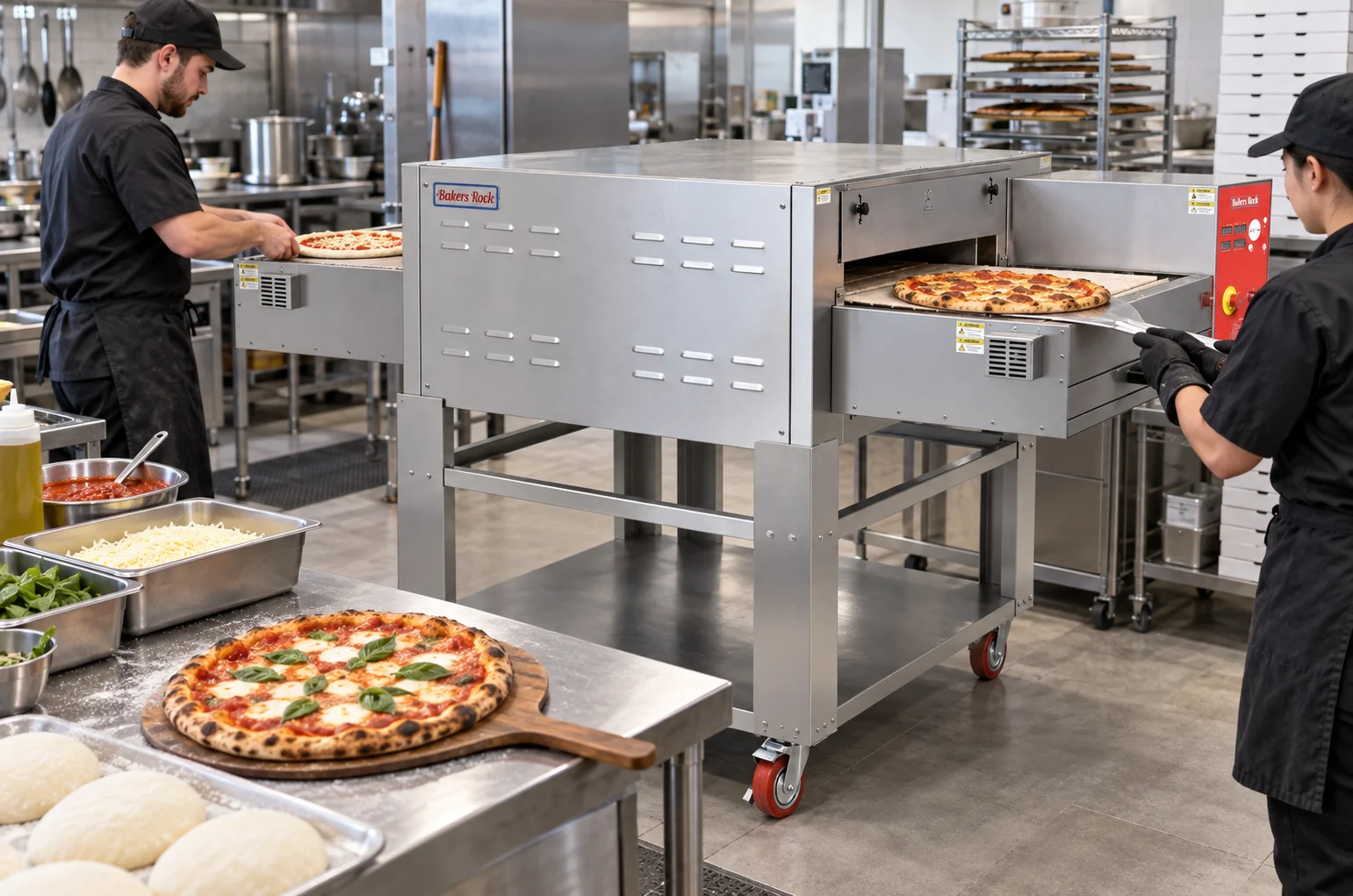
The oven should be placed where prepared pizzas can move smoothly from dough and topping stations to the conveyor belt. If the loading side is blocked, too far from prep, or shared with too many other tasks, the oven’s automation value drops.
Buyers should review staff position, table height, pizza tray use, loading direction, and available clearance before selecting equipment. A compact layout may benefit from countertop equipment, while a larger restaurant may need a wider belt or stackable configuration.
A conveyor oven should also support the exit workflow. Finished pizzas need a clear path to cutting, boxing, holding, pickup, or delivery dispatch. If staff must cross the kitchen to remove products, the workflow may create a new bottleneck after baking.
For delivery kitchens and chain restaurants, this exit-side planning is often as important as oven capacity. Good workflow design reduces waiting time after baking and helps orders move out faster during peak periods.
Peak-hour throughput depends on more than oven size. Loading distance, unloading access, staff movement, ventilation, cleaning access, and service clearance all affect real output. A larger oven may not improve service if it blocks traffic or creates a difficult cleaning route.
Pizza chains benefit from automated pizza kitchen workflow because each store needs similar procedures. A conveyor oven can help standardize bake time, temperature settings, and product flow across locations.
Delivery kitchens and fast casual restaurants often deal with short order windows and repeated menu items. Conveyor oven automation helps reduce manual baking variation and keeps the oven station moving during rush periods.
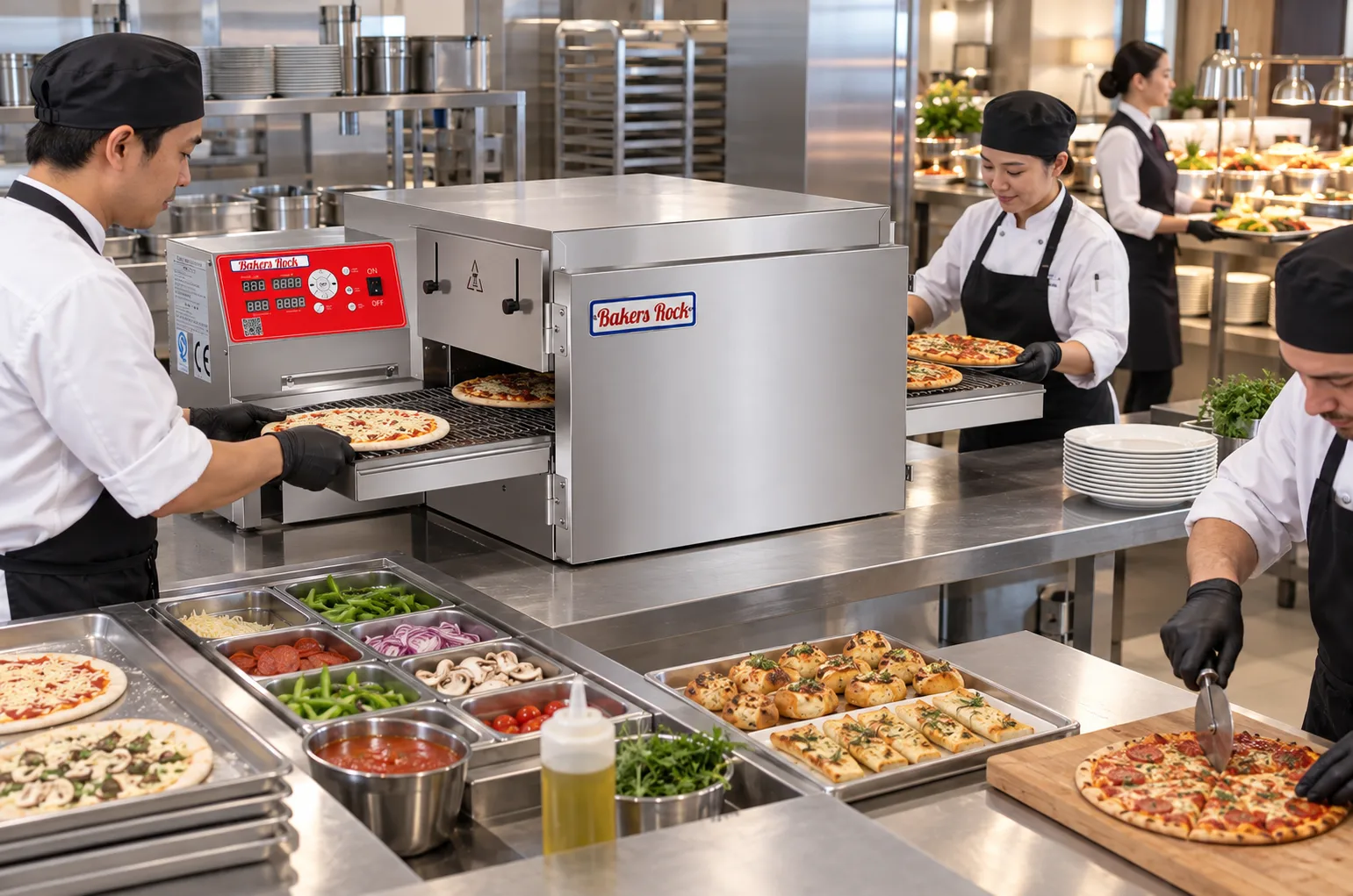
Cafés, food courts, cafeterias, and western restaurants may use conveyor ovens to add pizza or baked snacks without hiring specialized pizza chefs. The equipment direction should be selected according to menu type, available space, and expected order volume.
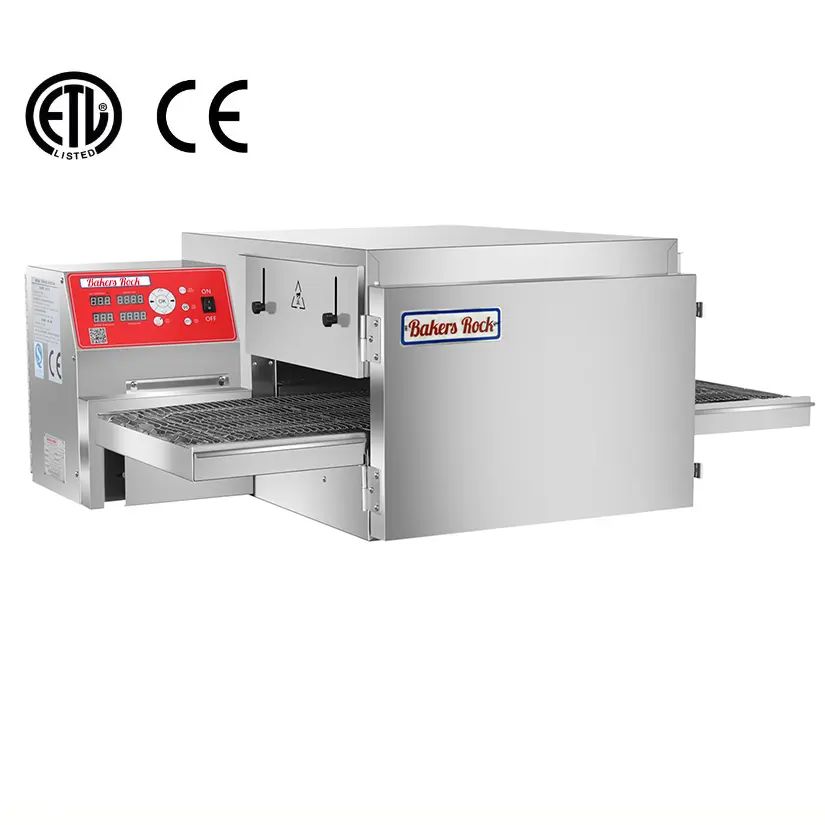
Belt speed and baking time control determine how long food stays in the chamber. Buyers should compare the adjustable range with their pizza style, product thickness, and target serving time.
Programmable or digital controls support repeatable operation. For restaurants with several products, preset settings may help staff switch between menu items with less confusion.
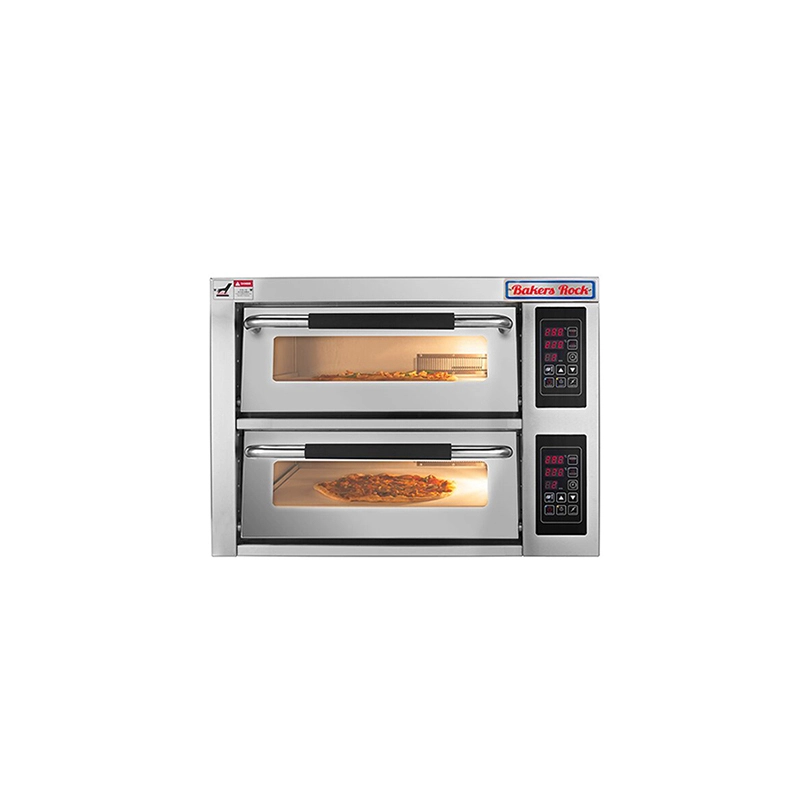
Stackable conveyor pizza oven designs can increase output without using much more floor space. This is useful for high-volume stores, but installation conditions, ventilation, service access, and staff loading height should be checked first.
Energy use matters because commercial ovens often run for long daily periods. ECO mode, insulation, and correct oven sizing can help manage operating cost, but actual results may vary by operating hours, local energy price, and usage pattern.
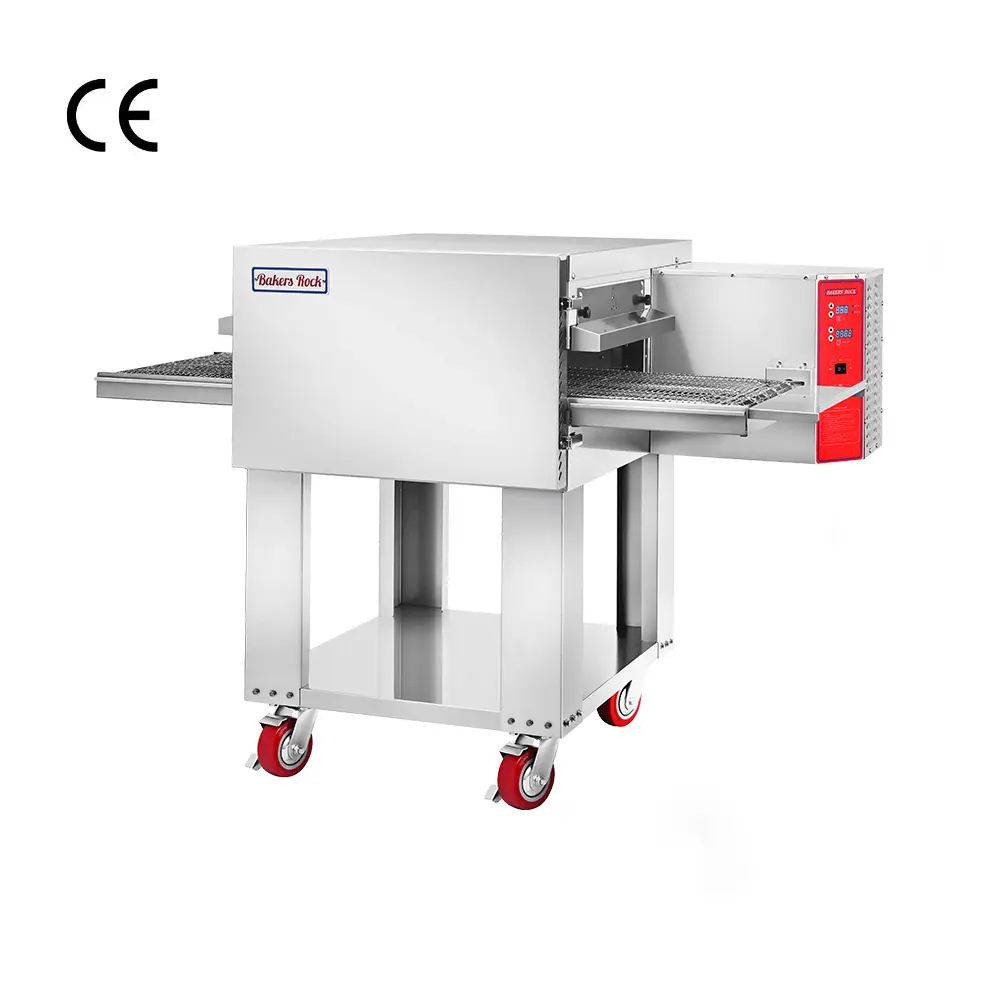
Electric impingement conveyor ovens are often considered for indoor restaurants, malls, cafés, food courts, and compact kitchens where electric installation is more practical than gas. Buyers should verify voltage, phase, power, belt size, and kitchen capacity before ordering.
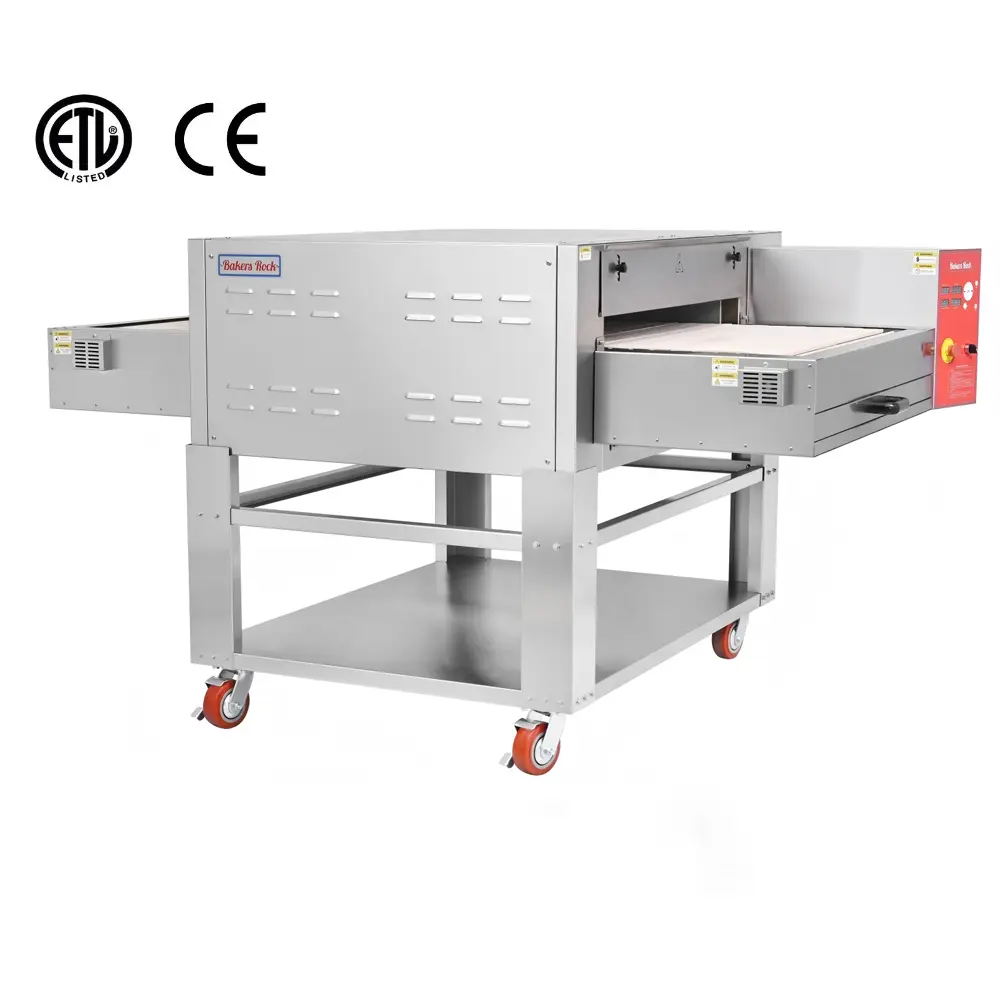
Gas impingement conveyor ovens may fit kitchens with natural gas or LPG supply, longer operating hours, and high output requirements. Fuel type, gas pressure, ventilation, and local installation rules should be confirmed before selection.
Stone conveyor ovens can support continuous baking while giving more attention to crust texture. They may be suitable for pizza chains, western restaurants, pizza factories, or baking plants where product testing confirms the desired result.
A larger chamber does not automatically solve workflow problems. Buyers should start with pizza size, target pizzas per hour, bake time, menu mix, and staff movement.
A conveyor oven should be selected with the full station in mind. Prep, loading, baking, cutting, boxing, and delivery handoff all affect the final result.
Automation reduces manual judgment, but staff still need training on loading pattern, approved settings, cleaning, safety, and basic daily checks.
Ventilation, clearance, belt cleaning, crumb removal, spare parts access, and after-sales support should be reviewed before purchase. These details affect long-term reliability and maintenance efficiency.
Before requesting a conveyor pizza oven quote, buyers should prepare pizza diameter, peak-hour output target, bake time, and menu mix.
Fuel type, voltage, phase, ventilation, floor space, and clearance should be confirmed early to avoid selecting equipment that cannot fit the site.
Pizza style, snacks, sandwiches, baked rice, desserts, and other products should be tested where necessary. Settings may vary by food size, moisture, topping load, and production goal.
B2B buyers should review supplier experience, product documentation, spare parts support, warranty policy, and communication process. Bakers Rock commercial conveyor pizza ovens are supplied by Shanghai QiangAn FoodService Equipment Co., Ltd., which focuses on commercial conveyor pizza oven solutions for restaurants, pizza chains, cafeterias, cafés, distributors, and food production operators. Buyers who need company background can review the Bakers Rock manufacturing background before making a purchasing decision.
Conveyor pizza oven automation is most useful when it is treated as part of the full kitchen workflow, not as a standalone machine purchase. The right oven should match peak-hour output, menu type, fuel condition, layout, staff skill level, cleaning access, and long-term service needs.
For project selection, buyers can prepare pizza size, target output, fuel or voltage condition, available space, menu details, destination market, and expected quantity, then contact Bakers Rock for oven selection to discuss a suitable equipment direction.
Conveyor ovens automate the baking step by using controlled belt movement, baking time, and temperature settings. Staff still load and unload products, but the baking process becomes more repeatable and less dependent on constant manual checking.
They can reduce labor pressure by lowering the need for manual oven monitoring, rotating, and repeated judgment calls. The actual labor impact depends on kitchen layout, menu complexity, training, and order volume.
Direct POS or KDS connection depends on the specific oven model and system interface, and it should be verified against the product specification. In many restaurants, conveyor ovens support automation through workflow standardization rather than direct software integration.
The right type depends on fuel access, kitchen space, menu, pizza size, output target, and crust requirements. Electric, gas, and stone conveyor ovens each fit different operating conditions.
Buyers should provide pizza diameter, peak pizzas per hour, menu type, preferred fuel, voltage or gas condition, available space, ventilation conditions, destination country, target quantity, and any special installation requirements.