Nullam dignissim, ante scelerisque the is euismod fermentum odio sem semper the is erat, a feugiat leo urna eget eros. Duis Aenean a imperdiet risus.
Nullam dignissim, ante scelerisque the is euismod fermentum odio sem semper the is erat, a feugiat leo urna eget eros. Duis Aenean a imperdiet risus.
 author
For chain operators, choosing a cost-effective commercial conveyor pizza oven for restaurant chains is rarely a simple equipment purchase. It affects store opening budgets, staff training, peak-hour output, menu consistency, and long-term service planning. A single restaurant can sometimes rely on one skilled oven operator. A growing restaurant group cannot. Multi-location restaurants need equipment that can repeat the same baking result across different stores, different shifts, and different levels of kitchen experience.
In real foodservice operations, the wrong oven does not only create a baking problem. It creates slow ticket times, inconsistent crust color, extra waste, customer complaints, and more pressure on store managers. That is why buyers comparing a conveyor pizza oven for restaurants often look beyond the first quote. The better decision is based on output, repeatability, utility conditions, service support, and how easily the same oven setup can be copied into future locations.
A low purchase price may look attractive during expansion, especially when a group is fitting out several stores at once. The issue is that restaurant chain equipment is multiplied by location count. A weak temperature recovery issue in one store becomes the same issue in every new branch. A hard-to-clean belt, unclear control panel, or slow parts response becomes a training and service problem across the system.
A pizza oven for restaurant chains must fit the way chain kitchens actually run. Staff changes happen often. Rush periods are short and intense. New stores may open in malls, street locations, delivery hubs, or mixed-use kitchens. The oven must support lower labor pressure, standard recipes, clear operating steps, and predictable production. A cost-effective choice is not the cheapest unit available; it is the oven that keeps stores running with fewer surprises.
Consistency is the main reason many chains move toward a commercial conveyor pizza oven. When temperature, belt speed, and baking time are set correctly, each product follows the same path through the chamber. This reduces the amount of judgment required from individual staff members, which matters when one store has an experienced team and another is still training new hires.
For chain menus, small differences become visible quickly. A crust that is pale in one branch and overbaked in another weakens brand trust. Standardized pizza baking helps protect the menu from those differences. Hot air impingement technology can support even heat transfer for common commercial items, while a controlled belt speed helps keep bake time repeatable during lunch, dinner, and delivery peaks.
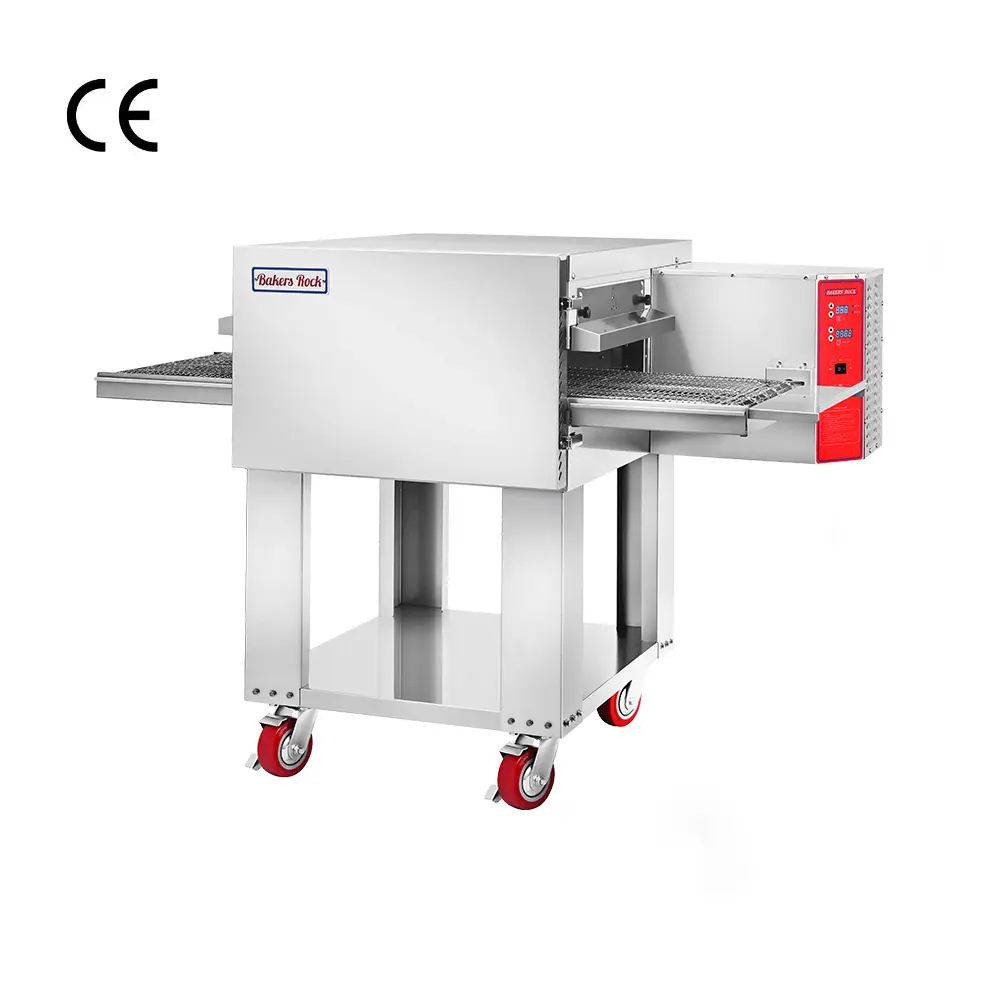
SHANGHAI QIANGAN FOODSERVICE EQUIPMENT CO.,LTD, through the Bakers Rock brand, has built its overseas product range around commercial conveyor oven solutions. The company’s electric impingement ovens and gas impingement ovens use hot air jet impingement technology, while its stone conveyor oven range is designed for buyers who place more value on bottom heat, crispier crust, and char spots.
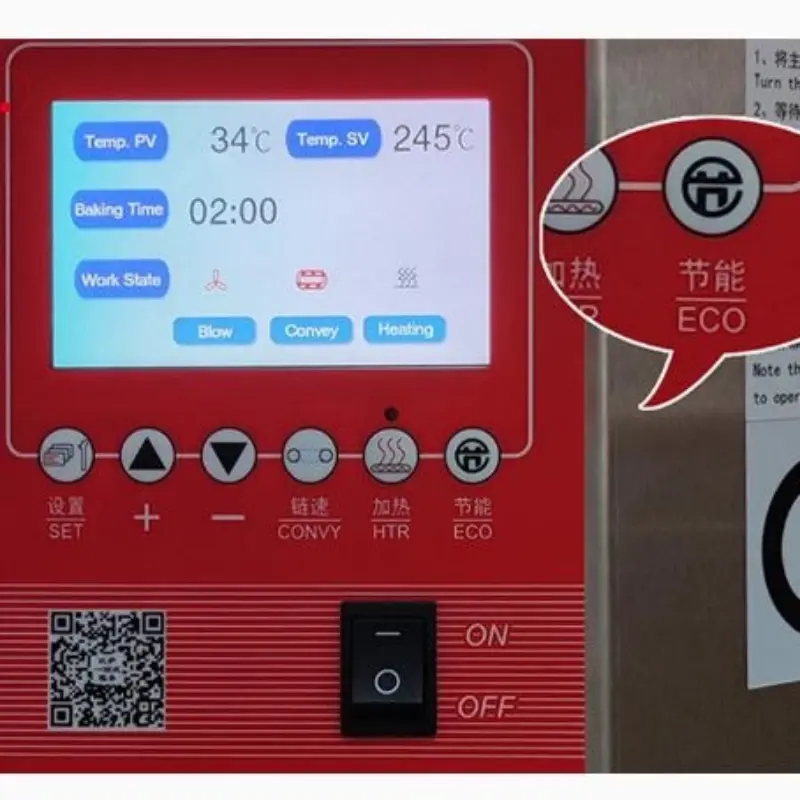
Staff turnover is one of the everyday realities of restaurant chains. Many stores do not have a dedicated pizza specialist on every shift, and managers cannot spend weeks training each new employee on oven timing by feel. A commercial pizza oven for franchise stores should make the baking process easier to teach and easier to repeat.
A conveyor system gives the kitchen a more disciplined workflow. The operator sets the temperature and belt speed, places the pizza on the conveyor, and lets the oven carry the product through the baking zone. The process still requires recipe control and good prep standards, but it reduces constant opening, checking, turning, and guessing.
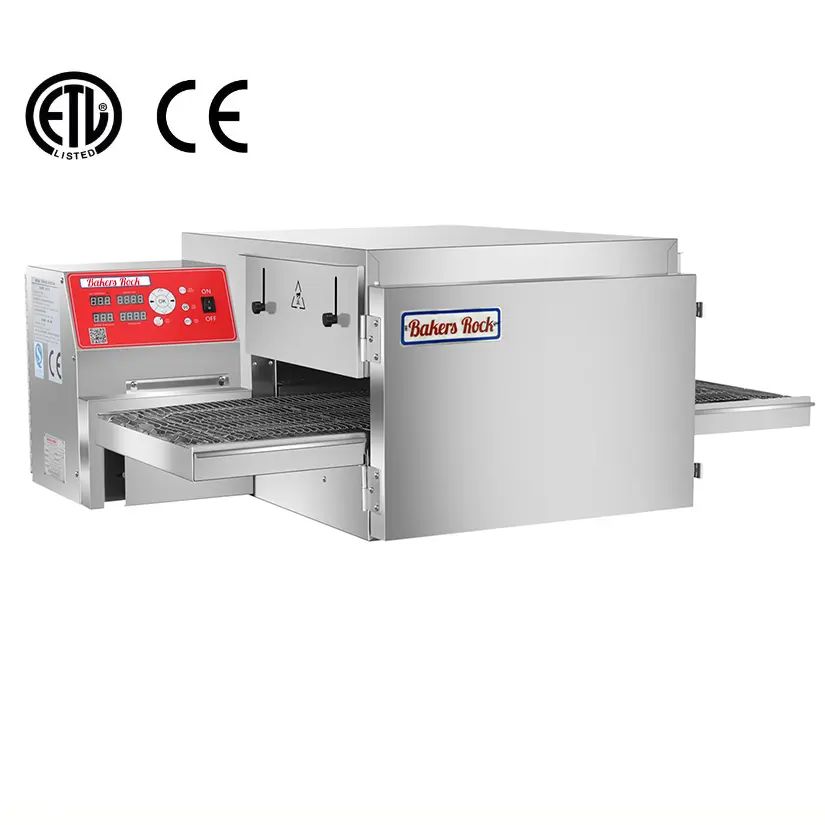
Bakers Rock frequency conveyor oven models are described with shortcut menu operation, plug-and-play use, multi-speed frequency drive, and a maximum heat output of 315°C. For stores dealing with frequent staff changes, these details can support faster onboarding and more stable daily operation.
Chain restaurants are tested during traffic spikes, not quiet periods. A store may run smoothly at 3 p.m. and fall behind by 7 p.m. when dine-in orders, takeout tickets, and delivery drivers arrive at the same time. In that window, oven capacity becomes a business issue.
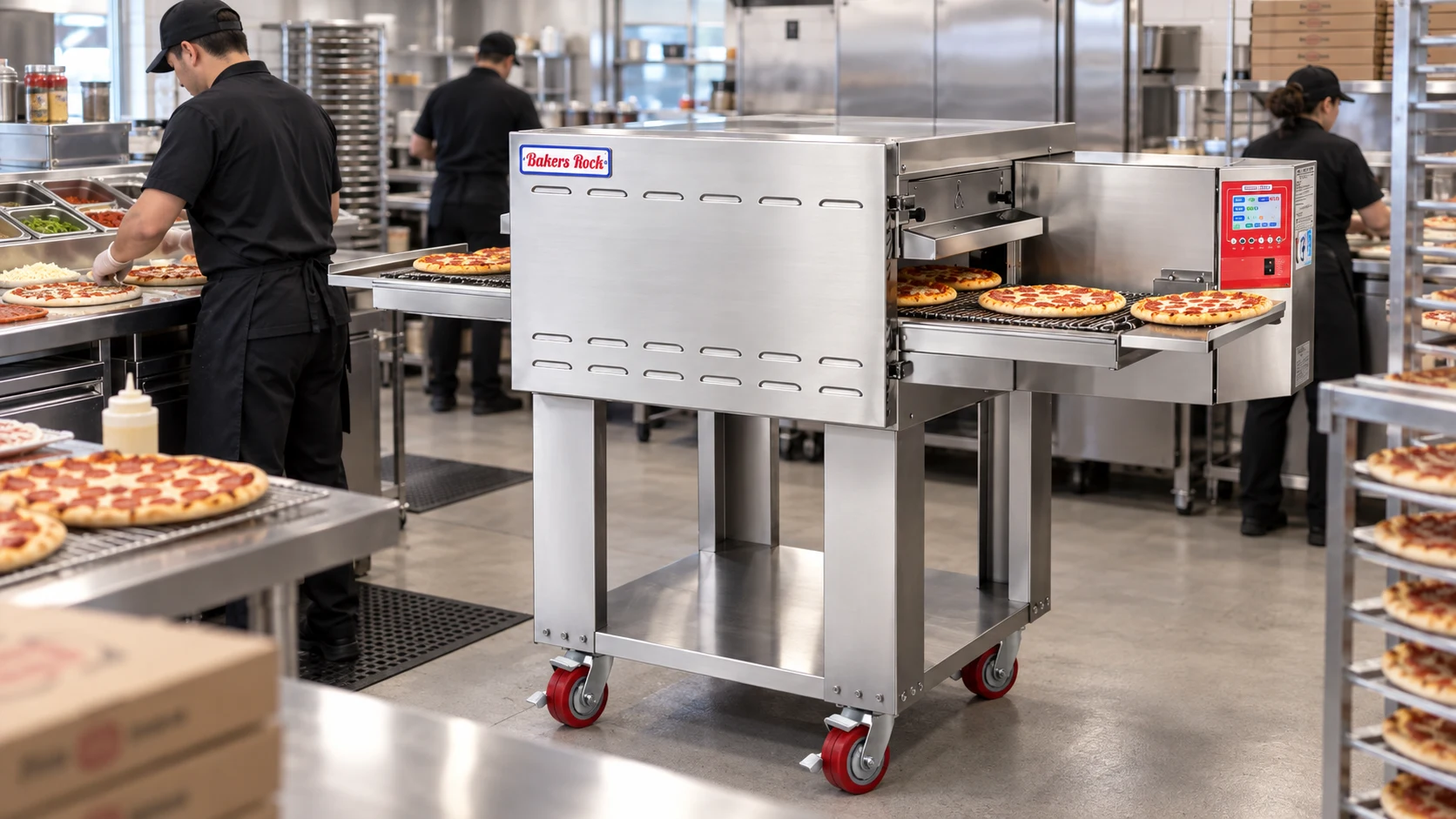
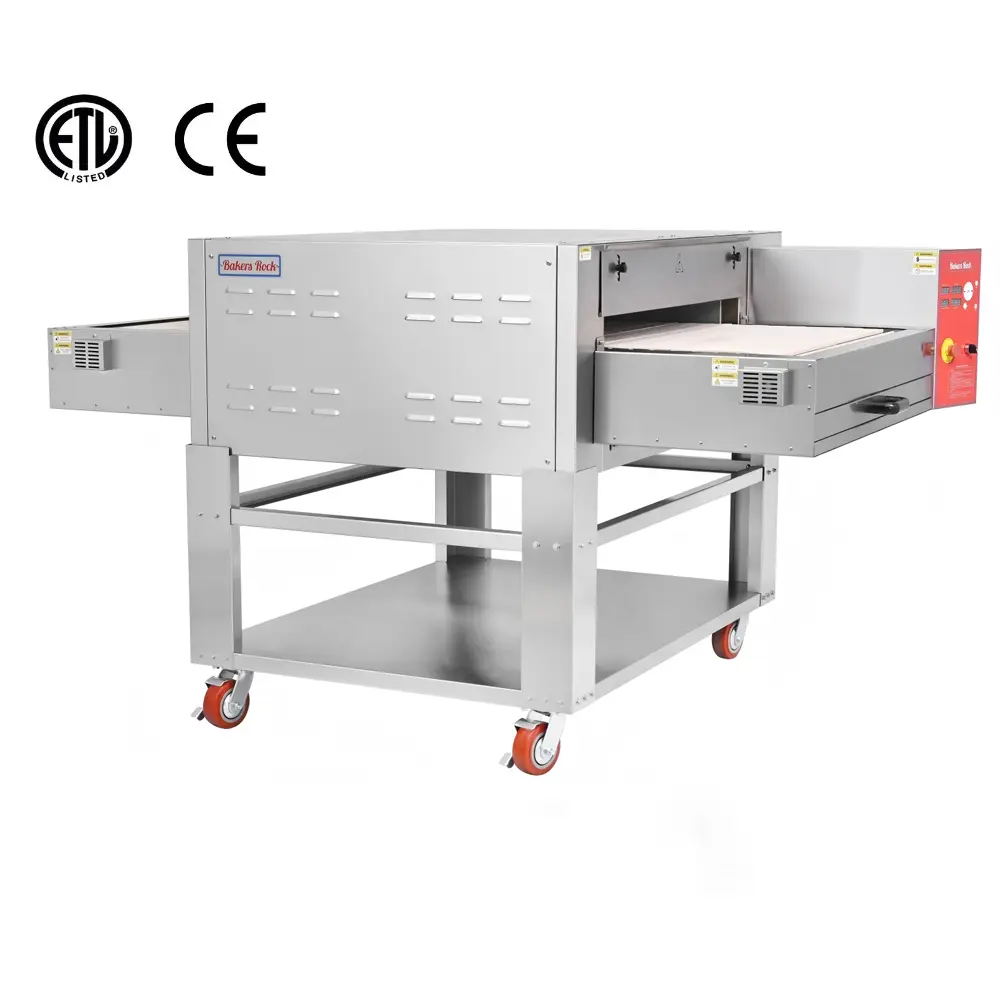
A high-volume conveyor pizza oven supports continuous production instead of batch-by-batch loading. This allows the kitchen to keep product moving during heavy order flow. For smaller locations, a countertop conveyor oven may be enough for a limited pizza or snack menu. For delivery-heavy stores or larger dine-in branches, higher-capacity electric or gas models are usually more practical.
Bakers Rock offers electric options that include 16 inch and 20 inch countertop conveyor ovens, along with 18 inch and 32 inch big capacity conveyor ovens. Its gas/LPG range includes 20 inch and 32 inch conveyor oven options. This gives buyers more room to match each store format with expected sales volume, available space, and energy supply.
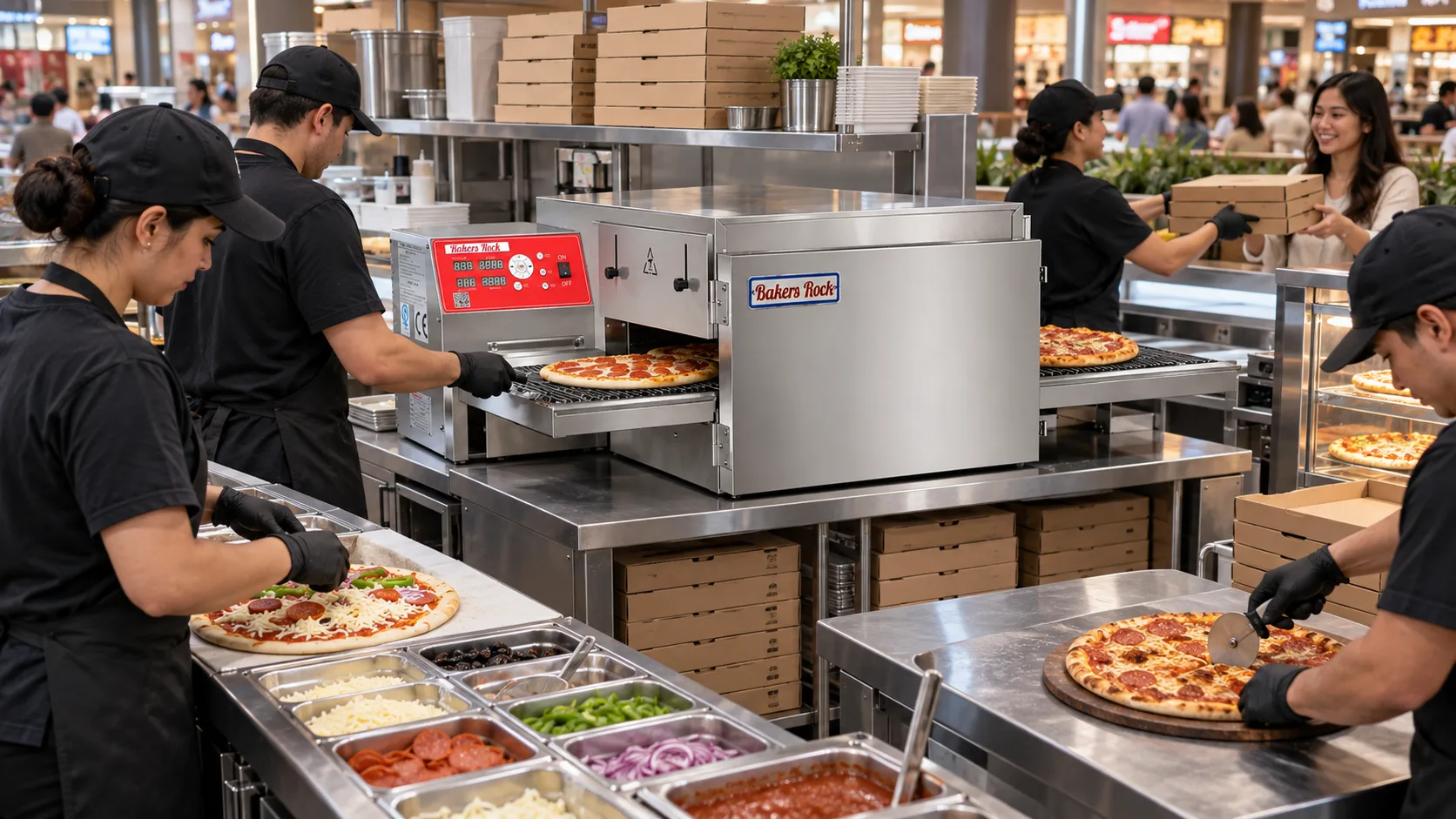
An electric conveyor pizza oven is often selected for mall stores, food courts, cafés, bakery counters, and compact restaurant kitchens where gas installation may be restricted. Bakers Rock electric impingement ovens are electric power hot air jet impinger conveyor ovens built for commercial baking use. In smaller chain formats, an electric countertop conveyor oven can help add pizza, sandwiches, pastries, or baked snacks without redesigning the full kitchen line.
A gas conveyor pizza oven or LPG conveyor oven is usually considered when stores need stronger daily output, when gas is more economical, or when electricity supply is less stable. Bakers Rock gas impingement ovens use a stainless steel 304 conveyor belt and hot air impingement technology. Food passes through controlled hot air streams, supporting even baking for pizza, pastry, seafood, sandwiches, bagels, and other foodservice products. For chain buyers entering different regional markets, gas and LPG options can make store planning more flexible.
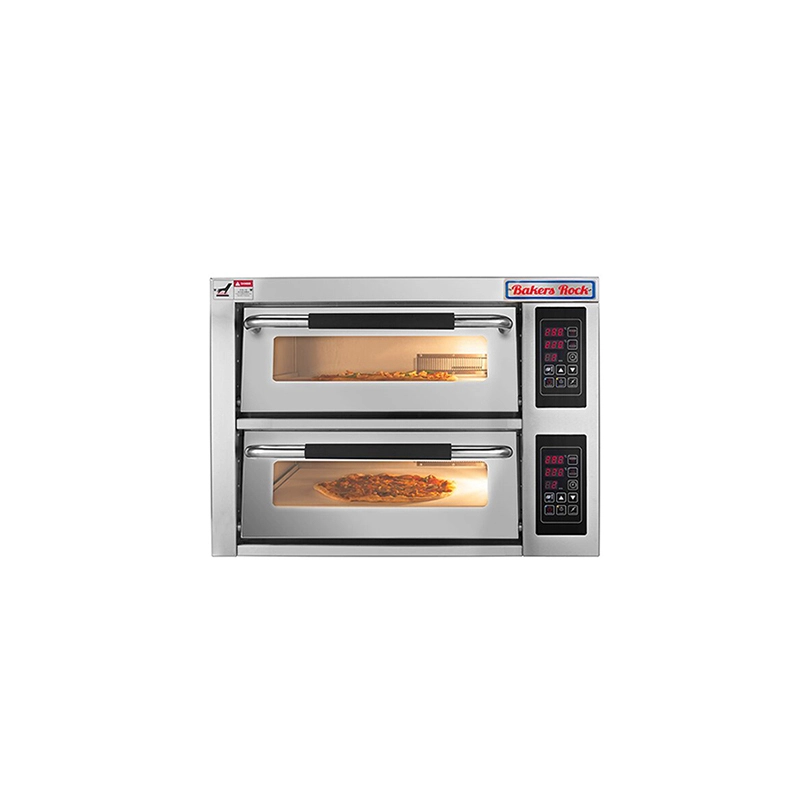
A stone conveyor oven fits a different kind of chain strategy. Some brands compete less on speed alone and more on crust texture, bottom color, and a more handcrafted eating experience. Bakers Rock high temperature stone belt conveyor ovens use refractory stone fillets, allowing food to bake directly on refractory stone. This structure supports crispy pizza crust, stronger bottom heat, and visible char spots while keeping the continuous workflow of a conveyor system. It can also serve focaccia, flatbread, tortillas, vegetables, chicken wings, and meats.
Equipment cost matters more when expansion is planned by store count. A small price difference per oven can become a large capital number across a full rollout. Working with a factory-direct conveyor pizza oven manufacturer can help reduce equipment budget pressure, but the savings should not come from removing important safeguards.
Certification, inspection, parts supply, and technical communication still need to be part of the comparison. SHANGHAI QIANGAN FOODSERVICE EQUIPMENT CO.,LTD was founded in 2001 and has long-term experience in pizza conveyor oven manufacturing. Bakers Rock also highlights 100+ export countries, 20,000+ cooperative customers, 8,000+ factory area, a test kitchen, pre-production sample confirmation, final inspection before shipment, and certifications including CE, ETL, IEC, and ISO 9001. These points are useful for buyers who need a commercial conveyor oven supplier for repeat orders and chain expansion.
For a chain group, service planning starts before the first order is placed. Once the same oven type is installed across multiple stores, parts availability and technical response become part of daily risk control. If one branch needs help adjusting bake time or replacing a component, the answer should not take weeks.
Buyers should review warranty terms, spare parts coverage, cleaning guidance, operation support, and remote technical assistance before choosing a commercial pizza oven for restaurant chains. QIANGAN provides lifetime technical support and two-year free spare parts support for non-human damage, excluding consumable parts. For overseas buyers, this reduces some of the uncertainty that can come with imported foodservice equipment.
A restaurant chain should begin with store format, not only oven price. The buyer needs to define target pizza size, hourly output, menu range, available kitchen space, staff skill level, voltage or gas conditions, certification needs, cleaning routine, spare parts plan, and future store count.
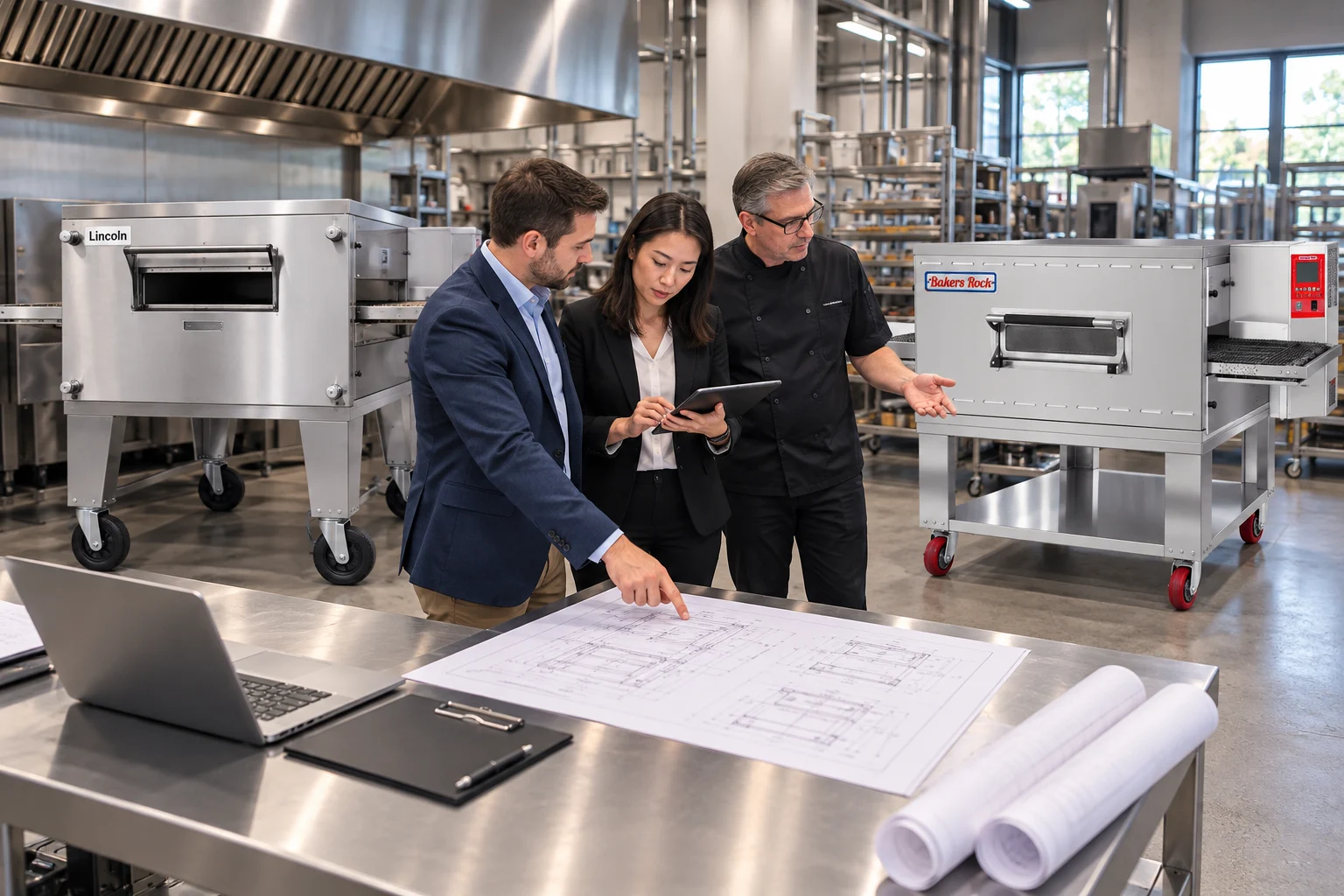
Different store models may require different equipment standards. A mall kiosk may fit an electric countertop conveyor oven. A delivery-heavy location may need a larger gas or LPG conveyor oven. A brand built around crust quality may benefit from a stone belt conveyor oven. The strongest purchasing plan creates repeatable equipment templates for each store type instead of forcing one oven into every location.
A cost-effective commercial conveyor pizza oven for restaurant chains should reduce capital pressure while protecting store-level performance. Chain buyers need more than a low invoice. They need consistent baking, easier training, high-volume output, proper certification, parts planning, and long-term technical support. Bakers Rock, the overseas brand of SHANGHAI QIANGAN FOODSERVICE EQUIPMENT CO.,LTD, offers electric impingement, gas/LPG impingement, and stone conveyor oven solutions for restaurant groups, franchise operators, distributors, and commercial kitchen planners looking for practical equipment for scalable foodservice operations.
Q1: How do restaurant chains choose a commercial conveyor pizza oven?
A: Restaurant chains should compare baking consistency, belt speed control, oven capacity, energy type, staff training needs, certification, spare parts availability, warranty, and technical support. A commercial conveyor pizza oven for restaurant chains should make store operations easier to repeat across different locations.
Q2: What is the best pizza oven for multi-location restaurants?
A: The best pizza oven for multi-location restaurants is usually one that supports standardized baking, simple operation, and stable production during peak hours. Conveyor pizza ovens are widely considered when a chain needs repeatable output from different teams and different store formats.
Q3: Is an electric conveyor pizza oven suitable for restaurant chains?
A: An electric conveyor pizza oven is suitable for mall stores, cafés, food courts, compact kitchens, and locations where gas installation is restricted. It can support repeatable baking for pizza, sandwiches, pastries, and baked snacks with less manual checking during daily service.
Q4: When should a chain restaurant choose a gas conveyor pizza oven?
A: A chain restaurant should consider a gas conveyor pizza oven or LPG conveyor oven when higher production volume is needed, when gas cost is favorable, or when electricity supply is less stable. These ovens are often used in busy restaurants, delivery kitchens, and larger foodservice operations.
Q5: Why should a restaurant chain consider a stone conveyor oven?
A: A restaurant chain should consider a stone conveyor oven when crust quality is part of the brand position. A stone belt conveyor oven supports stronger bottom heat, crispy pizza crust, better char spots, and continuous baking for pizza, focaccia, flatbread, tortillas, and other products.