Nullam dignissim, ante scelerisque the is euismod fermentum odio sem semper the is erat, a feugiat leo urna eget eros. Duis Aenean a imperdiet risus.
Nullam dignissim, ante scelerisque the is euismod fermentum odio sem semper the is erat, a feugiat leo urna eget eros. Duis Aenean a imperdiet risus.
 author
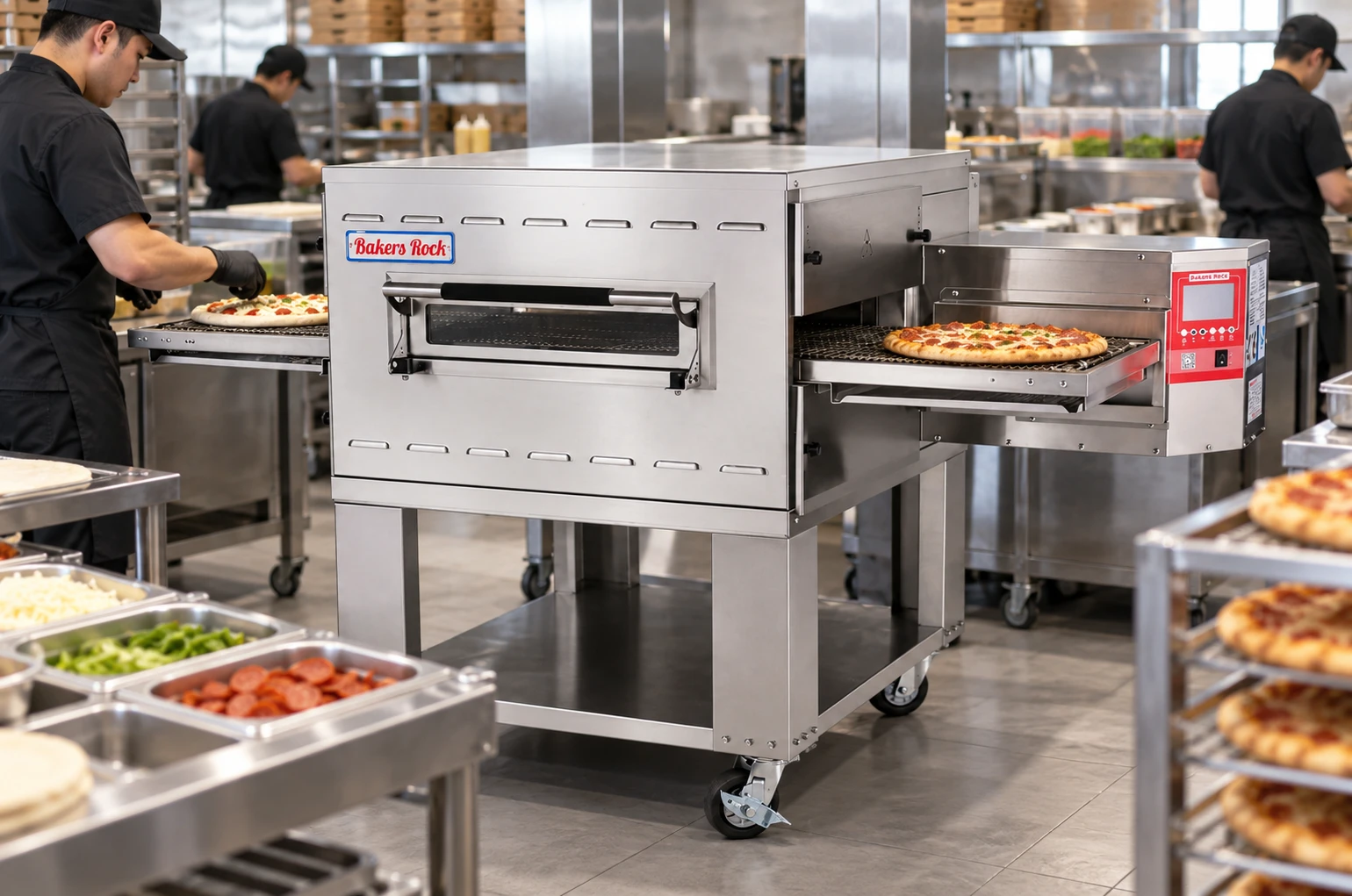
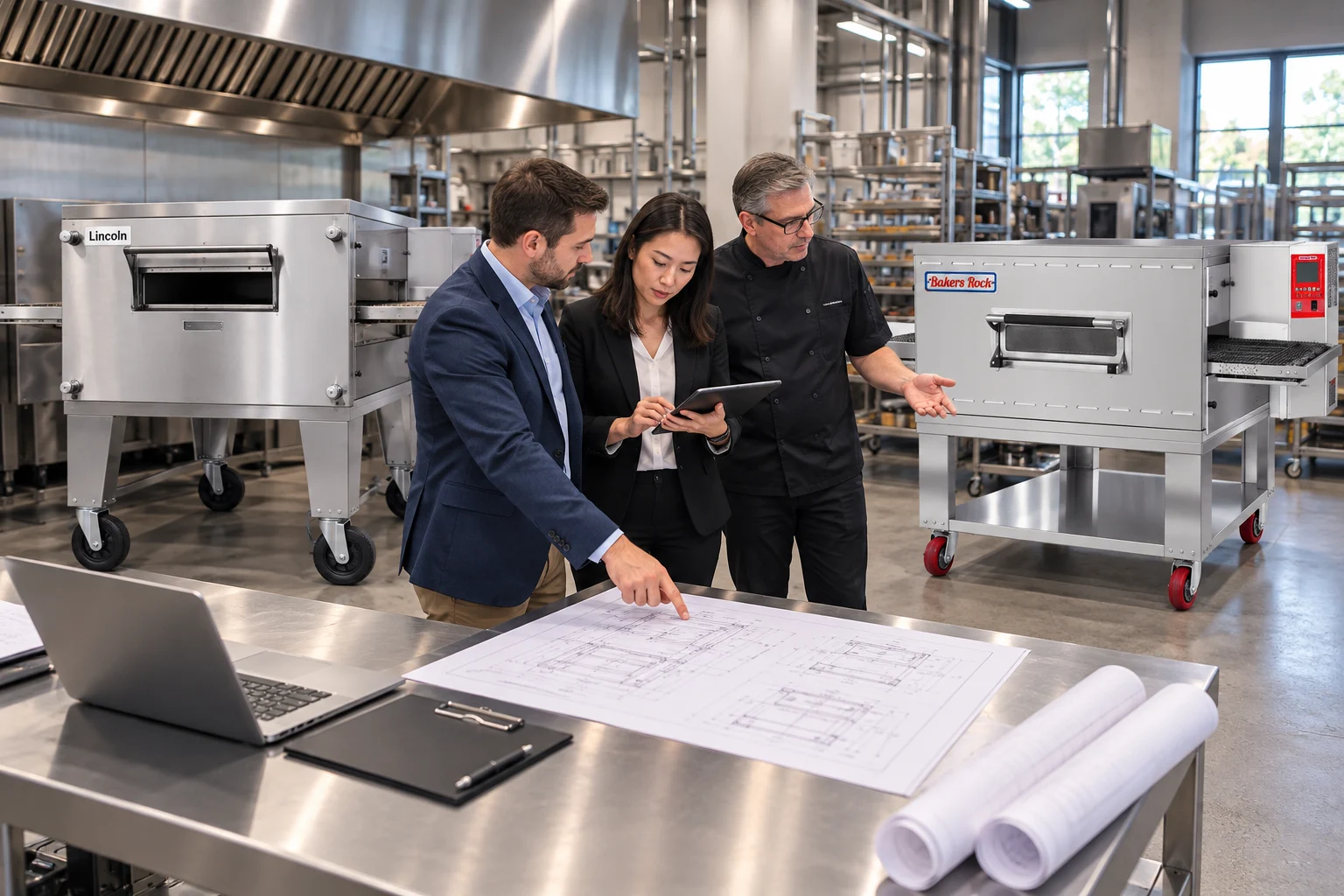
For a pizza chain, comparing Middleby Marshall with Bakers Rock is not simply a question of choosing a famous name. It is a purchasing decision about repeatable bake results, line capacity, installation requirements, service response, and the total cost of putting the same oven format into several locations. A cost-effective alternative is useful only when it can be evaluated on the same operating brief and supported after commissioning.
Treat the established brand as a performance benchmark, then request a like-for-like quotation from Bakers Rock. Compare belt width, heated length, temperature range, conveyor speed, utility load, ventilation, included accessories, warranty terms, spare-parts coverage, and local service arrangements. The lowest invoice is not automatically the lowest-cost choice; the better option meets the chain’s throughput and rollout requirements with fewer lifecycle surprises.
A conveyor pizza oven earns its place in a chain kitchen by making the bake process predictable. Before comparing brands, document the menu, pizza diameter, target bake time, peak pizzas per hour, operating hours, available utility capacity, hood or ventilation constraints, and the amount of floor space available at each site. This specification becomes the baseline for both suppliers.
Then separate the quotation into five cost layers: oven and conveyor, shipping and duties, installation and commissioning, site preparation, and ongoing support. Two ovens that look similar in a product photo can have very different landed costs once electrical work, exhaust changes, import requirements, training, and replacement parts are included. A transparent comparison should show each layer rather than hide it inside a single package price.
This method also protects a chain from an unsuitable substitution. A narrower belt may reduce the purchase price but create a queue during lunch service. A higher maximum temperature may look attractive but add no value if the recipe runs at a lower set point. The right alternative is the one that matches the process, not the one with the longest specification sheet.
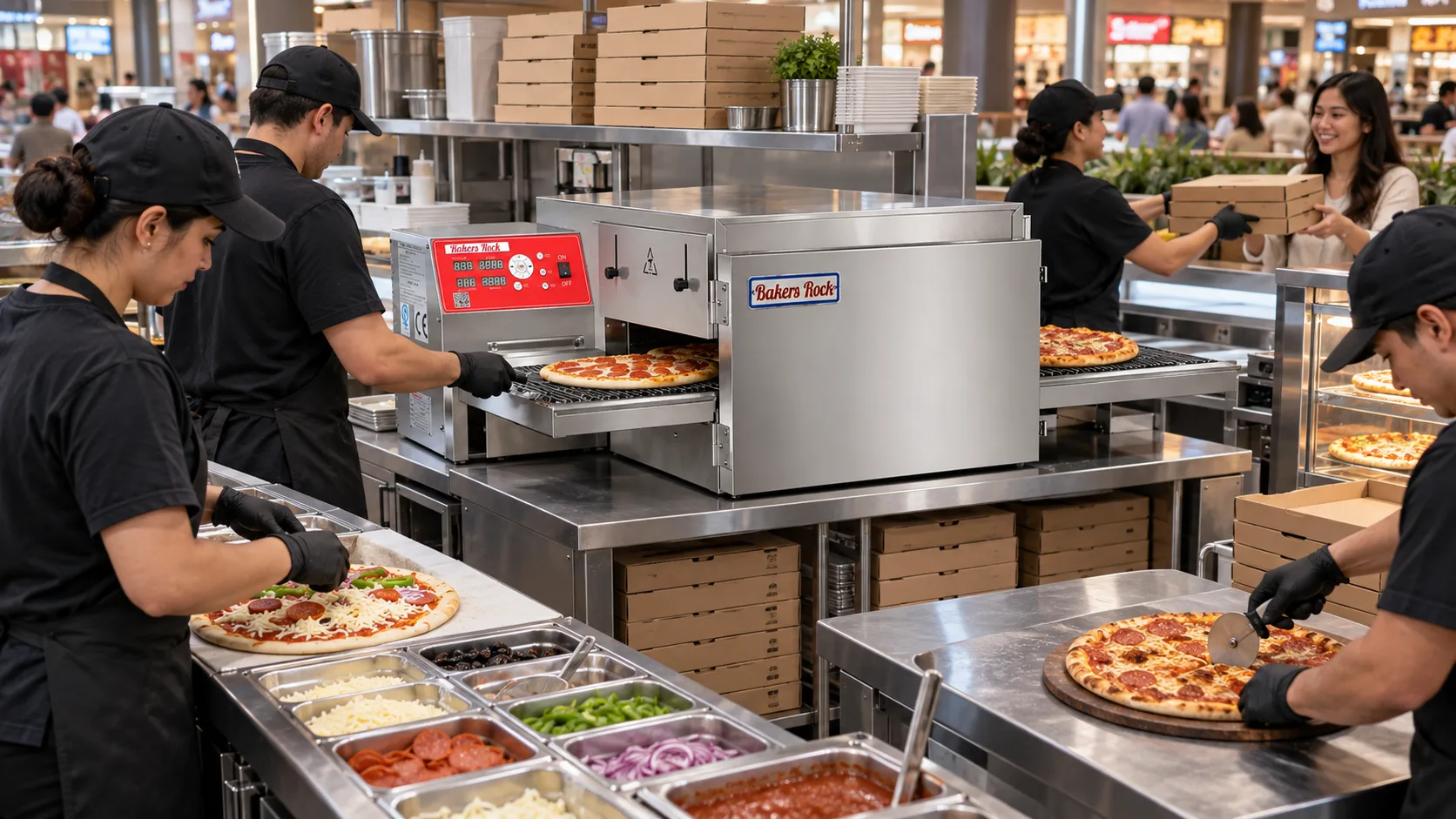
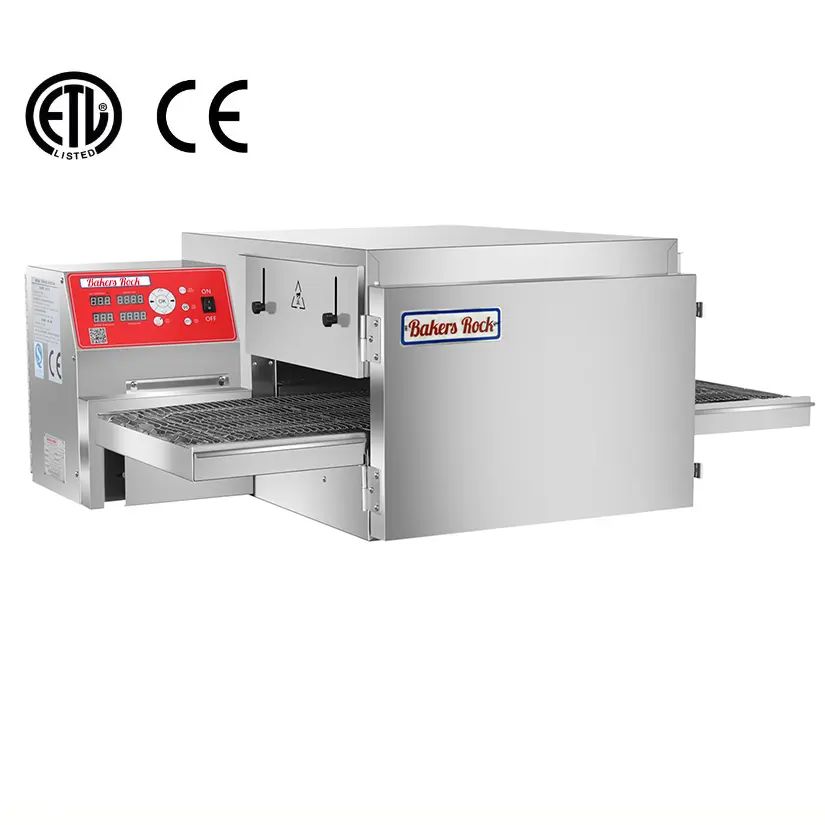
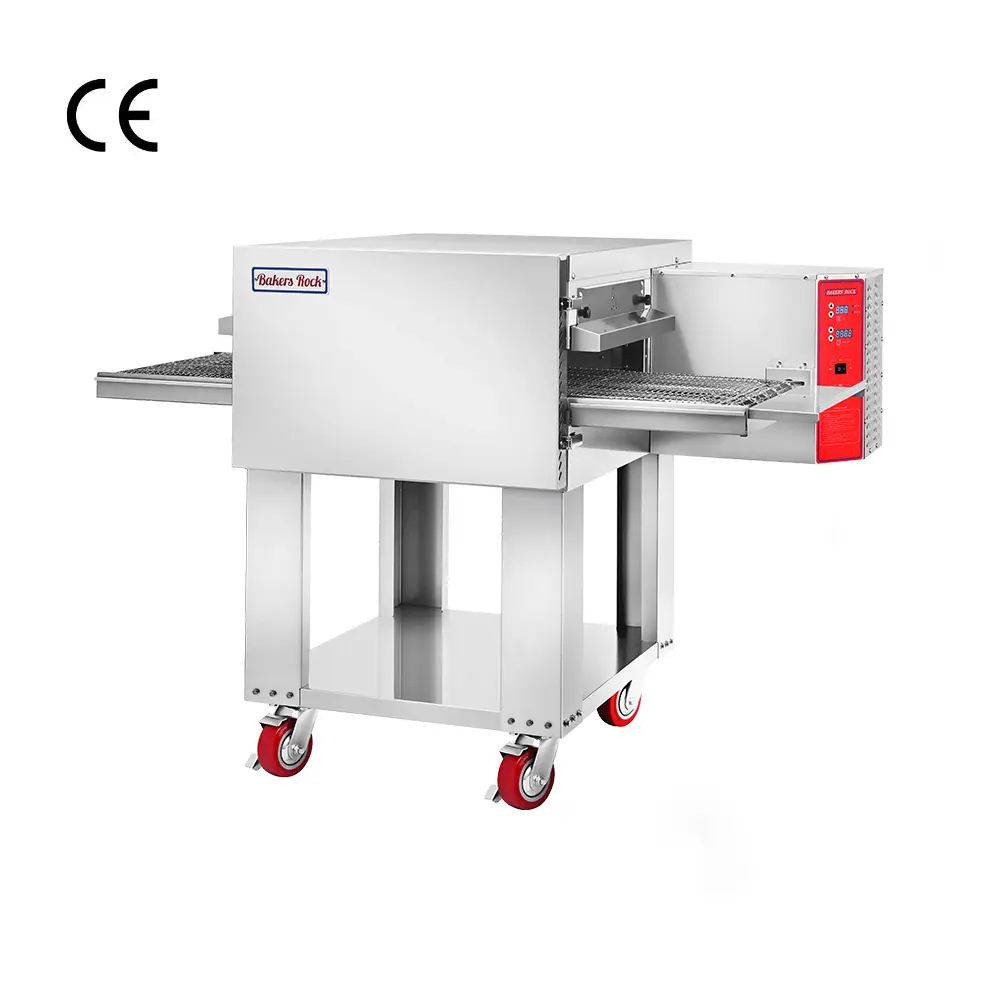
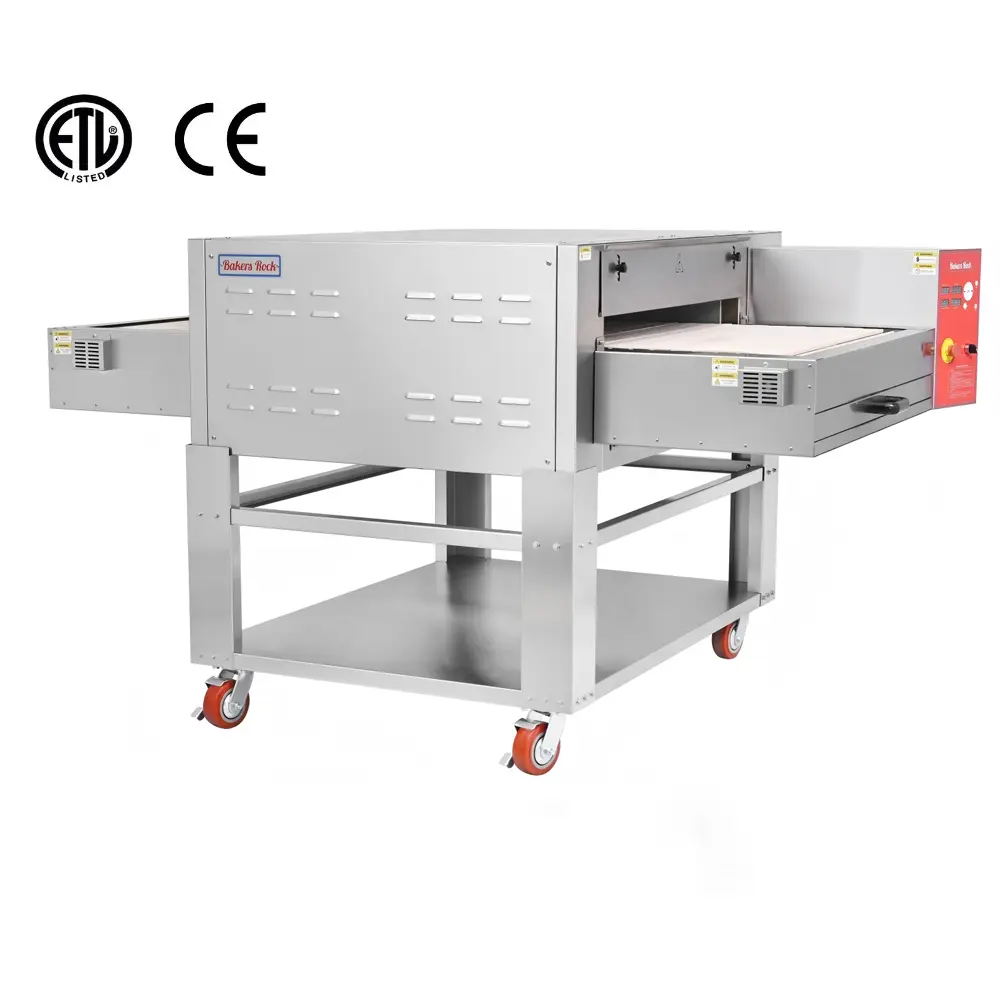
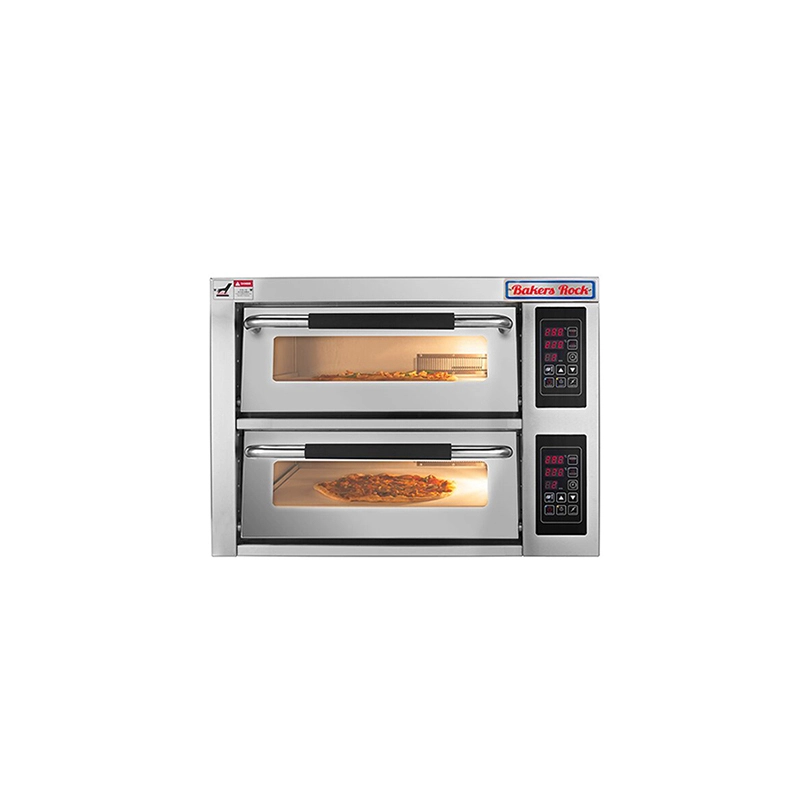
Bakers Rock offers several commercial oven formats, including electric and gas impingement conveyor ovens. Its electric impingement range is a relevant starting point for chains that want a repeatable conveyor workflow and need to compare a lower-cost equipment source with an established conveyor-oven benchmark. The product family can be reviewed on the electric impingement conveyor oven range before a site-specific configuration is selected.
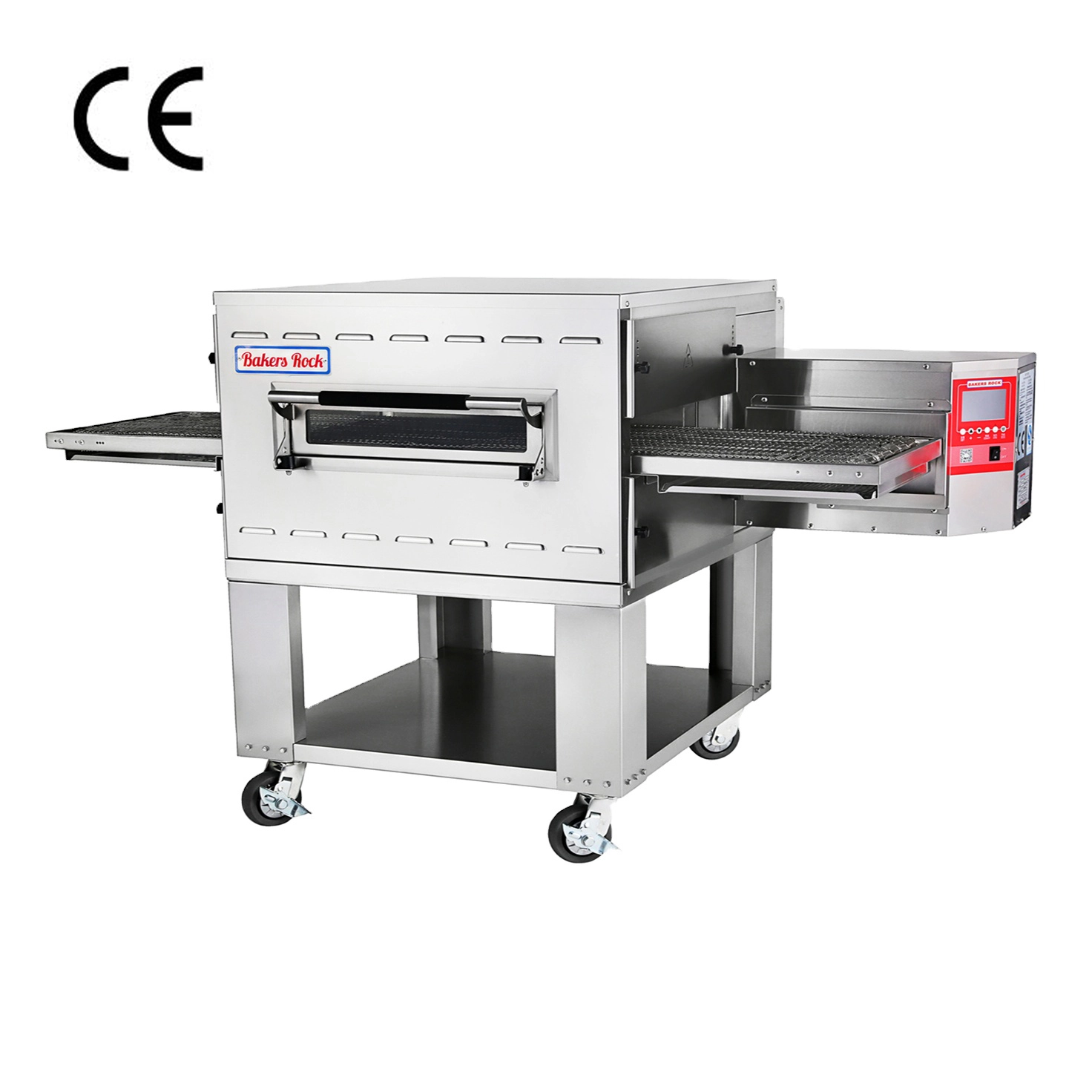
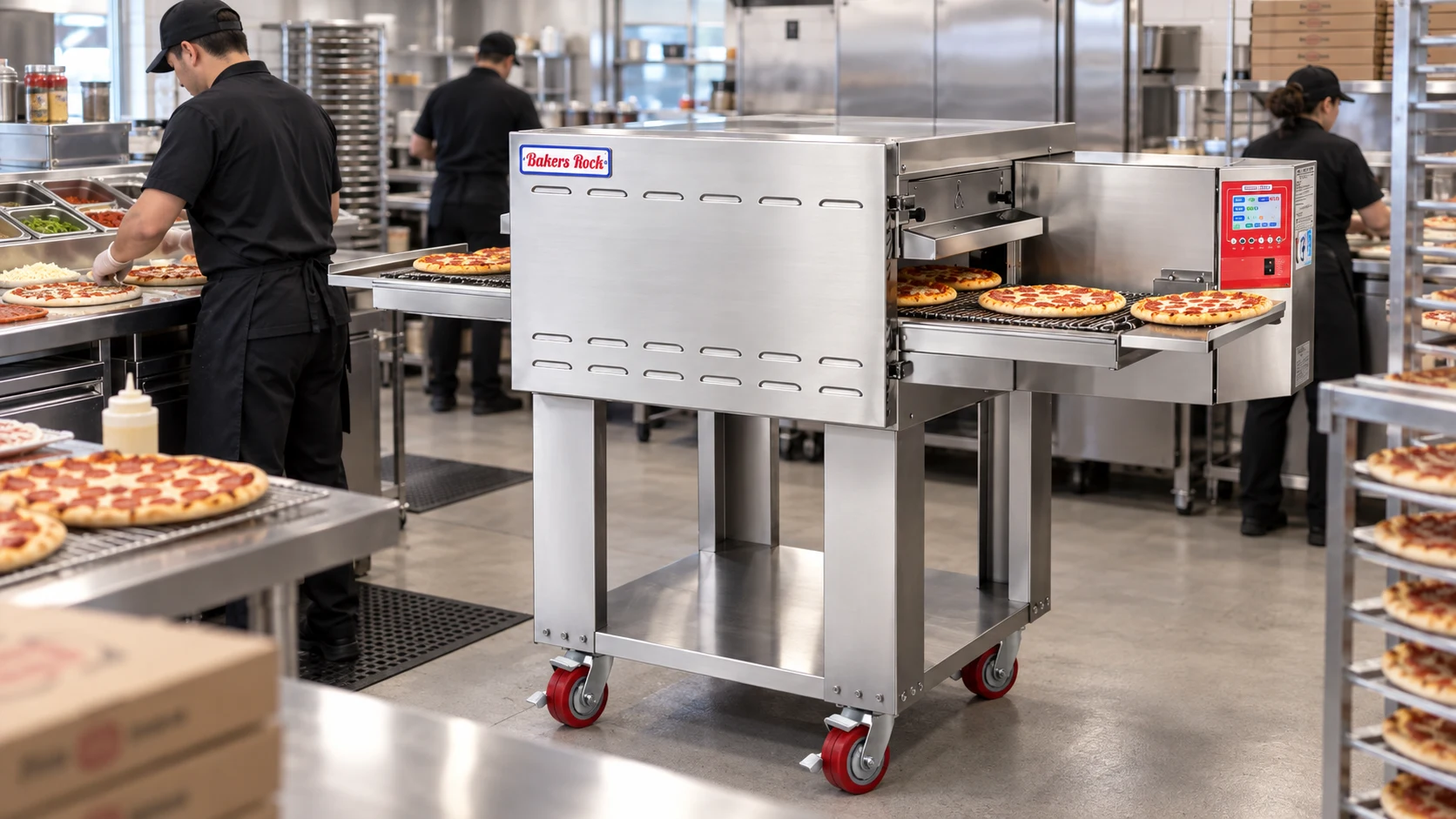
The H1832 model provides a concrete example for a medium or large pizzeria. Its listed baking area is 18 by 32 inches, with adjustable setting time from 1.5 to 25 minutes and a maximum temperature of 300°C. The product page also lists air-impingement heating, computer-controlled baking time and temperature, stainless-steel construction, an openable window, 15 kW power, 5.8-6.8 kW/hr power consumption, 2.1 m² floor space, and 280 kg net weight. These figures are useful for initial planning, but the final utility and throughput fit should be confirmed against the recipe, belt loading, local electrical standard, and site drawings.
The H1832 page states that the model is suitable for medium and large pizzerias and western restaurants and lists a two-year warranty. For a multi-site rollout, ask the supplier to confirm what the warranty covers, which parts are excluded as wear items, how technical support is delivered across countries, and which spare parts are normally kept available. If a proposal includes lifetime technical support or free replacement parts for non-human-caused failures, request those terms in writing so they can be compared with the competing offer.
When Middleby Marshall is used as the benchmark, Bakers Rock should be assessed against the same production test: the same dough weight, topping load, target bake color, belt loading pattern, and recovery expectation after the door or access window is opened. Ask both suppliers for a commissioning protocol that records set temperature, conveyor speed, product spacing, and finished-pizza criteria.
Belt width is especially important for expansion. A chain may need one pizza across the belt, several smaller products side by side, or a menu that includes bread and snacks. Model the peak-hour mix rather than using a single pizza count. If the Bakers Rock configuration meets the required width and dwell-time range, the equipment can be a practical alternative without changing the operating logic that staff already understand.
Also check the interfaces around the oven. Confirm infeed and discharge height, access for cleaning, clearance for service, electrical disconnects, ventilation, and the route from receiving dock to kitchen. A lower equipment price can disappear if the site needs unplanned construction or if the oven cannot be positioned without a costly redesign.
The phrase “save 30%-40%” should be treated as a quotation target, not a universal promise. The actual difference depends on model size, configuration, quantity, freight, duties, installation, utility work, and the service package. A disciplined RFQ can still reveal meaningful savings by asking each supplier to price the same scope and list exclusions clearly.
For a chain, the largest cost lever may be repeatability across sites. Standardizing one validated model can simplify training, operating procedures, spare-parts stocking, and recipe control. It can also make a phased rollout easier: one pilot store proves the recipe and layout, then the approved configuration is repeated. Do not assume that a single model fits every country; verify local codes, voltage, gas availability, ventilation rules, and access constraints before placing a blanket order.
Build a five-year worksheet that includes energy use, cleaning labor, wear parts, planned service visits, downtime exposure, and backup parts. If a supplier offers a lower initial price, use part of the difference for commissioning, operator training, and a starter spare-parts kit.
A chain buyer should evaluate support as a measurable deliverable. Ask for response channels, remote troubleshooting steps, escalation contacts, recommended preventive-maintenance intervals, parts identification, and the process for diagnosing a heating or conveyor fault. Clarify whether support is provided directly, through a distributor, or through a local service partner in each target country.
Before a multi-store purchase, request a sample parts list, electrical drawings, installation requirements, and a commissioning checklist. Clear documentation reduces inconsistent setup between North America, Europe, the Middle East, and Southeast Asia. Bakers Rock can be asked to confirm the exact support and parts terms for the proposed quantity through its technical quotation team.
Use the following checklist in the same RFQ sent to Middleby Marshall and Bakers Rock:
– Define the product test: pizza diameter, dough weight, topping load, bake color, target time, and peak-hour mix.
– Match the equipment scope: belt width, heated length, temperature controls, infeed and discharge, stand, hood interface, and included accessories.
– Record site requirements: voltage, phase, amperage, gas or electric choice, ventilation, clearances, floor loading, and delivery access.
– Price the full landed cost: equipment, freight, duties, installation, commissioning, training, wear parts, and service travel.
– Put support in writing: warranty duration, exclusions, response process, recommended spares, and coverage for non-human-caused failures.
For a first comparison, the H1832 commercial conveyor oven specification gives the project team a concrete reference point. The Bakers Rock product range can then be used to identify a different belt width or heating format if the pilot-store brief requires it.
Middleby Marshall remains a useful benchmark for a chain that values an established conveyor-oven format. Bakers Rock deserves consideration when the buyer wants to test a cost-effective alternative against the same production brief and compare the complete landed and lifecycle cost. The decision should rest on verified bake results, site fit, documentation, support terms, and repeatable rollout economics – not on brand recognition or an unqualified discount claim.
For a practical evaluation, send the proposed pizza size, daily and peak volume, preferred heating method, available utilities, store quantity, destination countries, and layout drawings with the RFQ. Bakers Rock can then confirm the suitable model, configuration, and commercial terms for the chain.
No. A suitable replacement depends on belt width, heated length, recipe, utilities, ventilation, throughput, local codes, and the service plan. Compare a specific configuration rather than a brand name alone.
It may be possible in a like-for-like quotation, but there is no universal percentage. Freight, duties, installation, configuration, quantity, and support terms can materially change the final difference.
Run the same dough, topping load, belt loading pattern, temperature, and target bake time on the proposed configuration. Record finished-pizza quality, recovery behavior, cleaning access, and operator steps.
Include product dimensions, peak pizzas per hour, operating hours, utility details, destination countries, store quantity, layout drawings, and the support and spare-parts terms required for the rollout.