Nullam dignissim, ante scelerisque the is euismod fermentum odio sem semper the is erat, a feugiat leo urna eget eros. Duis Aenean a imperdiet risus.
Nullam dignissim, ante scelerisque the is euismod fermentum odio sem semper the is erat, a feugiat leo urna eget eros. Duis Aenean a imperdiet risus.
 author
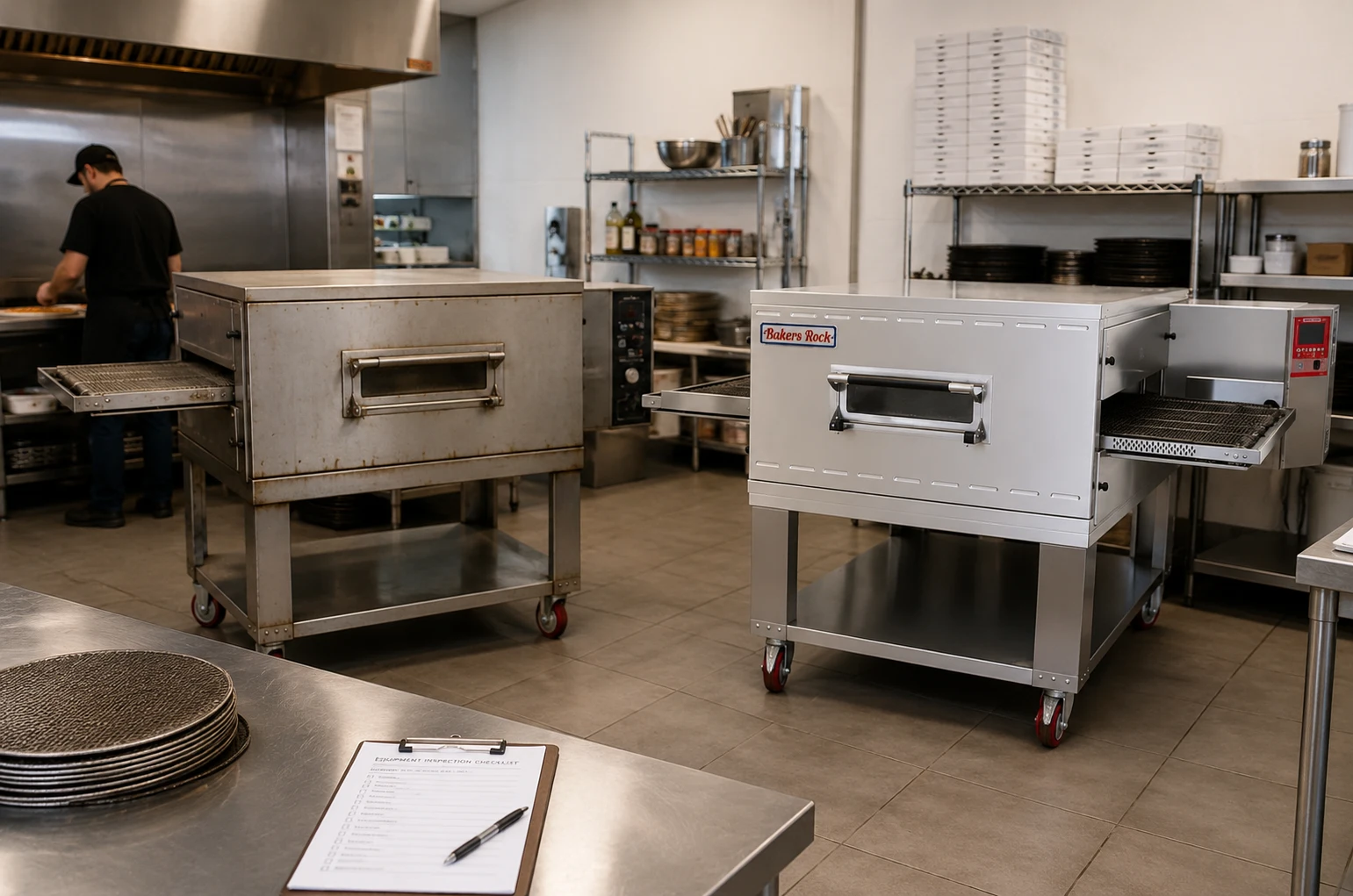
Choosing a new vs. used conveyor pizza oven is not simply a comparison of purchase prices. A used unit may reduce the initial equipment budget, but undisclosed wear, utility incompatibility, unavailable parts, and unplanned downtime can erase that saving. Before buying a used conveyor pizza oven, verify its identity, mechanical condition, baking performance, installation requirements, and total ownership cost.
A used conveyor oven can make sense when its model and history are documented, it can be tested under load, replacement parts remain available, and qualified service is accessible. It may suit a startup with flexible production requirements or an operation purchasing a secondary oven rather than its only production unit.
Buying new may reduce risk when the oven is critical to daily revenue, downtime would stop service, or the kitchen needs a specific belt width, energy source, and peak-hour output. New equipment also allows the buyer to compare commercial conveyor pizza ovens by current requirements instead of adapting the kitchen to an unidentified secondhand unit.
| Condition | Used | Refurbished | New |
| Purchase price | Usually lower | Between used and new | Usually higher |
| Condition evidence | Varies by seller | Should include documented work | Defined by product specification |
| Configuration choice | Limited to available stock | Limited | Selected for the application |
| Warranty and support | May be limited or absent | Depends on seller terms | Confirm with supplier |
| Main risk | Hidden wear | Unclear refurbishment scope | Higher initial investment |
Terms such as “tested,” “serviced,” and “refurbished” should not be accepted without a written description of the inspection, repairs, and parts replaced.
First, photograph the nameplate and verify the model, serial number, voltage, phase, frequency, and gas type where applicable. The seller’s listing may be incomplete or copied from a similar unit.
Next, ask for the manufacturing date, estimated operating history, service invoices, and previous ownership. Age alone does not determine condition, but an older oven with no records creates greater uncertainty. Check whether controls, motors, or heating components have been replaced and whether those parts match the documented model. If the identity cannot be verified, obtain an independent inspection or decline the purchase.
Inspect the belt for bent sections, missing links, uneven wear, poor tension, and sideways tracking. Run it at different speeds and listen for grinding, clicking, or changing motor noise. A belt that moves when empty may still stall or drift under a continuous product load.
The oven should complete a full heat-up and hold its setting before testing pizzas. Check whether belt speed remains stable and whether pizzas loaded in different positions receive comparable color and finish. Uneven baking may be related to airflow, controls, heating performance, or previous internal modifications. Confirm repair cost and part availability before treating any defect as minor.
Operate every control used in daily production, including temperature, bake time, belt direction, and recipe functions where fitted. Displays should respond consistently, and settings should not reset unexpectedly. Unusual fan noise, vibration, weak airflow, or large differences across the belt require further investigation.
Electrical compatibility must be verified against both the nameplate and the installation site. Voltage, phase, frequency, current requirements, and available service can determine whether a used oven is practical. For gas equipment, confirm whether the unit is configured for natural gas or LPG. Conversion suitability depends on the model and local requirements and should be assessed by qualified personnel. Buyers replacing an older electric unit can compare new electric conveyor pizza ovens before paying for major site modifications. Operations with an established gas supply can instead review gas and LPG conveyor ovens.
Confirm that the used oven accepts the required pizza diameter, pan or screen, product height, and peak-hour production volume. A single successful pizza does not prove that the oven can recover temperature or maintain consistency during continuous loading.
Before paying, identify the availability of belts, motors, controls, sensors, heating components, and model-specific assemblies. Ask who will provide service after installation and whether technical documents are available.
Finally, put the warranty, return conditions, freight responsibility, and arrival test in writing. Clarify who pays if the oven arrives damaged, cannot be connected as described, or fails its acceptance test. An “as-is” sale transfers most of this risk to the buyer.
Begin from a cold start and record whether the oven heats normally, holds temperature, and runs the belt without interruption. Test more than one belt speed and watch for tracking changes as the unit warms.
The baking test should use pizzas similar in diameter, dough condition, topping load, and target finish to the buyer’s actual menu. Load several products continuously rather than baking one sample. Record bake time, temperature recovery, belt behavior, finished color, and unusual noise or odor. If the seller does not allow a live test, request dated operating video, third-party inspection, and written arrival terms. Otherwise, price the unit as unverified equipment.
The asking price is only one part of used pizza oven total cost. Add inspection, cleaning, missing components, repairs, freight, unloading, installation, utility changes, ventilation work, and initial spare parts. For an oven that controls the entire production line, also consider the business impact of a breakdown.
Compare that figure with a new oven selected for the correct pizza size, bake time, and peak demand. A larger operation may evaluate a 32-inch high-capacity conveyor oven, which has a 32-by-40-inch heating area and is designed to accommodate two 15-inch pizzas across its width. That model is relevant only when capacity, space, and electrical conditions fit the application.
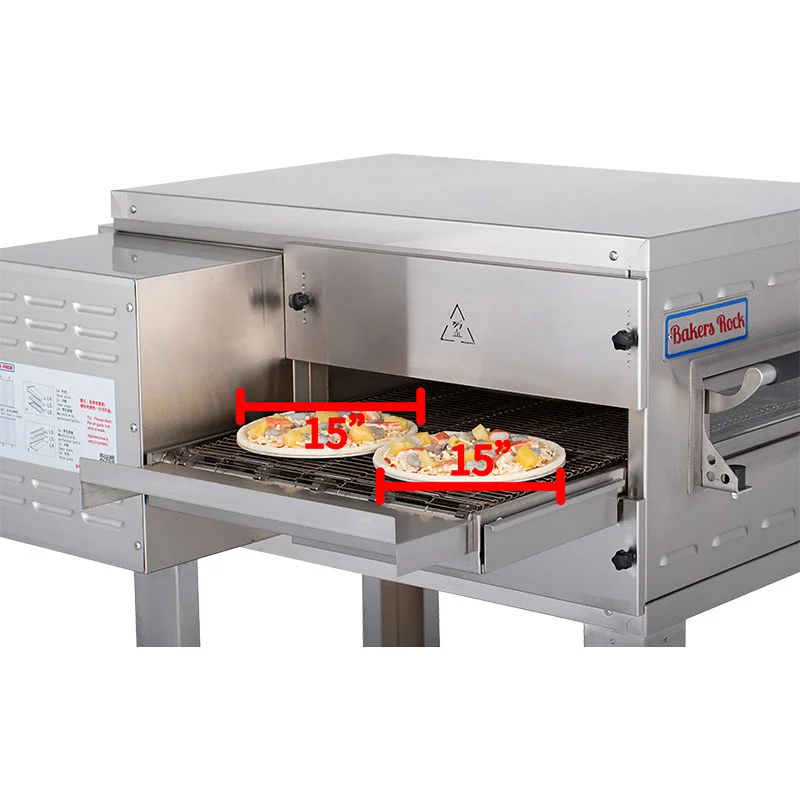
A stone-baked menu requires a separate decision. Buyers who need direct stone contact rather than a standard mesh belt should compare stone conveyor pizza ovens instead of assuming that an available used unit can reproduce the required crust.
A private seller may offer a lower price but limited documentation. A dealer may provide testing or delivery support, while a refurbisher should state exactly what was inspected, repaired, and replaced. In every case, request the nameplate, operating video, test results, service history, included accessories, written condition, and warranty exclusions.
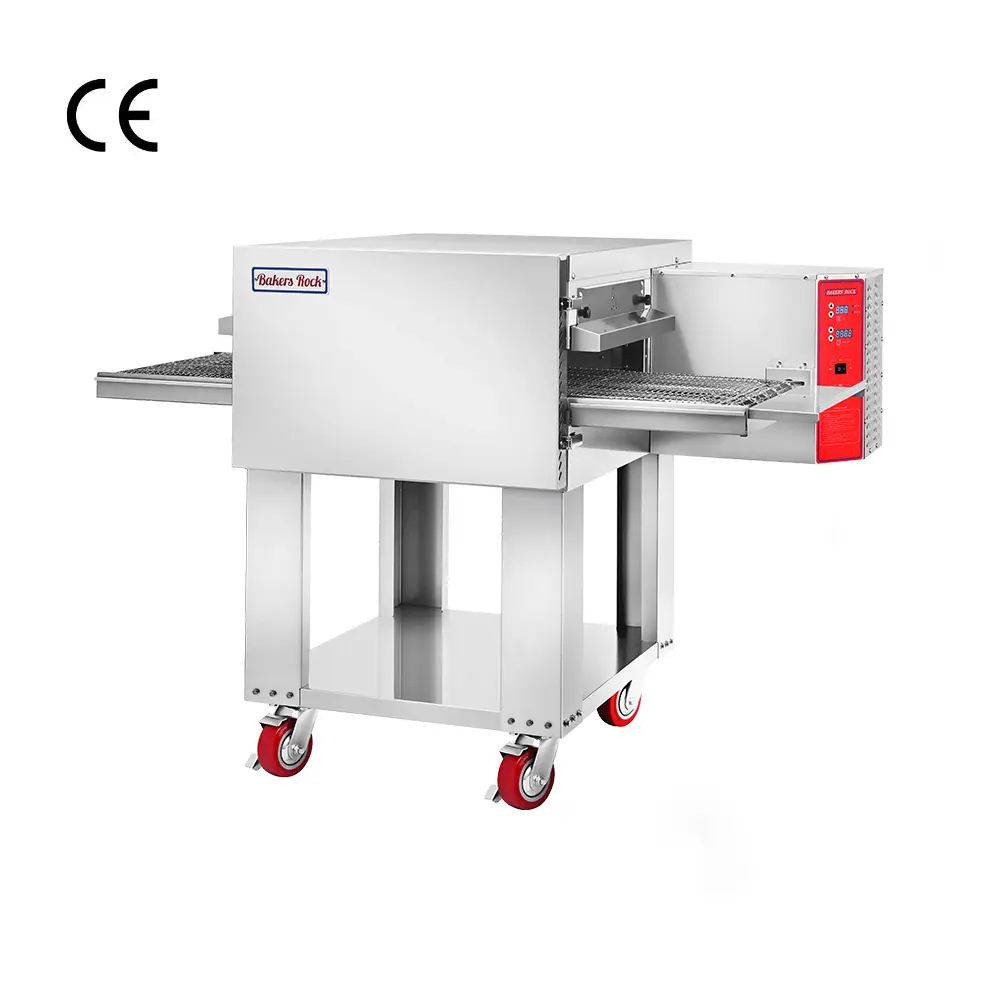
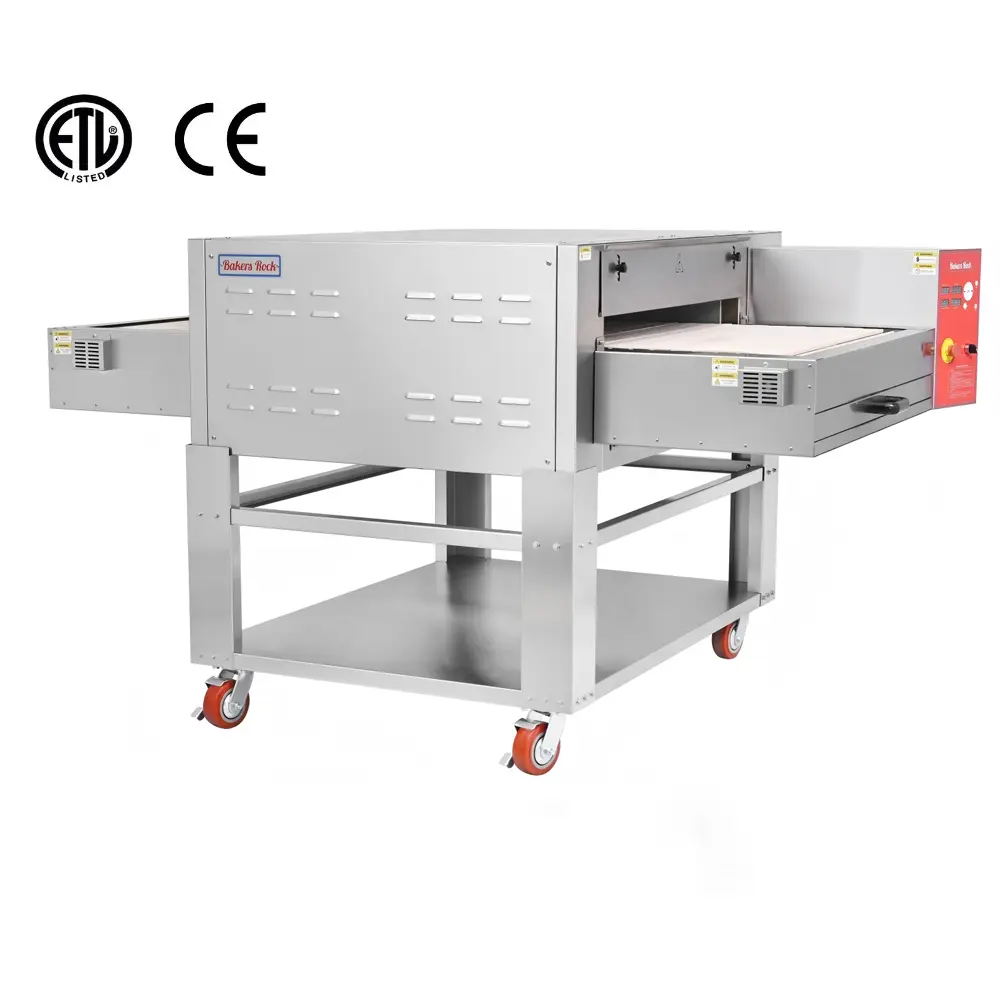
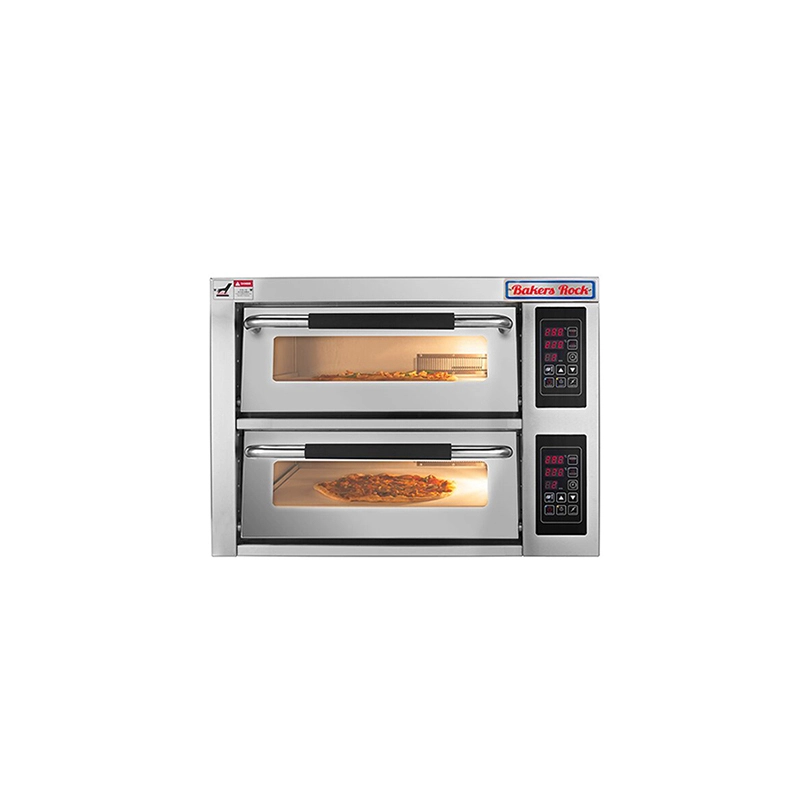
When secondhand risk becomes difficult to quantify, a new equipment supplier should be able to review the application rather than recommend a model from price alone. Bakers Rock offers electric impingement, gas/LPG impingement, and stone conveyor oven ranges for different kitchen and product conditions.
A useful replacement request should include:
These details allow Bakers Rock to compare the existing equipment with an appropriate new configuration rather than matching only its external dimensions.
A used conveyor pizza oven is worth considering only when its identity, condition, performance, utilities, parts, and purchase protection can be verified. If those factors remain unclear, a new unit may provide a more predictable replacement path. Buyers can request a replacement oven recommendation from Bakers Rock by submitting the existing model, nameplate photo, pizza size, target output, utilities, and available space.
Q1: Is a used conveyor pizza oven worth buying?
A: It may be worthwhile when the equipment has documented history, passes a continuous bake test, matches site utilities, and has available parts. Compare its total cost with a suitable new replacement.
Q2: How do I test a used conveyor pizza oven?
A: Start from cold, complete a full heat-up, test all controls and belt speeds, then bake several representative pizzas continuously. Record recovery, consistency, noise, and belt tracking.
Q3: How old is too old for a commercial pizza oven?
A: There is no universal age limit. Maintenance history, component condition, parts availability, energy compatibility, and expected workload are more useful than age alone.
Q4: What is the difference between used and refurbished conveyor ovens?
A: Used equipment may be sold in its existing condition. Refurbished equipment should have documented inspection and repair work, but buyers must verify what was tested or replaced.